

 Vorschau anzeigen
 Versenden
 Teilen
 Details anzeigen

 Herunterladen
 Ähnliche Objekte
 Röntgenaufnahme
 Diashow
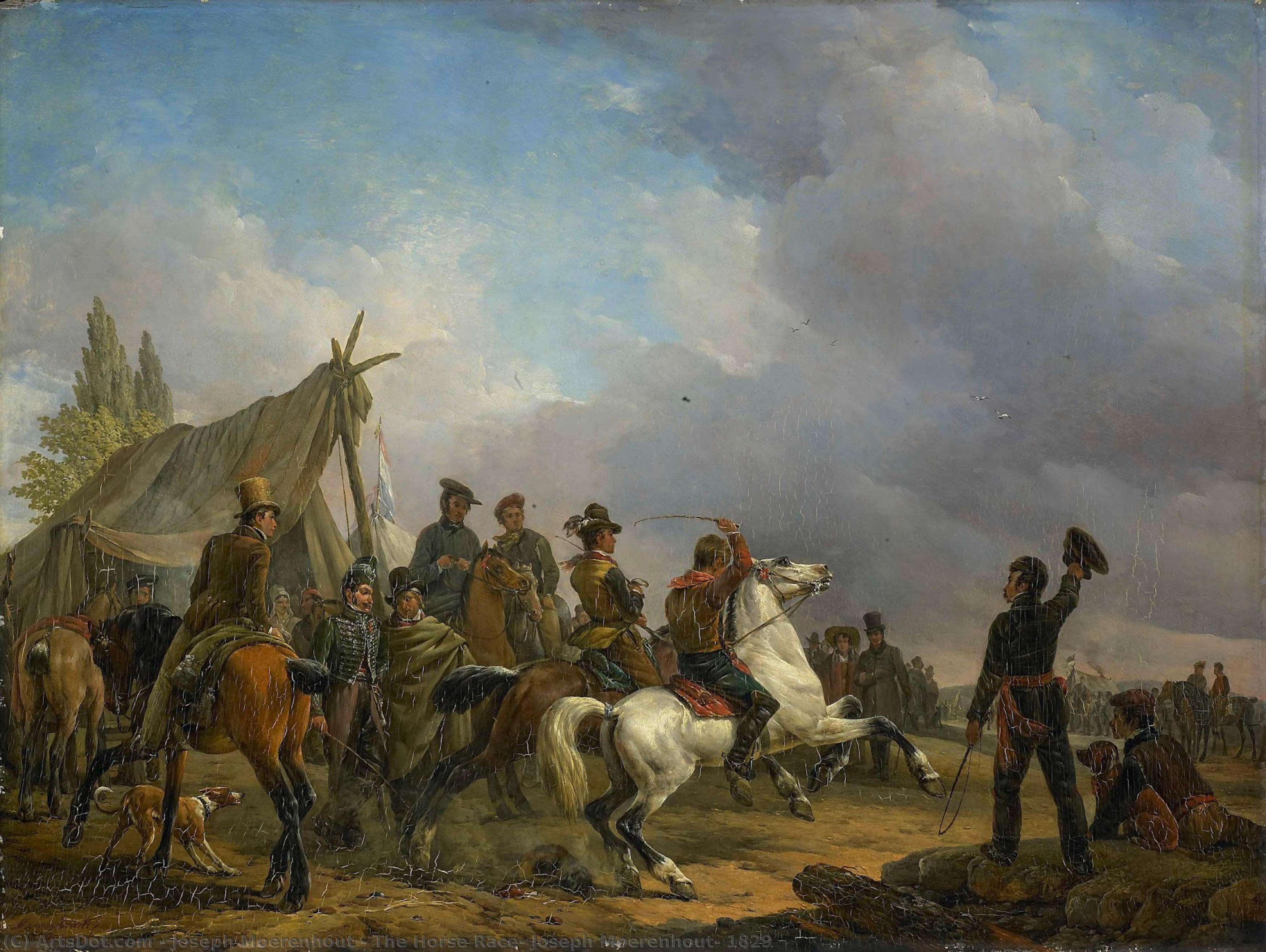
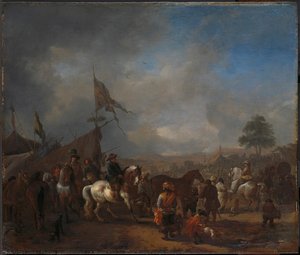
The Horse Race, Joseph Moerenhout, 1829
 1829
1829 50.0 x 66.0 cm
 Weiterlesen
Handgefertigte Ölreproduktion
Handgemaltes Ölgemälde auf Leinwand in Ihrer Wunschgröße und mit Rahmen, auf Bestellung von unseren Künstlern angefertigt. ( Druck bestellen Bild kaufen)




































Wählen Sie aus unseren vordefinierten Formaten, die den ursprünglichen Proportionen des Kunstwerks entsprechen.

Sie können Ihre eigenen Maße eingeben, um einen bestimmten Rahmen oder Platz auszufüllen. Wenn die gewählte Größe nicht den Proportionen des Originalbildes entspricht, werden wir das Kunstwerk entweder beschneiden oder das Gemälde durch zusätzliche, handgemalte Elemente erweitern. Ein digitales Mockup wird Ihnen zur Genehmigung zugesandt, bevor die Produktion beginnt.
Bitte beachten Sie, dass die Bildschirmvorschau nicht die tatsächliche Beschneidung oder Erweiterung widerspiegelt. Nur das Mockup zeigt die endgültige Komposition exakt an.
Obwohl Sondermaße verfügbar sind, empfehlen wir, eine Größe aus der vordefinierten Liste zu wählen, um die ursprünglichen Proportionen beizubehalten.
Nach der Bestellung wird das ArtsDot.com-Team dem Kunden Anweisungen per E-Mail zusenden und eine Mockup-Vorschau bereitstellen.
Weltweiter Versand () in nur 3 bis 4 Wochen statt der üblichen 5 Wochen. (1 September). Keine Kompromisse bei der Qualität.

Kostenloser weltweiter Expressversand

Hochwertige Leinenleinwand

Umfassender Versicherungsschutz beim Versand

Zollgebühren-Rückerstattungsgarantie

Garantie für exakte Farbtreue

60 Tage Rückgaberecht (nur bei Mängeln)

100% Geld-zurück-Garantie

Mengenrabatt verfügbar
 Die Glasoption ist nur für Größen unter 110 cm verfügbar.

The Horse Race, Joseph Moerenhout, 1829
Art der Reproduktion
Format der Reproduktion
-


Gesamtpreis
$ 263
Ähnliche Kunstwerke






Über den Künstler
The Spirit of the Equine: The Life and Art of Joseph Moerenhout
In the heart of the nineteenth century, a period defined by the sweeping romanticism of Europe, the brush of Joseph Jodocus Moerenhout captured the raw energy and noble grace of a world in motion. Born on May 3, 1801, in the quiet village of Ekeren near Antwerp, Moerenhout emerged from the Flemish landscape with a profound sensitivity to the natural world. His early years were steeped in the atmosphere of the post-Napoleonic era, a time when the borders of Europe were shifting and the spirit of adventure was palpable. This sense of movement would become the hallmark of his career, as he transitioned from a student of local masters to an internationally recognized painter of equestrian scenes, beachscapes, and hunting subjects.
Moerenhout’s artistic journey was one of constant movement and profound study. His formal education began in Antwerp under the guidance of H. van der Poorten, where he mastered the foundational techniques of figure and animal depiction. However, it was his travels that truly expanded his visual vocabulary. Seeking to refine his command over light and atmosphere, he journeyed to The Hague, immersing himself in the legacy of the Dutch Golden Age. There, he studied the works of masters like Philips Wouwerman, learning how to imbue animal anatomy with meticulous detail while maintaining a sense of atmospheric depth. This period of study allowed him to blend the precision of Northern European traditions with the burgeoning Romantic movement.
A Fusion of Traditions and Techniques
The true brilliance of Moerenhout’s style lies in his ability to synthesize diverse influences into a singular, cohesive vision. In 1824, his move to Paris marked a pivotal chapter in his development. Under the tutelage of the renowned military and history painter Horace Vernet, Moerenhout learned to infuse his compositions with a sense of drama and narrative tension. The influence of Vernet is most evident in Moerenhout’s spirited portrayals of cavalry and hunts, where the muscularity of the horses and the kinetic energy of the scene seem to leap from the canvas.
Throughout his career, Moerenhout frequently collaborated with other masters of the landscape, creating composite works that were greater than the sum of their parts. During his significant periods living in The Hague between 1831 and 1853, he worked alongside the Romantic landscapist Andreas Schelfhout and the painter Louis Meijer. In these collaborations, Moerenhout provided the specialized expertise of the animalier—the expert depiction of horses—while his colleagues provided expansive, sweeping Dutch scenery. This synergy resulted in breathtaking works that combined meticulous anatomical accuracy with vast, atmospheric horizons, capturing everything from the quiet stillness of a horse stable to the salt-sprayed intensity of a coastal beachscape.
Legacy and Artistic Significance
The legacy of Joseph Moerenhout is etched in the enduring vitality of his subjects. His works were not merely observations of animals, but celebrations of life, strength, and the romanticized connection between man and beast. One of his most celebrated achievements, Le Départ pour la Chasse (1852), serves as a testament to his prestige; this oil panel, depicting the noble preparations for a hunt, was so highly regarded that it was gifted to Queen Victoria and later engraved for publication in London.
As an artist who bridged the gap between the meticulous traditions of the seventeenth-century Dutch masters and the emotive power of nineteenth-century Romanticism, Moerenhout holds a unique position in art history. His ability to capture the fleeting moment—the flared nostril of a racing horse, the spray of a wave, or the quiet shadows of a stable—ensures that his work remains a captivating window into a bygone era of European elegance and natural splendor. He passed away in Antwerp in 1875, leaving behind a body of work that continues to resonate with those moved by the timeless beauty of the animal kingdom and the untamed landscapes of the continent.
Kurzinfos
- Artistic Movement Or Style: Romanticism
- Artists Who Influenced This Artist:
- Philips Wouwerman
- Horace Vernet
- Date Of Birth: May 3, 1801
- Date Of Death: June 11, 1875
- Full Name: Joseph Jodocus Moerenhout
- Nationality: Belgian
- Notable Artworks:
- Horse Stable (c. 1830-40)
- The Horse Race (1829)
- Place Of Birth: Ekeren, Belgium

