 Vorschau anzeigen
 Versenden
 Teilen
 Details anzeigen

 Herunterladen
 Ähnliche Objekte
 Röntgenaufnahme
 Diashow
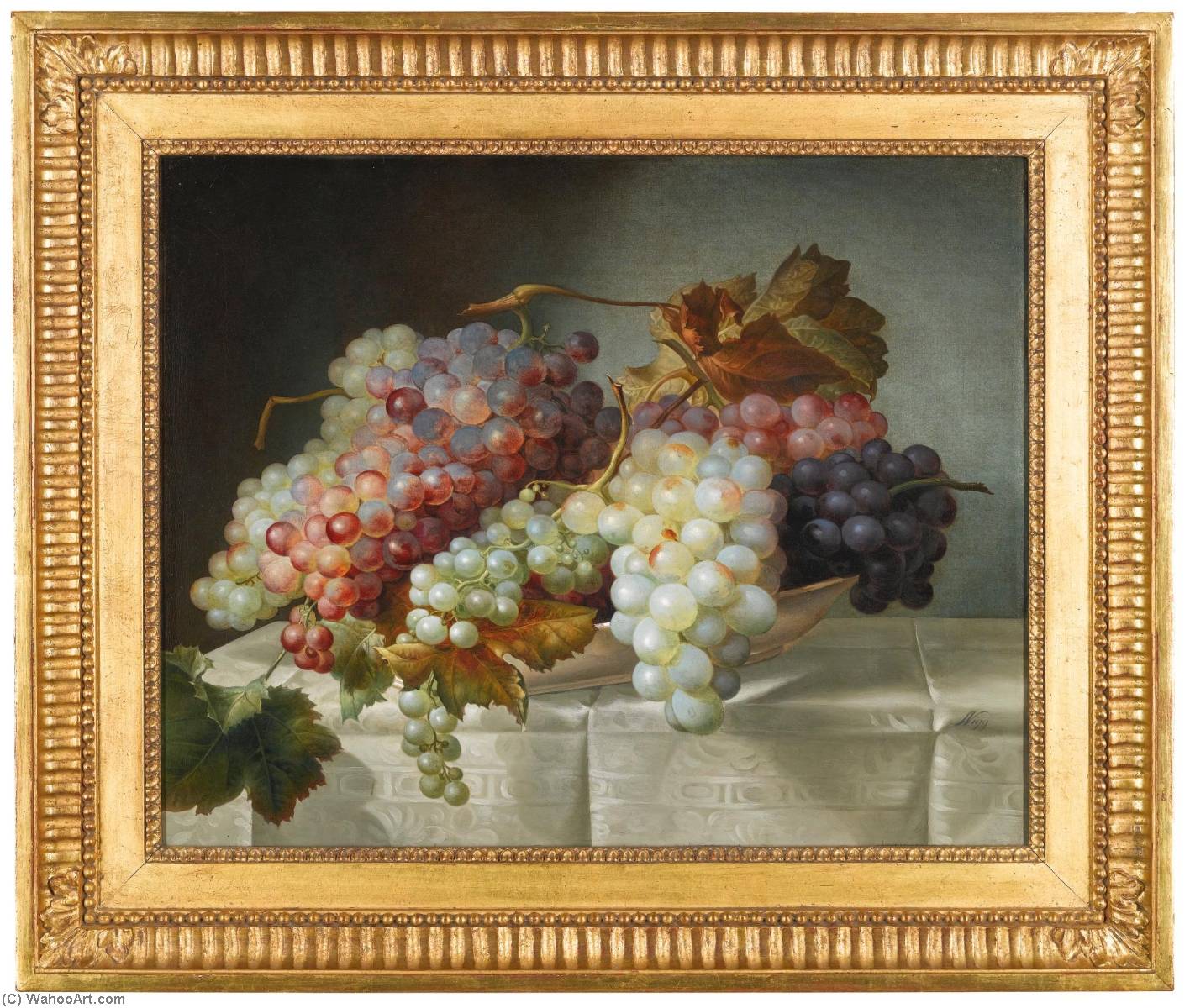
Still life with grapes in a porcelain dish
 39.0 x 48.0 cm
 Weiterlesen
Erwerben Sie ein hochauflösendes, optimiertes digitales Bild, das der Online-Vorschau weit überlegen ist.
Jede Datei wird von unseren hauseigenen Spezialisten mit modernsten Werkzeugen und fachmännischer manueller Retusche sorgfältig vorbereitet. Wir stellen sicher, dass jedes Bild eine außergewöhnliche Klarheit, präzise Farbgenauigkeit und feinste Details aufweist.
Die endgültige Datei wird innerhalb von 72 Stunden per E-Mail zugestellt und ist für den sofortigen Einsatz in professionellen, redaktionellen und Druckumgebungen optimiert. Es handelt sich um dieselbe Qualität, der führende Designstudios, Verlage und Galerien vertrauen.
Digitales Bild
Laden Sie eine hochauflösende Datei für die persönliche Präsentation, den Druck und kreative Projekte herunter. ( Druck bestellen Handgemalte Reproduktion bestellen)
In jeder Bestellung digitaler Bilder enthalten
Professionelle digitale Bereitstellung, garantiert
Wenn Sie sich für ArtsDot.com entscheiden, erhalten Sie nicht nur ein Bild – Sie erhalten ein professionell aufbereitetes digitales Kunstwerk, das mit höchster Präzision erstellt und durch eine Zufriedenheitsgarantie abgesichert wird. Hier ist alles, was automatisch mit Ihrer Bestellung geliefert wird:

Schnelle E-Mail-Zustellung
Ihre hochauflösende digitale Bilddatei wird Ihnen innerhalb von 72 Stunden nach der Bestellung per E-Mail zugestellt – bereit zur sofortigen Verwendung.

KI-optimierte digitale Datei
Ihre Kunstwerke werden professionell mithilfe fortschrittlicher KI-Tools und manueller Bearbeitung optimiert, um maximale Detailtreue, Klarheit und Farbgenauigkeit zu gewährleisten.

Lebenslanger kostenloser Neudruckservice
Datei versehentlich gelöscht oder verloren? Keine Sorge – wir senden sie Ihnen jederzeit kostenlos erneut zu.

Keine Einfuhrgebühren – jemals
Genießen Sie Ihr Kunstwerk sofort ohne Zollgebühren, Einfuhrabgaben oder Versandkosten – digitale Downloads sind immer steuerfrei.

Garantierte Farbtreue
Wir garantieren, dass Ihr digitales Bild mithilfe professioneller Werkzeuge und Farbmanagement die Originalfarben so präzise wie möglich wiedergibt.

60-Tage-Zufriedenheitsgarantie
Sollten Sie mit Ihrem digitalen Bild nicht zufrieden sein, werden wir es überarbeiten oder Ihnen innerhalb von 60 Tagen 100% erstatten – ohne Wenn und Aber.

100% Geld-zurück-Garantie
Nicht zufrieden? Erhalten Sie innerhalb von 60 Tagen nach Erhalt Ihrer digitalen Datei eine vollständige Rückerstattung – ohne Angabe von Gründen.

Rabatte bei Großbestellungen
3 Bilder kaufen, 10% sparen – 5 Bilder kaufen, 15% sparen – Ab 10 Bildern 20% sparen. Ideal für kreative Projekte, Galerien und Agenturen.
Ähnliche Kunstwerke






Biografie des Künstlers
A Life Dedicated to Floral Delicacy: The World of Joseph Nigg
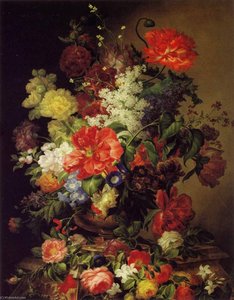
Joseph Nigg, born in Vienna on October 13th, 1782, and passing away in the same city on September 19th, 1863, was a pivotal figure in Austrian Biedermeier painting. While his name might not be as instantly recognizable as some of his contemporaries, Nigg’s contribution to the art of still life – particularly floral arrangements and compositions featuring grapes – remains significant. His career unfolded during a period marked by a shift towards intimacy and domesticity in art, reflecting the values of the burgeoning middle class. He wasn't merely documenting flowers; he was capturing fleeting moments of beauty, imbued with a sense of quiet contemplation that resonated deeply with his audience. Nigg’s artistic journey began with formal training at the Academy of Fine Arts Vienna under Johann Baptist Drechsler, laying the foundation for a career deeply rooted in meticulous observation and technical skill.Early Career and Porcelain Mastery
For over four decades, from 1800 to 1843, Nigg dedicated himself to the art of flower painting within a Viennese porcelain factory. This wasn’t simply a commercial endeavor; it was an immersive apprenticeship in precision and detail. The demands of decorating delicate porcelain surfaces honed his ability to render textures, light, and form with extraordinary accuracy. He didn't just paint *on* porcelain—he became intimately familiar with its unique qualities, understanding how colors interacted with the glaze and how light played across its curves. In 1835, Nigg’s role expanded to include teaching painting at the factory, demonstrating his mastery of the craft and solidifying his position as a respected figure within the artistic community. The rise of the Biedermeier era proved crucial for Nigg's success. This period saw an increased appreciation for domestic scenes, natural beauty, and accessible art forms—precisely what flower painting on porcelain offered. His work wasn’t confined to small decorative pieces; he also created larger plaques showcasing elaborate floral arrangements, demonstrating a growing ambition and artistic scope. A notable achievement during this time was his contribution to the Great Exhibition of 1851 in London, where a thirty-inch high porcelain plaque representing Viennese artistry garnered attention and acclaim.The Flourishing of Oil Painting and Pastel
While renowned for his work on porcelain, Nigg’s talents extended beyond this medium. He also excelled in oil painting, watercolor, and pastel drawing, showcasing versatility and a commitment to exploring different artistic techniques. His oil paintings, often depicting lush bouquets and still lifes with grapes, reveal a refined understanding of composition, color theory, and light manipulation. These works weren't merely copies of nature; they were carefully constructed arrangements designed to evoke specific emotions and aesthetic experiences. The influence of Dutch Golden Age masters is evident in his dramatic lighting and detailed textures, yet Nigg infused these traditions with a distinctly Austrian sensibility—a sense of warmth, intimacy, and quiet elegance. Paintings like “Grandmother’s Bouquet I” and “Grandmother’s Bouquet II” achieved lasting popularity through reproductions, bringing his art into countless homes and solidifying his legacy as a painter of everyday beauty.Influences and Artistic Development
Nigg's artistic development was shaped by several key influences. The meticulous realism of Dutch Golden Age still life painters—artists like Jan van Huysum and Rachel Ruysch—provided a foundational model for his technical approach. He admired their ability to capture the ephemeral beauty of flowers, their mastery of light and shadow, and their attention to detail. However, Nigg wasn’t simply imitating these masters; he adapted their techniques to suit his own aesthetic sensibilities and the cultural context of Biedermeier Austria. The emphasis on domesticity and natural beauty within the Biedermeier movement also played a significant role in shaping his artistic vision. He responded to the growing demand for art that celebrated everyday life, creating works that were both visually appealing and emotionally resonant. His work can be seen as a bridge between the Baroque traditions of the 18th century and the more intimate aesthetic of the Biedermeier period.Legacy and Historical Significance
Joseph Nigg’s legacy lies in his ability to elevate the art of still life to new heights, particularly within the context of Austrian painting. His meticulous technique, refined color palette, and sensitive portrayal of floral arrangements continue to captivate audiences today. While he may not be a household name, his work is represented in prominent museums such as the Museum für Kunst und Industrie in Vienna, the Brera Gallery in Milan, and the Hermitage Museum in St Petersburg—testament to his enduring artistic merit. He embodies the spirit of the Biedermeier era: a dedication to craftsmanship, an appreciation for natural beauty, and a commitment to creating art that resonated with the values of everyday life. His paintings offer a glimpse into a world of quiet contemplation, reminding us of the fleeting moments of beauty that surround us.- Born: October 13th, 1782, Vienna, Austria
- Died: September 19th, 1863, Vienna, Austria
- Style: Biedermeier, Still Life Painting
- Key Subjects: Floral Arrangements, Grapes, Porcelain Decoration