

 Vorschau anzeigen
 Versenden
 Teilen
 Details anzeigen

 Herunterladen
 Ähnliche Objekte
 Röntgenaufnahme
 Diashow
 Stats
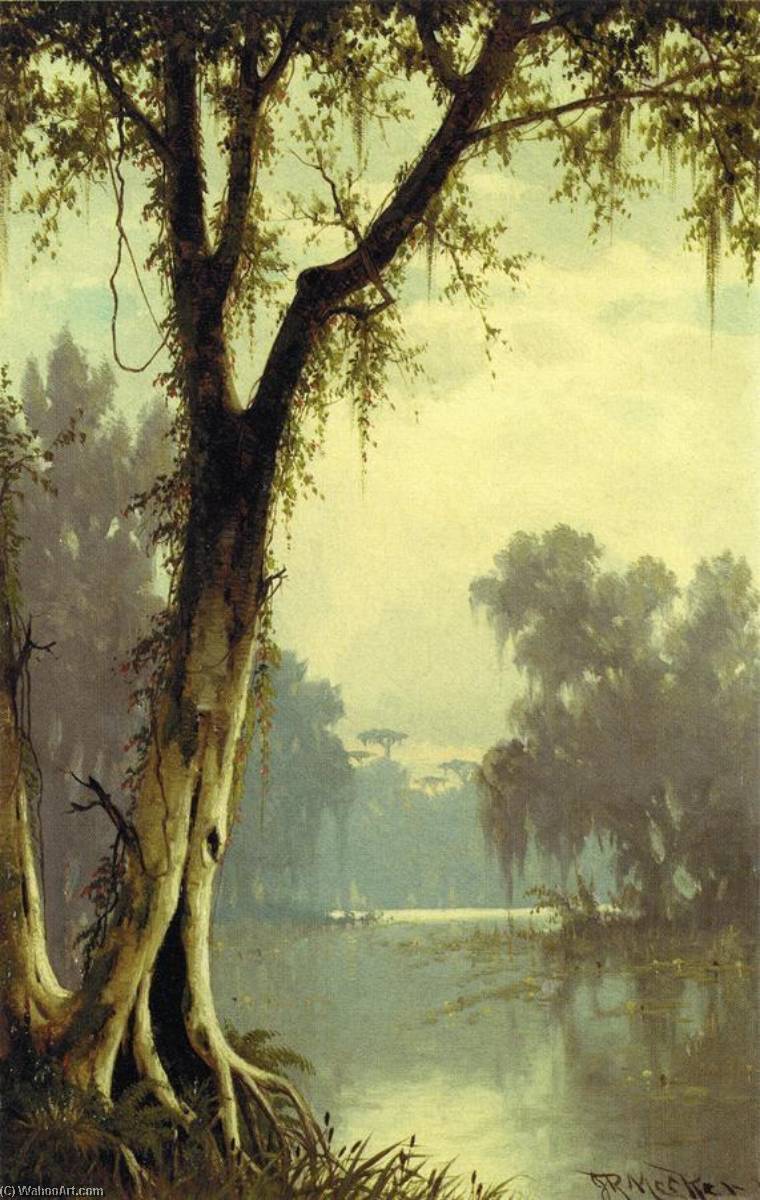
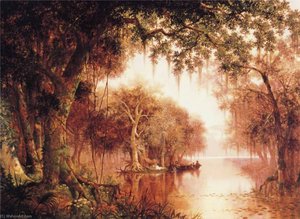
StatsA Louisiana Bayou

 Weiterlesen
Handgefertigte Ölreproduktion
Handgemaltes Ölgemälde auf Leinwand in Ihrer Wunschgröße und mit Rahmen, auf Bestellung von unseren Künstlern angefertigt. ( Switch to Print Switch to Digital Image)




































Wählen Sie aus unseren vordefinierten Formaten, die den ursprünglichen Proportionen des Kunstwerks entsprechen.

Sie können Ihre eigenen Maße eingeben, um einen bestimmten Rahmen oder Platz auszufüllen. Wenn die gewählte Größe nicht den Proportionen des Originalbildes entspricht, werden wir das Kunstwerk entweder beschneiden oder das Gemälde durch zusätzliche, handgemalte Elemente erweitern. Ein digitales Mockup wird Ihnen zur Genehmigung zugesandt, bevor die Produktion beginnt.
Bitte beachten Sie, dass die Bildschirmvorschau nicht die tatsächliche Beschneidung oder Erweiterung widerspiegelt. Nur das Mockup zeigt die endgültige Komposition exakt an.
Obwohl Sondermaße verfügbar sind, empfehlen wir, eine Größe aus der vordefinierten Liste zu wählen, um die ursprünglichen Proportionen beizubehalten.
Nach der Bestellung wird das ArtsDot.com-Team dem Kunden Anweisungen per E-Mail zusenden und eine Mockup-Vorschau bereitstellen.
Weltweiter Versand () in nur 3 bis 4 Wochen statt der üblichen 5 Wochen. (8 September). Keine Kompromisse bei der Qualität.

Kostenloser weltweiter Expressversand

Hochwertige Leinenleinwand

Umfassender Versicherungsschutz beim Versand

Zollgebühren-Rückerstattungsgarantie

Garantie für exakte Farbtreue

100-Tage-Rückgaberecht (nur bei Mängeln)

100% Geld-zurück-Garantie

Mengenrabatt verfügbar
 Die Glasoption ist nur für Größen unter 110 cm verfügbar.

A Louisiana Bayou
Art der Reproduktion
Format der Reproduktion
-


Gesamtpreis
$ 263
Ähnliche Kunstwerke


Über den Künstler
Joseph Rusling Meeker: The Soul of the Louisiana Bayou
The American landscape painter Joseph Rusling Meeker, born in Newark, New Jersey, in 1827 and passing away in St. Louis, Missouri, in 1889, remains a captivating figure within the broader narrative of 19th-century American art. While not a native of Louisiana, his artistic legacy is inextricably linked to the state’s unique and evocative bayou landscapes – a connection forged during his service as a Union Navy paymaster along the Mississippi River during the Civil War. Meeker didn't simply paint what he saw; he captured an atmosphere, a mood, a sense of profound mystery that has resonated with viewers for over a century. His work stands as a testament to the power of observation and the ability to translate subjective experience onto canvas, firmly establishing him as one of the foremost interpreters of Louisiana’s romantic landscape.
Early Life and Artistic Foundations
Meeker's artistic journey began in Auburn, New York, where he received informal instruction from his uncle and grandfather, both artists. This early exposure instilled within him a deep appreciation for the visual arts. He subsequently enrolled at the National Academy of Design in New York City in 1845, studying under the esteemed Asher B. Durand, a leading figure of the Hudson River School. Durand’s influence is evident in Meeker's early works – a meticulous attention to detail, a respect for naturalism, and an interest in depicting grand landscapes. However, New York City proved too restrictive for his artistic aspirations, and he sought opportunities elsewhere. A brief return to Auburn was followed by periods spent in Buffalo, New York, honing his skills and experimenting with different styles before ultimately settling in Louisville, Kentucky, where he established a studio and began offering art lessons.
The Mississippi Years: Witnessing and Interpreting the Bayou
It was during his service as a paymaster on a Union gunboat patrolling the Mississippi River that Meeker’s artistic vision truly took shape. Far removed from the bustling cityscapes of New York or Louisville, he found himself immersed in the humid, shadowed world of the Louisiana bayou – a realm of cypress trees draped with moss, murky waterways teeming with life, and an atmosphere thick with both beauty and melancholy. This period proved transformative; Meeker began sketching relentlessly, capturing not just the physical appearance of the landscape but also its intangible qualities—the sense of isolation, the weight of history, and the quiet dignity of nature. These sketches formed the foundation for his most celebrated works, imbued with a distinctly Romantic sensibility.
Luminism and the Influence of Longfellow
Upon returning to St. Louis in 1859, Meeker established himself as a respected landscape painter, quickly gaining recognition for his evocative depictions of the Louisiana bayou. His style evolved into what art historians now recognize as Luminism – an approach characterized by its emphasis on capturing the interplay of light and shadow, creating a sense of atmosphere and mood rather than simply rendering a literal representation of the scene. This influence is particularly evident in works like “The Land of Evangeline,” inspired by Henry Wadsworth Longfellow’s epic poem of the same name, which tells the story of Acadian exiles resettled in Louisiana. Meeker's paintings weren’t merely illustrations; they were imbued with the poem’s themes of displacement, longing, and the enduring beauty of the natural world. The hazy, almost dreamlike quality of his canvases—the dappled sunlight filtering through the cypress trees, the muted colors reflecting the humid atmosphere—perfectly captured the spirit of Longfellow's narrative.
Legacy and Historical Significance
Joseph Rusling Meeker’s contribution to American art lies not in grand historical narratives or revolutionary techniques, but rather in his ability to evoke a powerful emotional response through his paintings. He elevated the humble bayou landscape into an object of artistic contemplation, revealing its inherent beauty and profound sense of mystery. His work stands as a poignant reminder of the human connection to nature—a connection that was particularly resonant during the tumultuous era of the Civil War. Meeker’s legacy endures through his evocative paintings, which continue to captivate viewers with their atmospheric quality and timeless appeal. He remains a key figure in understanding the development of Luminism and the Romantic tradition in American art, forever linked to the soul of the Louisiana bayou.
joseph rusling meeker
1827 - 1889
Kurzinfos
- Artistic Movement Or Style: Luminism, Louisiana Bayou Art
- Artists Or Movements Influenced By This Artist:
- Hudson River School
- Romanticism
- Artists Who Influenced This Artist:
- Asher B. Durand
- Charles Loring Elliott
- Date Of Birth: April 21, 1827
- Date Of Death: September 27, 1887
- Full Name: Joseph Rusling Meeker
- Nationality: American
- Notable Artworks:
- The Land of Evangeline
- Sunset
- The Acadians in the Atchafalaya
- Place Of Birth: Newark, New Jersey