

 Vorschau anzeigen
 Versenden
 Teilen
 Details anzeigen

 Herunterladen
 Ähnliche Objekte
 Röntgenaufnahme
 Diashow
 Stats
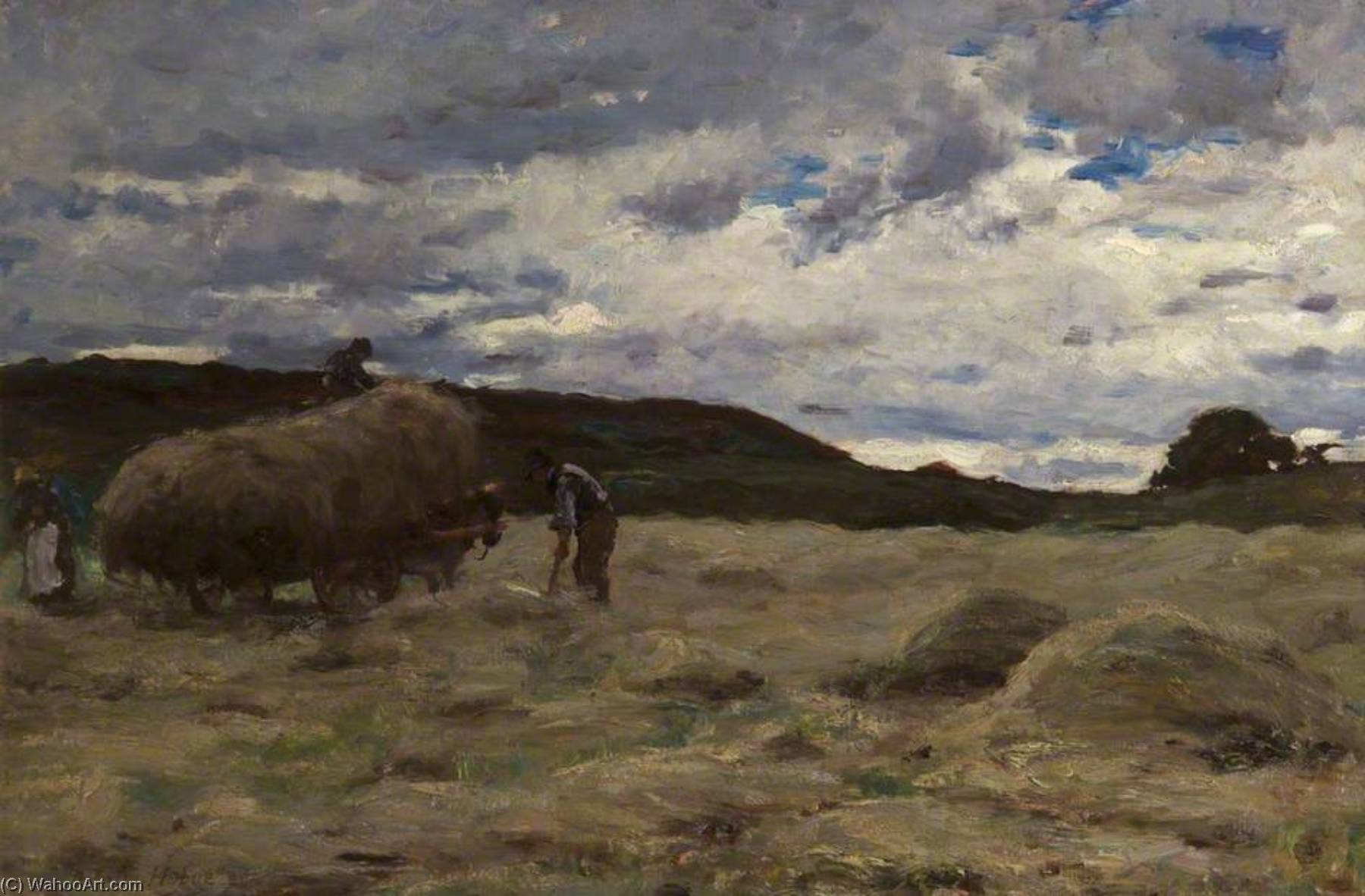
StatsCarting Hay
 50.0 x 75.0 cm
 Salford Museum - Kunstgalerie
 Weiterlesen
Erwerben Sie ein hochauflösendes, optimiertes digitales Bild, das der Online-Vorschau weit überlegen ist.
Jede Datei wird von unseren hauseigenen Spezialisten mit modernsten Werkzeugen und fachmännischer manueller Retusche sorgfältig vorbereitet. Wir stellen sicher, dass jedes Bild eine außergewöhnliche Klarheit, präzise Farbgenauigkeit und feinste Details aufweist.
Die endgültige Datei wird innerhalb von 72 Stunden per E-Mail zugestellt und ist für den sofortigen Einsatz in professionellen, redaktionellen und Druckumgebungen optimiert. Es handelt sich um dieselbe Qualität, der führende Designstudios, Verlage und Galerien vertrauen.
Digitales Bild
Laden Sie eine hochauflösende Datei für die persönliche Präsentation, den Druck und kreative Projekte herunter. ( Switch to Print Handgemalte Reproduktion bestellen)
In jeder Bestellung digitaler Bilder enthalten
Professionelle digitale Bereitstellung, garantiert
Wenn Sie sich für ArtsDot.com entscheiden, erhalten Sie nicht nur ein Bild – Sie erhalten ein professionell aufbereitetes digitales Kunstwerk, das mit höchster Präzision erstellt und durch eine Zufriedenheitsgarantie abgesichert wird. Hier ist alles, was automatisch mit Ihrer Bestellung geliefert wird:

Schnelle E-Mail-Zustellung
Ihre hochauflösende digitale Bilddatei wird Ihnen innerhalb von 72 Stunden nach der Bestellung per E-Mail zugestellt – bereit zur sofortigen Verwendung.

KI-optimierte digitale Datei
Ihre Kunstwerke werden professionell mithilfe fortschrittlicher KI-Tools und manueller Bearbeitung optimiert, um maximale Detailtreue, Klarheit und Farbgenauigkeit zu gewährleisten.

Lebenslanger kostenloser Neudruckservice
Datei versehentlich gelöscht oder verloren? Keine Sorge – wir senden sie Ihnen jederzeit kostenlos erneut zu.

Keine Einfuhrgebühren – jemals
Genießen Sie Ihr Kunstwerk sofort ohne Zollgebühren, Einfuhrabgaben oder Versandkosten – digitale Downloads sind immer steuerfrei.

Garantierte Farbtreue
Wir garantieren, dass Ihr digitales Bild mithilfe professioneller Werkzeuge und Farbmanagement die Originalfarben so präzise wie möglich wiedergibt.

100-Tage-Zufriedenheitsgarantie
Wenn Sie mit Ihrem digitalen Bild nicht zufrieden sind, werden wir es überarbeiten oder 100% innerhalb von 100 Tagen erstatten – ohne Wenn und Aber.

100% Geld-zurück-Garantie
Nicht zufrieden? Erhalten Sie innerhalb von 100 Tagen nach Erhalt Ihrer digitalen Datei eine vollständige Rückerstattung – ohne Wenn und Aber.

Rabatte bei Großbestellungen
3 Bilder kaufen, 10% sparen – 5 Bilder kaufen, 15% sparen – Ab 10 Bildern 20% sparen. Ideal für kreative Projekte, Galerien und Agenturen.
Ähnliche Kunstwerke








Biografie des Künstlers
Joshua Anderson Hague: A Victorian Master of Welsh Landscapes
Joshua Anderson Hague (1850–1916) stands as a significant, yet often underappreciated, figure in 19th-century British art. Recognized primarily for his evocative depictions of the Welsh countryside – particularly the Conwy Valley – Hague’s work represents a pivotal moment in landscape painting, bridging the gap between academic tradition and a more expressive, painterly approach. Born in Rusholme, Manchester, to Jonathan Hague and Mary Henshall (née Anderson), his early life was marked by a significant physical trauma: at the age of seven, he suffered a severe injury to his right hand following an explosion involving a pistol. Despite this debilitating accident, which necessitated leaving school at thirteen, Hague demonstrated remarkable resilience and pursued his artistic ambitions with unwavering determination.Early Influences and Artistic Training
Hague’s formal art education began at the Manchester School of Fine Arts, where he honed his skills under a more rigid, academic system. However, disillusioned by what he perceived as restrictive teaching methods, along with five fellow students, he staged a dramatic departure in 1873, forming their own independent artistic collective. This act of rebellion signaled a rejection of the established norms and a commitment to exploring new avenues of expression. The group sought inspiration from the Barbizon School painters of France, who championed a direct, observational approach to nature, prioritizing capturing the essence of light and atmosphere over meticulous detail. They embraced a looser brushstroke and a more emotive palette, laying the groundwork for what would become known as the “Manchester School” of painting. This period also saw Hague’s immersion in the artistic community of Pont-Aven in Brittany, France, where he spent the summer of 1872, absorbing the techniques and philosophies of established artists like Gustave Courbet and Jean-François Millet.The Rise of a Welsh Visionary
In 1878, Hague made a decisive shift, relocating to North Wales with his wife, Sarah Henshall. This move proved profoundly influential, providing him with the ideal subject matter for his artistic vision – the dramatic landscapes and picturesque villages of the Conwy Valley. He established a home in Deganwy, creating a haven where he could dedicate himself entirely to painting. The rugged beauty of the Welsh terrain, its rolling hills, meandering streams, and dramatic skies, provided an endless source of inspiration. Hague’s paintings are characterized by their vibrant colors, dynamic compositions, and skillful rendering of light and shadow – capturing not just the visual appearance of the landscape but also its inherent mood and atmosphere. He became a founding member and later vice president of the Royal Cambrian Academy of Art in 1882, further solidifying his position as a leading figure in Welsh art.Technique and Style: The Manchester School’s Distinctive Approach
Hague's style is often categorized within the broader “Manchester School” of painting, though he possessed a unique voice within that movement. His technique was characterized by a bold, expressive use of color and a distinctive application of paint – notably his preference for using a palette knife to apply thick layers of pigment directly to the canvas, rather than relying solely on brushes. This approach created a textured surface and a sense of immediacy, conveying a feeling of spontaneity and energy. His compositions frequently featured dramatic skies, reflecting the changeable weather patterns of North Wales, and he skillfully depicted the interplay of light and shadow across the landscape. Hague’s work is not simply a representation of scenery; it's an emotional response to the beauty and power of nature.Legacy and Recognition
Joshua Anderson Hague died in 1916 at his home in Deganwy, leaving behind a substantial body of work that continues to be admired for its evocative qualities and its contribution to the development of British landscape painting. His paintings are held in numerous public collections throughout Britain, including the Manchester City Art Gallery, where a memorial exhibition was held three years after his death, showcasing 97 of his works. Hague’s influence extended beyond his own artistic output; he played a key role in fostering a vibrant artistic community in North Wales and helped to establish the Royal Cambrian Academy as a center for artistic innovation. His legacy endures as a testament to the power of observation, the importance of artistic independence, and the enduring appeal of the Welsh countryside.
joshua anderson hague
1850 - 1916
Kurzinfos
- Artistic Movement Or Style: Victorian landscape painting
- Artists Or Movements Influenced By This Artist: ['Manchester School']
- Artists Who Influenced This Artist: ['Pont-Aven artists']
- Date Of Birth: June 17, 1850
- Date Of Death: 1916
- Full Name: Joshua Anderson Hague
- Nationality: British
- Notable Artworks:
- Bathers
- Evening at Tal-y-Cafyn
- Orchard at Roe Wen
- Place Of Birth: Rusholme, Manchester, England