

 Vorschau anzeigen
 Versenden
 Teilen
 Details anzeigen

 Herunterladen
 Ähnliche Objekte
 Röntgenaufnahme
 Diashow
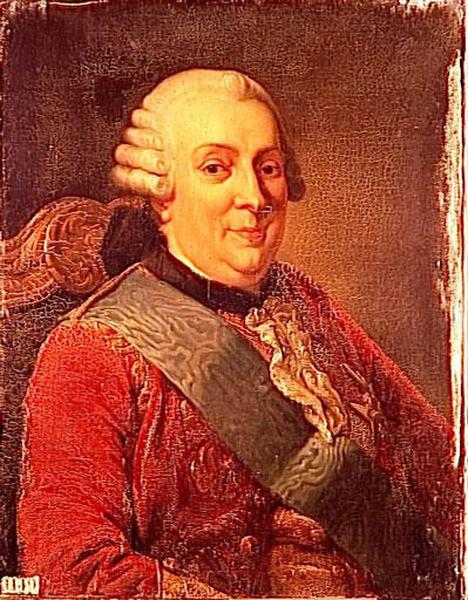
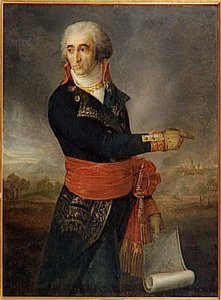
JOSEPH HENRI BOUCHARD D'ESPARBES DE LUSSAN, MARQUIS D'AUBETERRE, MARECHAL DE FRANCE (1716 1790)

 Weiterlesen
Handgefertigte Ölreproduktion
Handgemaltes Ölgemälde auf Leinwand in Ihrer Wunschgröße und mit Rahmen, auf Bestellung von unseren Künstlern angefertigt. ( Druck bestellen Bild kaufen)




































Wählen Sie aus unseren vordefinierten Formaten, die den ursprünglichen Proportionen des Kunstwerks entsprechen.

Sie können Ihre eigenen Maße eingeben, um einen bestimmten Rahmen oder Platz auszufüllen. Wenn die gewählte Größe nicht den Proportionen des Originalbildes entspricht, werden wir das Kunstwerk entweder beschneiden oder das Gemälde durch zusätzliche, handgemalte Elemente erweitern. Ein digitales Mockup wird Ihnen zur Genehmigung zugesandt, bevor die Produktion beginnt.
Bitte beachten Sie, dass die Bildschirmvorschau nicht die tatsächliche Beschneidung oder Erweiterung widerspiegelt. Nur das Mockup zeigt die endgültige Komposition exakt an.
Obwohl Sondermaße verfügbar sind, empfehlen wir, eine Größe aus der vordefinierten Liste zu wählen, um die ursprünglichen Proportionen beizubehalten.
Nach der Bestellung wird das ArtsDot.com-Team dem Kunden Anweisungen per E-Mail zusenden und eine Mockup-Vorschau bereitstellen.
Weltweiter Versand () in nur 3 bis 4 Wochen statt der üblichen 5 Wochen. (23 August). Keine Kompromisse bei der Qualität.

Kostenloser weltweiter Expressversand

Hochwertige Leinenleinwand

Umfassender Versicherungsschutz beim Versand

Zollgebühren-Rückerstattungsgarantie

Garantie für exakte Farbtreue

60 Tage Rückgaberecht (nur bei Mängeln)

100% Geld-zurück-Garantie

Mengenrabatt verfügbar
 Die Glasoption ist nur für Größen unter 110 cm verfügbar.

JOSEPH HENRI BOUCHARD D'ESPARBES DE LUSSAN, MARQUIS D'AUBETERRE, MARECHAL DE FRANCE (1716 1790)
Art der Reproduktion
Format der Reproduktion
-


Gesamtpreis
$ 263
Ähnliche Kunstwerke
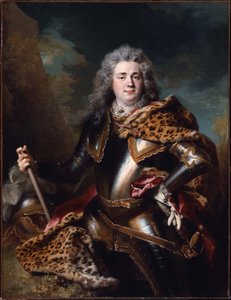
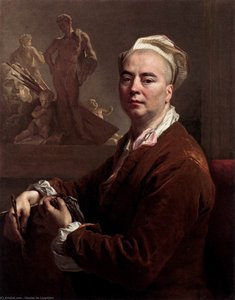
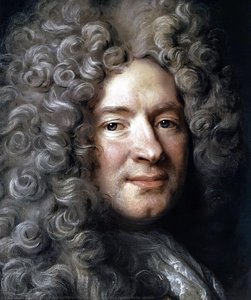
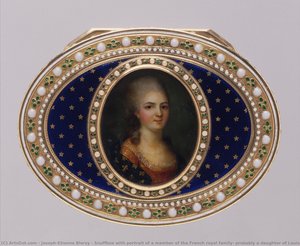
Über den Künstler
The Shadowed Brilliance of Joseph Nicolas Jouy
Joseph Nicolas Jouy, a name perhaps less familiar than his contemporaries in the vibrant salons of 18th-century France, nevertheless possessed a singular and profoundly moving artistic vision. Born in 1809, he navigated a world grappling with revolution and the rise of Romanticism, channeling these turbulent currents into paintings that resonate with an unsettling beauty – a blend of Baroque drama and nascent psychological depth. His life was inextricably linked to his wife, Anne Louise Brillon de Jouy, a remarkable musician and composer in her own right, whose influence subtly shaped his artistic sensibilities. Their shared intellectual curiosity and appreciation for the dramatic fueled a creative partnership that produced works both intensely personal and remarkably insightful. While often overshadowed by the more flamboyant figures of the era, Jouy’s legacy lies in his ability to capture fleeting moments of human emotion with an unnerving honesty, revealing the vulnerability beneath carefully constructed facades. Jouy's early artistic training remains somewhat shrouded in mystery, though it is believed he studied under Henry Barbet de Jouy, a prominent figure in French art history and a curator at the Louvre. This mentorship undoubtedly instilled within him a deep understanding of classical techniques and a keen eye for detail – elements that would later inform his distinctive style. However, it was through his own experiences, particularly during the tumultuous years of the Revolution and Napoleonic era, that Jouy truly found his voice. He witnessed firsthand the brutality of political upheaval and the profound psychological impact of war, themes that would permeate much of his work. His paintings weren’t simply depictions of historical events; they were explorations of human suffering, loss, and the enduring struggle for survival.A Palette of Emotion: Style and Technique
Jouy's artistic style is immediately recognizable by its dramatic lighting, rich color palettes, and a tendency towards melancholic introspection. He masterfully employed chiaroscuro – the stark contrast between light and shadow – to create an atmosphere of heightened emotional intensity. His figures are often rendered with meticulous detail, capturing every nuance of expression, from the weary resignation in a soldier’s eyes to the desperate plea of a captive. Unlike many of his contemporaries who favored idealized representations of beauty, Jouy frequently depicted subjects in states of distress or vulnerability, refusing to shy away from uncomfortable truths. His brushwork is loose and expressive, conveying a sense of immediacy and urgency – as if he were attempting to capture a fleeting moment before it vanished forever. He was particularly known for his ability to portray the psychological state of his subjects, imbuing them with an almost palpable sense of inner turmoil.Notable Works: Scenes of Turmoil and Reflection
Among Jouy’s most compelling works are “The Torture of Urbain Grandier,” a harrowing depiction of the execution of a prominent Huguenot minister during the Reign of Terror, and "Combat de Heilsberg," a dramatic portrayal of the Battle of Heilsberg in 1807. These paintings aren't mere historical records; they’re visceral experiences that force the viewer to confront the horrors of war and the devastating consequences of political violence. “The Torture of Urbain Grandier” is particularly striking for its unflinching portrayal of suffering, capturing the raw emotion of a condemned man facing his fate. Similarly, “Combat de Heilsberg” conveys the chaos and brutality of battle with remarkable realism, showcasing the human cost of conflict. Beyond these monumental works, Jouy produced numerous portraits – often characterized by their psychological depth and subtle expressions of inner turmoil – and historical scenes that offered poignant commentaries on the era’s social and political landscape.Legacy and Influence
Despite not achieving widespread fame during his lifetime, Joseph Nicolas Jouy's influence has steadily grown in recent decades. His paintings are now recognized for their profound emotional resonance and their unique blend of Baroque drama and Romantic introspection. He is considered a key figure in the development of French art history, bridging the gap between the classical traditions of the 18th century and the expressive innovations of the 19th. His willingness to confront difficult subjects with honesty and sensitivity paved the way for later artists who sought to explore the complexities of human experience. Furthermore, his work continues to resonate with contemporary audiences, reminding us of the enduring power of art to illuminate the darkest corners of the human condition. The rediscovery of his oeuvre has cemented his place as a significant, albeit often overlooked, voice in the history of French painting.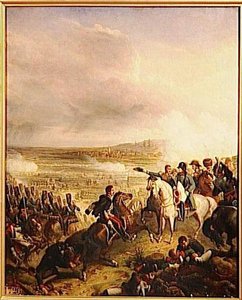
jouy joseph nicolas
1809 - 1880
Kurzinfos
- Artistic Movement Or Style: Baroque Painting
- Artists Or Movements Influenced By This Artist: ['Baroque France']
- Artists Who Influenced This Artist: ['Henry Barbet de Jouy']
- Date Of Birth: 1809
- Date Of Death: 1880
- Full Name: Joseph Nicolas Jouy
- Nationality: French
- Notable Artworks:
- The Torture of Urbain Grandier
- Combat de Heilsberg
- Place Of Birth: Paris, France
Ähnliche Artikel
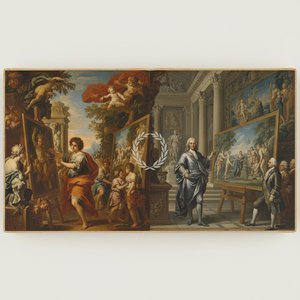
Simon Vouet: Vom italienischen Barock zum französischen Klassizismus – Eine künstlerische Reise
Entdecken Sie das Leben und Werk von Simon Vouet, dem Pionier des italienischen Barock in Frankreich! Erfahren Sie mehr über seinen künstlerischen Werdegang, seine wichtigsten Gemälde und seinen nachhaltigen Einfluss auf die französische Malerei. Jetzt lesen!

Barocke Pracht: Wie Sie Opulenz und Emotionen in zeitgenössische Innenräume bringen
Entdecken Sie die Pracht des Barock! Expertenratgeber für luxuriöse Innenräume mit barocken Elementen. Inspiration, Tipps & hochwertige Kunst bei .
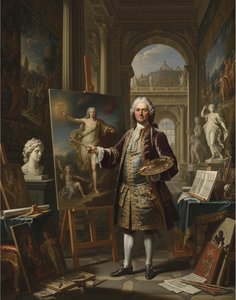
Charles Le Brun: Master of French Baroque Classicism & His Enduring Legacy
Explore the life & art of Charles Le Brun, master of French Baroque Classicism. Discover his royal commissions, influence on Versailles, and enduring legacy through detailed analysis & stunning artworks.

The Dramatic Flourish: Exploring the Baroque Movement's Enduring Legacy in Art History
Explore the dramatic world of Baroque art! Discover iconic artists like Caravaggio & Rubens, defining techniques, and its lasting impact on art history. Expert insights for collectors & enthusiasts at ArtsDot.

Barock Meisterwerke: Die 10 prägendsten Kunstwerke für Ihr Zuhause |
Entdecken Sie die 10 prägendsten Meisterwerke des Barock! Caravaggio, Rembrandt & Co. – Erfahren Sie die Geschichten hinter ikonischen Gemälde und finden Sie hochwertige Kunst Reproduktionen für Ihr Zuhause auf .

