 Vorschau anzeigen
 Versenden
 Teilen
 Details anzeigen

 Herunterladen
 Ähnliche Objekte
 Röntgenaufnahme
 Diashow
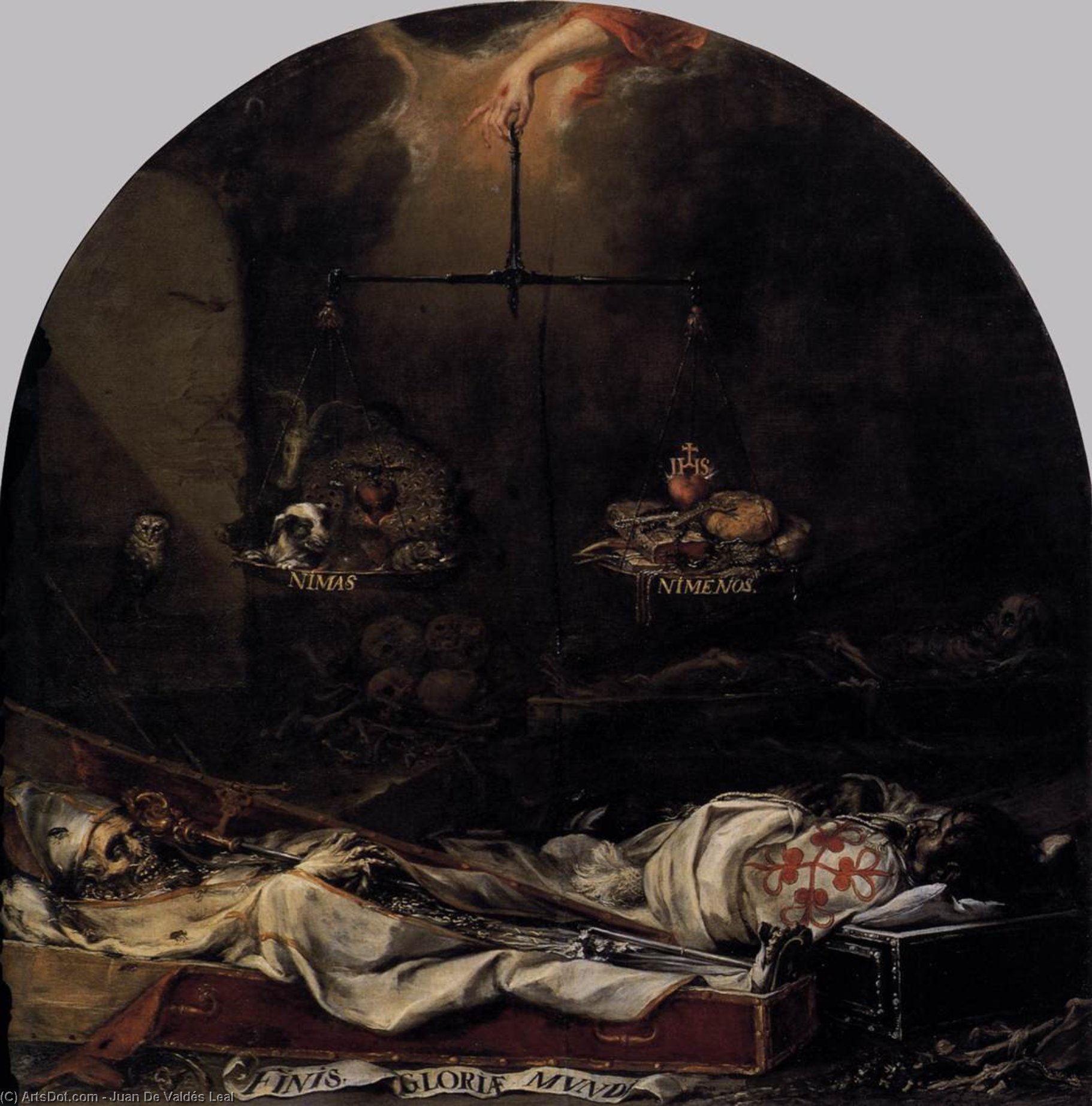
Finis Gloriae Mundi
 Acrylic On Canvas
- WallArt
- Baroque
 1670
1670 220.0 x 216.0 cm
 Hospital de la Caridad
 Weiterlesen
Giclée / Kunstdruck
Giclée- oder Leinwanddruck in Museumsqualität mit schneller Produktion und flexiblen Veredelungsoptionen. ( Handgemalte Reproduktion bestellen Bild kaufen)




P118B $10

P118H $10

P118W $10

P438Z $10

P508JH $12

P508YH $12

P805H $10

P805Z $10

P919BZ $10

P919G $10

P919XJ $10

P959ZH $10

P968JZ $12

W106C $8

W218G $10

W218JH $8

W218Y $10

W307PJ $10

W316G $10

W316PJ $8

W316Y $10

W398PJ $8

W4111J $10

W500HY $15

W500JH $15

W692G $12

W849H $8

W940BG $15

W953PJ $8




Wählen Sie aus unseren vordefinierten Formaten, die den ursprünglichen Proportionen des Kunstwerks entsprechen.

Sie können Ihre eigenen Maße eingeben, um ein bestimmtes Format oder einen speziellen Platz einzupassen. Wenn das von Ihnen gewählte Format nicht den Proportionen des Originalbildes entspricht, werden wir das Kunstwerk entweder beschneiden oder das Bild mit einem gespiegelten oder einfarbigen Rand erweitern. Ein digitaler Entwurf wird Ihnen zur Genehmigung zugesandt, bevor die Produktion beginnt.
Bitte beachten Sie, dass die Vorschau auf dem Bildschirm nicht den tatsächlichen Zuschnitt oder die Erweiterung widerspiegelt. Nur der Entwurf zeigt die endgültige Komposition präzise an.
Obwohl Sondermaße verfügbar sind, empfehlen wir die Auswahl eines Maßes aus der vordefinierten Liste, um die ursprünglichen Proportionen zu bewahren.
Weltweiter Versand () innerhalb von 2 Wochen statt der üblichen 4/5 Wochen. (23 August)

Kostenloser weltweiter Expressversand

Hochwertige Leinenleinwand

Umfassender Versicherungsschutz beim Versand

Zollgebühren-Rückerstattungsgarantie

Garantie für exakte Farbtreue

60 Tage Rückgaberecht (nur bei Mängeln)

100% Geld-zurück-Garantie

Mengenrabatt verfügbar
 Die Glasoption ist nur für Größen unter 110 cm verfügbar.

Finis Gloriae Mundi
Giclée / Kunstdruck
Format der Reproduktion
-


Gesamtpreis
$ 62
Sammlerstück-Beschreibung
The Weight of Mortality: Juan de Valdés Leal’s *Finis Gloriae Mundi*
Juan de Valdés Leal's 1670 painting, *Finis Gloriae Mundi* (End of Worldly Glory), is not merely a depiction of death; it’s a profound meditation on the ephemeral nature of existence, rendered with a stark and unsettling beauty. Commissioned for the Hospital de la Claridad in Seville during a period of immense social upheaval – marked by plague outbreaks and religious fervor – the work transcends its immediate setting to offer a universal reflection on human vanity and the inevitability of decay. Leal, a master of the Baroque era, expertly employs dramatic chiaroscuro, a technique deeply rooted in the Counter-Reformation’s desire to evoke emotional intensity, to amplify the painting's somber message.
The scene unfolds within a modestly furnished chamber – a bed, a chair, and a table bearing simple objects: a book, a cup, and a bird perched on what appears to be a piece of wood. These earthly possessions, arranged with meticulous detail, immediately establish the painting’s central theme: the futility of material pursuits. However, it is not the objects themselves that draw attention, but their context – the decaying bodies sprawled across the floor. Two corpses, rendered in exquisite anatomical realism, dominate the foreground. One, a bishop draped in ecclesiastical robes, lies amidst insects and dust, symbolizing the corruption and ultimate insignificance of worldly power. The other, a knight clad in armor, represents the ideals of chivalry and military glory, now reduced to a state of lifelessness.
Symbolism and the Vanitas Tradition
Leal’s work is firmly embedded within the *Vanitas* tradition – a genre that flourished during the 17th century, characterized by its deliberate inclusion of symbols representing mortality, decay, and the transience of earthly pleasures. The carefully chosen elements—the decaying bodies, the insects, the extinguished flame (implied in the bird’s position), and even the dust motes suspended in the air – all contribute to this overarching message. The skull, subtly incorporated into the composition, serves as a stark reminder of death's ultimate dominion. The inclusion of clocks, visible in the upper corners, further emphasizes the relentless passage of time and the fleeting nature of human life. These aren’t simply decorative elements; they are potent symbols of the vanity of earthly ambition.
The balance scale, positioned prominently in the scene, is a key visual device. It represents the judgment of souls – a common motif in religious art of the period. On one side, we find objects associated with worldly success and honor: a book (representing knowledge), a cup (symbolizing indulgence), and a heart adorned with letters—likely representing virtues or perhaps even sins. On the other side, however, are symbols of decay and corruption: a pig (representing gluttony), a goat (suggesting lust), a peacock (signifying pride), and a dog (symbolizing wrath). The equilibrium of the scale suggests that earthly achievements ultimately lead to damnation, while virtuous actions—however small—are necessary for salvation.
Contextualizing the Painting: Seville in the 17th Century
To fully appreciate *Finis Gloriae Mundi*, it’s crucial to understand the historical context in which it was created. Seville, during the late 17th century, was a city grappling with profound social and religious changes. The devastating Great Plague of 1647-1652 decimated the population, exposing the fragility of life and prompting a renewed focus on mortality. Simultaneously, the Counter-Reformation demanded that the Catholic Church reaffirm its authority and combat the spread of Protestantism. Leal’s painting reflects this atmosphere of anxiety and spiritual urgency – a poignant reminder of the impermanence of earthly glory in the face of divine judgment.
A Timeless Meditation on Human Existence
*Finis Gloriae Mundi* is more than just a historical artifact; it's a deeply moving meditation on the human condition. Leal’s masterful use of light, shadow, and symbolism creates an intensely emotional experience for the viewer, prompting reflection on our own mortality and the values we prioritize in life. The painting’s enduring power lies not only in its technical brilliance but also in its profound exploration of universal themes—the fleeting nature of earthly pleasures, the inevitability of death, and the search for meaning in a world marked by uncertainty. Reproductions of this powerful work offer a chance to contemplate these weighty subjects within the comfort of one’s own space.
Ähnliche Kunstwerke
Über den Künstler
Frühes Leben und Ausbildung
Juan de Valdés Leal, ein renommierter spanischer Maler und Radierer, wurde am 4. Mai 1622 in Sevilla, Spanien, geboren. Er widmete sich der Malerei, Bildhauerei und Architektur und demonstrierte so seine Vielseitigkeit in der Kunstwelt. In seinen Zwanzigern studierte er unter Antonio del Castillo in Córdoba und verfeinerte seine Fähigkeiten im Zeitalter des Barock.Bemerkenswerte Werke und Zusammenarbeit
Valdés Leals bemerkenswerteste Arbeiten umfassen:- Die Geschichte des Propheten Elia für die Kirche der Karmeliten.
- Die Märtyrerung des Heiligen Andreas für die Kirche San Francesco in Córdoba.
- Der Triumph des Kreuzes für La Caridad in Sevilla. Diese Werke demonstrieren seine Fähigkeit, düstere und dramatische Themen einzufangen und oft Themen wie Vanitas, Vergänglichkeit und Sterblichkeit zu erkunden. Seine Zusammenarbeit mit Bartolomé Esteban Murillo, einem Kollegen mit einem friedlichen und ruhigen Stil, führte zur Gründung der Akademie für Kunst in Sevilla im Jahr 1656.
Persönliches Leben und Vermächtnis
Valdés Leal heiratete Isabella Carasquilla, ebenfalls Malerin, im Jahr 1647. Das Paar hatte fünf Kinder, von denen mehrere selbst Künstler wurden, darunter Lucas, Maria und Laura. Valdés Leal verstarb am 15. Oktober 1690 in Sevilla und hinterließ ein Vermächtnis in der Kunstwelt.Valdés Leals künstlerischer Stil und Bedeutung
Einflüsse: Valdés Leal wurde von den dramatischen und emotionalen Darstellungen des Barock beeinflusst, insbesondere von Künstlern wie Caravaggio und Ribera. Seine Werke zeichnen sich durch einen starken Kontrast zwischen Licht und Schatten (Chiaroscuro) aus, der eine intensive Atmosphäre erzeugt. Vanitas-Themen: Ein wiederkehrendes Thema in Valdés Leals Werk ist die Vanitas – die Darstellung der Vergänglichkeit des Lebens und der Sinnlosigkeit irdischer Güter. Diese Themen spiegeln sich in seinen Darstellungen von Toten, Schädeln und anderen Symbolen der Sterblichkeit wider. Historische Bedeutung: Valdés Leal trug maßgeblich zur Entwicklung der Kunstszene in Sevilla im 17. Jahrhundert bei. Seine Werke sind wichtige Beispiele für die spanische Barockmalerei und bieten Einblicke in die religiösen und kulturellen Werte seiner Zeit. Er war ein bedeutender Lehrer und Mentor, und seine Familie spielte eine wichtige Rolle in der künstlerischen Landschaft Sevillas.Seine Kunstwerke auf ArtsDot erkunden
Um mehr von Valdés Leals Werken zu entdecken, besuchen Sie https://ArtsDot.com/@/juan de valdés leal, wo Sie Folgendes finden können:- 165 Kunstwerke von Juan de Valdés Leal.
- Museumsgerechte Kopien seiner Gemälde.
- Barockkunst im Stil der Epoche. Wikipedia: Juan de Valdés Leal
- Museo de Bellas Artes de Asturias (Spanien): Entdecken Sie die Sammlung des Museums mit europäischer Kunst vom 12. bis zum frühen 20. Jahrhundert.
- Das Museum der Schönen Künste von Sevilla, Spanien: Erfahren Sie mehr über die Geschichte, Sammlung und Öffnungszeiten des Museums. Erleben Sie die Welt der Kunst mit ArtsDot.com
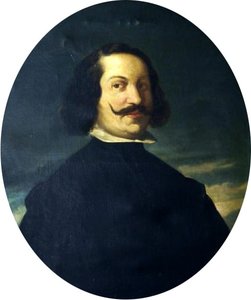
Juan de Valdés Leal
1622 - 1690 , Spanien
Kurzinfos
- Beeinflusste Künstler: ['Bartolomé Esteban Murillo']
- Bemerkenswerte Werke:
- Geschichte des Propheten Elias
- Martyrium des Hl. Andreas
- Das Kreuzestriumph
- Geburtsdatum: 4. Mai 1622
- Geburtsort: Sevilla, Spanien
- Künstlerischer Stil: Barockmalerei
- Nationalität: Spanisch
- Sterbedatum: 15. Oktober 1690
- Vollständiger Name: Juan de Valdés Leal
Ähnliche Artikel
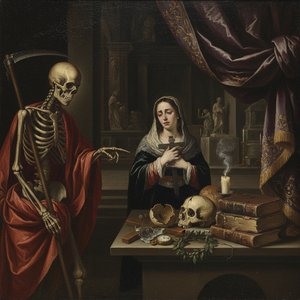
Juan de Valdés Leal: Baroque Realism, Memento Mori & Theatricality of Spanish Grief
Explore the powerful Baroque realism of Juan de Valdés Leal (1622-1690). Discover his somber masterpieces, iconic 'In Ictu Oculi', and profound explorations of mortality. Museum-quality reproductions available at ArtsDot.

Goya: Die 25 Meisterwerke des spanischen Genies – Kunst für Ihr Zuhause | ArtsDot
Entdecken Sie die 25 Meisterwerke von Francisco Goya! Tauchen Sie ein in die düstere Romantik spanischer Malerei, Porträts & Historienbilder. Hochwertige Kunstdrucke auf ArtsDot.com – für Kunstliebhaber und stilvolles Wohnen.

Über uns
Entdecken Sie unsere Geschichte! Wir bringen Weltklasse-Kunst in Ihr Leben durch fachkundige Auswahl, individuelle Kreationen und kostenlose Vorschauen. Seit dem Jahr 2000 von Privatpersonen und Unternehmen geschätzt.

Barocke Pracht: Wie Sie Opulenz und Emotionen in zeitgenössische Innenräume bringen
Entdecken Sie die Pracht des Barock! Expertenratgeber für luxuriöse Innenräume mit barocken Elementen. Inspiration, Tipps & hochwertige Kunst bei .

Barock Meisterwerke: Die 10 prägendsten Kunstwerke für Ihr Zuhause |
Entdecken Sie die 10 prägendsten Meisterwerke des Barock! Caravaggio, Rembrandt & Co. – Erfahren Sie die Geschichten hinter ikonischen Gemälde und finden Sie hochwertige Kunst Reproduktionen für Ihr Zuhause auf .