 Vorschau anzeigen
 Versenden
 Teilen
 Details anzeigen

 Herunterladen
 Ähnliche Objekte
 Röntgenaufnahme
 Diashow
 Statistiken
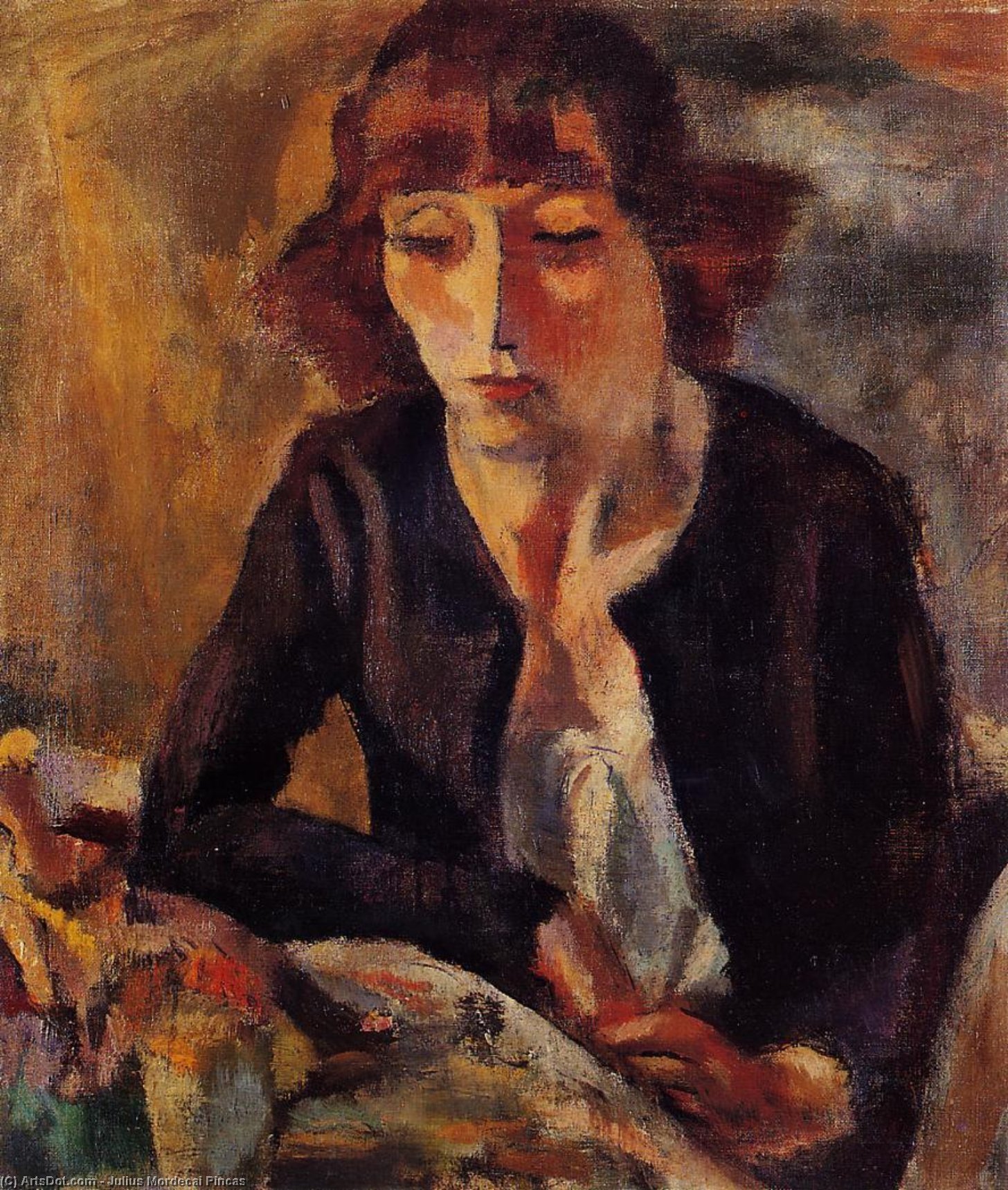
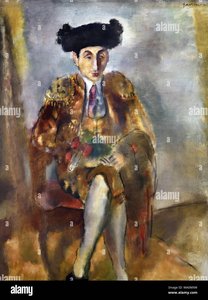
Portrait of Hermine David
 Oil On Canvas
- WallArt
- Early Modernism
 1918
1918- 19th Century
 Musée National d'Art Moderne Centre Georges Pompidou
 Weiterlesen
Giclée / Kunstdruck
Giclée- oder Leinwanddruck in Museumsqualität mit schneller Produktion und flexiblen Veredelungsoptionen. ( Handgemalte Reproduktion bestellen Zum digitalen Bild wechseln)




P118B $10

P118H $10

P118W $10

P438Z $10

P508JH $12

P508YH $12

P805H $10

P805Z $10

P919BZ $10

P919G $10

P919XJ $10

P959ZH $10

P968JZ $12

W106C $8

W218G $10

W218JH $8

W218Y $10

W307PJ $10

W316G $10

W316PJ $8

W316Y $10

W398PJ $8

W4111J $10

W500HY $15

W500JH $15

W692G $12

W849H $8

W940BG $15

W953PJ $8




Wählen Sie aus unseren vordefinierten Formaten, die den ursprünglichen Proportionen des Kunstwerks entsprechen.

Sie können Ihre eigenen Maße eingeben, um ein bestimmtes Format oder einen speziellen Platz einzupassen. Wenn das von Ihnen gewählte Format nicht den Proportionen des Originalbildes entspricht, werden wir das Kunstwerk entweder beschneiden oder das Bild mit einem gespiegelten oder einfarbigen Rand erweitern. Ein digitaler Entwurf wird Ihnen zur Genehmigung zugesandt, bevor die Produktion beginnt.
Bitte beachten Sie, dass die Vorschau auf dem Bildschirm nicht den tatsächlichen Zuschnitt oder die Erweiterung widerspiegelt. Nur der Entwurf zeigt die endgültige Komposition präzise an.
Obwohl Sondermaße verfügbar sind, empfehlen wir die Auswahl eines Maßes aus der vordefinierten Liste, um die ursprünglichen Proportionen zu bewahren.
Weltweiter Versand () innerhalb von 2 Wochen statt der üblichen 4/5 Wochen. (13 September)

Kostenloser weltweiter Expressversand

Hochwertige Leinenleinwand

Umfassender Versicherungsschutz beim Versand

Zollgebühren-Rückerstattungsgarantie

Garantie für exakte Farbtreue

100-Tage-Rückgaberecht (nur bei Mängeln)

100% Geld-zurück-Garantie

Mengenrabatt verfügbar
 Die Glasoption ist nur für Größen unter 110 cm verfügbar.

Portrait of Hermine David
Giclée / Kunstdruck
Format der Reproduktion
-


Gesamtpreis
$ 62
Portrait of Hermine David: A Study in Melancholy and Modernism
Julius Mordecai Pincas’s “Portrait of Hermine David,” painted in 1918, is more than a simple likeness; it's a poignant meditation on isolation, introspection, and the burgeoning anxieties of the early 20th century. Housed within the hallowed halls of the Musée National d'Art Moderne Centre Georges Pompidou in Paris, this oil-on-canvas masterpiece offers a glimpse into the artist’s unique vision – a blend of modernism’s bold experimentation with the expressive depth of expressionism. The painting immediately draws the viewer in with its muted palette and the subject’s profoundly melancholic gaze; it's a scene steeped in quiet contemplation, inviting us to consider the unspoken narratives held within her eyes.
Pincas, a key figure of the “School of Paris,” masterfully employs a restrained color scheme dominated by deep blues, grays, and browns. This deliberate choice contributes significantly to the painting’s somber mood, creating an atmosphere of subdued intensity. The background, deliberately blurred and indistinct, further isolates Hermine, emphasizing her solitary state. The subtle inclusion of two figures in the periphery – barely discernible yet undeniably present – hints at a past or a potential future, adding layers of complexity to the portrait's narrative. A small cup or bowl on the left side serves as an intriguing detail, acting as a grounding element and subtly drawing our attention to her hands, suggesting a quiet routine amidst the prevailing melancholy.
The Artist’s Vision: Pincas and the Modernist Spirit
Julius Mordecai Pincas was a truly singular artist, known for his distinctive style that seamlessly blended elements of modernism and expressionism. Born in Vidin, Bulgaria, in 1885, he initially faced resistance to his artistic pursuits from his family, who favored the stability of their grain trading business. His early training in Vienna and Munich exposed him to influential figures like Paul Klee and Wassily Kandinsky, shaping his approach to color, form, and composition. Pincas’s work often featured bold brushstrokes, a willingness to distort reality, and an exploration of psychological themes – qualities that are powerfully evident in the “Portrait of Hermine David.”
Unlike many portraitists of his time, Pincas wasn't interested in capturing mere physical likeness. Instead, he sought to convey the inner life of his subjects, their emotions, and their experiences. The painting’s composition – the downward gaze, the subtle tension in her posture – speaks volumes about Hermine’s state of mind. The use of oil on canvas allows for a rich, textured quality that enhances the emotional depth of the work; the brushstrokes themselves seem to vibrate with unspoken feelings.
Symbolism and Emotional Resonance
The symbolism within “Portrait of Hermine David” is layered and open to interpretation. Her downward gaze suggests introspection, perhaps even sadness or resignation. The muted colors contribute to a sense of quiet despair, while the indistinct background reinforces her isolation. Some art historians have suggested that the painting reflects the broader anxieties of the era – the uncertainties surrounding World War I, the rapid social changes sweeping across Europe, and the growing sense of alienation in modern urban life.
The portrait’s enduring power lies in its ability to evoke a profound emotional response. It's not merely a depiction of a woman; it’s an exploration of the human condition – our capacity for loneliness, our struggles with identity, and our yearning for connection. The painting invites us to contemplate the mysteries hidden beneath the surface, prompting us to consider the unspoken stories that shape our lives.
A Timeless Masterpiece: Reproductions Available
The “Portrait of Hermine David” remains a captivating work of art, offering a poignant glimpse into the artistic spirit of its time. High-quality reproductions are now available through ArtsDot.com, allowing art enthusiasts to bring this iconic image into their homes and offices. These meticulously crafted reproductions faithfully capture the painting’s rich colors, intricate details, and emotional depth, ensuring that Pincas's vision continues to resonate with audiences today. For those seeking a piece of art history, a reproduction of “Portrait of Hermine David” is an exceptional choice – a testament to the enduring power of artistic expression.
Ähnliche Kunstwerke
Über den Künstler
Julius Mordecai Pincas (Jules Pascin): Eine Biografie
Frühes Leben und Herkunft
- Geburt und Familie: Julius Mordecai Pincas, besser bekannt als Jules Pascin, wurde am 31. März 1885 in Vidin, Bulgarien, geboren. Er entstammte einer wohlhabenden sefardisch-jüdischen Familie, die im Getreidehandel tätig war.
- Frühe Einflüsse: Im Jahr 1892 zog die Familie nach Bukarest, wo der junge Julius sein erstes Interesse an der Kunst zeigte und sogar Skizzen in einem lokalen Bordell anfertigte. Seine frühen künstlerischen Neigungen stießen von seinem Vater zunächst auf Ablehnung.
- Ausbildung und Pseudonym: Er studierte die Kunst in Wien (1902) und München (1903), wo er mit Künstlern wie Paul Klee und Wassily Kandinsky in Kontakt kam. Um eine familiäre Blamage aufgrund seiner satirischen Zeichnungen zu vermeiden, nahm er das Pseudonym „Pascin“ an – ein Anagramm seines Nachnamens.
Die Pariser Jahre und die künstlerische Entwicklung
- Ankunft in Paris: Im Jahr 1905 zog Pascin nach Paris und wurde Teil der pulsierenden Kunstszene. Er fand schnell Anschluss an Kreise wie die der „Les Dômiers“ im berühmten Café le Dome.
- Früher Stil und Einflüsse: Seine frühen Pariser Werke waren vom Fauvismus und von Cézanne geprägt, wobei der Fokus auf Porträts und Aktdarstellungen lag. Er studierte zudem an der Académie Matisse und ließ sich von den Meistern des 18. Jahrhunderts wie Greuze und Watteau inspirieren.
- Entwicklung einer eigenen Stimme: Pascins Stil entwickelte sich zu einer ganz eigenen Handschrift – charakterisiert durch kräftige Farben, einen ausdrucksstarken Pinselstrich und die Darstellung intimer Szenen des modernen Lebens. Er meisterte mit Bravour die Aquarellmalerei, die Zeichnung sowie die Ölmalerei.
Themen und künstlerischer Stil
- Wiederkehrende Motive: Frauen waren ein zentrales Thema in Pascins Werk, dargestellt in ungezwungenen, oft nackten oder halbnackten Posen. Mit bemerkenswerter Sensibilität fing er ihre Verletzlichkeit und Sinnlichkeit ein.
- Kräftige Farben & Komposition: Seine Gemälde sind bekannt für ihre lebendige Farbpalette und sorgfältig ausbalancierte Kompositionen. Er setzte Licht und Schatten meisterhaft ein, um Tiefe und Atmosphäre zu erzeugen.
- Psychologische Tiefe: Über die reine Darstellung hinaus deuteten Pascins Arbeiten oft die zugrunde liegenden psychologischen Komplexitäten und emotionalen Zustände seiner Motive an.
Hauptwerke und Errungenschaften
- Nackt mit grünem Hut (1925): Ein eindrucksvolles Beispiel seiner Aktstudien, das seine Meisterschaft in Farbe und Form zeigt. Es befindet sich heute im Cincinnati Art Museum.
- Kleines Mädchen auf einem Sessel (1925): Dieses Werk demonstriert seine Fähigkeit, Unschuld und Schönheit in einer häuslichen Umgebung einzufangen.
- Lose Frauen (1911): Ein provokantes Werk, das die sich wandelnden sozialen Normen des frühen 20. Jahrhunderts widerspiegelt.
- Porträt von Hermine David (1918): Ein bedeutendes Porträt, das im Musée National d'Art Moderne, Centre Pompidou in Paris, aufbewahrt wird.
Historische Bedeutung und Vermächtnis
- Schule von Paris: Pascin war eine prominente Figur innerhalb der Schule von Paris – einem Kollektiv aus Expatriates, die die moderne Kunst des frühen 20. Jahrhunderts maßgeblich prägten.
- Einfluss auf spätere Künstler: Sein Werk beeinflusste nachfolgende Generationen von Künstlern durch seinen expressiven Stil und den Fokus auf menschliche Emotionen.
- Ein tragisches Ende: Trotz seines künstlerischen Erfolges kämpfte Pascin zeit seines Lebens mit Depressionen und Alkoholismus. Er nahm sich 1930 im Alter von 45 Jahren tragischerweise das Leben.
- Fortwährende Wertschätzung: Heute werden die Gemälde von Jules Pascin für ihre Schönheit, Sensibilität und historische Bedeutung gefeiert. Seine Werke sind in bedeutenden Museen weltweit zu finden und inspirieren Kunstliebhaber auch heute noch durch Reproduktionen auf Plattformen wie ArtsDot.com.
julius mordecai pincas
1885 - 1930 , Bulgarien
Kurzinfos
- Artistic Movement Or Style: Schule von Paris, Expressionismus
- Artists Who Influenced This Artist:
- Paul Cézanne
- Henri Matisse
- Date Of Birth: 31. März 1885
- Full Name: Julius Mordecai Pincas
- Nationality: Bulgarisch, Amerikanisch
- Notable Artworks:
- Nackt mit einem grünen Hut
- Kleines Mädchen auf einem Sessel
- Freie Frauen
- Place Of Birth: Widin, Bulgarien
Ähnliche Artikel
Öl auf Leinwand: Die 10 Meisterwerke, die Kunst für immer veränderten |
Entdecken Sie die 10 legendärsten Öl auf Leinwand Meisterwerke! Von Van Gogh bis Monet – erfahren Sie die Geschichten hinter ikonischen Gemälden und lassen Sie sich von Kunstgeschichte inspirieren. Hochwertige Reproduktionen für Ihr Zuhause finden Sie auf .

The Enduring Legacy of Oil on Canvas: Technique, History & Aesthetic Impact
Explore the rich history & techniques of oil painting – from Renaissance masters to Impressionism. Discover pigments, layering methods, and why this timeless medium endures. Expert insights for artists & art enthusiasts.

Öl auf Leinwand: Eine historische und technische Erkundung eines zeitlosen künstlerischen Mediums
Entdecken Sie die faszinierende Welt der Ölmalerei! Von historischen Techniken bis zur modernen Anwendung – wir bieten Expertenwissen, Restaurierungstipps und hochwertige Reproduktionen. Jetzt informieren!

Das bleibende Erbe der Ölmalerei: Technik, Geschichte und zeitgenössische Praxis
Entdecken Sie die faszinierende Geschichte der Ölmalerei – von den frühen Techniken bis zur modernen Kunst. Expertenwissen, detaillierte Analysen und Inspiration für Sammler & Kunstliebhaber.

The Enduring Power of Painting: A Historical & Contemporary Exploration of Form and Emotion
Explore the rich history & enduring techniques of oil painting with ArtsDot. Discover masterpieces, learn about art collecting, and find authentic handmade reproductions crafted by skilled artists.