

 Vorschau anzeigen
 Versenden
 Teilen
 Details anzeigen

 Herunterladen
 Ähnliche Objekte
 Röntgenaufnahme
 Diashow
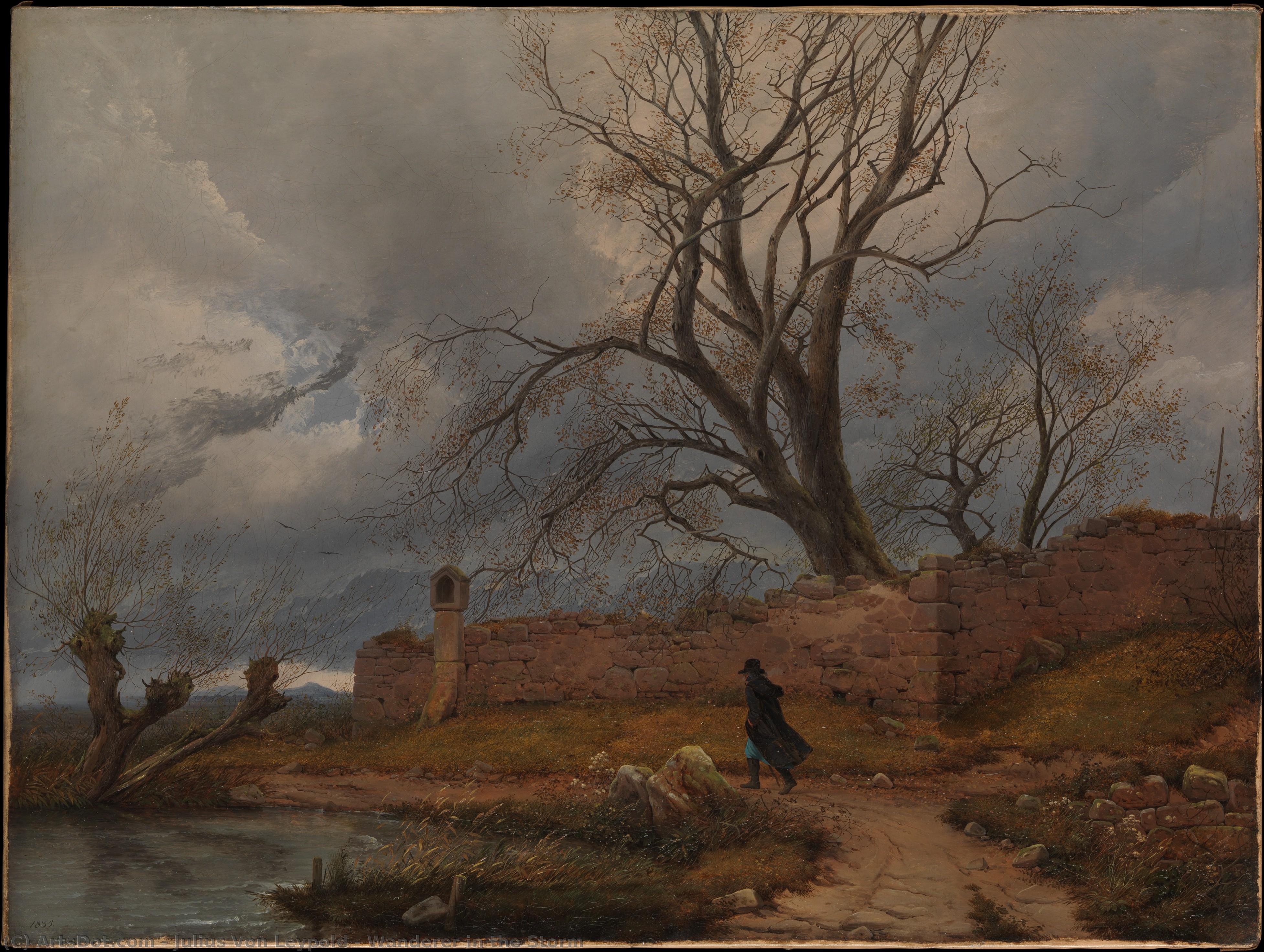
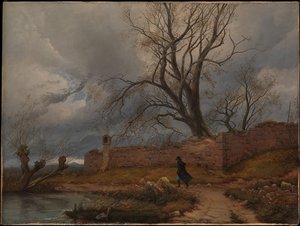
Wanderer in the Storm
 1835
1835 43.0 x 57.0 cm
 Metropolitan Museum of Art
 Weiterlesen
Erwerben Sie ein hochauflösendes, optimiertes digitales Bild, das der Online-Vorschau weit überlegen ist.
Jede Datei wird von unseren hauseigenen Spezialisten mit modernsten Werkzeugen und fachmännischer manueller Retusche sorgfältig vorbereitet. Wir stellen sicher, dass jedes Bild eine außergewöhnliche Klarheit, präzise Farbgenauigkeit und feinste Details aufweist.
Die endgültige Datei wird innerhalb von 72 Stunden per E-Mail zugestellt und ist für den sofortigen Einsatz in professionellen, redaktionellen und Druckumgebungen optimiert. Es handelt sich um dieselbe Qualität, der führende Designstudios, Verlage und Galerien vertrauen.
Digitales Bild
Laden Sie eine hochauflösende Datei für die persönliche Präsentation, den Druck und kreative Projekte herunter. ( Druck bestellen Handgemalte Reproduktion bestellen)
In jeder Bestellung digitaler Bilder enthalten
Professionelle digitale Bereitstellung, garantiert
Wenn Sie sich für ArtsDot.com entscheiden, erhalten Sie nicht nur ein Bild – Sie erhalten ein professionell aufbereitetes digitales Kunstwerk, das mit höchster Präzision erstellt und durch eine Zufriedenheitsgarantie abgesichert wird. Hier ist alles, was automatisch mit Ihrer Bestellung geliefert wird:

Schnelle E-Mail-Zustellung
Ihre hochauflösende digitale Bilddatei wird Ihnen innerhalb von 72 Stunden nach der Bestellung per E-Mail zugestellt – bereit zur sofortigen Verwendung.

KI-optimierte digitale Datei
Ihre Kunstwerke werden professionell mithilfe fortschrittlicher KI-Tools und manueller Bearbeitung optimiert, um maximale Detailtreue, Klarheit und Farbgenauigkeit zu gewährleisten.

Lebenslanger kostenloser Neudruckservice
Datei versehentlich gelöscht oder verloren? Keine Sorge – wir senden sie Ihnen jederzeit kostenlos erneut zu.

Keine Einfuhrgebühren – jemals
Genießen Sie Ihr Kunstwerk sofort ohne Zollgebühren, Einfuhrabgaben oder Versandkosten – digitale Downloads sind immer steuerfrei.

Garantierte Farbtreue
Wir garantieren, dass Ihr digitales Bild mithilfe professioneller Werkzeuge und Farbmanagement die Originalfarben so präzise wie möglich wiedergibt.

100-Tage-Zufriedenheitsgarantie
Wenn Sie mit Ihrem digitalen Bild nicht zufrieden sind, werden wir es überarbeiten oder 100% innerhalb von 100 Tagen erstatten – ohne Wenn und Aber.

100% Geld-zurück-Garantie
Nicht zufrieden? Erhalten Sie innerhalb von 100 Tagen nach Erhalt Ihrer digitalen Datei eine vollständige Rückerstattung – ohne Wenn und Aber.

Rabatte bei Großbestellungen
3 Bilder kaufen, 10% sparen – 5 Bilder kaufen, 15% sparen – Ab 10 Bildern 20% sparen. Ideal für kreative Projekte, Galerien und Agenturen.
Ähnliche Kunstwerke



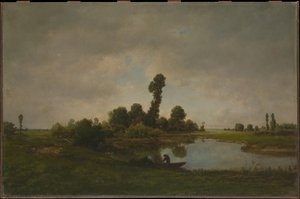
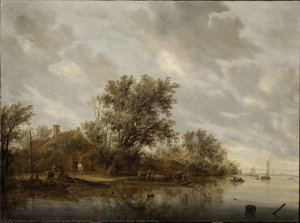
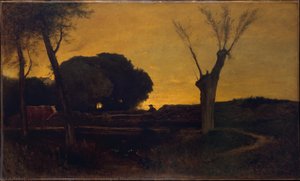
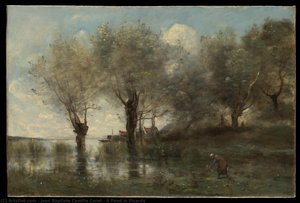
Biografie des Künstlers
A Life Immersed in Romantic Landscapes
Carl Julius von Leypold, born in Dresden in 1806, was a painter deeply entwined with the spirit of German Romanticism. His life unfolded against a backdrop of burgeoning artistic expression and a fascination with nature’s power—a sensibility that would come to define his oeuvre. Coming from an artistic family, young Julius was naturally drawn to painting, beginning his formal studies at the Dresden Academy of Fine Arts in 1820. It was here he encountered Johan Christian Dahl, a pivotal figure who initially guided his hand and introduced him to the nuances of landscape painting. However, it was the profound influence of Caspar David Friedrich that truly shaped Leypold’s artistic vision, steering him toward themes of solitude, introspection, and the sublime beauty of the natural world.The Embrace of Friedrich's Legacy
Early in his career, von Leypold’s work bore a striking resemblance to that of Friedrich. He meticulously adopted similar compositional elements, subject matter, and an overall mood of quiet contemplation. This period led to some historical confusion, with several paintings initially attributed to the more renowned Friedrich before being correctly identified as Leypold's own through later scholarly research. While this early imitation might seem derivative, it was a crucial stage in his development—a dedicated study of a master whose work resonated deeply with his own emerging artistic sensibilities. He wasn’t merely copying; he was absorbing and internalizing the principles that underpinned Friedrich’s iconic style: the use of atmospheric perspective to convey depth, the symbolic weight placed on individual figures within vast landscapes, and the evocation of emotional responses through nature's grandeur.Finding a Distinct Voice
As his career progressed, von Leypold gradually moved beyond direct imitation, forging a unique path that blended Romantic idealism with a growing emphasis on topographical precision. While retaining the misty atmospheres, dramatic lighting, and picturesque ruins characteristic of the Romantic tradition, he began to incorporate more detailed renderings of specific locations. This shift resulted in landscapes that felt both emotionally evocative and grounded in reality—a delicate balance between subjective experience and objective observation. His paintings weren’t simply representations of nature; they were imbued with a sense of melancholy, isolation, and a yearning for something beyond the tangible world.Major Works and Artistic Achievements
Wanderer in the Storm, painted in 1835, remains his most celebrated work—a powerful embodiment of Romantic themes. The painting depicts a lone figure traversing a rugged landscape engulfed by an approaching storm. It’s not merely a depiction of inclement weather; it's a visual metaphor for the existential struggles and restless yearning that defined the era. Parallels can be drawn to Franz Schubert’s song cycle *Die Winterreise*, which explores similar themes of loneliness and alienation. Beyond this iconic piece, von Leypold produced numerous detailed graphite sketches of castles and landscapes, showcasing his technical skill and keen eye for architectural detail. His watercolors, often featuring moonlit winter scenes with Gothic churches and solitary figures, further exemplify his consistent stylistic trademarks—delicately rendered tree branches, eerie nocturnal isolation, and a pervasive sense of quiet drama.Recognition and Lasting Significance
In 1857, von Leypold was honored with an honorary membership in the Dresden Art Academy, acknowledging his contributions to the artistic community. However, after his death in Niederlößnitz in 1874, his reputation waned, overshadowed by the fame of Friedrich and other prominent Romantic painters. It wasn’t until the work of art historian Werner Sumowski in 1971 that a concerted effort was made to reattribute key paintings and restore von Leypold's rightful place within the canon of 19th-century German landscape art. Today, his oeuvre is valued for its ability to bridge early Romantic idealism with later precision, offering a nuanced perspective on the complexities of human experience and the enduring power of nature. His work continues to resonate with viewers who seek solace, contemplation, and a deeper connection to the world around them.- Born in Dresden, Saxony, into an artistic family.
- Studied at the Dresden Academy of Fine Arts under Johan Christian Dahl (1820-1829).
- Profoundly influenced by Caspar David Friedrich’s Romantic style.
- Achieved recognition with his painting, “Wanderer in the Storm” (1835).
- Became an honorary member of the Dresden Art Academy in 1857.
Kurzinfos
- Artistic Movement Or Style: Romantic landscape painting
- Artists Who Influenced This Artist:
- Johan Christian Dahl
- Caspar David Friedrich
- Date Of Birth: June 24, 1806
- Date Of Death: 1874
- Full Name: Carl Julius von Leypold
- Nationality: German
- Notable Artworks: ['Wanderer in the Storm']
- Place Of Birth: Dresden, Germany