

 Vorschau anzeigen
 Versenden
 Teilen
 Details anzeigen

 Herunterladen
 Ähnliche Objekte
 Röntgenaufnahme
 Diashow
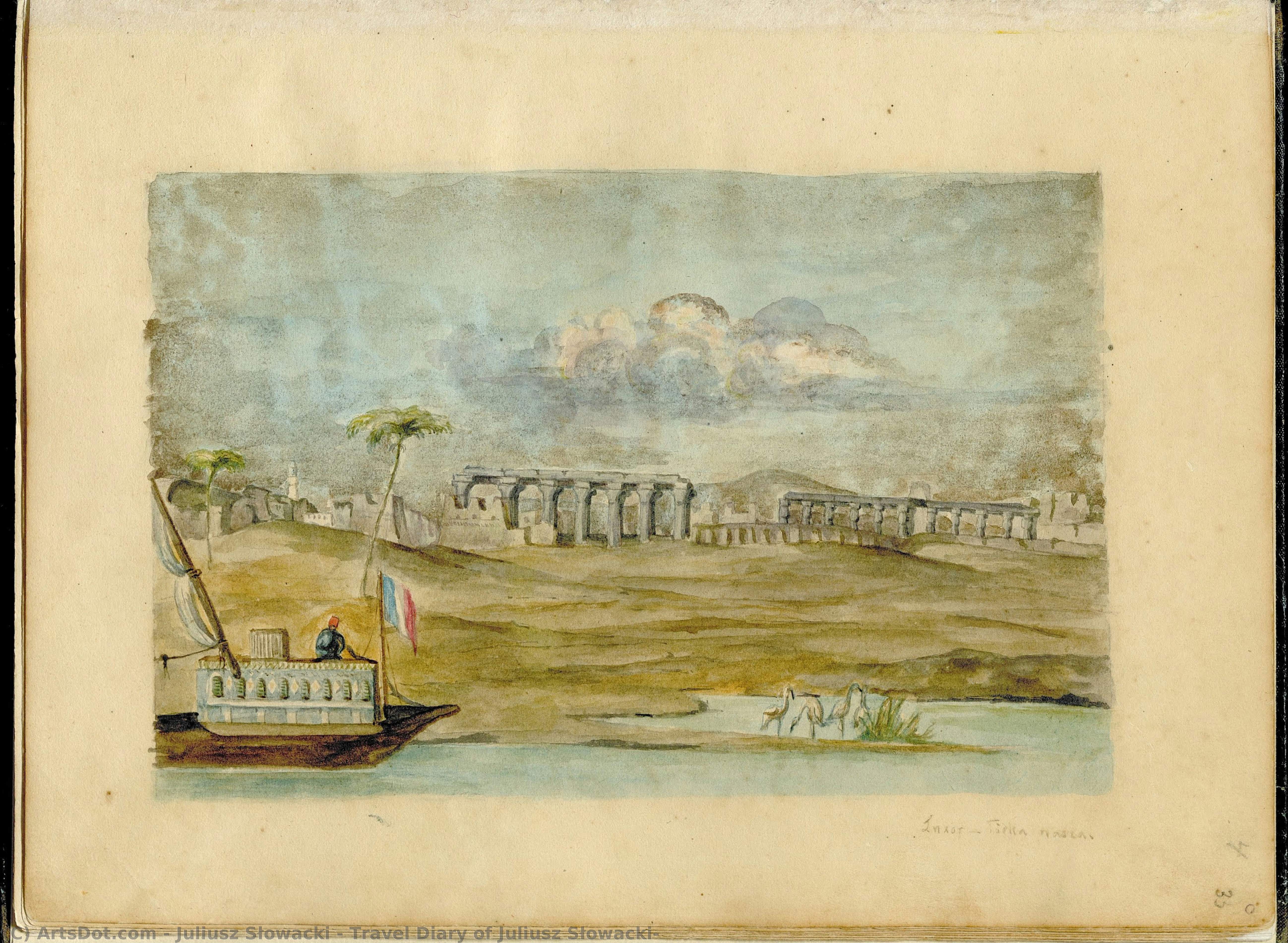
Travel Diary of Juliusz Słowacki


 Weiterlesen
Giclée / Kunstdruck
Giclée- oder Leinwanddruck in Museumsqualität mit schneller Produktion und flexiblen Veredelungsoptionen. ( Handgemalte Reproduktion bestellen Bild kaufen)




P118B $10

P118H $10

P118W $10

P438Z $10

P508JH $12

P508YH $12

P805H $10

P805Z $10

P919BZ $10

P919G $10

P919XJ $10

P959ZH $10

P968JZ $12

W106C $8

W218G $10

W218JH $8

W218Y $10

W307PJ $10

W316G $10

W316PJ $8

W316Y $10

W398PJ $8

W4111J $10

W500HY $15

W500JH $15

W692G $12

W849H $8

W940BG $15

W953PJ $8




Wählen Sie aus unseren vordefinierten Formaten, die den ursprünglichen Proportionen des Kunstwerks entsprechen.

Sie können Ihre eigenen Maße eingeben, um ein bestimmtes Format oder einen speziellen Platz einzupassen. Wenn das von Ihnen gewählte Format nicht den Proportionen des Originalbildes entspricht, werden wir das Kunstwerk entweder beschneiden oder das Bild mit einem gespiegelten oder einfarbigen Rand erweitern. Ein digitaler Entwurf wird Ihnen zur Genehmigung zugesandt, bevor die Produktion beginnt.
Bitte beachten Sie, dass die Vorschau auf dem Bildschirm nicht den tatsächlichen Zuschnitt oder die Erweiterung widerspiegelt. Nur der Entwurf zeigt die endgültige Komposition präzise an.
Obwohl Sondermaße verfügbar sind, empfehlen wir die Auswahl eines Maßes aus der vordefinierten Liste, um die ursprünglichen Proportionen zu bewahren.
Weltweiter Versand () innerhalb von 2 Wochen statt der üblichen 4/5 Wochen. (25 August)

Kostenloser weltweiter Expressversand

Hochwertige Leinenleinwand

Umfassender Versicherungsschutz beim Versand

Zollgebühren-Rückerstattungsgarantie

Garantie für exakte Farbtreue

60 Tage Rückgaberecht (nur bei Mängeln)

100% Geld-zurück-Garantie

Mengenrabatt verfügbar
 Die Glasoption ist nur für Größen unter 110 cm verfügbar.

Travel Diary of Juliusz Słowacki
Giclée / Kunstdruck
Format der Reproduktion
-


Gesamtpreis
$ 62
Sammlerstück-Beschreibung
A Window into Romantic Wanderlust
In the delicate strokes of this watercolor from 1848, we find ourselves transported to a moment of profound tranquility, captured by the hand of one of Poland's most luminous literary figures, Juliusz Słowacki. This piece, part of his evocative travel diary, transcends mere documentation; it is a poetic meditation on movement and stillness. The scene depicts a solitary figure navigating a boat across a serene expanse of water, framed by the majestic, soft silhouettes of distant mountains. As the oarsman pulls against the gentle current, the composition invites the viewer to share in the rhythmic peace of a summer day. The presence of figures along the shore and the subtle detail of an umbrella to the left suggest a shared human experience with nature—a quiet afternoon where the boundaries between the traveler and the landscape begin to dissolve.
The technique employed here is quintessential of the Romantic era’s fascination with the ephemeral. Using the fluid, translucent medium of watercolor, SłowAcki captures the play of light upon the water's surface and the hazy atmosphere of a warm afternoon. There is a masterful use of soft edges and bleeding pigments that mimics the way memory itself functions—vivid in certain details, yet dreamlike and blurred at the periphery. The artist’s ability to balance the structural weight of the mountains with the lightness of the water creates a visual harmony that is both grounding and ethereal. For the collector, this work offers more than just aesthetic beauty; it provides a tactile connection to the spontaneous, sketching style that characterized Słowacki's journeys through the Middle East and Europe.
Historical Resonance and Emotional Depth
To understand this artwork is to understand the soul of Polish Romanticism. Juliusz Słowacki, often revered as one of Poland's "three bards," lived a life defined by exile, patriotism, and an unquenchable thirst for the exotic. This watercolor was born from a period of profound personal and political transition. Having fled his homeland following the November Uprising, Słowacki’s travels through Greece, Egypt, and the Holy Land were not merely sightseeing expeditions but spiritual quests. The painting serves as a visual companion to his literary output, embodying the Romantic ideal of the "wanderer"—a figure seeking truth and beauty in the far reaches of the world. The peacefulness of the scene belies the turbulent history of its creator, offering a sanctuary of calm amidst a life of upheaval.
For interior designers and connoisseurs of fine art, this reproduction offers a sophisticated focal point that breathes life into any space. Its palette of soft blues, earthy tones, and luminous highlights makes it an ideal addition to a curated gallery wall or as a standalone statement piece in a study or library. The emotional impact of the work lies in its ability to evoke nostalgia and a sense of longing—a "sehnsucht" that resonates deeply with anyone who has ever been moved by the call of the horizon. Owning a reproduction of this piece is an invitation to bring the spirit of discovery and the timeless elegance of 19th-century Romanticism into the modern home, creating an atmosphere of contemplative grace.
Ähnliche Kunstwerke
Über den Künstler
Juliusz Słowacki: Leben und Erbe
Juliusz Słowacki (1809-1849) gilt als einer der „Drei Barden“ der polnischen Literatur – eine zentrale Figur des polnischen Romantikums und Vater moderner polnischer Dramatik. Sein Werk prägte die nationale Identität und künstlerische Entwicklung Polens nachhaltig und wird bis heute intensiv studiert und aufgeführt.Frühes Leben und Ausbildung
Juliusz Słowacki wurde am 4. September 1809 in Kremniz (Kremenets), Polen geboren, einem Ort tief verwurzelt im historischen Kontext der Teilung Polens. Seine Kindheit fand unter den Bedingungen eines Lebens im „besetzten Gebieten“ statt, was ein ausgeprägtes Nationalbewusstsein förderte und ihn bereits früh für Literatur und Geschichte begeistern sollte. Er erhielt seine Ausbildung zunächst in Kremniz und später in Wilna (Wilno), Litauen, wo er sich intensiv mit diesen Disziplinen beschäftigte und eine Grundlage für sein späteres künstlerisches Schaffen legte. Sein Vater, Jan Słowacki, war Lehrer und Schriftsteller und prägte damit Juliusz’s intellektuelle Entwicklung maßgeblich.Frühe Karriere und politische Beteiligung
Słowacki begann seine berufliche Laufbahn zunächst bei der Regierung des Königreichs Polen und engagierte sich bald aktiv in patriotischen Aktivitäten. Besonders wichtig war sein Einsatz im Novemberaufstand von 1830 gegen die russische Herrschaft, als er als Kurier für das polnische revolutionäre Regierung tätig war. Nach der Niederlage des Aufstands fand er sich im Exil wieder – eine Erfahrung, die tiefgreifend Einfluss auf sein Schreiben und seine Weltanschauung hatte und ihn zu einem wichtigen Vertreter der „Großen Emigration“ machte. Er setzte sich für die Wiederherstellung der polnischen Unabhängigkeit ein und kämpfte weiterhin für nationale Interessen.Leben im Exil und künstlerische Entwicklung
Der Großteil seines Lebens verbrachte Słowacki im Ausland, hauptsächlich in Paris und später auch in Genf und Italien sowie Griechenland und dem Nahen Osten. Diese Reisen ermöglichten ihm den Kontakt mit verschiedenen Kulturen und philosophischen Ideen und bereicherten sein literarisches Werk erheblich. Er entwickelte einen einzigartigen poetischen Stil, der durch Neologismen (neu erfundene Wörter), Ironie und eine Mischung aus Romantik mit slawischer Folklore und Mystik geprägt war – ein Stil, der bis heute beeindruckt und von anderen Künstlern nachgeahmt wird. Seine wichtigsten künstlerischen Einflüsse waren die polnische Geschichte, slawische Mythologie sowie bedeutende romantische Dichter wie Byron und Goethe und östliche Philosophien. Er betrachtete sich als Künstler und Denker, dessen Aufgabe darin bestand, die Wahrheit über die menschliche Existenz aufzudecken und eine neue Vision von Polen zu entwickeln.Hauptwerke und Themen
Słowacki hinterließ ein umfangreiches Werk, das vor allem durch seine Dramen beeindruckt. Besonders hervorzuheben sind *Kordian*, ein Schlüsselwerk zur Darstellung der polnischen Identität und politischen Enttäuschung sowie *Balladyna*, eine düstere Geschichte von Ehrgeiz und Verrat, die tiefgründig inspiriert ist von slawischer Folklore und Mystik. Seine Gedichte wie *Beniowski* und *Testament mój* sind Meisterwerke der polnischen Lyrik und behandeln Themen wie Erinnerung, Verlust und die Suche nach moralischem Sinn. Darüber hinaus entwickelte er eine Reihe von Dramen und Gedichten zu verschiedenen historischen Ereignissen und Figuren und setzte sich für die Verteidigung der polnischen Sprache und Kultur ein. Seine Werke werden bis heute intensiv studiert und aufgeführt und tragen zur Förderung des polnischen kulturellen Erbes bei. Sein Einfluss auf spätere Generationen von Künstlern und Schriftstellern ist enorm und wird auch weiterhin gewürdigt.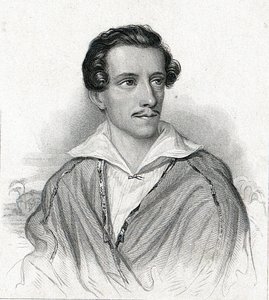
juliusz słowacki
1809 - 1849 , Polen
Kurzinfos
- Artistic Movement Or Style: Romantik
- Artists Who Influenced This Artist:
- Adam Mickiewicz
- Zygmunt Krasiński
- Date Of Birth: 4. September 1809
- Date Of Death: 3. April 1849
- Full Name: Juliusz Słowacki
- Nationality: Polnisch
- Notable Artworks:
- Kordian
- Balladyna
- Place Of Birth: Krzemieniec, Polen
Ähnliche Artikel

Die 10 legendärsten Aquarellwerke der Kunstgeschichte – Meisterwerke für Ihr Zuhause
Entdecken Sie die 10 legendärsten Aquarellwerke der Kunstgeschichte! Von Turner bis Monet – erleben Sie die Geschichten, Techniken & Farben dieser Meisterwerke. Finden Sie hochwertige Kunstdrucke auf ArtsDot.com und gestalten Sie Ihr Zuhause mit zeitloser Eleganz.

Ephemeral Visions: Exploring the Artistic Legacy & Contemporary Practice of Watercolor Painting
Explore the captivating world of watercolor painting! Discover its rich history, essential techniques, influential artists & collecting tips. A comprehensive guide for art enthusiasts from ArtsDot.

Flüchtige Visionen: Die Geschichte und emotionale Resonanz der Aquarellmalerei
Entdecken Sie die faszinierende Welt der Aquarellmalerei! Von historischen Ursprüngen bis zu modernen Techniken – wir bieten Expertenwissen, Inspiration und Tipps für Anfänger & Fortgeschrittene.

Ephemeral Visions: Exploring the Artistic Legacy & Nuances of Watercolor Painting
Explore the captivating world of watercolor painting! Discover its rich history, essential techniques, influential artists & collecting tips from art experts. A comprehensive guide for enthusiasts.

Katsushika Hokusai: Die 25 Meisterwerke des Ukiyo-e – Kunst für Ihr Zuhause | ArtsDot
Entdecken Sie die 25 Meisterwerke von Katsushika Hokusai! Tauchen Sie ein in die Welt des Ukiyo-e, berühmte Holzschnitte wie 'Die große Welle' & Fuji-Ansichten. Hochwertige Kunstdrucke für Ihr Zuhause – jetzt auf ArtsDot.com!

