

 Vorschau anzeigen
 Versenden
 Teilen
 Details anzeigen

 Herunterladen
 Ähnliche Objekte
 Röntgenaufnahme
 Diashow
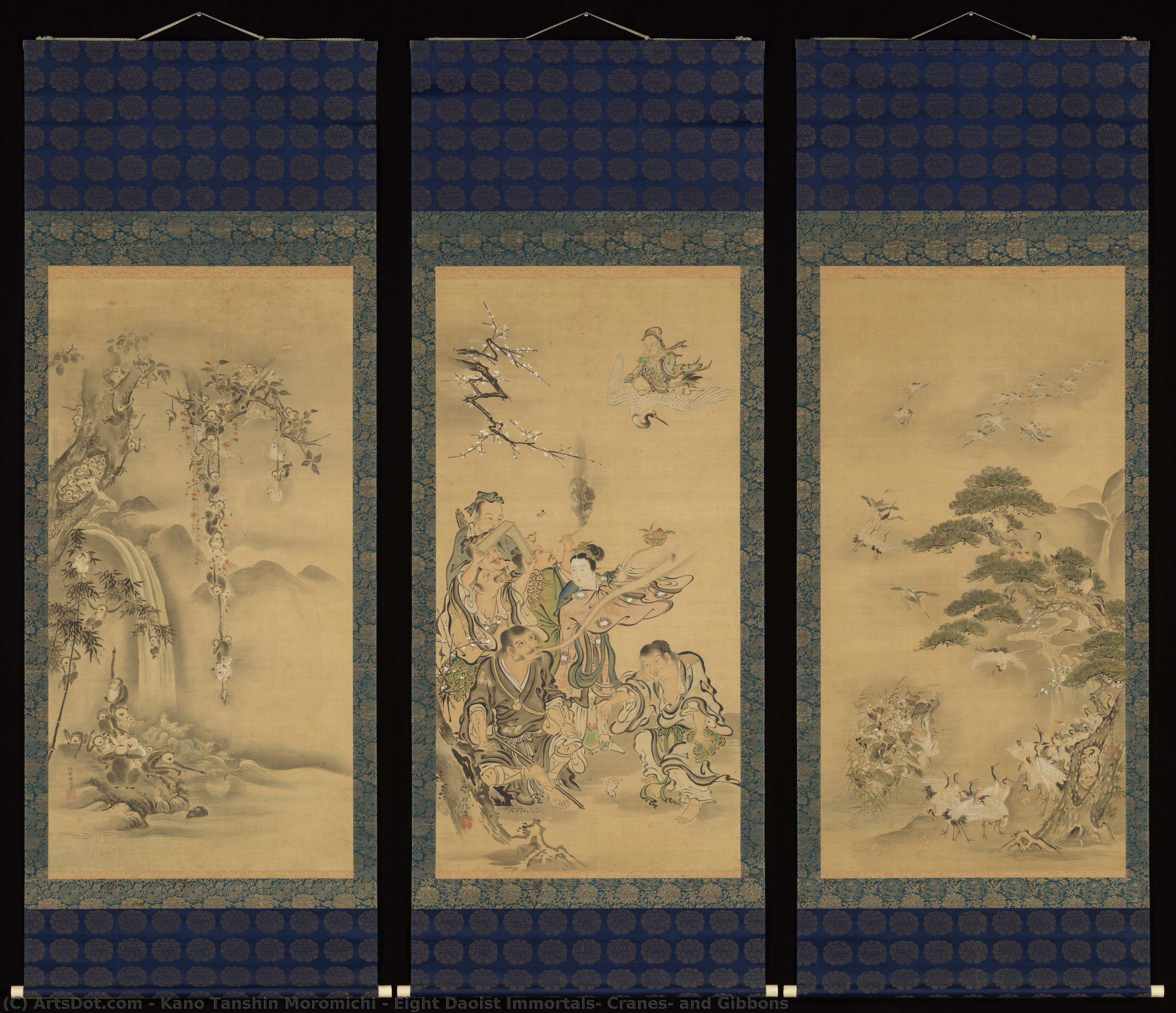
Eight Daoist Immortals, Cranes, and Gibbons
 701
701 241.0cm x 95.0cm
 Weiterlesen
Erwerben Sie ein hochauflösendes, optimiertes digitales Bild, das der Online-Vorschau weit überlegen ist.
Jede Datei wird von unseren hauseigenen Spezialisten mit modernsten Werkzeugen und fachmännischer manueller Retusche sorgfältig vorbereitet. Wir stellen sicher, dass jedes Bild eine außergewöhnliche Klarheit, präzise Farbgenauigkeit und feinste Details aufweist.
Die endgültige Datei wird innerhalb von 72 Stunden per E-Mail zugestellt und ist für den sofortigen Einsatz in professionellen, redaktionellen und Druckumgebungen optimiert. Es handelt sich um dieselbe Qualität, der führende Designstudios, Verlage und Galerien vertrauen.
Digitales Bild
Laden Sie eine hochauflösende Datei für die persönliche Präsentation, den Druck und kreative Projekte herunter. ( Druck bestellen Handgemalte Reproduktion bestellen)
In jeder Bestellung digitaler Bilder enthalten
Professionelle digitale Bereitstellung, garantiert
Wenn Sie sich für ArtsDot.com entscheiden, erhalten Sie nicht nur ein Bild – Sie erhalten ein professionell aufbereitetes digitales Kunstwerk, das mit höchster Präzision erstellt und durch eine Zufriedenheitsgarantie abgesichert wird. Hier ist alles, was automatisch mit Ihrer Bestellung geliefert wird:

Schnelle E-Mail-Zustellung
Ihre hochauflösende digitale Bilddatei wird Ihnen innerhalb von 72 Stunden nach der Bestellung per E-Mail zugestellt – bereit zur sofortigen Verwendung.

KI-optimierte digitale Datei
Ihre Kunstwerke werden professionell mithilfe fortschrittlicher KI-Tools und manueller Bearbeitung optimiert, um maximale Detailtreue, Klarheit und Farbgenauigkeit zu gewährleisten.

Lebenslanger kostenloser Neudruckservice
Datei versehentlich gelöscht oder verloren? Keine Sorge – wir senden sie Ihnen jederzeit kostenlos erneut zu.

Keine Einfuhrgebühren – jemals
Genießen Sie Ihr Kunstwerk sofort ohne Zollgebühren, Einfuhrabgaben oder Versandkosten – digitale Downloads sind immer steuerfrei.

Garantierte Farbtreue
Wir garantieren, dass Ihr digitales Bild mithilfe professioneller Werkzeuge und Farbmanagement die Originalfarben so präzise wie möglich wiedergibt.

60-Tage-Zufriedenheitsgarantie
Sollten Sie mit Ihrem digitalen Bild nicht zufrieden sein, werden wir es überarbeiten oder Ihnen innerhalb von 60 Tagen 100% erstatten – ohne Wenn und Aber.

100% Geld-zurück-Garantie
Nicht zufrieden? Erhalten Sie innerhalb von 60 Tagen nach Erhalt Ihrer digitalen Datei eine vollständige Rückerstattung – ohne Angabe von Gründen.

Rabatte bei Großbestellungen
3 Bilder kaufen, 10% sparen – 5 Bilder kaufen, 15% sparen – Ab 10 Bildern 20% sparen. Ideal für kreative Projekte, Galerien und Agenturen.
Details zum Sammlerstück
Ähnliche Kunstwerke










Biografie des Künstlers
A Legacy of Serenity: The Life and Art of Kano Tanshin Moromichi
Kano Tanshin Moromichi, a name resonating with the refined elegance of Edo-period Japan, was born in Kyoto in 1785. He wasn’t simply an artist; he was a custodian of tradition, inheriting a lineage steeped in the prestigious Kano school—a dynasty that had shaped Japanese painting for centuries. His life unfolded against a backdrop of relative peace and flourishing arts under the Tokugawa shogunate, yet it was also a period witnessing subtle shifts in artistic sensibilities, a tension Tanshin navigated with remarkable skill. As the seventh generation leader of the Kajibashi branch of the Kano family, he bore the weight of expectation while simultaneously forging his own distinct path within the established conventions. His full name, Kano Tanshin Morimichi, reflects this dual role—a connection to ancestral mastery and a personal identity as a painter of considerable talent.The Weight of Tradition: Early Life and Training
Tanshin’s father was Kano Tan'yū, and his mother was Tan'yū’s second wife. This familial context immediately positioned him within the heart of the Kano school’s Kyoto branch. The Kano school wasn’t merely a style; it was an institution—a network of workshops, patrons, and established techniques. Tanshin’s early training would have been rigorous, focused on mastering the brushwork, composition, and subject matter favored by the school. This included meticulous copying of earlier masters, not as rote imitation but as a means of internalizing their principles. The Kano style, known for its dynamic compositions, bold colors, and often monumental scale, served official commissions—decorating castles, temples, and aristocratic residences. However, Tanshin’s artistic development wasn't solely confined to replicating the past. He demonstrated an early inclination towards a more lyrical approach, subtly infusing his work with elements reminiscent of the Tosa school, a rival style celebrated for its delicate lines and refined elegance. This blending of influences would become a hallmark of his mature work.A Delicate Balance: Style and Influences
Tanshin’s paintings are characterized by a serene beauty—a harmonious blend of power and grace. While firmly rooted in the Kano tradition, he subtly moved away from its more rigid formality. His landscapes possess a remarkable sense of atmosphere, achieved through delicate washes of ink and subtle gradations of color. He excelled at depicting birds and flowers, imbuing them with a quiet vitality that resonated deeply with Zen Buddhist aesthetics. The influence of the Tosa school is evident in his refined linework and attention to detail, yet he never abandoned the Kano school’s dynamic compositions. This delicate balance—between tradition and innovation—was both praised and criticized during his lifetime. Some lauded his ability to breathe new life into established forms, while others viewed his departure from strict Kano conventions as a betrayal of its core principles. Hanabusa Itchō, a prominent art critic of the period, recognized Tanshin’s “rare talent,” attributing it to his keen observation of nature and his ability to capture its essence in his paintings.Major Achievements and Artistic Legacy
Although documentation of his complete oeuvre remains incomplete, several works attributed to Kano Tanshin Moromichi stand as testaments to his skill and artistic vision. His depictions of the Seven Lucky Gods, particularly *Jurōjin*, are celebrated for their serene beauty and symbolic richness. Jurōjin, the god of longevity, embodies auspiciousness and good fortune—a fitting subject for celebratory paintings commissioned during the New Year season. Other notable works include landscapes featuring cranes and gibbons, and delicate depictions of doves on plum branches. These paintings showcase his mastery of ink wash techniques and his ability to create a sense of depth and atmosphere. Tanshin’s influence extended beyond his own artistic production. As head of the Kajibashi branch, he oversaw the training of numerous students, perpetuating the Kano school’s legacy while subtly shaping its future direction. His work represents a pivotal moment in the history of Japanese painting—a transition between tradition and innovation, power and grace.Historical Significance
Kano Tanshin Moromichi lived during a period of increasing social and political change in Japan. The Edo period was characterized by relative stability, but also by growing economic disparities and the rise of a merchant class with its own distinct aesthetic preferences. This led to a diversification of artistic styles and a questioning of established conventions. Tanshin’s work reflects this changing landscape—a subtle rebellion against rigid formality and an embrace of more lyrical and expressive forms. While he remained committed to the Kano school’s core principles, he also demonstrated a willingness to experiment and incorporate new influences. This made him a controversial figure during his lifetime, but it also ensured his lasting legacy as one of the most important painters of the Edo period. His paintings continue to be admired for their serene beauty, technical mastery, and symbolic richness—a testament to the enduring power of tradition and the transformative potential of artistic innovation. He passed away in 1835, leaving behind a body of work that continues to inspire and captivate audiences today.
kano tanshin moromichi
1785 - 1835 , Japan
Kurzinfos
- Artistic Movement Or Style: kanō school
- Artists Or Movements Influenced By This Artist: ['kanō school']
- Artists Who Influenced This Artist: ["kanō tan'yū"]
- Date Of Birth: 1785
- Date Of Death: 1835
- Full Name: kano tanshin moromichi
- Nationality: japanese
- Notable Artworks: ['jurōjin']
- Place Of Birth: kyoto, japan

