 Vorschau anzeigen
 Versenden
 Teilen
 Details anzeigen

 Herunterladen
 Ähnliche Objekte
 Röntgenaufnahme
 Diashow
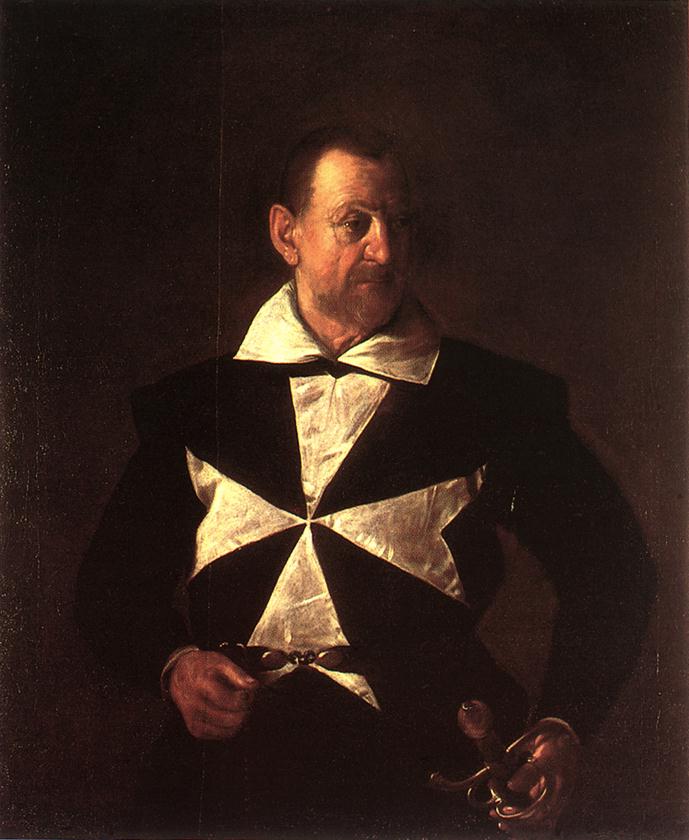
Porträt von Alof De Wignacourt – Florenz


 Weiterlesen
Giclée / Kunstdruck
Giclée- oder Leinwanddruck in Museumsqualität mit schneller Produktion und flexiblen Veredelungsoptionen. ( Handgemalte Reproduktion bestellen Bild kaufen)




P118B $10

P118H $10

P118W $10

P438Z $10

P508JH $12

P508YH $12

P805H $10

P805Z $10

P919BZ $10

P919G $10

P919XJ $10

P959ZH $10

P968JZ $12

W106C $8

W218G $10

W218JH $8

W218Y $10

W307PJ $10

W316G $10

W316PJ $8

W316Y $10

W398PJ $8

W4111J $10

W500HY $15

W500JH $15

W692G $12

W849H $8

W940BG $15

W953PJ $8




Wählen Sie aus unseren vordefinierten Formaten, die den ursprünglichen Proportionen des Kunstwerks entsprechen.

Sie können Ihre eigenen Maße eingeben, um ein bestimmtes Format oder einen speziellen Platz einzupassen. Wenn das von Ihnen gewählte Format nicht den Proportionen des Originalbildes entspricht, werden wir das Kunstwerk entweder beschneiden oder das Bild mit einem gespiegelten oder einfarbigen Rand erweitern. Ein digitaler Entwurf wird Ihnen zur Genehmigung zugesandt, bevor die Produktion beginnt.
Bitte beachten Sie, dass die Vorschau auf dem Bildschirm nicht den tatsächlichen Zuschnitt oder die Erweiterung widerspiegelt. Nur der Entwurf zeigt die endgültige Komposition präzise an.
Obwohl Sondermaße verfügbar sind, empfehlen wir die Auswahl eines Maßes aus der vordefinierten Liste, um die ursprünglichen Proportionen zu bewahren.
Weltweiter Versand () innerhalb von 2 Wochen statt der üblichen 4/5 Wochen. (25 August)

Kostenloser weltweiter Expressversand

Hochwertige Leinenleinwand

Umfassender Versicherungsschutz beim Versand

Zollgebühren-Rückerstattungsgarantie

Garantie für exakte Farbtreue

60 Tage Rückgaberecht (nur bei Mängeln)

100% Geld-zurück-Garantie

Mengenrabatt verfügbar
 Die Glasoption ist nur für Größen unter 110 cm verfügbar.

Porträt von Alof De Wignacourt – Florenz
Giclée / Kunstdruck
Format der Reproduktion
-


Gesamtpreis
$ 62
Sammlerstück-Beschreibung
Portrait of Alof de Wignacourt - Florence
This commanding portrait, painted between 1607-1608 by Michelangelo Merisi da Caravaggio, offers a captivating glimpse into both the life of a formidable historical figure and the artistic genius of one of the Baroque period’s most revolutionary painters. Currently residing in the Louvre Museum, Paris, this artwork transcends mere representation; it's an exploration of power, faith, and the dramatic interplay of light and shadow—elements that define Caravaggio’s signature style and solidify his place as a cornerstone of Western art history.Historical Context: The Grand Master and His Artist
Alof de Wignacourt served as the 54th Grand Master of the Order of Malta from 1601 to 1622, marking an era characterized by significant political maneuvering and military endeavors for the Knights. Caravaggio, seeking refuge in Malta after a tumultuous escape from Rome following a fatal brawl, found patronage under Wignacourt’s protection—a circumstance that profoundly shaped the creation of this iconic image. The Order of Malta held considerable sway in the Mediterranean during this period, wielding influence over maritime trade and religious affairs. Wignacourt's leadership was instrumental in bolstering the Order’s defenses against Ottoman aggression and expanding its dominion across the region. This commission wasn’t simply a matter of artistic fulfillment; it represented gratitude from Caravaggio to his benefactor—a testament to Wignacourt’s unwavering dedication to safeguarding Christendom.A Study in Baroque Realism: Style & Technique
Caravaggio's approach to painting distinguished him dramatically from the idealized aesthetics prevalent during the Renaissance, prioritizing unflinching realism over conventional embellishment. He embraced tenebrismo—the masterful manipulation of light and dark—creating a visual experience that transcends mere depiction; it’s an immersive journey into psychological depth. The artist meticulously observed human anatomy with astonishing accuracy, capturing Wignacourt not as an ethereal ideal but as a man imbued with flesh and blood, clad in opulent armor. This technique isn't merely aesthetically striking; it conveys a palpable sense of authority and conviction—a reflection of Wignacourt’s role as protector of the Order and his unwavering commitment to upholding its values. The canvas measures 195 cm x 134 cm, allowing for a life-size portrayal that amplifies the impact of Caravaggio's dramatic illumination.Decoding the Symbolism: Armor, Chain & Baton
Every element within the portrait carries symbolic significance—a deliberate orchestration designed to communicate profound ideas about power and faith. Wignacourt’s armor embodies his martial prowess and duty as commander-in-chief, symbolizing resilience and vigilance against external threats. The prominent chain encircling his neck represents his ecclesiastical status and signifies adherence to papal authority—a visual declaration of allegiance to the Catholic Church. Finally, the baton held firmly in his right hand underscores Wignacourt’s command and symbolizes unwavering resolve—a posture that exudes confidence and determination. Even the subdued background contributes to the overall message—it serves as a foil to the luminous figurehead, focusing attention on Wignacourt's strength and steadfast conviction. The darkness subtly hints at the burdens inherent in leadership and underscores the solemn gravity of his position.Emotional Impact & Lasting Legacy
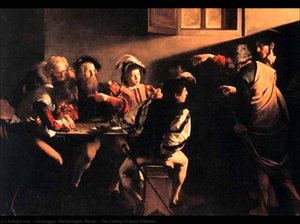
The portrait evokes an undeniable sense of grandeur and dignity—a visual embodiment of nobility and unwavering resolve. Caravaggio’s gaze commands respect, conveying an impression of profound seriousness and conviction. There's a hint of weariness in Wignacourt’s eyes, suggesting the weighty responsibilities borne by those entrusted with safeguarding Christendom. This psychological realism distinguishes *Portrait of Alof de Wignacourt*, establishing it as a landmark achievement in Baroque art history—a masterpiece that continues to inspire admiration and contemplation centuries later. Caravaggio's influence reverberates throughout subsequent generations of artists, shaping stylistic conventions and elevating the expressive potential of painting.- Notable Works by Caravaggio: Bacchus, The Calling of Saint Matthew, Saint Catherine of Alexandria
A Life Forged in Shadow and Light
Michelangelo Merisi da Caravaggio, a name synonymous with the dramatic intensity of Baroque painting, was born in Milan in 1571, a period steeped in both artistic flourishing and societal upheaval. His early life was marked by loss; plague ravaged his hometown, claiming the lives of his father and grandfather when he was just six years old. Raised amidst relative poverty, young Michelangelo’s formative years instilled within him a keen awareness of human suffering and resilience—themes that would later dominate his canvases. He began his artistic training in Milan under Simone Peterzano, a former pupil of Titian, absorbing the fundamentals of Renaissance technique but already hinting at a rebellious spirit that would soon shatter conventional norms. This apprenticeship provided a solid foundation, yet it was in Rome, arriving around 1592, that Caravaggio truly found his voice, though not without initial struggle and hardship. TheÄhnliche Kunstwerke
Über den Künstler
Michelangelo Merisi da Caravaggio: Leben und Vermächtnis
Frühes Leben und Ausbildung (1571-1592)
- Michelangelo Merisi da Caravaggio, bekannt als einfach nur Caravaggio, wurde 1571 in Mailand geboren.
- Seine Familie zog aufgrund einer verheerenden Pest, die Mailand heimsuchte, in die Stadt Caravaggio.
- Nach dem Tod seines Vaters und Großvaters im Jahr 1577 lebte Caravaggios Mutter mit ihren fünf Kindern in Armut.
- Im Jahr 1584 begann er eine vierjährige Lehre bei Simone Peterzano, einem Maler, der Schüler von Tizian gewesen war. Diese grundlegende Ausbildung vermittelte ihm die Techniken der Renaissance-Malerei.
Künstlerische Karriere und Stil (1592-1610)
- Caravaggios künstlerische Karriere blühte in Rom, wo er um 1592 eintraf. Zunächst hatte er Schwierigkeiten, Anerkennung zu finden, etablierte sich aber schnell mit seinem innovativen Stil.
- Seine herausragendste Eigenschaft war seine meisterhafte Verwendung von Chiaroscuro, dem dramatischen Kontrast zwischen Licht und Dunkelheit. Diese Technik, oft als Tenebrism bezeichnet, wurde zu einer Markenzeichen der Barockmalerei.
- Er lehnte idealisierte Formen ab und setzte stattdessen auf realistische Darstellungen, indem er oft gewöhnliche Menschen als Modelle für religiöse Figuren verwendete.
- Caravaggios Gemälde sind bekannt für ihre intensive emotionale Realität und dramatische Erzählweise.
Wichtige Werke
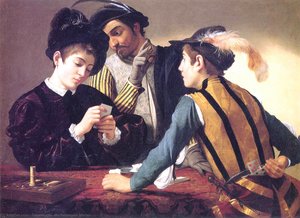
- Die Wahrsagerin (1594): Ein frühes Werk, das seinen realistischen Stil und seine Detailgenauigkeit zeigt.
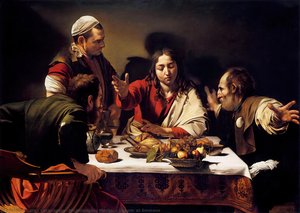
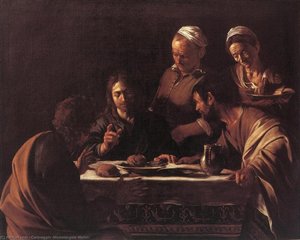
- Das Abendmahl zu Emmaus (1601-1602): Eine kraftvolle Darstellung der biblischen Szene, die seine Meisterschaft im Chiaroscuro und seine emotionale Intensität demonstriert.
- Heiliger Franz von Assisi in Ekstase (1594): Veranschaulicht seine Fähigkeit, spirituelle Erfahrungen durch realistische Bilder auszudrücken.
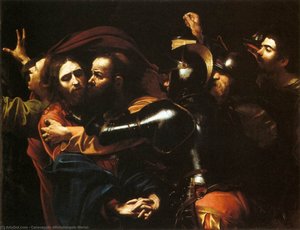
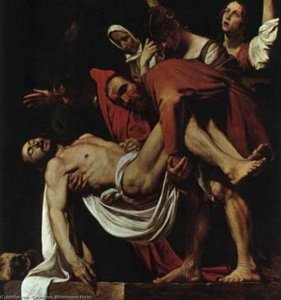
- Die Absetzung Christi (ca. 1602): Eine dramatische Komposition, die Verrat und Gefangennahme Jesu hervorhebt.
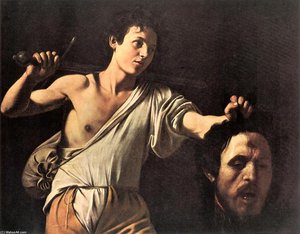
- David mit dem Kopf des Goliath (ca. 1610): Ein psychologisch komplexes Porträt des biblischen Helden.
Einflüsse und künstlerische Entwicklung
- Caravaggio war von den Werken der Renaissance-Meister wie Tizian, Leonardo da Vinci und Michelangelo beeinflusst, die er während seiner Ausbildung studierte.
- Er ging vom vorherrschenden Manierismus ab und übernahm einen direkteren und naturalistischen Ansatz in der Malerei.
- Seine Verwendung von Licht und Schatten wurde von künstlerischen Traditionen sowie dem im römischen Theater üblichen Bühnenlicht inspiriert.
Wichtige Leistungen und historische Bedeutung
- Caravaggio revolutionierte die Barockmalerei mit seinem dramatischen Realismus, seiner innovativen Verwendung von Chiaroscuro und seinen emotional aufgeladenen Kompositionen.
- Er inspirierte eine Generation von Künstlern, die sogenannten “Caravaggisti” oder “Schattenmalern”, die seinen Stil in ganz Europa übernahmen. Bekannte Anhänger sind Peter Paul Rubens, Jusepe de Ribera und Gerrit van Honthorst.
- Sein Werk stellte künstlerische Konventionen in Frage und ebnete den Weg für einen moderneren Ansatz in der Malerei.
- Trotz eines turbulenten Privatlebens, das von Gewalt und rechtlichen Schwierigkeiten geprägt war, bleibt Caravaggios künstlerisches Vermächtnis tiefgreifend und dauerhaft.
Spätes Leben und Tod
- Im Jahr 1606 floh Caravaggio aus Rom, nachdem er in einer Schlägerei einen Mann getötet hatte. Er verbrachte die nächsten Jahre damit, zwischen Neapel, Malta und Sizilien zu wandern.
- Er suchte eine päpstliche Amnestie, wurde aber weiterhin mit rechtlichen Schwierigkeiten und persönlichen Konflikten konfrontiert.
- Caravaggio starb 1610 in Porto Ercole, Italien, unter mysteriösen Umständen. Der Todesursache ist bis heute umstritten, wobei Theorien von Fieber bis Vergiftung reichen.
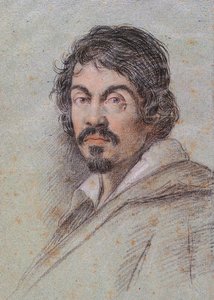
Karavaggio
1571 - 1610 , Spanien
Kurzinfos
- Beeinflusste Künstler:
- Peter Paul Rubens
- Jusepe de Ribera
- Gerrit van Honthorst
- Bemerkenswerte Werke:
- Die Wahrsagerin
- Das Abendmahl zu Emmaus
- Heiliger Franziskus in Ekstase
- Die Absetzung Christi
- David mit dem Kopf des Goliath
- Geburtsdatum: 1571
- Geburtsort: Mailand, Spanien
- Künstlerische Bewegung: Barockmalerei
- Künstlerische Einflüsse:
- Simone Peterzano
- Tizian
- Leonardo da Vinci
- Michelangelo
- Nationalität: Italienisch
- Todatum: 1610
- Vollständiger Name: Michelangelo Merisi da Caravaggio
Ähnliche Artikel

Barock Meisterwerke: Die 10 prägendsten Kunstwerke für Ihr Zuhause |
Entdecken Sie die 10 prägendsten Meisterwerke des Barock! Caravaggio, Rembrandt & Co. – Erfahren Sie die Geschichten hinter ikonischen Gemälde und finden Sie hochwertige Kunst Reproduktionen für Ihr Zuhause auf .
Chiaroscuro & Emotional Resonance: Exploring Dramatic Light in Western Painting
Explore the captivating world of chiaroscuro & tenebrism! Discover Caravaggio's influence, Baroque masters, and the enduring power of dramatic lighting in art history. Learn about these techniques with ArtsDot.

The Visceral Stage: Exploring Dramatic Narratives & Emotional Intensity in Baroque Art
Explore the dramatic world of Baroque art! Discover iconic masters like Caravaggio & Rembrandt, their techniques, and the movement's lasting impact. Expert insights for collectors & enthusiasts at ArtsDot.

The Dramatic Flourish: Exploring the Baroque Movement's Enduring Legacy in Art History
Explore the dramatic world of Baroque art! Discover iconic artists like Caravaggio & Rubens, defining techniques, and its lasting impact on art history. Expert insights for collectors & enthusiasts at ArtsDot.
Illuminating Shadows: A Comprehensive Exploration of Chiaroscuro Technique in Art History
Explore the captivating world of chiaroscuro! Discover its history, masters like Caravaggio & de La Tour, and enduring influence on art. A comprehensive guide for enthusiasts.