 Vorschau anzeigen
 Versenden
 Teilen
 Details anzeigen

 Herunterladen
 Ähnliche Objekte
 Röntgenaufnahme
 Diashow
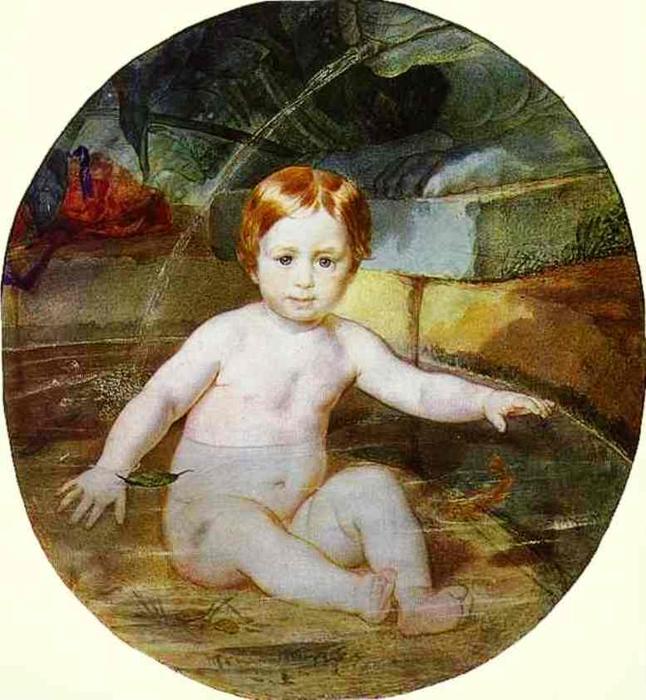
Child in a Swimming Pool (Portrait of Prince A.G. Gagarin in Childhood)


 Weiterlesen
Handgefertigte Ölreproduktion
Handgemaltes Ölgemälde auf Leinwand in Ihrer Wunschgröße und mit Rahmen, auf Bestellung von unseren Künstlern angefertigt. ( Druck bestellen Bild kaufen)




P118B $10

P118H $10

P118W $10

P438Z $10

P508JH $12

P508YH $12

P805H $10

P805Z $10

P919BZ $10

P919G $10

P919XJ $10

P959ZH $10

P968JZ $12

W106C $8

W218G $10

W218JH $8

W218Y $10

W307PJ $10

W316G $10

W316PJ $8

W316Y $10

W398PJ $8

W4111J $10

W500HY $15

W500JH $15

W692G $12

W849H $8

W940BG $15

W953PJ $8




Wählen Sie aus unseren vordefinierten Formaten, die den ursprünglichen Proportionen des Kunstwerks entsprechen.

Sie können Ihre eigenen Maße eingeben, um einen bestimmten Rahmen oder Platz auszufüllen. Wenn die gewählte Größe nicht den Proportionen des Originalbildes entspricht, werden wir das Kunstwerk entweder beschneiden oder das Gemälde durch zusätzliche, handgemalte Elemente erweitern. Ein digitales Mockup wird Ihnen zur Genehmigung zugesandt, bevor die Produktion beginnt.
Bitte beachten Sie, dass die Bildschirmvorschau nicht die tatsächliche Beschneidung oder Erweiterung widerspiegelt. Nur das Mockup zeigt die endgültige Komposition exakt an.
Obwohl Sondermaße verfügbar sind, empfehlen wir, eine Größe aus der vordefinierten Liste zu wählen, um die ursprünglichen Proportionen beizubehalten.
Nach der Bestellung wird das ArtsDot.com-Team dem Kunden Anweisungen per E-Mail zusenden und eine Mockup-Vorschau bereitstellen.
Weltweiter Versand () in nur 3 bis 4 Wochen statt der üblichen 5 Wochen. (5 September). Keine Kompromisse bei der Qualität.

Kostenloser weltweiter Expressversand

Hochwertige Leinenleinwand

Umfassender Versicherungsschutz beim Versand

Zollgebühren-Rückerstattungsgarantie

Garantie für exakte Farbtreue

60 Tage Rückgaberecht (nur bei Mängeln)

100% Geld-zurück-Garantie

Mengenrabatt verfügbar
 Die Glasoption ist nur für Größen unter 110 cm verfügbar.

Child in a Swimming Pool (Portrait of Prince A.G. Gagarin in Childhood)
Art der Reproduktion
Format der Reproduktion
-


Gesamtpreis
$ 263
A Moment Frozen in Time: Karl Bryullov’s “Child in a Swimming Pool”
Karl Pavlovich Bryullov's "Child in a Swimming Pool," painted in 1829, is more than just a charming pastoral scene; it’s a poignant meditation on innocence, fleeting beauty, and the ephemeral nature of childhood. This watercolor masterpiece, currently residing within the hallowed halls of the Tretyakov Gallery in Moscow, captures a young boy – widely believed to be Prince Alexander Gagarin, a future figure in Russian history – immersed in a tranquil pool surrounded by lush greenery. Bryullov’s skill isn't merely technical; it lies in his ability to imbue this simple tableau with an almost unbearable sense of serenity and vulnerability.
The painting immediately draws the eye to the boy, seated comfortably on the edge of the water, his hands resting gently on his knees. His posture is relaxed, suggesting a profound contentment – a state of blissful detachment from the world outside. The light, rendered with Bryullov’s characteristic mastery of watercolor, filters through the leaves, casting dappled shadows and highlighting the boy's youthful features. Notice how the artist uses subtle gradations of color to create an atmosphere of hazy warmth, evoking a feeling of summer afternoon tranquility.
Romanticism and the Power of Observation
Bryullov was a pivotal figure in Russian Romanticism, a movement that prioritized emotion, imagination, and the beauty of nature. Unlike the rigid formalism of Neoclassicism, Bryullov embraced spontaneity and emotional intensity. He found inspiration not just in grand historical narratives but also in everyday life – as evidenced by this intimate portrait. His training at the Imperial School for the Arts, while providing a foundation in classical techniques, ultimately led him to reject those constraints, forging his own distinctive style.
The painting’s genesis is intertwined with Bryullov's fascination with Italy and its artistic heritage. He deeply admired the works of Raphael and Michelangelo, particularly their ability to capture human emotion and create a sense of drama through light and shadow. This influence is evident in "Child in a Swimming Pool," where Bryullov skillfully employs chiaroscuro – the dramatic contrast between light and dark – to heighten the painting’s emotional impact.
Symbolism and the Fleeting Nature of Youth
Beyond its surface beauty, “Child in a Swimming Pool” is rich with symbolism. The swimming pool itself represents innocence and purity, while the surrounding greenery symbolizes growth and vitality. The boy's relaxed posture suggests a state of contentment and freedom from worldly concerns – qualities often associated with childhood. However, there’s also an undercurrent of melancholy, a recognition that this idyllic moment is fleeting.
Some art historians have suggested that the painting subtly alludes to mortality. The boy’s youthful appearance juxtaposed against the backdrop of nature's cyclical rhythms – the changing seasons, the growth and decay of plants – serves as a poignant reminder of the transience of life. The bird soaring overhead could be interpreted as a symbol of freedom or perhaps even foreshadowing, hinting at the boy’s future destiny.
A Legacy in Watercolor
“Child in a Swimming Pool” stands as a testament to Bryullov's artistic genius and his ability to capture the essence of human emotion. The delicate washes of watercolor create a luminous effect that is both captivating and deeply moving. The painting’s enduring appeal lies not only in its technical brilliance but also in its profound exploration of universal themes – innocence, beauty, and the bittersweet passage of time. It remains a cherished masterpiece within the Tretyakov Gallery, inviting viewers to pause and contemplate the simple joys of childhood and the fleeting nature of life itself.
For those seeking a high-quality reproduction of this iconic artwork, ArtsDot.com offers meticulously crafted oil painting reproductions that faithfully capture the original’s beauty and detail.
Ähnliche Kunstwerke
Über den Künstler
Karl Pavlovich Bryullov: Ein Leben im Romantik
Frühes Leben und Ausbildung
Karl Pavlovich Bryullov (geboren Karl Briullo) wurde am 23. Dezember 1799 in St. Petersburg, Russland, geboren. Sein Vater, Pavel Ivanovich Briullo, war ein Akademiker, Holzschnitzer und Graveur hugenottischer Abstammung, der seinem Sohn schon früh eine Liebe für die Künste vermittelte. Bryullovs künstlerische Reise begann unter der Anleitung seines Vaters, bevor er 1809 an die kaiserliche Kunstschule in St. Petersburg eingeschult wurde.
Künstlerische Entwicklung und Einflüsse
Obwohl er innerhalb eines klassischen Rahmens ausgebildet wurde, hat Bryullov die starren Grenzen dieser Tradition nie vollständig angenommen. Er spürte schon früh eine starke Sehnsucht nach Italien, und seine künstlerische Entwicklung wurde maßgeblich von italienischen Renaissance-Meistern geprägt. Seine Werke zeugen von Einflüssen von Künstlern wie Raffael, Michelangelo und Caravaggio, insbesondere in ihrer dramatischen Verwendung von Licht und Schatten sowie ihrer Meisterschaft im anatomischen Detail.
- Er zeichnete sich als vielversprechender Student aus und zeigte während seiner Ausbildung seine fantasievolle Begabung.
- Nach Abschluss seines Studiums zog er 1821 nach Rom, wo er über ein Jahrzehnt lang seine Fähigkeiten verfeinerte.
Wichtige Leistungen und bemerkenswerte Werke
Bryullovs Durchbruch kam mit “Der letzte Tag von Pompeji” (1830-1833), einem monumentalen historischen Gemälde, das ihn international berühmt machte. Das Werk, das den chaotischen Ausbruch des Vesuvs darstellt, wurde für seine dramatische Komposition, emotionale Intensität und technische Brillanz gelobt. Es erhielt großen Lob von Zeitgenossen wie Puschkin und Gogol.
- “Die Hinrichtung eines Zaren” (1827) – Ein frühes Werk, das seine Fähigkeiten in der historischen Erzählung demonstriert.
- “Die Verteidigung des Grabes” (1846) - Zeigt Bryullovs Fähigkeit, Emotionen und historische Genauigkeit auszugleichen.
- "Prinzessin Julija Pawlowna Samoilowa verlässt einen Ball mit ihrer Adoptivtochter Amacilia Pacini" (1832) – Ein beeindruckendes Beispiel für seine Porträtfähigkeiten.
- “Genserichs Invasion Roms” (1835) - Eine weitere dramatische historische Szene, die barocke Einflüsse zeigt.
Karriere und spätere Jahre
Nach dem Erfolg von “Der letzte Tag von Pompeji” kehrte Bryullov nach Russland triumphierend zurück und sicherten sich eine prestigeträchtige Position an der kaiserlichen Kunstakademie 1836. Er lehrte dort bis 1848 und beeinflusste eine Generation russischer Künstler.
- Er entwickelte einen unverwechselbaren Porträtstil, der neoclassizistische Einfachheit mit romantischen Sensibilitäten verband.
- Seine Gesundheit verschlechterte sich während der Arbeit an der Kuppel des Sankt-Isaks-Domes.
- Im Jahr 1849 verließ er Russland auf der Suche nach verbesserter Gesundheit nach Madeira und ließ sich schließlich in der Nähe Roms, Italien, nieder.
Historische Bedeutung und Vermächtnis
Karl Pavlovich Bryullov gilt als eine zentrale Figur des russischen Romantikers. Seine Werke markierten einen Übergang zu größerer emotionaler Ausdrucksweise und dramatischer Erzählung in der russischen Kunst. Er schloss die Lücke zwischen neoklassischer Formalität und dem aufkommenden Romantik-Bewegung, was nachfolgende Generationen von Künstlern beeinflusste, darunter Gavriil Gorelov.
Bryullovs Vermächtnis reicht über seine Gemälde hinaus; er war ein angesehener Lehrer und ein Verfechter künstlerischer Innovation. Seine Beiträge festigten seinen Platz als einer der größten visuellen Künstler Russlands und hinterließen einen bleibenden Eindruck am kulturellen Erbe des Landes. Er starb am 23. Juni 1852 in der Nähe von Rom und wurde im Cimitero Acattolico beigesetzt.
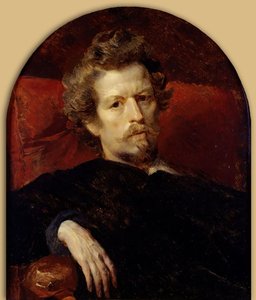
karl pavlovich bryullov
1799 - 1852 , Russland
Kurzinfos
- Artistic Movement Or Style: Romantik
- Artists Who Influenced This Artist:
- Raphael
- Michelangelo
- Caravaggio
- Date Of Birth: 12 Dezember 1799
- Full Name: Karl Pavlovich Bryullov
- Nationality: Russisch
- Notable Artworks:
- Der letzte Tag von Pompeji
- Die Hinrichtung eines Zaren
- Die Verteidigung des Grabes
- Place Of Birth: Saint Petersburg, Russland
Ähnliche Artikel

Die 10 legendärsten Aquarellwerke der Kunstgeschichte – Meisterwerke für Ihr Zuhause
Entdecken Sie die 10 legendärsten Aquarellwerke der Kunstgeschichte! Von Turner bis Monet – erleben Sie die Geschichten, Techniken & Farben dieser Meisterwerke. Finden Sie hochwertige Kunstdrucke auf ArtsDot.com und gestalten Sie Ihr Zuhause mit zeitloser Eleganz.

Ephemeral Visions: Exploring the Artistic Legacy & Contemporary Practice of Watercolor Painting
Explore the captivating world of watercolor painting! Discover its rich history, essential techniques, influential artists & collecting tips. A comprehensive guide for art enthusiasts from ArtsDot.

Flüchtige Visionen: Die Geschichte und emotionale Resonanz der Aquarellmalerei
Entdecken Sie die faszinierende Welt der Aquarellmalerei! Von historischen Ursprüngen bis zu modernen Techniken – wir bieten Expertenwissen, Inspiration und Tipps für Anfänger & Fortgeschrittene.

Ephemeral Visions: Exploring the Artistic Legacy & Nuances of Watercolor Painting
Explore the captivating world of watercolor painting! Discover its rich history, essential techniques, influential artists & collecting tips from art experts. A comprehensive guide for enthusiasts.

Die zeitlose Anziehungskraft der Aquarellmalerei: Geschichte, Techniken und zeitgenössische Praxis
Entdecken Sie die faszinierende Welt der Aquarellmalerei! Geschichte, Techniken & zeitgenössische Kunst – Expertenwissen von für Kunstliebhaber.