 Vorschau anzeigen
 Versenden
 Teilen
 Details anzeigen

 Herunterladen
 Ähnliche Objekte
 Röntgenaufnahme
 Diashow
 Stats
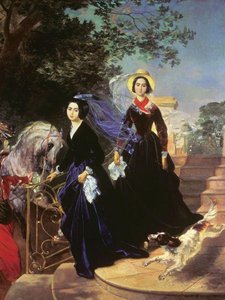
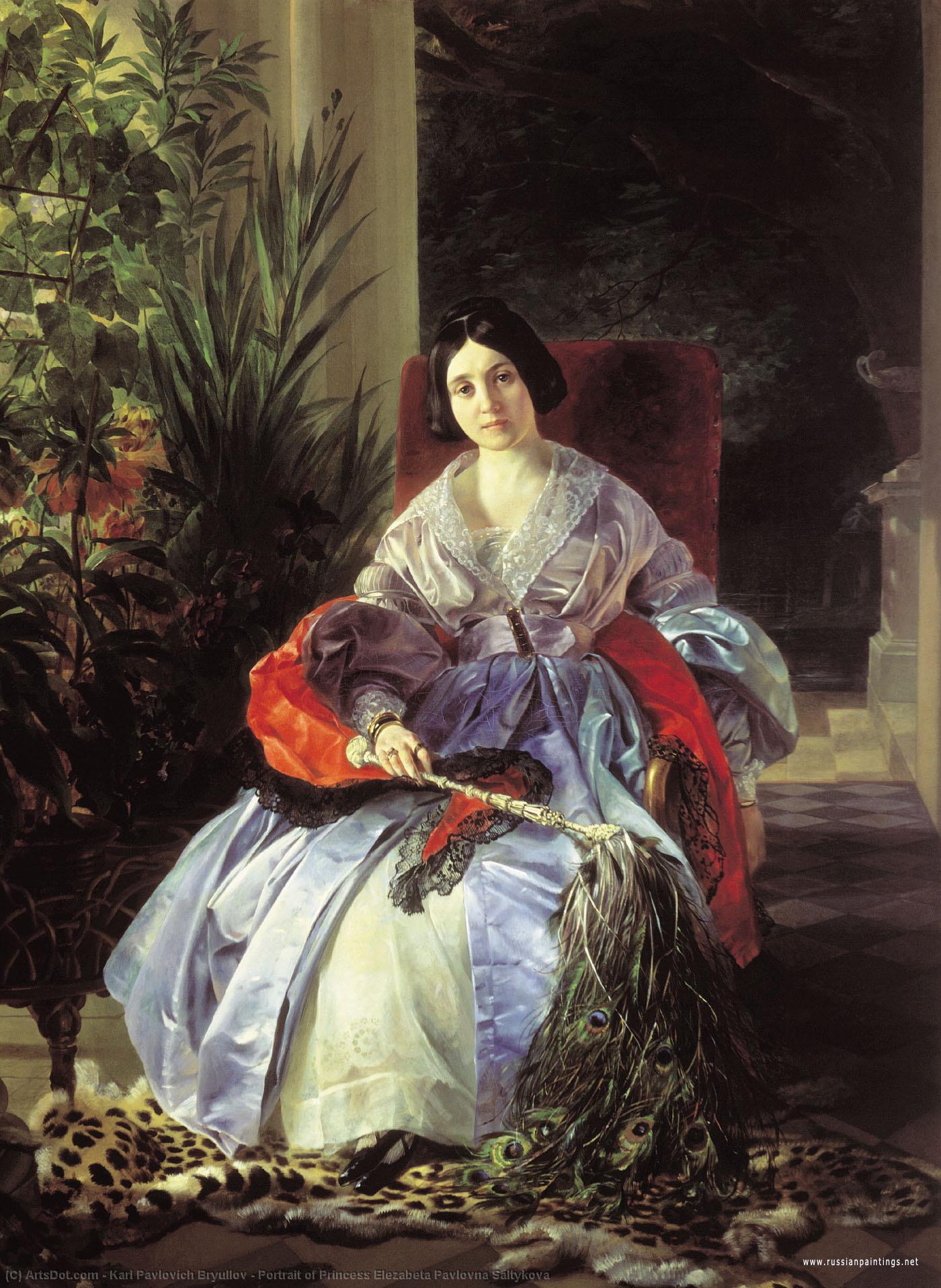
StatsPortrait of Princess Elezabeta Pavlovna Saltykova
 Acrylic
- WallArt
- Romanticism
 1841
1841 200.0 x 142.0 cm
 Staatliches Russisches Museum
 Weiterlesen
Giclée / Kunstdruck
Giclée- oder Leinwanddruck in Museumsqualität mit schneller Produktion und flexiblen Veredelungsoptionen. ( Handgemalte Reproduktion bestellen Switch to Digital Image)




P118B $10

P118H $10

P118W $10

P438Z $10

P508JH $12

P508YH $12

P805H $10

P805Z $10

P919BZ $10

P919G $10

P919XJ $10

P959ZH $10

P968JZ $12

W106C $8

W218G $10

W218JH $8

W218Y $10

W307PJ $10

W316G $10

W316PJ $8

W316Y $10

W398PJ $8

W4111J $10

W500HY $15

W500JH $15

W692G $12

W849H $8

W940BG $15

W953PJ $8




Wählen Sie aus unseren vordefinierten Formaten, die den ursprünglichen Proportionen des Kunstwerks entsprechen.

Sie können Ihre eigenen Maße eingeben, um ein bestimmtes Format oder einen speziellen Platz einzupassen. Wenn das von Ihnen gewählte Format nicht den Proportionen des Originalbildes entspricht, werden wir das Kunstwerk entweder beschneiden oder das Bild mit einem gespiegelten oder einfarbigen Rand erweitern. Ein digitaler Entwurf wird Ihnen zur Genehmigung zugesandt, bevor die Produktion beginnt.
Bitte beachten Sie, dass die Vorschau auf dem Bildschirm nicht den tatsächlichen Zuschnitt oder die Erweiterung widerspiegelt. Nur der Entwurf zeigt die endgültige Komposition präzise an.
Obwohl Sondermaße verfügbar sind, empfehlen wir die Auswahl eines Maßes aus der vordefinierten Liste, um die ursprünglichen Proportionen zu bewahren.
Weltweiter Versand () innerhalb von 2 Wochen statt der üblichen 4/5 Wochen. (8 September)

Kostenloser weltweiter Expressversand

Hochwertige Leinenleinwand

Umfassender Versicherungsschutz beim Versand

Zollgebühren-Rückerstattungsgarantie

Garantie für exakte Farbtreue

100-Tage-Rückgaberecht (nur bei Mängeln)

100% Geld-zurück-Garantie

Mengenrabatt verfügbar
 Die Glasoption ist nur für Größen unter 110 cm verfügbar.

Portrait of Princess Elezabeta Pavlovna Saltykova
Giclée / Kunstdruck
Format der Reproduktion
-


Gesamtpreis
$ 62
Portrait of Princess Elezabeta Pavlovna Saltykova – A Symphony of Light and Grace
Karl Pavlovich Bryullov’s “Portrait of Princess Elezabeta Pavlovna Saltykova” stands as a testament to Romanticism's fascination with capturing the essence of human emotion within meticulously rendered detail. Painted in 1841, this masterpiece resides within the State Russian Museum’s collection and embodies Bryullov’s signature style—a masterful blend of classical precision and dramatic chiaroscuro that elevates the subject beyond mere likeness into a symbol of aristocratic refinement and inner contemplation. The painting depicts Princess Elezabeta seated gracefully on a chair with her legs crossed, radiating an aura of serene dignity. Her attire is sumptuous – a lilac gown adorned with intricate lace trim—reflecting the opulent tastes of the Russian aristocracy during Bryullov’s time. However, it's not merely visual splendor that commands attention; rather, it’s Bryullov’s masterful manipulation of light and shadow that imbues the portrait with profound emotional resonance. The diffused sunlight illuminates Elezabeta’s face, highlighting her delicate features—a high forehead, translucent skin, and penetrating gray eyes—revealing a gaze imbued with thoughtfulness and perhaps melancholy. This subtle expression speaks volumes about the princess's inner life, hinting at complexities beneath the surface of aristocratic composure.- Style: Romanticism – Bryullov’s work exemplifies the movement’s emphasis on emotion, imagination, and dramatic lighting effects.
- Technique: Oil on Canvas – Bryullov employed traditional oil painting techniques to achieve remarkable textural detail and luminous color palettes.
- Historical Context: The portrait was created during a period of significant social and political change in Russia—the reign of Tsar Nicholas I—characterized by conservative values and an idealized vision of aristocratic life.
Symbolism Within Elegance – Layers of Meaning
Beyond its aesthetic beauty, “Portrait of Princess Saltykova” is rich in symbolic elements that contribute to its overall impact. The chair upon which Elezabeta sits symbolizes stability and authority—reflecting the princess’s position within the royal family. Her crossed legs convey a sense of poise and control, reinforcing her regal bearing. Furthermore, Bryullov's use of light – specifically the soft illumination bathing Elezabeta’s face – serves as a powerful metaphor for inner radiance and spiritual contemplation. The subtle shading around her eyes suggests introspection and conveys an unspoken depth of emotion. The delicate fan held in her hand is not merely an accessory but represents refinement, grace, and perhaps even a veiled gesture of modesty—a characteristic often associated with aristocratic women during the Romantic era.- The Fan: Represents elegance, grace, and subtle modesty – a hallmark of aristocratic femininity.
- Light & Shadow: Symbolizes inner contemplation and spiritual illumination – conveying Bryullov’s masterful use of chiaroscuro to evoke emotion.
A Masterpiece Revisited – Reproduction Considerations
Today, reproductions of “Portrait of Princess Saltykova” are available in various formats—ranging from high-resolution prints to framed canvases—allowing art enthusiasts worldwide to experience Bryullov’s artistic vision firsthand. When selecting a reproduction, prioritize archival quality materials and printing techniques to ensure that the artwork retains its vibrancy and luminosity for generations to come. Consider framing options that complement the painting's aesthetic—a simple white mat enhances its elegance without distracting from the central image. The State Russian Museum’s original canvas offers unparalleled visual fidelity, capturing Bryullov’s nuanced brushstrokes and masterful use of light with breathtaking accuracy.- Recommended Reproduction Materials: Archival Quality Canvas & Ink
- Framing Suggestions: White Mat – Enhances Elegance Without Distraction
Further Exploration – Connecting to Bryullov’s Legacy
Karl Pavlovich Bryullov's influence extends far beyond “Portrait of Princess Saltykova,” shaping the course of Russian Romantic art and establishing him as one of the era’s foremost painters. His exploration of psychological realism—combined with his dramatic rendering of light and shadow—continues to inspire artists today. To delve deeper into Bryullov’s oeuvre, explore works such as “Italian Midday” and “Pompei,” which showcase his unparalleled ability to convey emotion through visual storytelling. These paintings stand alongside "Portrait of Princess Saltykova" as enduring symbols of Romantic artistic achievement.Ähnliche Kunstwerke



Über den Künstler
Karl Pavlovich Bryullov: Ein Leben im Romantik
Frühes Leben und Ausbildung
Karl Pavlovich Bryullov (geboren Karl Briullo) wurde am 23. Dezember 1799 in St. Petersburg, Russland, geboren. Sein Vater, Pavel Ivanovich Briullo, war ein Akademiker, Holzschnitzer und Graveur hugenottischer Abstammung, der seinem Sohn schon früh eine Liebe für die Künste vermittelte. Bryullovs künstlerische Reise begann unter der Anleitung seines Vaters, bevor er 1809 an die kaiserliche Kunstschule in St. Petersburg eingeschult wurde.
Künstlerische Entwicklung und Einflüsse
Obwohl er innerhalb eines klassischen Rahmens ausgebildet wurde, hat Bryullov die starren Grenzen dieser Tradition nie vollständig angenommen. Er spürte schon früh eine starke Sehnsucht nach Italien, und seine künstlerische Entwicklung wurde maßgeblich von italienischen Renaissance-Meistern geprägt. Seine Werke zeugen von Einflüssen von Künstlern wie Raffael, Michelangelo und Caravaggio, insbesondere in ihrer dramatischen Verwendung von Licht und Schatten sowie ihrer Meisterschaft im anatomischen Detail.
- Er zeichnete sich als vielversprechender Student aus und zeigte während seiner Ausbildung seine fantasievolle Begabung.
- Nach Abschluss seines Studiums zog er 1821 nach Rom, wo er über ein Jahrzehnt lang seine Fähigkeiten verfeinerte.
Wichtige Leistungen und bemerkenswerte Werke
Bryullovs Durchbruch kam mit “Der letzte Tag von Pompeji” (1830-1833), einem monumentalen historischen Gemälde, das ihn international berühmt machte. Das Werk, das den chaotischen Ausbruch des Vesuvs darstellt, wurde für seine dramatische Komposition, emotionale Intensität und technische Brillanz gelobt. Es erhielt großen Lob von Zeitgenossen wie Puschkin und Gogol.
- “Die Hinrichtung eines Zaren” (1827) – Ein frühes Werk, das seine Fähigkeiten in der historischen Erzählung demonstriert.
- “Die Verteidigung des Grabes” (1846) - Zeigt Bryullovs Fähigkeit, Emotionen und historische Genauigkeit auszugleichen.
- "Prinzessin Julija Pawlowna Samoilowa verlässt einen Ball mit ihrer Adoptivtochter Amacilia Pacini" (1832) – Ein beeindruckendes Beispiel für seine Porträtfähigkeiten.
- “Genserichs Invasion Roms” (1835) - Eine weitere dramatische historische Szene, die barocke Einflüsse zeigt.
Karriere und spätere Jahre
Nach dem Erfolg von “Der letzte Tag von Pompeji” kehrte Bryullov nach Russland triumphierend zurück und sicherten sich eine prestigeträchtige Position an der kaiserlichen Kunstakademie 1836. Er lehrte dort bis 1848 und beeinflusste eine Generation russischer Künstler.
- Er entwickelte einen unverwechselbaren Porträtstil, der neoclassizistische Einfachheit mit romantischen Sensibilitäten verband.
- Seine Gesundheit verschlechterte sich während der Arbeit an der Kuppel des Sankt-Isaks-Domes.
- Im Jahr 1849 verließ er Russland auf der Suche nach verbesserter Gesundheit nach Madeira und ließ sich schließlich in der Nähe Roms, Italien, nieder.
Historische Bedeutung und Vermächtnis
Karl Pavlovich Bryullov gilt als eine zentrale Figur des russischen Romantikers. Seine Werke markierten einen Übergang zu größerer emotionaler Ausdrucksweise und dramatischer Erzählung in der russischen Kunst. Er schloss die Lücke zwischen neoklassischer Formalität und dem aufkommenden Romantik-Bewegung, was nachfolgende Generationen von Künstlern beeinflusste, darunter Gavriil Gorelov.
Bryullovs Vermächtnis reicht über seine Gemälde hinaus; er war ein angesehener Lehrer und ein Verfechter künstlerischer Innovation. Seine Beiträge festigten seinen Platz als einer der größten visuellen Künstler Russlands und hinterließen einen bleibenden Eindruck am kulturellen Erbe des Landes. Er starb am 23. Juni 1852 in der Nähe von Rom und wurde im Cimitero Acattolico beigesetzt.
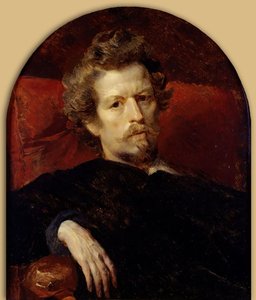
karl pavlovich bryullov
1799 - 1852 , Russland
Kurzinfos
- Artistic Movement Or Style: Romantik
- Artists Who Influenced This Artist:
- Raphael
- Michelangelo
- Caravaggio
- Date Of Birth: 12 Dezember 1799
- Full Name: Karl Pavlovich Bryullov
- Nationality: Russisch
- Notable Artworks:
- Der letzte Tag von Pompeji
- Die Hinrichtung eines Zaren
- Die Verteidigung des Grabes
- Place Of Birth: Saint Petersburg, Russland
Ähnliche Artikel
Karl Bryullov: Romanticism's Dramatic Vision & Shaping Russian Historical Painting
Explore the dramatic world of Karl Bryullov, a pivotal figure in Russian Romanticism. Discover his masterpieces like 'The Last Day of Pompeii' and learn about his lasting influence on 19th-century art history.
Öl auf Leinwand: Die 10 Meisterwerke, die Kunst für immer veränderten |
Entdecken Sie die 10 legendärsten Öl auf Leinwand Meisterwerke! Von Van Gogh bis Monet – erfahren Sie die Geschichten hinter ikonischen Gemälden und lassen Sie sich von Kunstgeschichte inspirieren. Hochwertige Reproduktionen für Ihr Zuhause finden Sie auf .

The Enduring Legacy of Oil on Canvas: Technique, History & Aesthetic Impact
Explore the rich history & techniques of oil painting – from Renaissance masters to Impressionism. Discover pigments, layering methods, and why this timeless medium endures. Expert insights for artists & art enthusiasts.

Das bleibende Erbe der Ölmalerei: Technik, Geschichte und zeitgenössische Praxis
Entdecken Sie die faszinierende Geschichte der Ölmalerei – von den frühen Techniken bis zur modernen Kunst. Expertenwissen, detaillierte Analysen und Inspiration für Sammler & Kunstliebhaber.

Öl auf Leinwand: Eine historische und technische Erkundung eines zeitlosen künstlerischen Mediums
Entdecken Sie die faszinierende Welt der Ölmalerei! Von historischen Techniken bis zur modernen Anwendung – wir bieten Expertenwissen, Restaurierungstipps und hochwertige Reproduktionen. Jetzt informieren!