 Vorschau anzeigen
 Versenden
 Teilen
 Details anzeigen

 Herunterladen
 Ähnliche Objekte
 Röntgenaufnahme
 Diashow
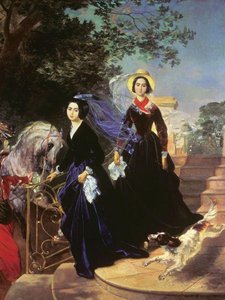
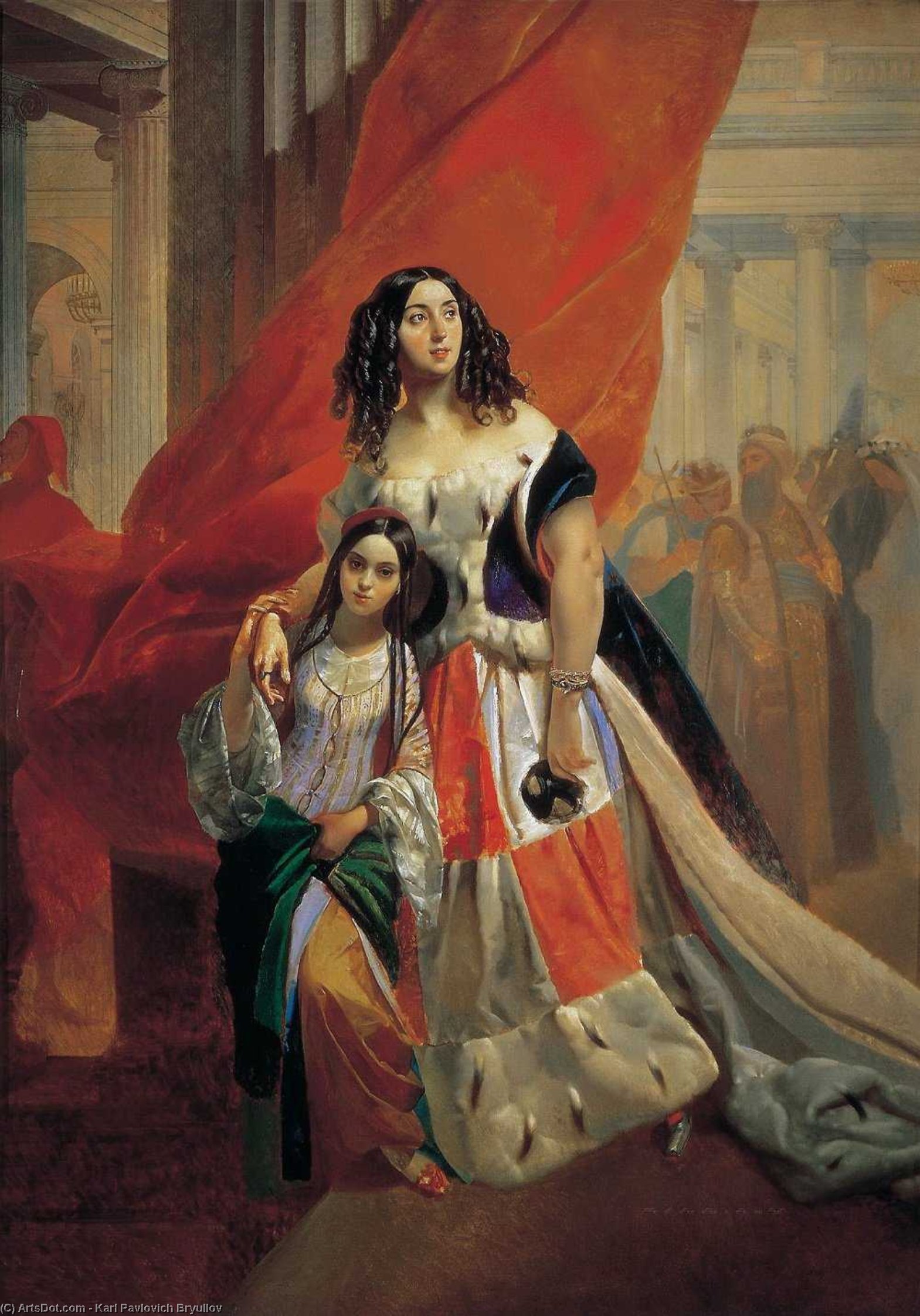
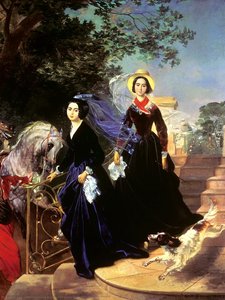
Princess Yuliya Pavlovna Samoilova Leaving a Ball with Adopted Daughter Amacilia Pacini
 Öl auf Leinwand
- Wandkunst
- Romanticism
 249.0 x 176.0 cm
 Staatliches Russisches Museum
 Weiterlesen
Handgefertigte Ölreproduktion
Handgemaltes Ölgemälde auf Leinwand in Ihrer Wunschgröße und mit Rahmen, auf Bestellung von unseren Künstlern angefertigt. ( Druck bestellen Bild kaufen)




P118B $10

P118H $10

P118W $10

P438Z $10

P508JH $12

P508YH $12

P805H $10

P805Z $10

P919BZ $10

P919G $10

P919XJ $10

P959ZH $10

P968JZ $12

W106C $8

W218G $10

W218JH $8

W218Y $10

W307PJ $10

W316G $10

W316PJ $8

W316Y $10

W398PJ $8

W4111J $10

W500HY $15

W500JH $15

W692G $12

W849H $8

W940BG $15

W953PJ $8




Wählen Sie aus unseren vordefinierten Formaten, die den ursprünglichen Proportionen des Kunstwerks entsprechen.

Sie können Ihre eigenen Maße eingeben, um einen bestimmten Rahmen oder Platz auszufüllen. Wenn die gewählte Größe nicht den Proportionen des Originalbildes entspricht, werden wir das Kunstwerk entweder beschneiden oder das Gemälde durch zusätzliche, handgemalte Elemente erweitern. Ein digitales Mockup wird Ihnen zur Genehmigung zugesandt, bevor die Produktion beginnt.
Bitte beachten Sie, dass die Bildschirmvorschau nicht die tatsächliche Beschneidung oder Erweiterung widerspiegelt. Nur das Mockup zeigt die endgültige Komposition exakt an.
Obwohl Sondermaße verfügbar sind, empfehlen wir, eine Größe aus der vordefinierten Liste zu wählen, um die ursprünglichen Proportionen beizubehalten.
Nach der Bestellung wird das ArtsDot.com-Team dem Kunden Anweisungen per E-Mail zusenden und eine Mockup-Vorschau bereitstellen.
Weltweiter Versand () in nur 3 bis 4 Wochen statt der üblichen 5 Wochen. (4 September). Keine Kompromisse bei der Qualität.

Kostenloser weltweiter Expressversand

Hochwertige Leinenleinwand

Umfassender Versicherungsschutz beim Versand

Zollgebühren-Rückerstattungsgarantie

Garantie für exakte Farbtreue

60 Tage Rückgaberecht (nur bei Mängeln)

100% Geld-zurück-Garantie

Mengenrabatt verfügbar
 Die Glasoption ist nur für Größen unter 110 cm verfügbar.

Princess Yuliya Pavlovna Samoilova Leaving a Ball with Adopted Daughter Amacilia Pacini
Art der Reproduktion
Format der Reproduktion
-


Gesamtpreis
$ 288
A Portrait Steeped in Romantic Grandeur: Bryullov’s “Horsewoman”
The canvas breathes with an immediacy rarely achieved by artists of its era—a testament to Karl Pavlovich Bryullov's masterful command of Romanticism. Completed around 1840, "Horsewoman," housed prominently within the Tretyakov Gallery in Moscow, transcends mere depiction; it’s a carefully constructed narrative designed to evoke profound emotion and celebrate idealized beauty. Bryullov wasn’t simply capturing an image; he was striving to embody a spirit—a spirit of youthful vigor, aristocratic refinement, and unwavering faith in artistic expression itself.The Subject Matter: Beyond Mere Representation
At first glance, the painting presents a seemingly simple scene: a young woman astride a magnificent horse, bathed in dappled sunlight. However, Bryullov’s genius lies in elevating this commonplace subject to something extraordinary. The horsewoman isn't merely a rider; she embodies grace and nobility—a symbol of feminine strength tempered by elegance. Her posture exudes confidence, yet her gaze holds a hint of melancholy, suggesting an awareness of the fleeting nature of beauty and youth. Bryullov meticulously rendered every detail, from the horse’s muscular physique to the woman's flowing gown, demonstrating his unparalleled skill in anatomical accuracy and textural representation. This wasn’t merely about portraying what was seen; it was about conveying a deeper truth—the sublime power of observation and artistic interpretation.Romantic Technique: Light and Shadow as Emotional Drivers
Bryullov’s technique exemplifies the core tenets of Romanticism, prioritizing expressive color and dramatic lighting over strict adherence to classical conventions. He employed glazing – applying thin layers of translucent pigment over previous coats – to achieve luminous effects that illuminate the woman's face and dress with an ethereal glow. The artist skillfully manipulated shadows to sculpt form and create a sense of depth, emphasizing the grandeur of the horse’s surroundings and enhancing the emotional impact of the scene. Bryullov’s brushwork is loose and fluid, conveying movement and dynamism—a deliberate departure from the smooth surfaces favored by Neoclassical painters. This textural richness contributes significantly to the painting's immersive quality, inviting viewers into a world brimming with sensory experience.Historical Context: A Celebration of Artistic Idealism
“Horsewoman” emerged during a period marked by significant intellectual and artistic ferment—the Romantic era’s reaction against Enlightenment rationalism. Bryullov sought inspiration from artists like Michelangelo and Caravaggio, embracing their dramatic use of light and shadow to convey emotion and spiritual significance. The painting reflects the Romantic preoccupation with sublime landscapes and heroic figures—a desire to recapture the grandeur of antiquity and express profound feelings of awe and wonder. It served as a powerful affirmation of artistic idealism, demonstrating Bryullov’s conviction that art could elevate humanity and inspire moral contemplation.Symbolism: Echoes of Mythic Beauty
Beyond its visual splendor, “Horsewoman” is laden with symbolic meaning. The horse itself represents nobility, freedom, and untamed passion—qualities admired by Romantic artists as emblems of human potential. The woman’s attire—a flowing gown adorned with shimmering embellishments—symbolizes femininity, grace, and spiritual purity. Bryullov's masterful composition reinforces these themes, creating a harmonious balance between light and darkness, strength and vulnerability. He invites viewers to contemplate the enduring beauty of nature and the transformative power of artistic vision—a legacy that continues to resonate powerfully today.Emotional Impact: A Timeless Resonance
Ultimately, “Horsewoman” succeeds in capturing a profound emotional resonance—a feeling of sublime beauty mingled with poignant melancholy. Bryullov’s evocative use of color and light transports viewers back to 19th-century Russia, immersing them in an atmosphere of aristocratic splendor and artistic fervor. The painting's enduring appeal lies in its ability to evoke universal themes of youth, passion, and the contemplation of mortality—a testament to Bryullov’s genius as a storyteller and his unwavering commitment to capturing the essence of human experience.Ähnliche Kunstwerke

Über den Künstler
Karl Pavlovich Bryullov: Ein Leben im Romantik
Frühes Leben und Ausbildung
Karl Pavlovich Bryullov (geboren Karl Briullo) wurde am 23. Dezember 1799 in St. Petersburg, Russland, geboren. Sein Vater, Pavel Ivanovich Briullo, war ein Akademiker, Holzschnitzer und Graveur hugenottischer Abstammung, der seinem Sohn schon früh eine Liebe für die Künste vermittelte. Bryullovs künstlerische Reise begann unter der Anleitung seines Vaters, bevor er 1809 an die kaiserliche Kunstschule in St. Petersburg eingeschult wurde.
Künstlerische Entwicklung und Einflüsse
Obwohl er innerhalb eines klassischen Rahmens ausgebildet wurde, hat Bryullov die starren Grenzen dieser Tradition nie vollständig angenommen. Er spürte schon früh eine starke Sehnsucht nach Italien, und seine künstlerische Entwicklung wurde maßgeblich von italienischen Renaissance-Meistern geprägt. Seine Werke zeugen von Einflüssen von Künstlern wie Raffael, Michelangelo und Caravaggio, insbesondere in ihrer dramatischen Verwendung von Licht und Schatten sowie ihrer Meisterschaft im anatomischen Detail.
- Er zeichnete sich als vielversprechender Student aus und zeigte während seiner Ausbildung seine fantasievolle Begabung.
- Nach Abschluss seines Studiums zog er 1821 nach Rom, wo er über ein Jahrzehnt lang seine Fähigkeiten verfeinerte.
Wichtige Leistungen und bemerkenswerte Werke
Bryullovs Durchbruch kam mit “Der letzte Tag von Pompeji” (1830-1833), einem monumentalen historischen Gemälde, das ihn international berühmt machte. Das Werk, das den chaotischen Ausbruch des Vesuvs darstellt, wurde für seine dramatische Komposition, emotionale Intensität und technische Brillanz gelobt. Es erhielt großen Lob von Zeitgenossen wie Puschkin und Gogol.
- “Die Hinrichtung eines Zaren” (1827) – Ein frühes Werk, das seine Fähigkeiten in der historischen Erzählung demonstriert.
- “Die Verteidigung des Grabes” (1846) - Zeigt Bryullovs Fähigkeit, Emotionen und historische Genauigkeit auszugleichen.
- "Prinzessin Julija Pawlowna Samoilowa verlässt einen Ball mit ihrer Adoptivtochter Amacilia Pacini" (1832) – Ein beeindruckendes Beispiel für seine Porträtfähigkeiten.
- “Genserichs Invasion Roms” (1835) - Eine weitere dramatische historische Szene, die barocke Einflüsse zeigt.
Karriere und spätere Jahre
Nach dem Erfolg von “Der letzte Tag von Pompeji” kehrte Bryullov nach Russland triumphierend zurück und sicherten sich eine prestigeträchtige Position an der kaiserlichen Kunstakademie 1836. Er lehrte dort bis 1848 und beeinflusste eine Generation russischer Künstler.
- Er entwickelte einen unverwechselbaren Porträtstil, der neoclassizistische Einfachheit mit romantischen Sensibilitäten verband.
- Seine Gesundheit verschlechterte sich während der Arbeit an der Kuppel des Sankt-Isaks-Domes.
- Im Jahr 1849 verließ er Russland auf der Suche nach verbesserter Gesundheit nach Madeira und ließ sich schließlich in der Nähe Roms, Italien, nieder.
Historische Bedeutung und Vermächtnis
Karl Pavlovich Bryullov gilt als eine zentrale Figur des russischen Romantikers. Seine Werke markierten einen Übergang zu größerer emotionaler Ausdrucksweise und dramatischer Erzählung in der russischen Kunst. Er schloss die Lücke zwischen neoklassischer Formalität und dem aufkommenden Romantik-Bewegung, was nachfolgende Generationen von Künstlern beeinflusste, darunter Gavriil Gorelov.
Bryullovs Vermächtnis reicht über seine Gemälde hinaus; er war ein angesehener Lehrer und ein Verfechter künstlerischer Innovation. Seine Beiträge festigten seinen Platz als einer der größten visuellen Künstler Russlands und hinterließen einen bleibenden Eindruck am kulturellen Erbe des Landes. Er starb am 23. Juni 1852 in der Nähe von Rom und wurde im Cimitero Acattolico beigesetzt.
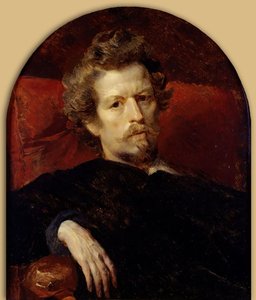
karl pavlovich bryullov
1799 - 1852 , Russland
Kurzinfos
- Artistic Movement Or Style: Romantik
- Artists Who Influenced This Artist:
- Raphael
- Michelangelo
- Caravaggio
- Date Of Birth: 12 Dezember 1799
- Full Name: Karl Pavlovich Bryullov
- Nationality: Russisch
- Notable Artworks:
- Der letzte Tag von Pompeji
- Die Hinrichtung eines Zaren
- Die Verteidigung des Grabes
- Place Of Birth: Saint Petersburg, Russland
Ähnliche Artikel
Karl Bryullov: Romanticism's Dramatic Vision & Shaping Russian Historical Painting
Explore the dramatic world of Karl Bryullov, a pivotal figure in Russian Romanticism. Discover his masterpieces like 'The Last Day of Pompeii' and learn about his lasting influence on 19th-century art history.
Vladimir Makovsky: Realism, Social Commentary & Russian Life in Late 19th-Century Painting
Explore the captivating world of Vladimir Makovsky, a leading Russian realist painter. Discover his insightful depictions of 19th-century life, social commentary & legacy with ArtsDot.
Ivan Bilibin: A Synthesis of Folklore, Modernism & National Identity in Russian Illustration
Explore the enchanting world of Ivan Bilibin, a master Russian illustrator who synthesized folklore, Art Nouveau & national identity. Discover his iconic fairy tale illustrations and legacy with ArtsDot.
Karl Bryullov: Romanticism's Grand Master – Life, Legacy & Artistic Innovation
Explore the life & art of Karl Bryullov, a pivotal figure in Russian Romanticism. Discover his iconic paintings like 'The Last Day of Pompeii' and delve into his lasting influence on 19th-century art history.
Victor Vasnetsov: Myth, Nationalism & the Revival of Russian Fairy Tale Painting
Explore the captivating world of Victor Vasnetsov, a co-founder of Russian folklorist painting. Discover his iconic works, influence on national identity, and lasting legacy in this expert guide.