 Vorschau anzeigen
 Versenden
 Teilen
 Details anzeigen

 Herunterladen
 Ähnliche Objekte
 Röntgenaufnahme
 Diashow
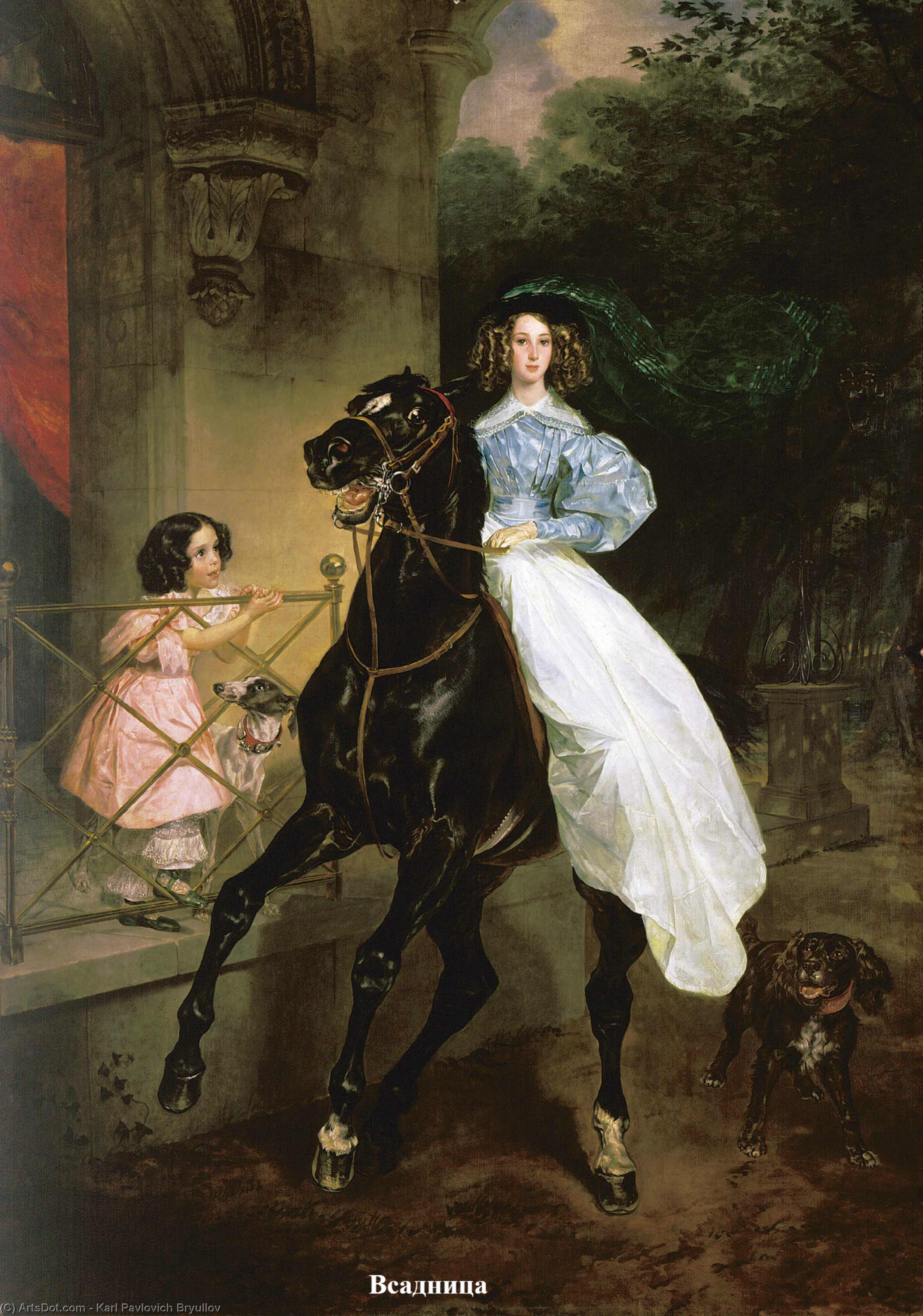
The Rider
 Acrylic On Canvas
- WallArt
- Romanticism
 1832
1832- 19th Century
 292.0 x 206.0 cm
 Staatliche Tretyakowskaja Galerie
 Weiterlesen
Handgefertigte Ölreproduktion
Handgemaltes Ölgemälde auf Leinwand in Ihrer Wunschgröße und mit Rahmen, auf Bestellung von unseren Künstlern angefertigt. ( Druck bestellen Bild kaufen)




P118B $10

P118H $10

P118W $10

P438Z $10

P508JH $12

P508YH $12

P805H $10

P805Z $10

P919BZ $10

P919G $10

P919XJ $10

P959ZH $10

P968JZ $12

W106C $8

W218G $10

W218JH $8

W218Y $10

W307PJ $10

W316G $10

W316PJ $8

W316Y $10

W398PJ $8

W4111J $10

W500HY $15

W500JH $15

W692G $12

W849H $8

W940BG $15

W953PJ $8




Wählen Sie aus unseren vordefinierten Formaten, die den ursprünglichen Proportionen des Kunstwerks entsprechen.

Sie können Ihre eigenen Maße eingeben, um einen bestimmten Rahmen oder Platz auszufüllen. Wenn die gewählte Größe nicht den Proportionen des Originalbildes entspricht, werden wir das Kunstwerk entweder beschneiden oder das Gemälde durch zusätzliche, handgemalte Elemente erweitern. Ein digitales Mockup wird Ihnen zur Genehmigung zugesandt, bevor die Produktion beginnt.
Bitte beachten Sie, dass die Bildschirmvorschau nicht die tatsächliche Beschneidung oder Erweiterung widerspiegelt. Nur das Mockup zeigt die endgültige Komposition exakt an.
Obwohl Sondermaße verfügbar sind, empfehlen wir, eine Größe aus der vordefinierten Liste zu wählen, um die ursprünglichen Proportionen beizubehalten.
Nach der Bestellung wird das ArtsDot.com-Team dem Kunden Anweisungen per E-Mail zusenden und eine Mockup-Vorschau bereitstellen.
Weltweiter Versand () in nur 3 bis 4 Wochen statt der üblichen 5 Wochen. (22 August). Keine Kompromisse bei der Qualität.

Kostenloser weltweiter Expressversand

Hochwertige Leinenleinwand

Umfassender Versicherungsschutz beim Versand

Zollgebühren-Rückerstattungsgarantie

Garantie für exakte Farbtreue

60 Tage Rückgaberecht (nur bei Mängeln)

100% Geld-zurück-Garantie

Mengenrabatt verfügbar
 Die Glasoption ist nur für Größen unter 110 cm verfügbar.

The Rider
Art der Reproduktion
Format der Reproduktion
-


Gesamtpreis
$ 263
Beschreibung des Kunstwerks
A Moment Frozen in Light: Bryullov’s “The Rider”
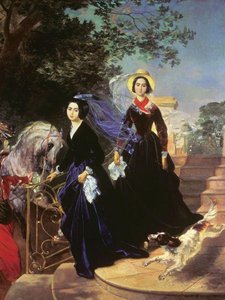
Karl Pavlovich Bryullov's "The Rider," painted in 1832, is more than just a portrait; it’s a carefully constructed tableau of aristocratic leisure and burgeoning Romantic sentiment. This captivating work, now available as a stunning hand-painted reproduction from ArtsDot.com, transports the viewer to a sun-drenched Italian estate, capturing an intimate scene of a young woman – Giovanina and Amacilia Pacini, the adopted children of Countess Yuliya Pavlovna Samoil – enjoying a ride with her beloved horses and loyal dogs. The painting’s enduring appeal lies not only in its exquisite detail but also in the subtle narrative it unfolds, revealing layers of social commentary and artistic ambition.
Bryullov, born in Saint Petersburg in 1799, was deeply influenced by the Italian Renaissance masters – Raphael, Michelangelo, and Caravaggio. He sought to emulate their dramatic use of light and shadow, a technique known as *chiaroscuro*, which he masterfully employs here. Notice how the sunlight streams across the figures, highlighting their forms and creating an almost theatrical effect. The composition is meticulously balanced; the woman’s confident posture and direct gaze command attention, while the horses and dogs provide a dynamic counterpoint. The background, rendered with a softer touch, suggests a vast estate, hinting at wealth and privilege – a key element of the Romantic era's fascination with grand landscapes and aristocratic life.
The Language of Gesture and Detail
Bryullov’s skill in depicting human emotion is particularly striking. The woman’s relaxed yet alert stance, her hand lightly resting on the horse’s neck, conveys a sense of comfortable companionship and control. Her long hair, flowing freely in the breeze, adds to the painting's romantic atmosphere. The dogs, positioned strategically on either side, are not merely accessories but active participants in this idyllic scene – symbols of loyalty and devotion. The artist’s attention to detail is remarkable; observe the texture of the horses’ coats, the gleam of their harnesses, and the subtle expressions on the animals' faces. These small details contribute significantly to the painting’s overall realism and emotional impact.
Furthermore, the inclusion of the two children, Giovanina and Amacilia Pacini, adds a layer of poignant beauty. They represent innocence and vulnerability amidst the grandeur of aristocratic life. The fact that they are adopted highlights themes of family, belonging, and the blurring lines between social classes – a common subject in Romantic art. The painting subtly critiques the rigid societal structures of the time while celebrating the joys of simple pleasures.
Historical Context and Artistic Innovation
"The Rider" was commissioned by Countess Yuliya Samoilova in Milan, reflecting Bryullov’s successful relocation to Italy during his artistic career. It quickly gained recognition for its dramatic lighting and realistic portrayal of figures – a departure from the more formal styles prevalent at the time. The painting's exhibition at the Brera Academy of Fine Arts in 1832 generated considerable buzz, with critics praising Bryullov’s ability to capture both the beauty and the drama of the subject matter. He was compared favorably to Rubens and Van Dyck, solidifying his reputation as a leading figure in Russian Romanticism.
Bryullov's work represents a pivotal moment in art history, bridging the gap between Neoclassicism and Romanticism. His emphasis on emotional expression, dramatic lighting, and dynamic composition paved the way for future generations of artists. Today, "The Rider" remains a powerful testament to Bryullov’s artistic genius and a captivating window into the world of 19th-century aristocratic life. ArtsDot.com's hand-painted reproductions offer an unparalleled opportunity to experience this masterpiece in exquisite detail, bringing its beauty and emotional resonance directly into your home or studio.
Bringing “The Rider” Home
Available as a large-scale hand-painted reproduction, "The Rider" is more than just a decorative piece; it’s an investment in art history. Our skilled artisans meticulously recreate Bryullov's original techniques, ensuring that every brushstroke and nuance of color are faithfully reproduced. The result is a stunningly accurate and vibrant representation of this iconic painting – perfect for adding a touch of elegance and historical depth to any interior space. Consider the impact of this evocative scene in your living room, study, or gallery; it’s a conversation starter, a source of inspiration, and a timeless work of art.
Ähnliche Kunstwerke
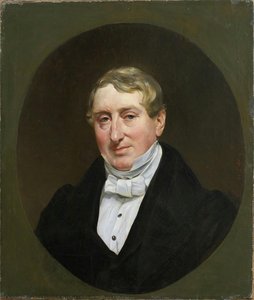
Über den Künstler
Karl Pavlovich Bryullov: Ein Leben im Romantik
Frühes Leben und Ausbildung
Karl Pavlovich Bryullov (geboren Karl Briullo) wurde am 23. Dezember 1799 in St. Petersburg, Russland, geboren. Sein Vater, Pavel Ivanovich Briullo, war ein Akademiker, Holzschnitzer und Graveur hugenottischer Abstammung, der seinem Sohn schon früh eine Liebe für die Künste vermittelte. Bryullovs künstlerische Reise begann unter der Anleitung seines Vaters, bevor er 1809 an die kaiserliche Kunstschule in St. Petersburg eingeschult wurde.
Künstlerische Entwicklung und Einflüsse
Obwohl er innerhalb eines klassischen Rahmens ausgebildet wurde, hat Bryullov die starren Grenzen dieser Tradition nie vollständig angenommen. Er spürte schon früh eine starke Sehnsucht nach Italien, und seine künstlerische Entwicklung wurde maßgeblich von italienischen Renaissance-Meistern geprägt. Seine Werke zeugen von Einflüssen von Künstlern wie Raffael, Michelangelo und Caravaggio, insbesondere in ihrer dramatischen Verwendung von Licht und Schatten sowie ihrer Meisterschaft im anatomischen Detail.
- Er zeichnete sich als vielversprechender Student aus und zeigte während seiner Ausbildung seine fantasievolle Begabung.
- Nach Abschluss seines Studiums zog er 1821 nach Rom, wo er über ein Jahrzehnt lang seine Fähigkeiten verfeinerte.
Wichtige Leistungen und bemerkenswerte Werke
Bryullovs Durchbruch kam mit “Der letzte Tag von Pompeji” (1830-1833), einem monumentalen historischen Gemälde, das ihn international berühmt machte. Das Werk, das den chaotischen Ausbruch des Vesuvs darstellt, wurde für seine dramatische Komposition, emotionale Intensität und technische Brillanz gelobt. Es erhielt großen Lob von Zeitgenossen wie Puschkin und Gogol.
- “Die Hinrichtung eines Zaren” (1827) – Ein frühes Werk, das seine Fähigkeiten in der historischen Erzählung demonstriert.
- “Die Verteidigung des Grabes” (1846) - Zeigt Bryullovs Fähigkeit, Emotionen und historische Genauigkeit auszugleichen.
- "Prinzessin Julija Pawlowna Samoilowa verlässt einen Ball mit ihrer Adoptivtochter Amacilia Pacini" (1832) – Ein beeindruckendes Beispiel für seine Porträtfähigkeiten.
- “Genserichs Invasion Roms” (1835) - Eine weitere dramatische historische Szene, die barocke Einflüsse zeigt.
Karriere und spätere Jahre
Nach dem Erfolg von “Der letzte Tag von Pompeji” kehrte Bryullov nach Russland triumphierend zurück und sicherten sich eine prestigeträchtige Position an der kaiserlichen Kunstakademie 1836. Er lehrte dort bis 1848 und beeinflusste eine Generation russischer Künstler.
- Er entwickelte einen unverwechselbaren Porträtstil, der neoclassizistische Einfachheit mit romantischen Sensibilitäten verband.
- Seine Gesundheit verschlechterte sich während der Arbeit an der Kuppel des Sankt-Isaks-Domes.
- Im Jahr 1849 verließ er Russland auf der Suche nach verbesserter Gesundheit nach Madeira und ließ sich schließlich in der Nähe Roms, Italien, nieder.
Historische Bedeutung und Vermächtnis
Karl Pavlovich Bryullov gilt als eine zentrale Figur des russischen Romantikers. Seine Werke markierten einen Übergang zu größerer emotionaler Ausdrucksweise und dramatischer Erzählung in der russischen Kunst. Er schloss die Lücke zwischen neoklassischer Formalität und dem aufkommenden Romantik-Bewegung, was nachfolgende Generationen von Künstlern beeinflusste, darunter Gavriil Gorelov.
Bryullovs Vermächtnis reicht über seine Gemälde hinaus; er war ein angesehener Lehrer und ein Verfechter künstlerischer Innovation. Seine Beiträge festigten seinen Platz als einer der größten visuellen Künstler Russlands und hinterließen einen bleibenden Eindruck am kulturellen Erbe des Landes. Er starb am 23. Juni 1852 in der Nähe von Rom und wurde im Cimitero Acattolico beigesetzt.
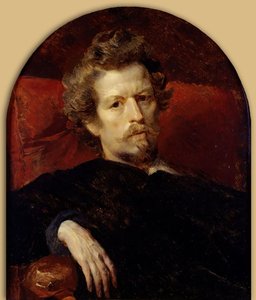
karl pavlovich bryullov
1799 - 1852 , Russland
Kurzinfos
- Artistic Movement Or Style: Romantik
- Artists Who Influenced This Artist:
- Raphael
- Michelangelo
- Caravaggio
- Date Of Birth: 12 Dezember 1799
- Full Name: Karl Pavlovich Bryullov
- Nationality: Russisch
- Notable Artworks:
- Der letzte Tag von Pompeji
- Die Hinrichtung eines Zaren
- Die Verteidigung des Grabes
- Place Of Birth: Saint Petersburg, Russland
Ähnliche Artikel
Karl Bryullov: Romanticism's Dramatic Vision & Shaping Russian Historical Painting
Explore the dramatic world of Karl Bryullov, a pivotal figure in Russian Romanticism. Discover his masterpieces like 'The Last Day of Pompeii' and learn about his lasting influence on 19th-century art history.
Karl Bryullov: Romanticism's Grand Master – Life, Legacy & Artistic Innovation
Explore the life & art of Karl Bryullov, a pivotal figure in Russian Romanticism. Discover his iconic paintings like 'The Last Day of Pompeii' and delve into his lasting influence on 19th-century art history.
Ivan Bilibin: A Synthesis of Folklore, Modernism & National Identity in Russian Illustration
Explore the enchanting world of Ivan Bilibin, a master Russian illustrator who synthesized folklore, Art Nouveau & national identity. Discover his iconic fairy tale illustrations and legacy with ArtsDot.
Victor Vasnetsov: Myth, Nationalism & the Revival of Russian Fairy Tale Painting
Explore the captivating world of Victor Vasnetsov, a co-founder of Russian folklorist painting. Discover his iconic works, influence on national identity, and lasting legacy in this expert guide.
Alexej Bogolyubov: Realismus und Romantik in der russischen Landschaftsmalerei – Eine Synthese
Entdecken Sie die faszinierende Welt von Alexej Bogolyubov! Erfahren Sie mehr über die Synthese aus Realismus und Romantik in seinen Landschaftsdarstellungen. Expertenwissen & hochwertige Reproduktionen auf ArtsDot.