

 Versenden
 Teilen
 Details anzeigen

 Herunterladen
 Ähnliche Objekte
 Diashow
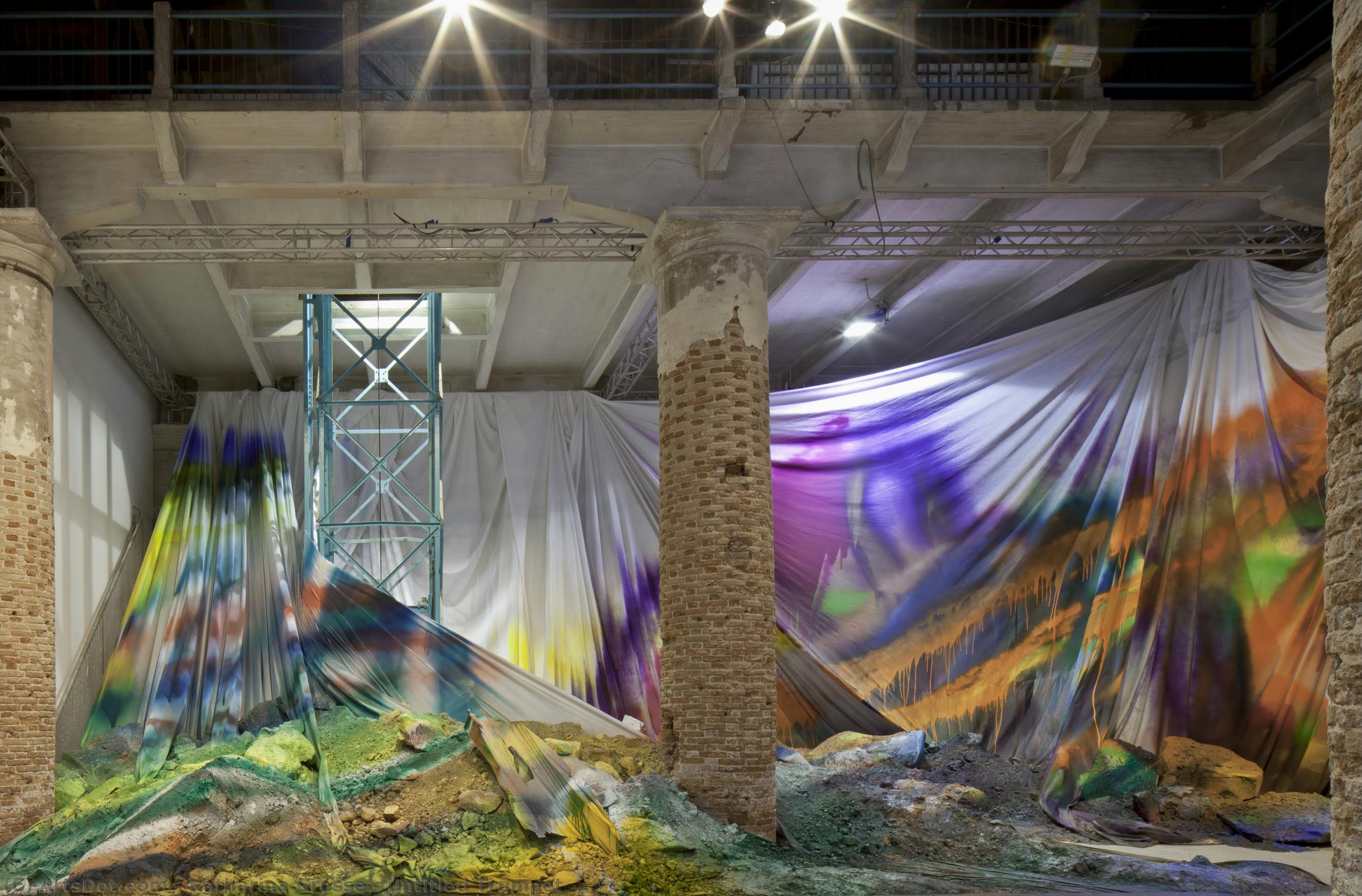
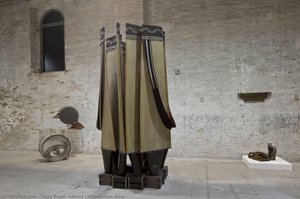
Untitled Trumpet


 Weiterlesen
Handgefertigte Ölreproduktion
Handgemaltes Ölgemälde auf Leinwand in Ihrer Wunschgröße und mit Rahmen, auf Bestellung von unseren Künstlern angefertigt. ( Druck bestellen Bild kaufen)




































Wählen Sie aus unseren vordefinierten Formaten, die den ursprünglichen Proportionen des Kunstwerks entsprechen.

Sie können Ihre eigenen Maße eingeben, um einen bestimmten Rahmen oder Platz auszufüllen. Wenn die gewählte Größe nicht den Proportionen des Originalbildes entspricht, werden wir das Kunstwerk entweder beschneiden oder das Gemälde durch zusätzliche, handgemalte Elemente erweitern. Ein digitales Mockup wird Ihnen zur Genehmigung zugesandt, bevor die Produktion beginnt.
Bitte beachten Sie, dass die Bildschirmvorschau nicht die tatsächliche Beschneidung oder Erweiterung widerspiegelt. Nur das Mockup zeigt die endgültige Komposition exakt an.
Obwohl Sondermaße verfügbar sind, empfehlen wir, eine Größe aus der vordefinierten Liste zu wählen, um die ursprünglichen Proportionen beizubehalten.
Nach der Bestellung wird das ArtsDot.com-Team dem Kunden Anweisungen per E-Mail zusenden und eine Mockup-Vorschau bereitstellen.
Weltweiter Versand () in nur 3 bis 4 Wochen statt der üblichen 5 Wochen. (21 August). Keine Kompromisse bei der Qualität.

Kostenloser weltweiter Expressversand

Hochwertige Leinenleinwand

Umfassender Versicherungsschutz beim Versand

Zollgebühren-Rückerstattungsgarantie

Garantie für exakte Farbtreue

60 Tage Rückgaberecht (nur bei Mängeln)

100% Geld-zurück-Garantie

Mengenrabatt verfügbar
 Die Glasoption ist nur für Größen unter 110 cm verfügbar.

Untitled Trumpet
Art der Reproduktion
Format der Reproduktion
-


Gesamtpreis
$ 288
Beschreibung des Kunstwerks
Katharina Grosse: A Symphony of Color and Space
Katharina Grosse is a German visual artist born on October 2, 1961, in Freiburg im Breisgau. From her formative years immersed in the artistic landscape of Düsseldorf’s Kunstakademie, she has cultivated a singular approach to artmaking—one characterized by monumental installations that transform architectural spaces into immersive experiences brimming with vibrant color and dynamic movement. Her distinctive technique involves applying industrial paint sprayers to surfaces, creating textured fields of pigment that defy conventional painting conventions. This method isn't merely about decoration; it’s a deliberate exploration of materiality and perception, reflecting Grosse’s profound fascination with the interplay between observation and artistic creation. Early Influences and Artistic Formation Grosse’s artistic journey began with an unwavering dedication to experimentation and conceptual rigor. Studying at Kunstakademie Münster instilled in her a belief that art should challenge boundaries and provoke contemplation. Her work consistently seeks to disrupt established visual hierarchies, favoring bold color palettes and unconventional spatial arrangements—a stylistic hallmark that distinguishes her from many of her contemporaries. The influence of Minimalist sculpture and Conceptual Art is palpable throughout her oeuvre, informing her commitment to stripping away superfluous elements and focusing on fundamental artistic principles. Notably, she cites the pioneering explorations of Josef Albers’ Homage to Cézanne as a formative experience, demonstrating an understanding of how color can convey complex emotional states and intellectual ideas. The Technique of Chromatic Dispersion: A Revolutionary Approach Grosse's method—dubbed “chromatic dispersion”—represents a radical departure from traditional painting practices. Rather than applying paint onto canvas with brushes, she utilizes industrial spray guns to distribute pigment across architectural surfaces or outdoor environments. This technique isn’t simply about covering space; it’s an active process of transforming the material itself. The air compressor generates considerable pressure, propelling aerosol paint droplets outwards in a controlled trajectory—a deliberate manipulation of movement that underscores Grosse's desire to engage with the environment and challenge notions of static representation. Layers upon layers of pigment are applied simultaneously, resulting in textured fields of color that shimmer and pulsate with luminosity. This method allows for an unprecedented level of chromatic complexity, capturing subtle variations in hue and saturation that would be impossible to achieve through conventional brushstrokes. Historical Context and Artistic Legacy: Echoes of Surrealism and Beyond Grosse’s artistic vision draws inspiration from a diverse range of historical precedents, including the monumental frescoes of Michelangelo and Raphael—artists who sought to convey spiritual grandeur through masterful color orchestration. However, her work transcends stylistic imitation, forging its own distinctive voice within the broader context of contemporary art. Like Surrealist painters such as Yves Klein and René Magritte, Grosse employs illusionistic techniques to destabilize viewers’ perceptions and invite them into a realm of dreamlike imagery. Her installations often evoke feelings of awe and disorientation—a deliberate provocation designed to disrupt complacency and stimulate intellectual curiosity. Furthermore, Grosse's exploration of materiality aligns with ongoing debates about the role of art in shaping our understanding of the world, reflecting a broader trend toward embracing unconventional materials and processes as vehicles for artistic expression. Symbolism and Emotional Resonance: Exploring Boundaries of Perception Ultimately, Katharina Grosse’s work operates on multiple levels—intellectual, aesthetic, and emotional. The vibrant color palettes she employs serve as conduits for conveying profound psychological states—ranging from joy and exhilaration to melancholy and apprehension. Her installations invite viewers to contemplate the relationship between artifice and reality, questioning assumptions about visual representation and prompting reflection on the nature of consciousness itself. By transforming architectural spaces into immersive environments brimming with chromatic dispersion, Grosse compels us to reconsider our habitual ways of perceiving the world—a gesture that underscores her conviction that art possesses the capacity to transcend mere sensory experience and engage with fundamental questions concerning human existence.Ähnliche Kunstwerke
Über den Künstler
Katharina Grosse: A Symphony of Color and Space
Katharina Grosse is a German visual artist born on October 2, 1961, in Freiburg im Breisgau. From her formative years immersed in the artistic landscape of Düsseldorf’s Kunstakademie, she has cultivated a singular approach to artmaking—one characterized by monumental installations that transform architectural spaces into immersive experiences brimming with vibrant color and dynamic movement. Her distinctive technique involves applying industrial paint sprayers to surfaces, creating textured fields of pigment that defy conventional painting conventions. This method isn't merely about decoration; it’s a deliberate exploration of materiality and perception, reflecting Grosse’s profound fascination with the interplay between observation and artistic creation.Early Influences and Artistic Formation
Grosse’s artistic journey began with an unwavering dedication to experimentation and conceptual rigor. Studying at Kunstakademie Münster instilled in her a critical understanding of art history and theory—particularly the legacy of Abstract Expressionism—influencing her embrace of large-scale projects that prioritize sensory impact over representational accuracy. Her subsequent studies at Düsseldorf solidified her commitment to pushing boundaries, fostering collaborations with fellow artists and challenging established artistic paradigms. Notably, she was mentored by Gerhard Richter, whose influence can be discerned in Grosse’s subtle manipulation of color and texture—a characteristic born from a shared desire to grapple with the complexities of visual experience. Richter's emphasis on ambiguity and layering encouraged Grosse to explore how perception shapes our understanding of art and reality.The Technique of Spray Painting: A Revolutionary Approach
Grosse’s breakthrough came with her adoption of spray painting as her primary artistic tool. Initially experimenting with monochrome hues, she swiftly transitioned to utilizing unmixed acrylic paints sprayed directly onto architectural surfaces—a technique that fundamentally alters the relationship between artist and material. This method distinguishes itself from traditional painting by prioritizing gesture and spontaneity; rather than meticulously layering pigments, Grosse employs a compressor-driven sprayer to generate expansive fields of color that cascade across walls and ceilings. The resulting textures are not merely decorative but actively engage with the surrounding environment, creating palpable shifts in light and shadow—a deliberate effort to disrupt conventional notions of space and perception. This radical departure from established artistic conventions reflects Grosse’s belief that art should provoke contemplation and challenge viewers' assumptions about how they experience the world. Her method isn’t merely about applying color; it’s about transforming surfaces into dynamic visual environments where pigment interacts with light and air, generating mesmerizing patterns of movement and luminosity.Site-Specific Installations: Transforming Environments into Sensory Realms
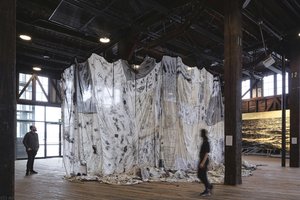
Grosse’s artistic output is defined by her unwavering commitment to site-specific installations—projects conceived as responses to particular architectural contexts. These works transcend the confines of the gallery, inviting viewers to inhabit immersive environments where color and texture converge to generate transformative sensory experiences. Her projects often incorporate sculptural elements alongside painted surfaces, blurring distinctions between painting and sculpture and furthering her exploration of materiality’s capacity to evoke emotion and stimulate contemplation. Consider *Untitled*, a monumental installation at Kunsthalle Düsseldorf in 2006—a breathtaking expanse of crimson pigment applied to the gallery's interior walls, creating an atmosphere of pulsating vibrancy that captivated audiences worldwide. Similarly, her work *Push the Limits* at Fondazione Merz in Turin showcased her ability to harness color and texture as instruments for conveying complex narratives and challenging viewers’ preconceptions about artistic expression. These installations are not simply decorative; they represent a profound engagement with space and materiality—a deliberate attempt to disrupt conventional perceptions of reality and invite viewers into a dialogue with the artwork itself.Critical Recognition and Legacy
Katharina Grosse's innovative approach to painting has garnered widespread acclaim from critics and curators alike. Her work has been featured prominently in exhibitions across Europe and North America, cementing her position as a leading figure in contemporary art. She was awarded the Schmidt-Rottluff-Stipendium in 1993 and the Fred Thieler Prize in 2003—honors recognizing her artistic vision and dedication to experimentation. Furthermore, she received the Oskar Schlemmer Prize in 2014 for her contribution to the art world. Her participation in the Biennale di Venezia in 2015 solidified her reputation as a visionary artist who consistently defies categorization and reimagines the possibilities of visual language. Today, Katharina Grosse continues to inspire artists globally with her bold aesthetic and unwavering belief in the transformative power of artistic practice—a testament to her enduring legacy as one of Germany’s most influential contemporary sculptors and painters.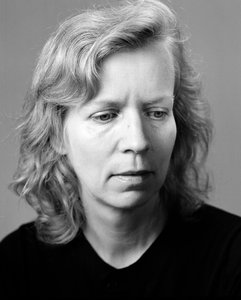
Katharina Grosse
1961 - , Deutschland
Kurzinfos
- Artistic Movement Or Style: Site-spezifische Kunst
- Artists Who Influenced This Artist: ['Gerhard Richter']
- Date Of Birth: Oktober 2, 1961
- Full Name: Katharina Grosse
- Nationality: Deutsch
- Notable Artworks: ['Untitled Trumpet']
- Place Of Birth: Freiburg im Breisgau, Deutschland
Ähnliche Artikel
Maßgeschneiderte Kunst im Großformat: Wie wir Individualität und Qualität bei der Produktion von Auftragsmalereien für kommerzielle Räume bewahren
Maßgeschneiderte Auftragsmalereien für kommerzielle Räume – von der Konzeption bis zur Installation. Wir garantieren höchste Qualität, individuelle Kunstwerke und eine langfristige Wertsteigerung Ihres Interieurs.
Kunst als Architektur: Individuelle Malereien und die räumliche Identität interner Umgebungen
Individuelle Malereien für einzigartige Räume! Experten beraten Sie zu Farbpsychologie, Stil & Material. Hochwertige Kunst, die Ihre Persönlichkeit widerspiegelt – entdecken Sie jetzt!
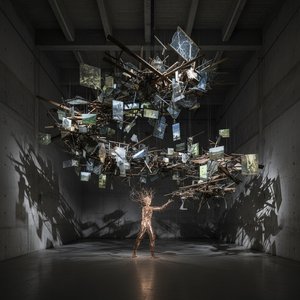
Richard Wilson: Dekonstruktion der Landschaft und das Gedächtnis in zeitgenössischer Installationskunst
Entdecken Sie Richard Wilsons revolutionäre Landschaftsmalerei und seinen Einfluss auf die Kunstgeschichte. Analysen, Hintergründe & zeitgenössische Interpretationen – exklusiv bei ArtsDot.
Ästhetische Katalysatoren für das Gastgewerbe: Wie strategisch platzierte Kunstwerke Gästefotografie und soziale Interaktion fördern – Eine Untersuchung zur organischen Marketingwirkung
Entdecken Sie, wie strategisch platzierte Kunstwerke Gästefotografie fördern & Ihr Hotelmarketing revolutionieren! Expertenwissen für einzigartige Erlebnisse und nachhaltige Markenbildung.
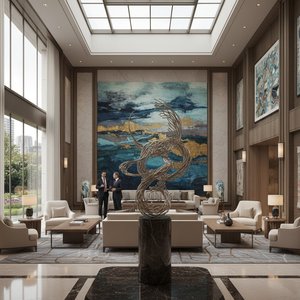
Unternehmensdienstleistungen: Maßgeschneiderte Kunstlösungen für herausragende Gastfreundschaft
bietet maßgeschneiderte Kunstlösungen für Hotels. Von der Beratung bis zur Umsetzung – wir verwandeln Ihr Hotel in ein einzigartiges Erlebnis. Entdecken Sie unsere Services!

