

 Versenden
 Teilen
 Details anzeigen

 Herunterladen
 Ähnliche Objekte
 Diashow
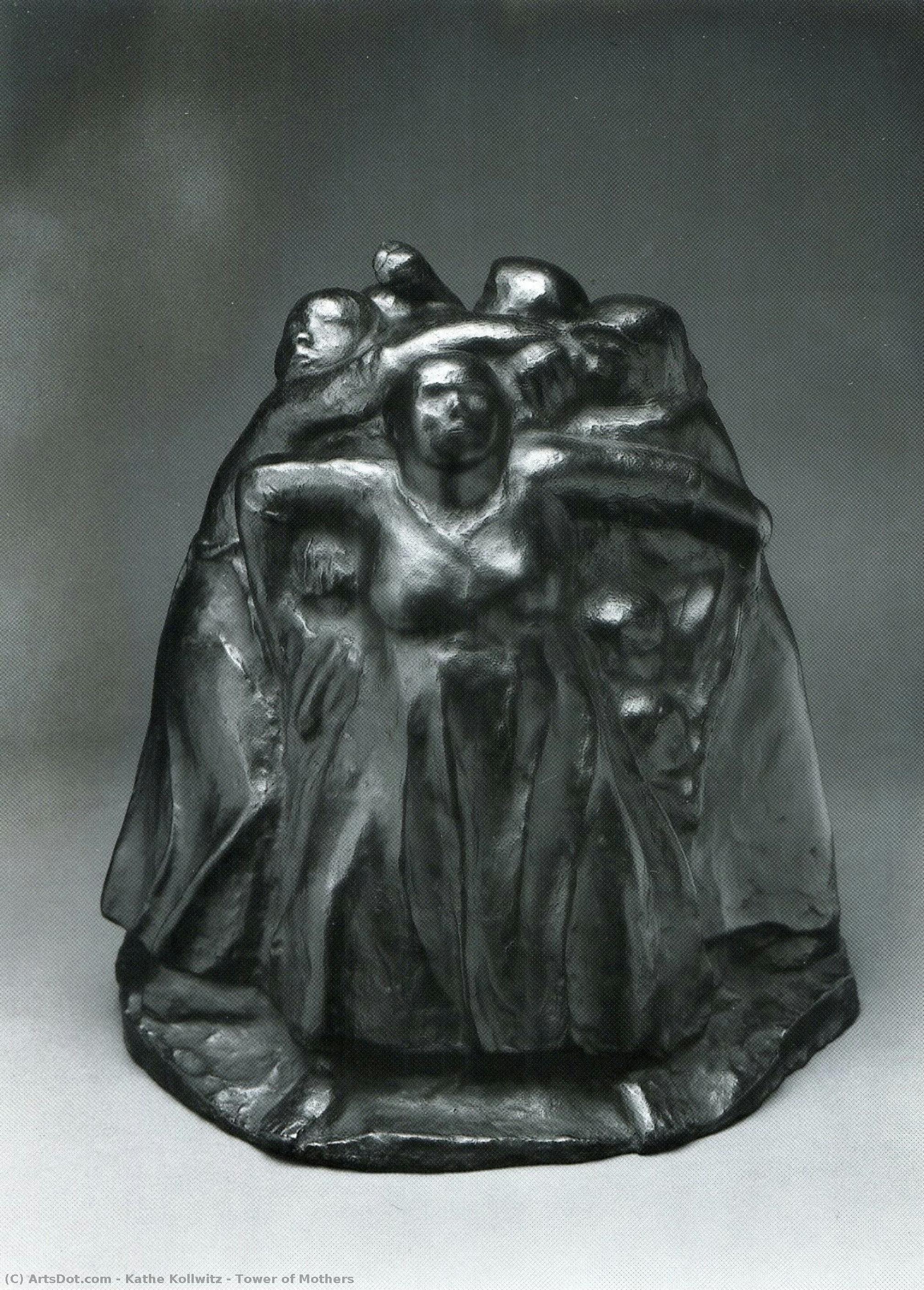
Tower of Mothers


 Weiterlesen
Giclée / Kunstdruck
Giclée- oder Leinwanddruck in Museumsqualität mit schneller Produktion und flexiblen Veredelungsoptionen. ( Handgemalte Reproduktion bestellen Bild kaufen)




































Wählen Sie aus unseren vordefinierten Formaten, die den ursprünglichen Proportionen des Kunstwerks entsprechen.

Sie können Ihre eigenen Maße eingeben, um ein bestimmtes Format oder einen speziellen Platz einzupassen. Wenn das von Ihnen gewählte Format nicht den Proportionen des Originalbildes entspricht, werden wir das Kunstwerk entweder beschneiden oder das Bild mit einem gespiegelten oder einfarbigen Rand erweitern. Ein digitaler Entwurf wird Ihnen zur Genehmigung zugesandt, bevor die Produktion beginnt.
Bitte beachten Sie, dass die Vorschau auf dem Bildschirm nicht den tatsächlichen Zuschnitt oder die Erweiterung widerspiegelt. Nur der Entwurf zeigt die endgültige Komposition präzise an.
Obwohl Sondermaße verfügbar sind, empfehlen wir die Auswahl eines Maßes aus der vordefinierten Liste, um die ursprünglichen Proportionen zu bewahren.
Weltweiter Versand () innerhalb von 2 Wochen statt der üblichen 4/5 Wochen. (20 August)

Kostenloser weltweiter Expressversand

Hochwertige Leinenleinwand

Umfassender Versicherungsschutz beim Versand

Zollgebühren-Rückerstattungsgarantie

Garantie für exakte Farbtreue

60 Tage Rückgaberecht (nur bei Mängeln)

100% Geld-zurück-Garantie

Mengenrabatt verfügbar
 Die Glasoption ist nur für Größen unter 110 cm verfügbar.

Tower of Mothers
Giclée / Kunstdruck
Format der Reproduktion
-


Gesamtpreis
$ 62
Sammlerstück-Beschreibung
The Weight of Grief and Resilience: Exploring Käthe Kollwitz’s “Tower of Mothers”
Käthe Kollwitz's "Tower of Mothers" (1937/38), a monumental bronze sculpture residing within the imposing Montemaria International Pilgrimage & Conference Center in Batangas, Philippines, is far more than just a depiction of women; it’s a visceral embodiment of sorrow, protection, and an enduring spirit. Created during a period of immense political upheaval in Germany – a time shadowed by the rise of Nazism – the sculpture transcends its immediate historical context to resonate with universal themes of maternal love, loss, and the quiet strength found within vulnerability. Kollwitz, already renowned for her emotionally charged prints and woodcuts depicting the hardships faced by the working class, sought to capture not just the outward appearance of suffering but the profound inner experience of a mother grappling with unimaginable grief.
The sculpture’s genesis lies in Kollwitz's deeply personal experiences. Her son Hans, a conscientious objector during World War I, was tragically killed in action, leaving her devastated and profoundly shaping her artistic vision. This loss, coupled with the broader societal trauma of war and poverty, fueled her relentless exploration of human suffering. “Tower of Mothers” isn’t a literal representation of mourning; rather, it's an abstract distillation of that feeling – a complex pyramid formed by figures draped in flowing robes, their postures conveying both exhaustion and fierce determination. The arrangement suggests a protective circle, each woman shielding her child from unseen dangers, mirroring the instinctive maternal drive to safeguard offspring.
A Study in Expressionist Form and Bronze Technique
Kollwitz’s artistic style firmly anchors “Tower of Mothers” within the realm of Expressionism. Rejecting academic realism, she prioritized conveying inner emotion through distorted forms and exaggerated gestures. The figures are not idealized; they possess a raw, almost skeletal quality, reflecting the weight of their burdens. The flowing robes, rendered with meticulous attention to texture, create a sense of movement and instability, mirroring the emotional turbulence within the scene. The bronze casting technique itself is crucial to the sculpture’s impact. Kollwitz, initially hesitant about working in three dimensions, collaborated closely with skilled artisans to realize her vision. The textured surface of the bronze – achieved through careful polishing and manipulation of the metal – adds a tactile dimension to the work, inviting viewers to engage with its physicality.
The sculpture’s scale is also significant. Standing at nearly 100 feet tall, it commands attention and demands contemplation. The low-angle perspective employed in its presentation further emphasizes its imposing presence, drawing the viewer into the heart of the scene. Noticeably, the figures are not uniformly positioned; some lean forward with a protective urgency, while others appear to be retreating, suggesting a constant struggle against overwhelming forces. This dynamic arrangement contributes to the sculpture’s overall sense of unease and emotional complexity.
Symbolism and Historical Context
Beyond its immediate depiction of maternal grief, “Tower of Mothers” carries potent symbolic weight. The tower itself can be interpreted as a metaphor for societal structures – oppressive systems that demand sacrifice from the vulnerable. The women’s protective stance represents resistance against these forces, highlighting the enduring strength of the human spirit in the face of adversity. Considering the sculpture's creation during the rise of fascism in Germany, it’s important to recognize its implicit critique of power and authority. Kollwitz, a staunch pacifist and socialist, used her art as a vehicle for social commentary, exposing the injustices faced by marginalized communities.
Interestingly, the sculpture was removed from a public exhibition in Berlin during the Nazi era due to its perceived subversive message. This act underscores the political sensitivity of Kollwitz’s work and highlights its enduring relevance as a symbol of resistance against oppression. The story of its removal adds another layer of historical significance, transforming “Tower of Mothers” into a poignant reminder of the dangers of censorship and the importance of artistic freedom.
A Timeless Meditation on Motherhood and Resilience
“Tower of Mothers” remains a profoundly moving work of art, offering viewers a glimpse into the depths of human emotion. It’s not simply a depiction of sadness; it's an affirmation of resilience – a testament to the enduring power of maternal love and the unwavering determination to protect those we cherish. Whether viewed as a historical artifact or a contemporary meditation on universal themes, Kollwitz’s sculpture continues to resonate with audiences worldwide, inviting us to contemplate the complexities of grief, the strength of the human spirit, and the timeless bond between mothers and children.
Ähnliche Kunstwerke
Über den Künstler
Frühe Jahre und Ausbildung
- Geboren: 8. Juli 1867, in Königsberg (heute Kaliningrad), Russland
- Familiärer Hintergrund: Tochter von Karl Schmidt, einem radikalen Sozialdemokraten und Freimaurer, und Katharina Rupp, aus einer unabhängigen Gemeinde. Ihr Großvater Julius Rupp beeinflusste sie mit Unterricht in Religion und Sozialismus.
- Frühe künstlerische Entwicklung: Begann im Alter von zwölf Jahren unter Anleitung ihres Vaters zu zeichnen. Studierte bei Gustav Naujok und Rudolf Mauer in Königsberg.
- Formale Ausbildung: Besuchte eine Mädchenkunstschule in Berlin, studierte dann in München (1888-89). Konzentrierte sich auf Zeichnung und Druckgrafik.
Künstlerische Karriere und Hauptwerke
- Heirat und Umzug nach Berlin: Heirate Karl Kollwitz 1891 und zog nach Berlin, wo ihr Mann als Arzt unter den Armen praktizierte.
- Frühe Themen: Stellte zunächst das Leben der Arbeiterklasse dar, beeinflusst von sozialdemokratischen Idealen.
- Der Siebenbürger-Zyklus (1894-1898): Eine Reihe von Drucken, inspiriert von Gerhart Hauptmanns Stück "Die Weber", die die Unterdrückung und den Aufstand der schlesischen Weber darstellt. Dieser Zyklus brachte ihr weitreichende Anerkennung.
- Der Bauernkrieg-Zyklus (1902-1908): Erforschte den deutschen Bauernkrieg des 16. Jahrhunderts und spiegelte Themen von Rebellion und sozialer Ungerechtigkeit wider.
- Erster Weltkrieg und persönlicher Verlust: Der Tod ihres Sohnes Hans im Ersten Weltkrieg hatte einen tiefgreifenden Einfluss auf ihre Arbeit, was zu einem Fokus auf Trauer und Klage führte.
- Bemerkenswerte Werke: "Tod mit Mädchen im Schoß", "Alter Mann mit Galgenhals", "Turm der Mütter". Diese Werke zeichnen sich durch ihre scharfen Bilder und emotionale Intensität aus.
Stil und Einflüsse
- Fokus auf Druckgrafik: Arbeitete hauptsächlich in Radierung, Lithografie, Holzschnitt und Zeichnung.
- Expressionismus: Obwohl sie ursprünglich im Realismus verwurzelt war, wird ihre Kunst eng mit dem Expressionismus aufgrund ihrer rohen Emotionen und vereinfachten Formen verbunden.
- Einflüsse: Max Klingers Druckreihe "Ein Leben" war ein bedeutender Einfluss auf ihre frühe Arbeit. Gerhart Hauptmanns Dramen inspirierten auch mehrere ihrer großen Zyklen.
- Technische Fertigkeit: Beherrschte die Techniken der Druckgrafik und verwendete Aquatinta und Schleifpapier, um dramatische Licht- und Schattenspiele zu erzeugen.
Anerkennung und Späteres Leben
- Mitgliedschaft in der Preußischen Akademie: Wurde 1919 als erste Frau in die Preußische Akademie der Künste gewählt.
- Nazi-Verfolgung: Musste sich 1933 unter der Nazi-Herrschaft von der Akademie zurückziehen, und ihre Arbeit wurde verboten.
- Spätere Skulpturen: In ihren späteren Jahren schuf sie Bronzen und Steinskulpturen und erforschte weiterhin Themen wie Trauer, Verlust und Widerstandsfähigkeit.
- Tod: Starb 1945 in der Nähe von Dresden während der letzten Tage des Zweiten Weltkriegs.
Vermächtnis und historische Bedeutung
- Stimme für die Unterdrückten: Kollwitz' Kunst wurde zu einer kraftvollen Stimme für die Arbeiterklasse, die Opfer des Krieges und diejenigen, die unter sozialer Ungerechtigkeit litten.
- Expressionistischer Pionier: Sie gilt als eine wichtige Figur des Expressionismus und beeinflusste Generationen von Künstlern mit ihren emotional aufgeladenen Bildern.
- Nachhaltige Wirkung: Ihre Arbeit berührt das Publikum bis heute aufgrund ihrer universellen Themen von Verlust, Trauer und der menschlichen Verfassung.
- Museen und Gedenkstätten: Das Käthe Kollwitz Museum in Berlin und andere Institutionen bewahren und stellen ihre Kunst aus und sorgen so dafür, dass ihr Vermächtnis weiterlebt.
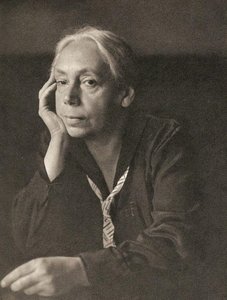
Käthe Kollwitz
1867 - 1945 , Russland
Kurzinfos
- Bemerkenswerte Werke:
- Die Weber
- Der Bauernkrieg
- Tod und Mädchen
- Alter Mann mit Schlinge
- Mutter mit totem Kind
- Einflüsse: ['Max Klinger']
- Geburtsdatum: 8. Juli 1867
- Geburtsort: Königsberg, Russland
- Kunstbewegung: Expressionismus
- Nationalität: Deutsch
- Sterbedatum: 22. April 1945
- Vollständiger Name: Käthe Kollwitz
Ähnliche Artikel

The Enduring Legacy of Bronze: A Historical & Artistic Exploration for the Collector
Explore the rich history & enduring appeal of bronze sculpture with expert insights for collectors at ArtsDot. Learn about casting techniques, iconic artists, collecting tips & contemporary interpretations.

Die 10 legendärsten Bronzestatuen: Meisterwerke, die Kunstgeschichte schrieben | ArtsDot
Entdecken Sie die 10 legendärsten Bronzestatuen der Kunstgeschichte! Von Rodin bis Michelangelo – erfahren Sie die Geschichten hinter ikonischen Skulpturen und finden Sie hochwertige Reproduktionen für Ihr Zuhause. Jetzt bei ArtsDot entdecken!
The Enduring Legacy of Bronze: History, Technique & Artistic Expression for the Collector
Explore the rich history & enduring appeal of bronze sculpture with expert insights for collectors at ArtsDot. Learn about casting techniques, iconic artists, and collecting tips.

The Enduring Legacy of Bronze Sculpture: Technique, Symbolism & Cultural Impact
Explore the rich history & enduring appeal of bronze sculpture with expert insights for collectors. Learn about casting techniques, iconic artists, collecting tips & contemporary interpretations at ArtsDot.
The Enduring Legacy of Bronze Sculpture: A Collector's Guide to Form & Cultural Significance
Explore the rich history & enduring appeal of bronze sculpture with expert insights for collectors at ArtsDot. Learn about casting techniques, iconic artists, and collecting tips to build a discerning art collection.

