 Vorschau anzeigen
 Versenden
 Teilen
 Details anzeigen

 Herunterladen
 Ähnliche Objekte
 Röntgenaufnahme
 Diashow
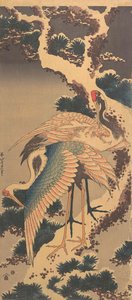
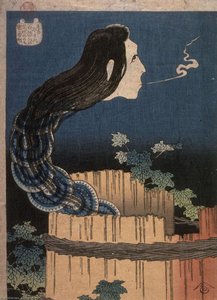
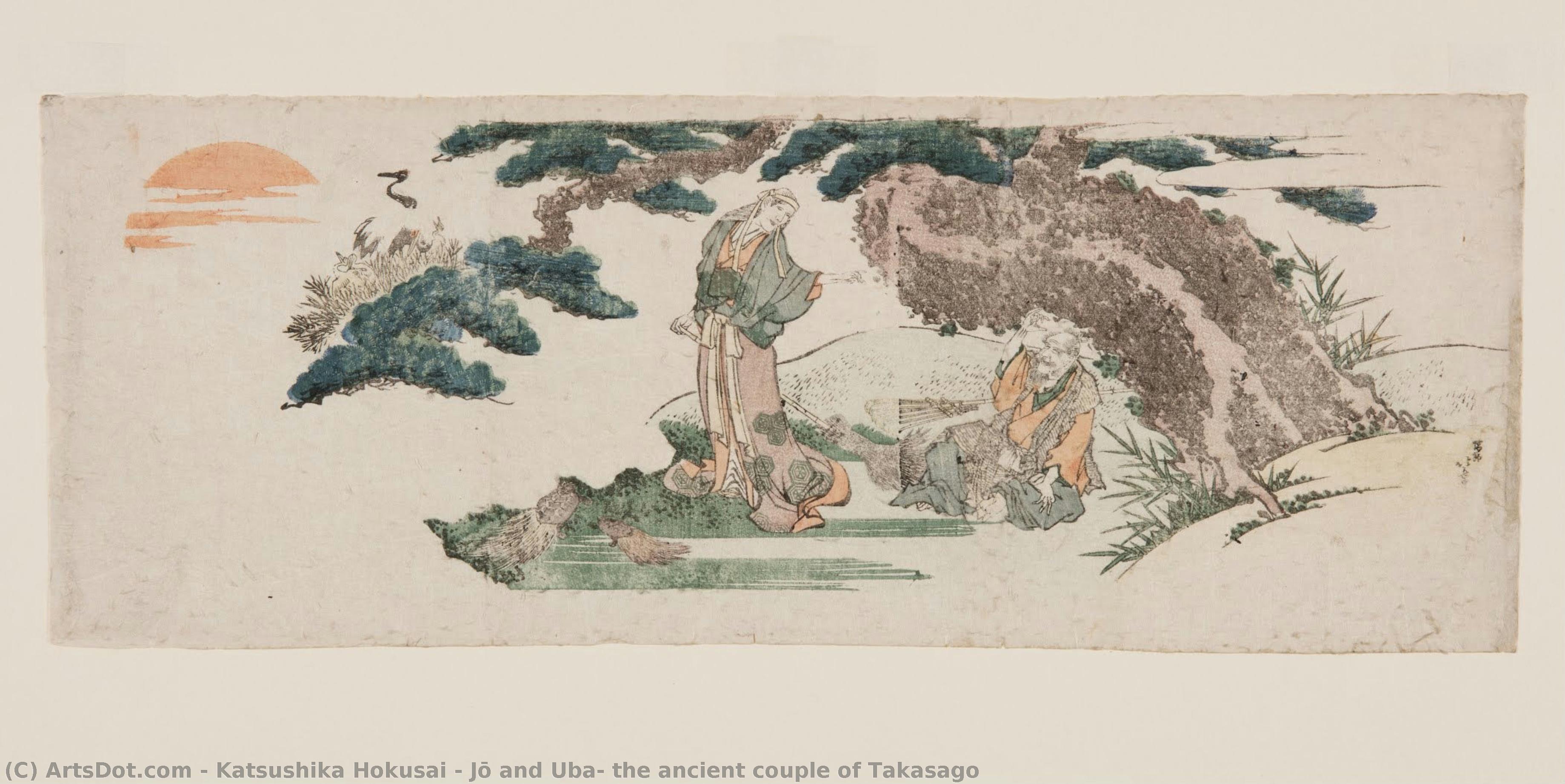
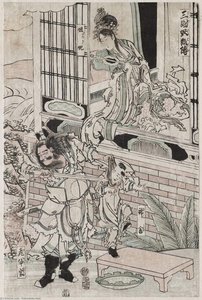
Jō and Uba, the ancient couple of Takasago


 Weiterlesen
Giclée / Kunstdruck
Giclée- oder Leinwanddruck in Museumsqualität mit schneller Produktion und flexiblen Veredelungsoptionen. ( Handgemalte Reproduktion bestellen Bild kaufen)




P118B $10

P118H $10

P118W $10

P438Z $10

P508JH $12

P508YH $12

P805H $10

P805Z $10

P919BZ $10

P919G $10

P919XJ $10

P959ZH $10

P968JZ $12

W106C $8

W218G $10

W218JH $8

W218Y $10

W307PJ $10

W316G $10

W316PJ $8

W316Y $10

W398PJ $8

W4111J $10

W500HY $15

W500JH $15

W692G $12

W849H $8

W940BG $15

W953PJ $8




Wählen Sie aus unseren vordefinierten Formaten, die den ursprünglichen Proportionen des Kunstwerks entsprechen.

Sie können Ihre eigenen Maße eingeben, um ein bestimmtes Format oder einen speziellen Platz einzupassen. Wenn das von Ihnen gewählte Format nicht den Proportionen des Originalbildes entspricht, werden wir das Kunstwerk entweder beschneiden oder das Bild mit einem gespiegelten oder einfarbigen Rand erweitern. Ein digitaler Entwurf wird Ihnen zur Genehmigung zugesandt, bevor die Produktion beginnt.
Bitte beachten Sie, dass die Vorschau auf dem Bildschirm nicht den tatsächlichen Zuschnitt oder die Erweiterung widerspiegelt. Nur der Entwurf zeigt die endgültige Komposition präzise an.
Obwohl Sondermaße verfügbar sind, empfehlen wir die Auswahl eines Maßes aus der vordefinierten Liste, um die ursprünglichen Proportionen zu bewahren.
Weltweiter Versand () innerhalb von 2 Wochen statt der üblichen 4/5 Wochen. (4 September)

Kostenloser weltweiter Expressversand

Hochwertige Leinenleinwand

Umfassender Versicherungsschutz beim Versand

Zollgebühren-Rückerstattungsgarantie

Garantie für exakte Farbtreue

60 Tage Rückgaberecht (nur bei Mängeln)

100% Geld-zurück-Garantie

Mengenrabatt verfügbar
 Die Glasoption ist nur für Größen unter 110 cm verfügbar.

Jō and Uba, the ancient couple of Takasago
Giclée / Kunstdruck
Format der Reproduktion
-


Gesamtpreis
$ 62
A Window Into Edo: Hokusai’s “Jō and Uba, the Ancient Couple of Takasago”
Katsushika Hokusai's "Jō and Uba, the Ancient Couple of Takasago," a woodblock print from 1809, isn’t merely a depiction of two figures; it’s a poignant distillation of Japanese folklore and a masterful exploration of enduring themes. Created during the vibrant Edo period, this artwork offers a glimpse into the cultural values and spiritual beliefs that shaped Japan at the time – a world where harmony with nature and the sanctity of marriage were paramount. The print, rendered in Hokusai's signature bold lines and evocative use of color, transcends its simple subject matter to become a powerful meditation on longevity, contentment, and the beauty of shared existence.
The scene unfolds within a meticulously crafted landscape – a subtly undulating mountain range serves as a dramatic backdrop for the central figures. The couple, Jō and Uba, stand before this majestic vista, their postures relaxed and imbued with an air of quiet joy. Hokusai’s genius lies in his ability to convey emotion through gesture and composition. Notice how they face each other, their hands gently touching – a subtle yet profound symbol of connection and mutual respect. The inclusion of several smaller figures scattered throughout the scene adds depth and context, suggesting a lively community engaged in various activities, reinforcing the idea of a thriving and harmonious society.
The Myth Behind the Image: A Tale of Eternal Happiness
“Jō and Uba” is rooted in a traditional Japanese myth. Jō and Uba were an elderly couple who lived for centuries in Takasago, a village nestled at the foot of Mount Takamagahara. Their longevity wasn’t attributed to magic or divine intervention, but rather to their unwavering devotion to one another and their simple, contented lives. They represented the ideal of marital fidelity and the pursuit of happiness through shared experiences – a concept deeply ingrained in Japanese culture. The story served as a moral lesson, emphasizing the importance of loyalty, respect, and appreciating the blessings of everyday life.
Hokusai’s choice to depict this myth is significant. He wasn't simply illustrating a folk tale; he was elevating it through his artistic skill. By capturing the couple’s serene expressions and their connection with nature, Hokusai transformed a traditional narrative into a timeless image of human fulfillment. The mountain itself – Mount Takamagahara – holds immense symbolic weight in Japanese culture, representing eternity, spiritual enlightenment, and the divine realm.
Technique and Style: A Masterclass in Ukiyo-e
As with all of Hokusai’s work, “Jō and Uba” is a testament to his unparalleled mastery of ukiyo-e – the art of woodblock printing. The print utilizes Prussian blue pigment, a relatively new import from Europe at the time, which Hokusai skillfully employed to create rich, vibrant hues. The artist's meticulous attention to detail is evident in every stroke of the brush and every carefully rendered element of the landscape. The use of *kawanami* carving techniques – a method that allowed for greater precision and tonal variation – contributes to the print’s remarkable depth and texture.
Hokusai's signature style—characterized by bold outlines, dynamic compositions, and an expressive use of color—is fully on display here. He expertly balances realism with stylized elements, creating a work that is both visually engaging and emotionally resonant. The composition itself is carefully balanced, drawing the eye to the central figures while simultaneously immersing the viewer in the surrounding landscape.
A Timeless Resonance: Beyond Reproduction
“Jō and Uba, the Ancient Couple of Takasago” continues to captivate audiences centuries after its creation. Its enduring appeal lies not only in Hokusai’s artistic brilliance but also in its universal themes – love, longevity, harmony with nature, and the pursuit of happiness. When considering a reproduction, it's important to appreciate that no print can fully replicate the original’s tactile quality and nuanced color palette. However, a high-quality reproduction allows you to experience the beauty and serenity of this iconic artwork in your own home, serving as a constant reminder of the timeless values embodied within its captivating image.
Whether displayed in a traditional Japanese setting or incorporated into a contemporary interior design scheme, “Jō and Uba” offers a profound connection to Japan’s rich cultural heritage. It's more than just a print; it’s a window into the soul of a nation – a testament to the enduring power of art to inspire and uplift.
Ähnliche Kunstwerke
Über den Künstler
Katsushika Hokusai: Leben und Vermächtnis
Frühes Leben und Ausbildung
Katsushika Hokusai, geboren in Edo (dem heutigen Tokio), Japan um den 31. Oktober 1760, war eine zentrale Figur der japanischen Kunstwelt. Sein frühes Leben wurde von seinem Vater, Nakajima Ise, einem Spiegelhersteller für den Shogun, geprägt. Bereits im Alter von sechs Jahren – wie berichtet – zeigte Hokusai eine Begabung für das Zeichnen, und er lernte vermutlich die grundlegenden Fähigkeiten von seinem Vater. Diese anfängliche Auseinandersetzung entfachte eine lebenslange Leidenschaft, die seinen künstlerischen Weg prägen sollte.
Künstlerische Entwicklung und Karriere
Mit zwölf Jahren begann Hokusai in einem Buchhandlung und einer Bibliothek zu arbeiten, einer Umgebung, die seine intellektuelle Neugier förderte und seine Fähigkeiten weiter ausbaute. Mit achtzehn Jahren trat er in das Studio von Katsukawa Shunshō ein, dem Leiter der Katsukawa Schule, die sich auf *ukiyo-e* – Holzschnitzdrucke, die Szenen aus dem Alltag darstellten – spezialisiert hatte. Dies markierte einen entscheidenden Wendepunkt und leitete seine fruchtbare Karriere ein.
- Hokusai änderte seinen Namen im Laufe seines Lebens mehr als 30 Mal und nahm verschiedene Pseudonyme an. Diese Praxis war unter *ukiyo-e*-Künstlern üblich und spiegelte künstlerische Neugestaltungen wider.
- Er begann zunächst mit Illustrationen für Bücher, bevor er sich auf Einzelblattdrucke ausweitete.
- Seine frühen Werke zeigten oft Darstellungen von Schauspielern, Geishas und Landschaften.
Wichtige Leistungen und bemerkenswerte Werke
Hokusais künstlerische Produktion war äußerst vielfältig. Er produzierte im Laufe seiner Karriere Tausende von Holzschnitzdrucken, Gemälden und illustrierten Büchern. Einige seiner bekanntesten Werke sind:
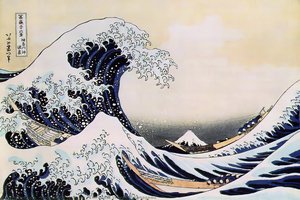
- Dreißig-sechs Ansichten des Fuji (富嶽三十六景, Fugaku Sanjūroku-kei, ca. 1831): Diese Serie festigte Hokusais Ruhm, insbesondere der ikonische Die Große Welle vor Kanagawa.
- Feuerwerke am Ryōgoku Bridge (1790): Ein bahnbrechendes Werk, das seine Fähigkeit demonstriert, dynamische Szenen aus dem Alltag einzufangen.
- Hokusai Manga: Eine Sammlung von Skizzen und Studien, die eine breite Palette von Themen – Menschen, Tiere, Landschaften – zeigt und die Entwicklung der Mangakunst als Kunstform beeinflusste.
Einflüsse und künstlerischer Stil
Obwohl er tief in den traditionellen japanischen Ästhetiken verwurzelt war, war Hokusais Stil innovativ und experimentell. Er ließ sich von:
- Ukiyo-e Traditionen: Beherrschung der Techniken des Holzschnitzdrucks und der Themen.
- Chinesische Landschaftsmalerei: Integration von Elementen der Perspektive und Komposition.
- Alltagsleben in Edo: Erfassung der Energie und Lebendigkeit Japans der Stadt.
Hokusais unverwechselbarer Stil ist durch kräftige Linien, leuchtende Farben, dynamische Kompositionen und eine scharfe Beobachtung der Natur gekennzeichnet. Er war ein Meister der Perspektive und nutzte sie, um dramatische und immersive Szenen zu schaffen.
Historische Bedeutung und Vermächtnis
Hokusais Werk hatte im späten 19. Jahrhundert einen tiefgreifenden Einfluss auf die westliche Kunst, der mit dem *Japonismus*-Trend zusammenfiel. Seine innovativen Kompositionen, die Verwendung von Farbe und Themen fesselten europäische Künstler.
- Einfluss auf den Impressionismus: Künstler wie Claude Monet, Edgar Degas und Vincent van Gogh wurden von Hokusais Werk, insbesondere seinen Landschaften und der Verwendung des Lichts, tief inspiriert.
- Auswirkungen auf die moderne Kunst: Sein Einfluss erstreckte sich über den Impressionismus hinaus und prägte die Entwicklung moderner Kunstbewegungen.
- Dauerbeliebtheit: Heute gilt Hokusai als einer der berühmtesten Künstler Japans, und seine Werke werden weltweit für ihre Schönheit, ihren künstlerischen Wert und ihre kulturelle Bedeutung bewundert.
Letzte Jahre
Hokusai arbeitete bis zu seinem Tod im Jahr 1849 im Alter von 89 Jahren weiter an seinen Werken. Er hinterließ ein riesiges Werk, das Künstler und Kunstinteressierte bis heute inspiriert, und festigte damit seinen Platz als wahrer Meister des *ukiyo-e* und eine bedeutende Figur in der Geschichte der Kunst.
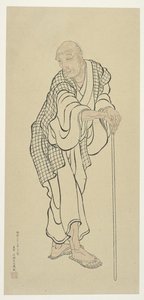
Katsushika Hokusai
1760 - 1849 , Japan
Kurzinfos
- Beeinflusste Künstler:
- Claude Monet
- Edgar Degas
- Vincent van Gogh
- Bemerkenswerte Werke:
- Fugaku Sanjūroku-kei
- Die große Welle vor Kanagawa
- Feuerwerk an der Ryōgoku Brücke
- Hokusai Manga
- Geburtsdatum: 31. Oktober 1760
- Geburtsort: Tokio, Japan
- Künstlerische Einflüsse: ['Katsukawa Shunshō']
- Künstlerische Richtung: Ukiyo-e
- Nationalität: Japanisch
- Sterbedatum: 1849
- Vollständiger Name: Katsushika Hokusai
Ähnliche Artikel

Katsushika Hokusai: Die 25 Meisterwerke des Ukiyo-e – Kunst für Ihr Zuhause | ArtsDot
Entdecken Sie die 25 Meisterwerke von Katsushika Hokusai! Tauchen Sie ein in die Welt des Ukiyo-e, berühmte Holzschnitte wie 'Die große Welle' & Fuji-Ansichten. Hochwertige Kunstdrucke für Ihr Zuhause – jetzt auf ArtsDot.com!

Ukiyo-e: Exploring Japan's Floating World & Enduring Artistic Legacy
Explore the captivating world of Ukiyo-e – Japan's iconic woodblock prints! Discover masters like Hokusai & Hiroshige, learn about Edo period culture, and find expert art collecting guidance at ArtsDot.
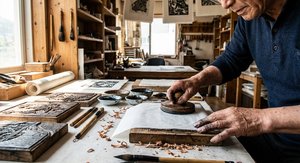
The Enduring Legacy of Woodblock Printmaking: Technique, History & Artistic Expression
Explore the rich history of woodblock printmaking – from ancient techniques to Ukiyo-e masterpieces. Discover expert insights on collecting, preserving & appreciating this enduring art form.

Floating World: The Captivating Art and Legacy of Japanese Ukiyo-e
Explore the profound beauty of Japanese Ukiyo-e. Discover the history, masters like Hokusai, and the enduring legacy of the 'Floating World' through an expert art-historical lens.
Serenity on Canvas: A Guide to the Timeless Beauty of Japanese Landscape Painting
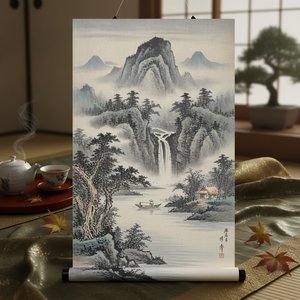
Discover the serene beauty of Japanese landscape painting. From Hokusai's iconic woodblock prints to meditative sumi-e ink washes, explore a visual journey through the 'floating world' and learn how to bring this timeless Zen aesthetic into your modern home decor.