

 Vorschau anzeigen
 Versenden
 Teilen
 Details anzeigen

 Herunterladen
 Ähnliche Objekte
 Röntgenaufnahme
 Diashow
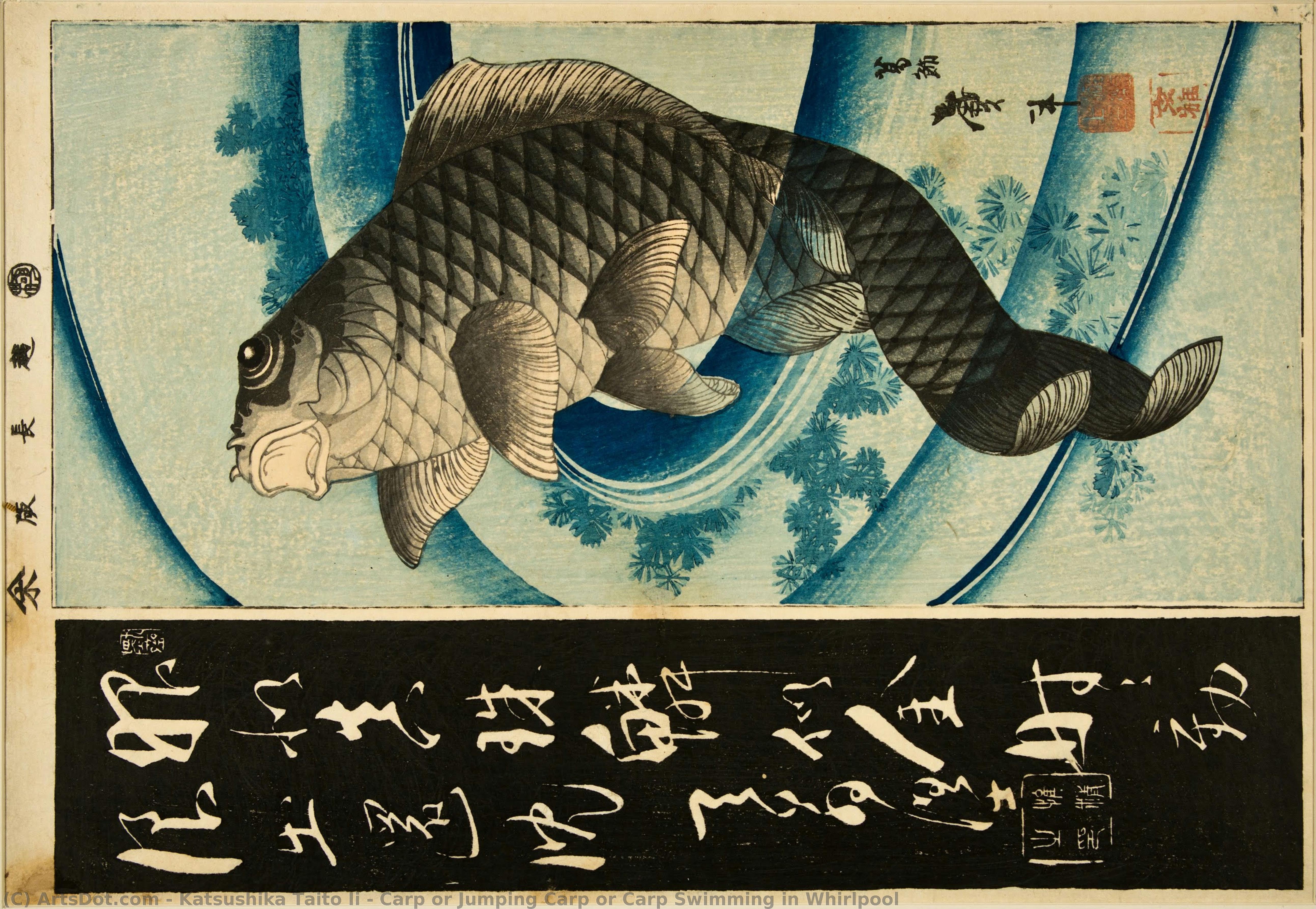
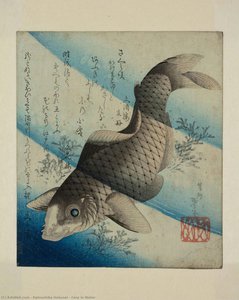
Carp or Jumping Carp or Carp Swimming in Whirlpool


 Weiterlesen
Erwerben Sie ein hochauflösendes, optimiertes digitales Bild, das der Online-Vorschau weit überlegen ist.
Jede Datei wird von unseren hauseigenen Spezialisten mit modernsten Werkzeugen und fachmännischer manueller Retusche sorgfältig vorbereitet. Wir stellen sicher, dass jedes Bild eine außergewöhnliche Klarheit, präzise Farbgenauigkeit und feinste Details aufweist.
Die endgültige Datei wird innerhalb von 72 Stunden per E-Mail zugestellt und ist für den sofortigen Einsatz in professionellen, redaktionellen und Druckumgebungen optimiert. Es handelt sich um dieselbe Qualität, der führende Designstudios, Verlage und Galerien vertrauen.
Digitales Bild
Laden Sie eine hochauflösende Datei für die persönliche Präsentation, den Druck und kreative Projekte herunter. ( Druck bestellen Handgemalte Reproduktion bestellen)
In jeder Bestellung digitaler Bilder enthalten
Professionelle digitale Bereitstellung, garantiert
Wenn Sie sich für ArtsDot.com entscheiden, erhalten Sie nicht nur ein Bild – Sie erhalten ein professionell aufbereitetes digitales Kunstwerk, das mit höchster Präzision erstellt und durch eine Zufriedenheitsgarantie abgesichert wird. Hier ist alles, was automatisch mit Ihrer Bestellung geliefert wird:

Schnelle E-Mail-Zustellung
Ihre hochauflösende digitale Bilddatei wird Ihnen innerhalb von 72 Stunden nach der Bestellung per E-Mail zugestellt – bereit zur sofortigen Verwendung.

KI-optimierte digitale Datei
Ihre Kunstwerke werden professionell mithilfe fortschrittlicher KI-Tools und manueller Bearbeitung optimiert, um maximale Detailtreue, Klarheit und Farbgenauigkeit zu gewährleisten.

Lebenslanger kostenloser Neudruckservice
Datei versehentlich gelöscht oder verloren? Keine Sorge – wir senden sie Ihnen jederzeit kostenlos erneut zu.

Keine Einfuhrgebühren – jemals
Genießen Sie Ihr Kunstwerk sofort ohne Zollgebühren, Einfuhrabgaben oder Versandkosten – digitale Downloads sind immer steuerfrei.

Garantierte Farbtreue
Wir garantieren, dass Ihr digitales Bild mithilfe professioneller Werkzeuge und Farbmanagement die Originalfarben so präzise wie möglich wiedergibt.

60-Tage-Zufriedenheitsgarantie
Sollten Sie mit Ihrem digitalen Bild nicht zufrieden sein, werden wir es überarbeiten oder Ihnen innerhalb von 60 Tagen 100% erstatten – ohne Wenn und Aber.

100% Geld-zurück-Garantie
Nicht zufrieden? Erhalten Sie innerhalb von 60 Tagen nach Erhalt Ihrer digitalen Datei eine vollständige Rückerstattung – ohne Angabe von Gründen.

Rabatte bei Großbestellungen
3 Bilder kaufen, 10% sparen – 5 Bilder kaufen, 15% sparen – Ab 10 Bildern 20% sparen. Ideal für kreative Projekte, Galerien und Agenturen.
The Dance of Resilience: A Masterpiece in Motion
In the evocative realm of Edo-period Ukiyo-e, few images capture the raw, kinetic energy of nature as profoundly as Katsushika Taito II’s Carp Swimming in Whirlpool. Created in 1853, this striking work transcends a mere depiction of aquatic life, offering instead a dramatic narrative of struggle and triumph. The composition centers on a powerful carp, its body arched in a moment of intense exertion as it navigates the turbulent, swirling currents of a whirlpool. Rendered with a masterful command of contrast, the piece utilizes a monochromatic palette that strips away the distraction of color to focus the viewer's eye entirely on the interplay of form, light, and motion. The fish appears almost sculptural, its fins delicately detailed yet conveying the immense physical force required to resist the crushing weight of the water.
The technique employed here is a testament to Taito II’s lineage as a student of the legendary Hokusai. Through precise linework and a sophisticated use of negative space, the artist breathes life into the swirling mass of the vortex. The water is not merely a background element but a living, breathing antagonist, its circular patterns creating a sense of hypnotic, rhythmic movement that draws the observer into the heart of the storm. For the discerning collector or interior designer, this piece offers a sophisticated focal point; its classic black-and-white aesthetic provides a timeless elegance that complements both minimalist modern spaces and richly textured traditional interiors, acting as a window into a moment of eternal tension.
Symbolism and the Spirit of the Samurai
Beyond its visual splendor, the artwork is steeped in the profound cultural symbolism of 19th-century Japan. In Japanese iconography, the carp—or koi—is far more than a creature of the river; it is a potent symbol of perseverance, strength, and transformation. Legend tells of carp that swim upstream against powerful currents to reach the top of waterfalls, eventually transforming into dragons. By capturing the fish mid-struggle within a whirlpool, Taito II invokes the spirit of ganbaru—the Japanese concept of persevering through hardship with unyielding determination. This makes the painting not just an aesthetic object, but an emotional talisman of resilience.
For those seeking to infuse their living or working environments with inspiration, this reproduction serves as a powerful reminder of the beauty found in struggle. The piece resonates with anyone who understands that progress often requires navigating through chaos. Whether displayed in a quiet study to encourage focus or in a grand salon to spark conversation, Carp Swimming in Whirlpool brings a sense of dynamic equilibrium to a room. It is an invitation to contemplate the strength within ourselves, rendered through the exquisite lens of a master who understood the heartbeat of the natural world.
Ähnliche Kunstwerke

Biografie des Künstlers
Katsushika Taito II: A Master of Edo’s Natural World
Born in Tokyo, Japan, during the early 19th century, Katsushika Taito II – often simply referred to as Taito II – emerged from a lineage steeped in samurai tradition. His origins within a family hailing from Kyushu provided him with a unique perspective and grounding that would profoundly influence his artistic vision. His formal artistic education began under the tutelage of none other than Hokusai, the legendary master of Ukiyo-e, who bestowed upon him the esteemed *go* (pen name) “Taito” in 1819 – a moniker he carried throughout his prolific career. This formative connection to Hokusai wasn’t merely an apprenticeship; it was a transmission of artistic philosophy and technique, shaping Taito II's approach to capturing the beauty and dynamism of the world around him.The Rise of a Landscape Pioneer
Prior to Taito II’s emergence, Ukiyo-e prints were largely defined by depictions of courtesans, actors, and scenes from popular theatre – portraits of fleeting entertainment. However, Taito II skillfully steered the genre towards a broader exploration of nature, marking a pivotal shift in the style's trajectory. He demonstrated an exceptional ability to render intricate details of flora and fauna with remarkable precision and sensitivity. His work moved beyond mere representation; he imbued his subjects with a sense of life and movement, capturing the essence of their existence. This dedication to naturalism was particularly evident in his celebrated “Carp and Water Weeds” (also known as "Carp or Jumping Carp or Carp Swimming in Whirlpool"), a masterpiece that cemented his reputation as one of the foremost fish print designers of the Edo period. The dynamic composition, the swirling water, and the powerful musculature of the carp all speak to Taito II’s deep understanding of anatomy and his masterful control over the woodblock printing process.A Series of Celebrations: ‘Five Annual Festivals’
Further solidifying his artistic prowess was the creation of “Five Annual Festivals for the Katsushika Circle,” a series of prints completed in 1822. This ambitious undertaking showcased Taito II's versatility and his ability to capture the vibrant energy of Japanese festivals – events deeply rooted in local traditions and community spirit. The intricate details, the colorful costumes, and the lively interactions depicted within these prints offer a captivating glimpse into Edo-period life. The series wasn’t simply a documentation of festivals; it was an artistic celebration of cultural heritage, reflecting Taito II's commitment to portraying authentic Japanese experiences.Beyond the Familiar: ‘Monkey Bridge’ and Expanding Horizons
Around 1830-1844, Taito II produced “Monkey Bridge,” a print that exemplifies his growing interest in depicting scenes of everyday life and exploring less conventional subjects. This work, along with many others from this period, demonstrates a shift towards capturing the nuances of human interaction within natural settings. He continued to refine his technique, experimenting with perspective and composition to create works that were both visually stunning and emotionally resonant. His exploration extended beyond traditional landscapes, incorporating elements of humor and social commentary into his prints – a characteristic that distinguished him from many of his contemporaries.Historical Significance and Lasting Legacy
Katsushika Taito II’s contribution to Ukiyo-e is undeniable. He played a crucial role in transforming the genre from its initial focus on entertainment into a sophisticated art form capable of expressing profound observations about nature, society, and human experience. His innovative approach to landscape design, coupled with his meticulous attention to detail and his ability to capture the spirit of Japanese culture, ensured his place as one of the most important artists of the Edo period. His influence can still be felt today, inspiring contemporary artists and continuing to captivate audiences worldwide through the enduring beauty of his woodblock prints. His work remains a testament to the power of art to illuminate the world around us.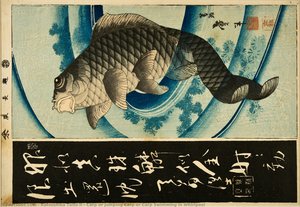
katsushika taito ii
Japan
Kurzinfos
- Artistic Movement Or Style: Ukiyo-e
- Artists Who Influenced This Artist: ['Hokusai']
- Date Of Birth: Tokyo, Japan (date missing)
- Date Of Death: Living
- Full Name: Katsushika Taito II
- Nationality: Japanese
- Notable Artworks:
- Carp & Water Weeds
- Five Annual Festivals
- Monkey Bridge
- Place Of Birth: Tokyo, Japan

