

 Vorschau anzeigen
 Versenden
 Teilen
 Details anzeigen

 Herunterladen
 Ähnliche Objekte
 Röntgenaufnahme
 Diashow
 Statistiken
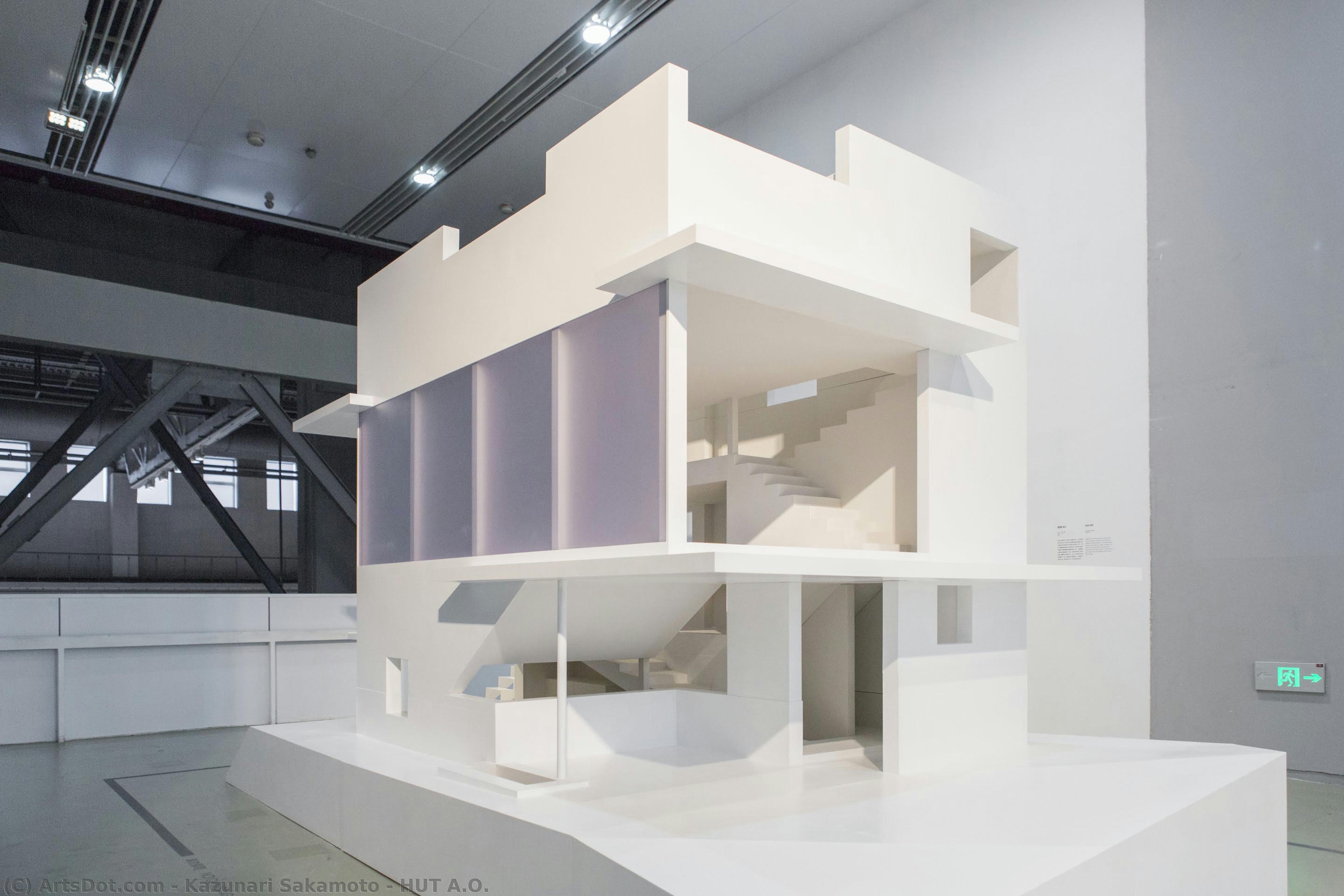
HUT A.O.


 Weiterlesen
Erwerben Sie ein hochauflösendes, optimiertes digitales Bild, das der Online-Vorschau weit überlegen ist.
Jede Datei wird von unseren hauseigenen Spezialisten mit modernsten Werkzeugen und fachmännischer manueller Retusche sorgfältig vorbereitet. Wir stellen sicher, dass jedes Bild eine außergewöhnliche Klarheit, präzise Farbgenauigkeit und feinste Details aufweist.
Die endgültige Datei wird innerhalb von 72 Stunden per E-Mail zugestellt und ist für den sofortigen Einsatz in professionellen, redaktionellen und Druckumgebungen optimiert. Es handelt sich um dieselbe Qualität, der führende Designstudios, Verlage und Galerien vertrauen.
Digitales Bild
Laden Sie eine hochauflösende Datei für die persönliche Präsentation, den Druck und kreative Projekte herunter. ( Zu Druck wechseln Handgemalte Reproduktion bestellen)
In jeder Bestellung digitaler Bilder enthalten
Professionelle digitale Bereitstellung, garantiert
Wenn Sie sich für ArtsDot.com entscheiden, erhalten Sie nicht nur ein Bild – Sie erhalten ein professionell aufbereitetes digitales Kunstwerk, das mit höchster Präzision erstellt und durch eine Zufriedenheitsgarantie abgesichert wird. Hier ist alles, was automatisch mit Ihrer Bestellung geliefert wird:

Schnelle E-Mail-Zustellung
Ihre hochauflösende digitale Bilddatei wird Ihnen innerhalb von 72 Stunden nach der Bestellung per E-Mail zugestellt – bereit zur sofortigen Verwendung.

KI-optimierte digitale Datei
Ihre Kunstwerke werden professionell mithilfe fortschrittlicher KI-Tools und manueller Bearbeitung optimiert, um maximale Detailtreue, Klarheit und Farbgenauigkeit zu gewährleisten.

Lebenslanger kostenloser Neudruckservice
Datei versehentlich gelöscht oder verloren? Keine Sorge – wir senden sie Ihnen jederzeit kostenlos erneut zu.

Keine Einfuhrgebühren – jemals
Genießen Sie Ihr Kunstwerk sofort ohne Zollgebühren, Einfuhrabgaben oder Versandkosten – digitale Downloads sind immer steuerfrei.

Garantierte Farbtreue
Wir garantieren, dass Ihr digitales Bild mithilfe professioneller Werkzeuge und Farbmanagement die Originalfarben so präzise wie möglich wiedergibt.

100-Tage-Zufriedenheitsgarantie
Wenn Sie mit Ihrem digitalen Bild nicht zufrieden sind, werden wir es überarbeiten oder 100% innerhalb von 100 Tagen erstatten – ohne Wenn und Aber.

100% Geld-zurück-Garantie
Nicht zufrieden? Erhalten Sie innerhalb von 100 Tagen nach Erhalt Ihrer digitalen Datei eine vollständige Rückerstattung – ohne Wenn und Aber.

Rabatte bei Großbestellungen
3 Bilder kaufen, 10% sparen – 5 Bilder kaufen, 15% sparen – Ab 10 Bildern 20% sparen. Ideal für kreative Projekte, Galerien und Agenturen.
Ähnliche Kunstwerke





Biografie des Künstlers
Kazunari Sakamoto: Exploring the Poetics of Everyday Space
Kazunari Sakamoto (坂本 一成), born in Tokyo in 1943, stands as a pivotal figure in contemporary Japanese architecture, recognized for his profound engagement with Buddhist aesthetics and his distinctive approach to residential design. His artistic philosophy centers on uncovering beauty within the seemingly mundane—a concept deeply rooted in Zen Buddhism—where simplicity, materiality, and spatial harmony converge to create environments that resonate with tranquility and contemplation. Sakamoto’s formative years were marked by exposure to influential architectural thinkers like Kazuo Shinohara, whose minimalist aesthetic profoundly shaped his artistic vision. This connection instilled a dedication to exploring the essence of form through restrained materials and subtle gestures—a stylistic hallmark that distinguishes his oeuvre from more overtly expressive movements within Japanese art history. He pursued Doctor course at Graduate School of Architecture, Tokyo Institute of Technology and lectured at Department of Architecture, College of Art and Design, Musashino Art University.- Early Career & Influences: Sakamoto’s initial explorations encompassed collaborative projects with fellow architects, notably Kunio Nakai, fostering a dialogue about architectural concepts and their relationship to philosophical ideas.
- Notable Projects: His portfolio boasts an impressive array of residential buildings—including MINASE ANNEX in Hachioji City, QUICO Jingu-mae in Osaka City, and Housing Complex in Egota—each characterized by meticulous attention to detail and a masterful manipulation of natural light and texture.
- Recognition & Awards: Sakamoto’s work has garnered considerable acclaim, culminating in awards from the Architectural Institute of Japan and the Togo Murano Award for Common City Hoshida, cementing his reputation as a visionary architect dedicated to elevating the everyday experience.
The Philosophy of “So Far Unnoticed” Spaces
Sakamoto’s architectural practice isn't merely about constructing buildings; it’s about fostering a contemplative connection between inhabitants and their surroundings—a core principle derived from Buddhist contemplation. He champions the notion that true beauty resides in spaces untouched by ostentation or grand narratives, prioritizing instead an honest engagement with materials and natural light. This approach contrasts sharply with prevailing trends toward monumental scale and technological innovation, reflecting Sakamoto’s unwavering commitment to preserving the quiet dignity of domestic life. His designs deliberately eschew overtly decorative elements, favoring instead a subtle interplay of textures and forms that invite introspection. Like Tadao Ando—a fellow architect who shares his philosophical convictions—Sakamoto seeks to create environments where occupants can experience a profound sense of presence and serenity. This pursuit aligns with Zen’s emphasis on mindfulness and acceptance, suggesting that architecture can serve as a catalyst for spiritual growth.Exploring Spatial Harmony & Material Dialogue
A key element of Sakamoto's architectural style is his masterful use of natural materials—particularly concrete and wood—to achieve spatial openness and textural richness. He meticulously considers how these elements interact with light, creating luminous interiors that evoke a sense of calm and tranquility. This technique draws inspiration from Shan Shui painting—a genre emphasizing landscape vistas imbued with symbolic meaning—where the artist strives to capture the essence of nature's beauty through understated visual cues. Furthermore, Sakamoto’s work demonstrates an acute awareness of cultural context, reflecting Japan’s tradition of valuing simplicity and harmony. His buildings don’t compete for attention; rather, they subtly guide occupants toward a state of mindful contemplation—a testament to his belief that architecture can enrich human experience by fostering connection with the natural world.Legacy & Influence
Kazunari Sakamoto's influence extends beyond his own architectural creations, shaping the perspectives of younger generations of Japanese architects who embrace similar principles of minimalist design and contemplative space. His unwavering dedication to exploring the beauty of everyday life—a cornerstone of Buddhist aesthetics—continues to inspire artists and designers globally. He is remembered as a pioneer in fusing architectural innovation with philosophical contemplation, leaving an indelible mark on the landscape of contemporary art and architecture.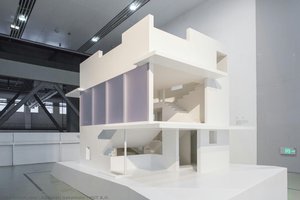
kazunari sakamoto
Japan
Kurzinfos
- Artistic Movement Or Style: Contemporary Japanese Art
- Artists Or Movements Influenced By This Artist: ['Buddhist aesthetics']
- Artists Who Influenced This Artist: ['Kazuo Shinohara']
- Full Name: Kazunari Sakamoto
- Nationality: Japanese
- Notable Artworks:
- MINASE ANNEX
- QUICO Jingu-mae
- Place Of Birth: Tokyo, Japan