

 Vorschau anzeigen
 Versenden
 Teilen
 Details anzeigen

 Herunterladen
 Ähnliche Objekte
 Röntgenaufnahme
 Diashow
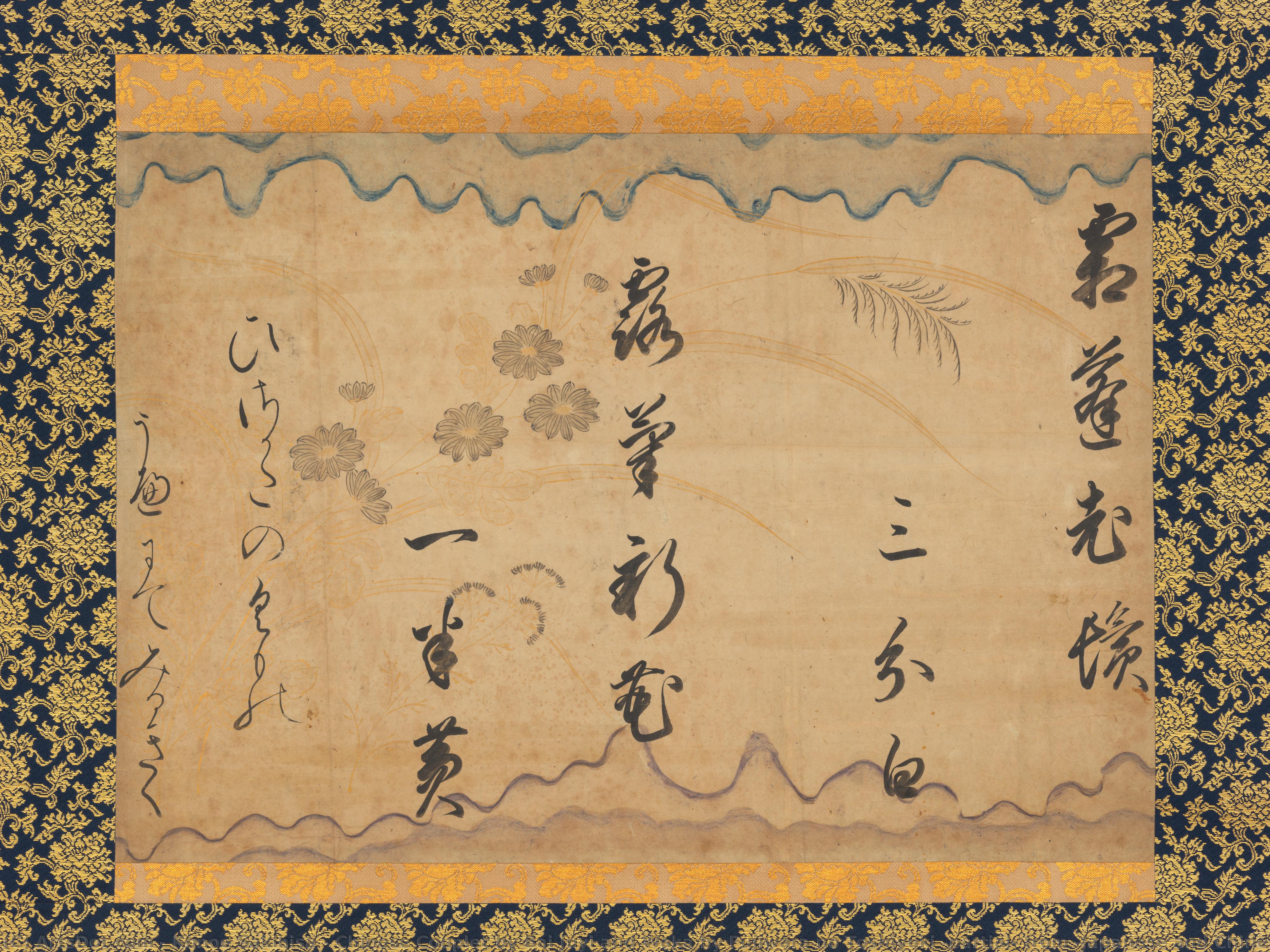
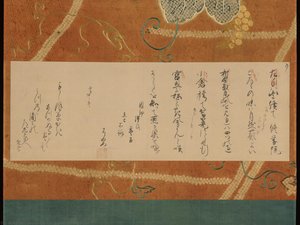
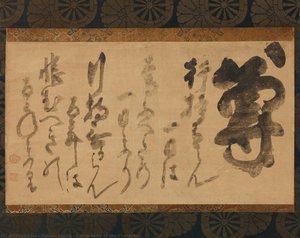
Chinese Couplet by Bai Juyi and Waka by Fujiwara no Toshiyuki (partial) from “Japanese and Chinese Poems to Sing” (Wakan rōeishū)
 Ink On Paper
- Momoyama
 601
601- Early Modern
 33.0cm x 47.0cm
 Weiterlesen
Giclée / Kunstdruck
Giclée- oder Leinwanddruck in Museumsqualität mit schneller Produktion und flexiblen Veredelungsoptionen. ( Handgemalte Reproduktion bestellen Bild kaufen)




P118B $10

P118H $10

P118W $10

P438Z $10

P508JH $12

P508YH $12

P805H $10

P805Z $10

P919BZ $10

P919G $10

P919XJ $10

P959ZH $10

P968JZ $12

W106C $8

W218G $10

W218JH $8

W218Y $10

W307PJ $10

W316G $10

W316PJ $8

W316Y $10

W398PJ $8

W4111J $10

W500HY $15

W500JH $15

W692G $12

W849H $8

W940BG $15

W953PJ $8




Wählen Sie aus unseren vordefinierten Formaten, die den ursprünglichen Proportionen des Kunstwerks entsprechen.

Sie können Ihre eigenen Maße eingeben, um ein bestimmtes Format oder einen speziellen Platz einzupassen. Wenn das von Ihnen gewählte Format nicht den Proportionen des Originalbildes entspricht, werden wir das Kunstwerk entweder beschneiden oder das Bild mit einem gespiegelten oder einfarbigen Rand erweitern. Ein digitaler Entwurf wird Ihnen zur Genehmigung zugesandt, bevor die Produktion beginnt.
Bitte beachten Sie, dass die Vorschau auf dem Bildschirm nicht den tatsächlichen Zuschnitt oder die Erweiterung widerspiegelt. Nur der Entwurf zeigt die endgültige Komposition präzise an.
Obwohl Sondermaße verfügbar sind, empfehlen wir die Auswahl eines Maßes aus der vordefinierten Liste, um die ursprünglichen Proportionen zu bewahren.
Weltweiter Versand () innerhalb von 2 Wochen statt der üblichen 4/5 Wochen. (1 September)

Kostenloser weltweiter Expressversand

Hochwertige Leinenleinwand

Umfassender Versicherungsschutz beim Versand

Zollgebühren-Rückerstattungsgarantie

Garantie für exakte Farbtreue

60 Tage Rückgaberecht (nur bei Mängeln)

100% Geld-zurück-Garantie

Mengenrabatt verfügbar
 Die Glasoption ist nur für Größen unter 110 cm verfügbar.

Chinese Couplet by Bai Juyi and Waka by Fujiwara no Toshiyuki (partial) from “Japanese and Chinese Poems to Sing” (Wakan rōeishū)
Giclée / Kunstdruck
Format der Reproduktion
-


Gesamtpreis
$ 62
Key Points:
- Artist: Konoe Sakihisa
- Painting Title: Chinese Couplet by Bai Juyi and Waka by Fujiwara no Toshiyuki (partial) from “Japanese and Chinese Poems to Sing” (Wakan rōeishū)
- Medium: Paper
- Date: 601
- Museum: Not specified
Ähnliche Kunstwerke

Über den Künstler
Konoe Sakihisa: A Court Noble Bridging Politics and Artistic Patronage
Konoe Sakihisa, a figure of immense importance during the tumultuous Sengoku, Azuchi-Momoyama, and early Edo periods (1536 – 1612), was far more than simply a Japanese court noble. He represents a fascinating confluence of political maneuvering, military strategy, and subtle yet profound artistic influence—a testament to his era’s complex dynamics. Born in Nakamura, he ascended through the ranks of the Fujiwara clan's Konoe branch, a lineage deeply entwined with the very fabric of Japanese governance for centuries. His early life, shaped by the legacy of his regent father, Taneie, laid the groundwork for a career marked by both power and strategic retreat.- Early Life and Political Ascent: Sakihisa’s rise began at just nineteen years old when he was appointed Kampaku-sadaijin (regent) – a position of immense responsibility during a period of constant warfare and shifting alliances. This appointment, coupled with his subsequent elevation to Daijō-daijin (chief councilor), reflected his growing influence within the political landscape.
- Service to Oda Nobunaga: A pivotal moment in Sakihisa’s career was his association with Oda Nobunaga. Recognizing Nobunaga's ambition and military prowess, Sakihisa became a trusted advisor, accompanying him on campaigns that further solidified his position within the burgeoning power structure of Japan.
- The Toyotomi Connection: Perhaps most significantly, Sakihisa’s adoption of Hashiba Hideyoshi (later Toyotomi Hideyoshi) in 1585 proved to be a masterstroke. This act granted Hideyoshi Fujiwara legitimacy, paving the way for his appointment as Kampaku – a move that fundamentally altered the balance of power and ushered in the Edo period.
The Kanō School and Artistic Influence
While often remembered primarily for his political roles, Konoe Sakihisa’s legacy extends significantly into the realm of Japanese art. His family's patronage played a crucial role in fostering the development of the Kanō school style – an artistic movement characterized by its vibrant colors, luxurious gold leaf application, and meticulous attention to detail. The Kanō school, dominant during this period, reflected the opulent tastes of the nobility and sought to emulate the refined aesthetics of Chinese painting.- Kanō School Characteristics: Works from the Kanō school are instantly recognizable for their bold use of color, particularly crimson and gold, alongside intricate details and a sense of serene elegance. These elements were deeply rooted in the aesthetic preferences of the Japanese elite during the Azuchi-Momoyama and early Edo periods.
- Sakihisa’s Patronage: Sakihisa's family actively supported artists within the Kanō school, contributing to its growth and influence. His connections facilitated the transmission of techniques and styles, ensuring that this distinctive artistic tradition flourished.
- Chinese Painting as Inspiration: The Kanō school drew heavily on Chinese painting traditions, particularly in terms of composition, brushwork, and subject matter. Sakihisa’s appreciation for these influences undoubtedly shaped the aesthetic sensibilities of his court.
Beyond Politics: A Scholar and Calligrapher
Sakihisa's life was not solely defined by political ambition. He was a highly educated individual, deeply versed in classical literature, etiquette, and Buddhist philosophy. His intellectual pursuits extended to calligraphy, where he developed a distinctive style influenced by the Sonen school. The tanzaku (calligraphic couplets) attributed to him offer glimpses into his thoughts and reflections on life, death, and the natural world.- Calligraphic Style: Sakihisa’s calligraphic works are characterized by their elegant brushstrokes and refined composition – reflecting a deep understanding of traditional techniques.
- The Significance of Tanzaku: These calligraphic couplets, often inscribed with Buddhist prayers, provide valuable insights into the spiritual beliefs and philosophical outlook of a man who navigated the complexities of courtly life.
Historical Context and Legacy
Konoe Sakihisa’s story is inextricably linked to the turbulent history of 16th and 17th century Japan. He lived through a period of intense warfare, political upheaval, and social transformation – witnessing the rise of Oda Nobunaga, the consolidation of power by Toyotomi Hideyoshi, and the eventual establishment of the Tokugawa shogunate. His ability to adapt to changing circumstances, forge strategic alliances, and maintain his position within the complex web of Japanese politics speaks volumes about his intelligence, diplomacy, and resilience. While he ultimately retreated from active political life, his legacy as a key figure in shaping the course of Japanese history remains undeniable. He stands as a testament to the intricate interplay between power, art, and culture during one of Japan’s most dynamic eras.
Konoe Sakihisa
1536 - 1612 , Japan
Kurzinfos
- Artistic Movement Or Style: Kanō-Schule
- Artists Or Movements Influenced By This Artist: ['Momoyama-Kunst']
- Artists Who Influenced This Artist: ['Kanō-Schule']
- Date Of Birth: 1536
- Date Of Death: 1612
- Full Name: Konoe Sakihisa
- Nationality: Japanisch
- Notable Artworks: ['Chinesisches Gedicht']
- Place Of Birth: Nakamura, Japan
Ähnliche Artikel
Xie Zhiliu: A Legacy of Ink Wash Painting & Modern Chinese Literati Tradition
Explore the legacy of Xie Zhiliu, a master of Chinese ink wash painting & prominent figure in modern art. Discover his techniques, influences, and contributions to literati tradition. A guide for discerning collectors.

Katsushika Hokusai: Die 25 Meisterwerke des Ukiyo-e – Kunst für Ihr Zuhause | ArtsDot
Entdecken Sie die 25 Meisterwerke von Katsushika Hokusai! Tauchen Sie ein in die Welt des Ukiyo-e, berühmte Holzschnitte wie 'Die große Welle' & Fuji-Ansichten. Hochwertige Kunstdrucke für Ihr Zuhause – jetzt auf ArtsDot.com!
Floating World: The Captivating Art and Legacy of Japanese Ukiyo-e
Explore the profound beauty of Japanese Ukiyo-e. Discover the history, masters like Hokusai, and the enduring legacy of the 'Floating World' through an expert art-historical lens.
Utagawa Kuniyoshi: Narrative Innovation und die Verschmelzung von Tradition mit Populärkultur – Eine Studie zum Meister des japanischen Ukiyo-e
Entdecken Sie Utagawa Kuniyoshi, den Meister des japanischen Ukiyo-e! Erfahren Sie mehr über seine narrative Innovation, die Verschmelzung von Tradition und Populärkultur sowie seine einzigartige Technik. Jetzt lesen!
Léonard Foujita: Eine poetische Synthese japanischer Sensibilität und europäischer Moderne
Entdecken Sie das faszinierende Werk von Léonard Foujita – einem Meister der École de Paris. Erfahren Sie mehr über seine einzigartige Verbindung japanischer Ästhetik und europäischer Moderne, seinen unverwechselbaren Stil und sein bleibendes Vermächtnis.

