

 Vorschau anzeigen
 Versenden
 Teilen
 Details anzeigen

 Herunterladen
 Ähnliche Objekte
 Röntgenaufnahme
 Diashow
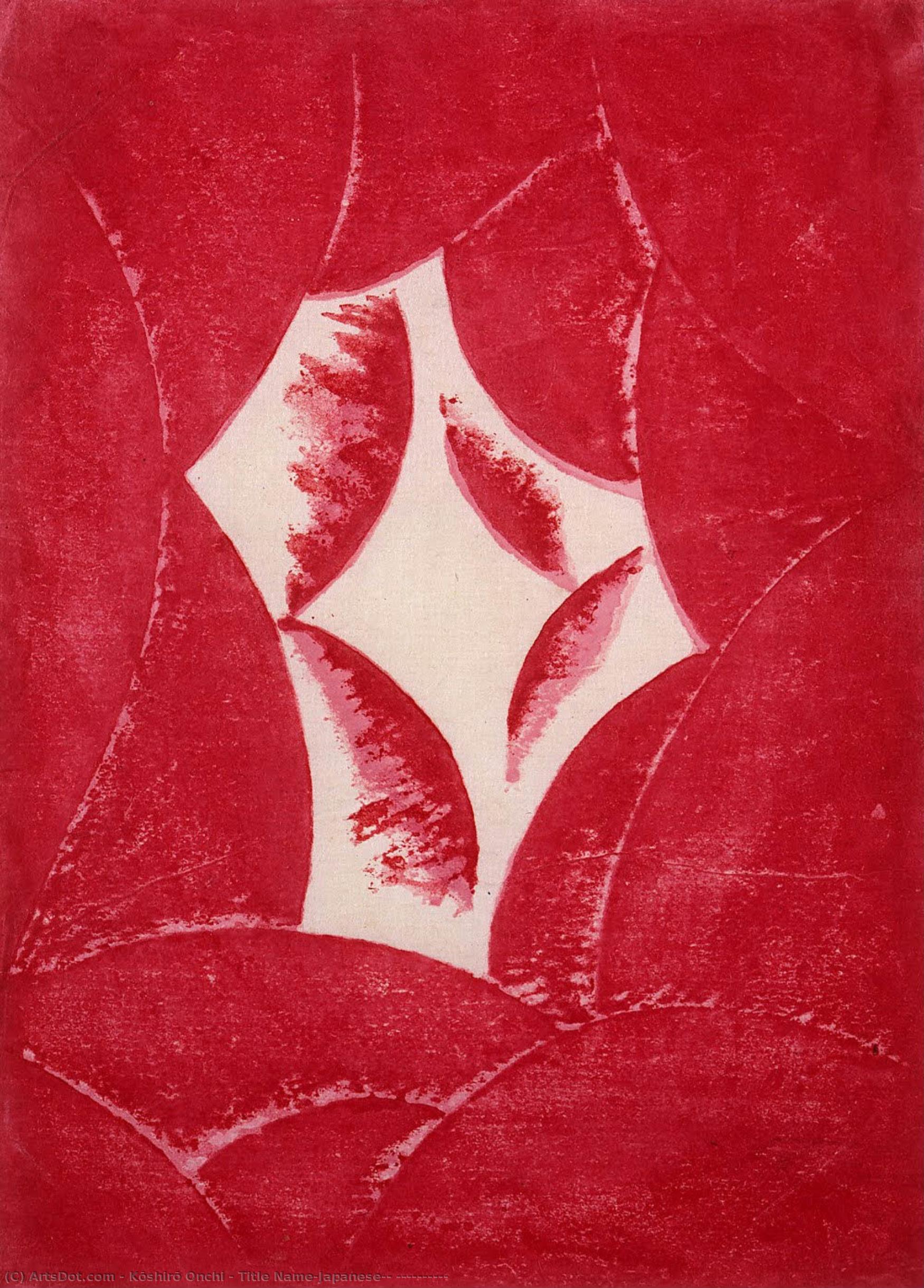
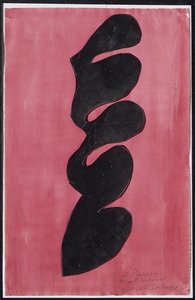
Title Name(Japanese): 抒情 『あかるい時』
 10.0 x 13.0 cm
 Weiterlesen
Erwerben Sie ein hochauflösendes, optimiertes digitales Bild, das der Online-Vorschau weit überlegen ist.
Jede Datei wird von unseren hauseigenen Spezialisten mit modernsten Werkzeugen und fachmännischer manueller Retusche sorgfältig vorbereitet. Wir stellen sicher, dass jedes Bild eine außergewöhnliche Klarheit, präzise Farbgenauigkeit und feinste Details aufweist.
Die endgültige Datei wird innerhalb von 72 Stunden per E-Mail zugestellt und ist für den sofortigen Einsatz in professionellen, redaktionellen und Druckumgebungen optimiert. Es handelt sich um dieselbe Qualität, der führende Designstudios, Verlage und Galerien vertrauen.
Digitales Bild
Laden Sie eine hochauflösende Datei für die persönliche Präsentation, den Druck und kreative Projekte herunter. ( Druck bestellen Handgemalte Reproduktion bestellen)
In jeder Bestellung digitaler Bilder enthalten
Professionelle digitale Bereitstellung, garantiert
Wenn Sie sich für ArtsDot.com entscheiden, erhalten Sie nicht nur ein Bild – Sie erhalten ein professionell aufbereitetes digitales Kunstwerk, das mit höchster Präzision erstellt und durch eine Zufriedenheitsgarantie abgesichert wird. Hier ist alles, was automatisch mit Ihrer Bestellung geliefert wird:

Schnelle E-Mail-Zustellung
Ihre hochauflösende digitale Bilddatei wird Ihnen innerhalb von 72 Stunden nach der Bestellung per E-Mail zugestellt – bereit zur sofortigen Verwendung.

KI-optimierte digitale Datei
Ihre Kunstwerke werden professionell mithilfe fortschrittlicher KI-Tools und manueller Bearbeitung optimiert, um maximale Detailtreue, Klarheit und Farbgenauigkeit zu gewährleisten.

Lebenslanger kostenloser Neudruckservice
Datei versehentlich gelöscht oder verloren? Keine Sorge – wir senden sie Ihnen jederzeit kostenlos erneut zu.

Keine Einfuhrgebühren – jemals
Genießen Sie Ihr Kunstwerk sofort ohne Zollgebühren, Einfuhrabgaben oder Versandkosten – digitale Downloads sind immer steuerfrei.

Garantierte Farbtreue
Wir garantieren, dass Ihr digitales Bild mithilfe professioneller Werkzeuge und Farbmanagement die Originalfarben so präzise wie möglich wiedergibt.

60-Tage-Zufriedenheitsgarantie
Sollten Sie mit Ihrem digitalen Bild nicht zufrieden sein, werden wir es überarbeiten oder Ihnen innerhalb von 60 Tagen 100% erstatten – ohne Wenn und Aber.

100% Geld-zurück-Garantie
Nicht zufrieden? Erhalten Sie innerhalb von 60 Tagen nach Erhalt Ihrer digitalen Datei eine vollständige Rückerstattung – ohne Angabe von Gründen.

Rabatte bei Großbestellungen
3 Bilder kaufen, 10% sparen – 5 Bilder kaufen, 15% sparen – Ab 10 Bildern 20% sparen. Ideal für kreative Projekte, Galerien und Agenturen.
Ähnliche Kunstwerke

Biografie des Künstlers
kōshirō onchi: The Father of Sōsaku-hanga and the Pioneer of Abstract Printmaking
kōshirō Onchi (恩地孝四郎, 1891–1955) stands as a monumental figure in twentieth-century Japanese art, universally recognized as the progenitor of *sōsaku hanga*, or creative printmaking. More than just an artist; he was a visionary who fundamentally reshaped artistic expression and championed a radical departure from traditional printmaking conventions—a movement that continues to inspire artists today. His legacy resides not only in his stunning visual output but also in his unwavering belief in the transformative power of individual creativity and his pivotal role in establishing Japan’s reputation as a leader in modern art.Early Life and Artistic Foundations
Born in Tokyo, Japan, in 1891, Onchi descended from an aristocratic lineage deeply intertwined with the imperial family—a privilege that afforded him access to exceptional educational opportunities. From childhood, he received instruction mirroring that of princes, immersing himself in both calligraphy and Western art. A formative encounter with takehisa Yumeji in 1909 ignited his passion for painting, propelling him toward intensive studies at Tokyo School of Fine Arts between 1910 and 1915. This period cemented his understanding of Impressionism and Post-Impressionism—influences that would profoundly shape his artistic sensibilities. Notably, he founded *Tsukuhae* (Moonglow) magazine in 1912, demonstrating an early commitment to disseminating innovative ideas within the art world. He believed that printmaking was the most suitable method for expressing modern and abstract art.The Birth of Sōsaku-hanga: A Revolutionary Approach
The true brilliance of Onchi’s contribution lay in his leadership of the Nihon Sōsaku Hanga Kyōkai (日本創作版画協会) and its successor, Nihon Hanga Kyōkai (日本版画協会). Established in 1939, this group represented a decisive break from the established *ukiyo-e* system—where artistic labor was divided among publisher, carver, printer, and artist. Onchi championed the concept of “self” as the primary impetus for artistic creation—a cornerstone of *sōsaku hanga*. He argued that printmaking should prioritize spontaneous expression and eschew meticulous craftsmanship in favor of embracing experimentation and intuition. This ethos resonated deeply with fellow artists and solidified *sōsaku hanga*'s position as a uniquely Japanese form of art. He established the print study group the Ichimokukai (一番会) in 1939, fostering collaborative dialogue among aspiring printmakers.Notable Works and Artistic Evolution
Onchi’s artistic journey spanned from early representational prints to later explorations of abstraction—a stylistic progression that exemplifies his unwavering dedication to pushing creative boundaries. His series “One Hundred Views of New Tokyo,” completed in 1928 alongside seven other prominent artists, showcased his mastery of technique while simultaneously advocating for a bold aesthetic vision. These prints, characterized by their striking compositions and evocative use of color, captured the dynamism of urban life—a testament to Onchi’s ability to translate observation into artistic expression. Throughout his prolific career, he designed over 1000 books, demonstrating versatility beyond printmaking and solidifying his reputation as a multifaceted artist. His later works embraced minimalist forms and explored concepts of emptiness and silence—reflecting a profound engagement with Zen Buddhism and its influence on his artistic worldview. He believed that printmaking was the best way to create abstract art.Legacy and Recognition
kōshirō Onchi’s impact on Japanese art history is undeniable. He was recognized internationally for his pioneering role in establishing *sōsaku hanga* as a respected genre, influencing generations of printmakers who followed him. His unwavering belief in the primacy of individual expression—coupled with his innovative approach to printmaking—continues to inspire artists globally. Today, Onchi’s prints reside in museums across continents, including the National Museum of Modern Art, Tokyo; the British Museum; and the Museum of Fine Arts, Boston—a testament to the enduring power of his artistic vision and its significance within the broader context of twentieth-century art history. His contribution to Japanese culture is commemorated through exhibitions and scholarly studies, ensuring that his legacy persists as a beacon of creativity and innovation.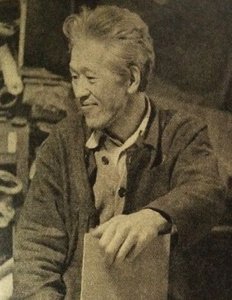
Kōshirō Onchi
1891 - 1955 , Japan
Kurzinfos
- Artistic Movement Or Style: *Sōsaku hanga*
- Artists Or Movements Influenced By This Artist:
- Wassily Kandinsky
- Edvard Munch
- Artists Who Influenced This Artist: ['takehisa yumeji']
- Date Of Birth: Tokyo, Japan (1891)
- Date Of Death: 1955
- Full Name: kōshirō onchi
- Nationality: Japanisch
- Notable Artworks:
- 人体
- 抒情 『あかるい時』
- Place Of Birth: Tokyo

