

 Vorschau anzeigen
 Versenden
 Teilen
 Details anzeigen

 Herunterladen
 Ähnliche Objekte
 Röntgenaufnahme
 Diashow
 Statistiken
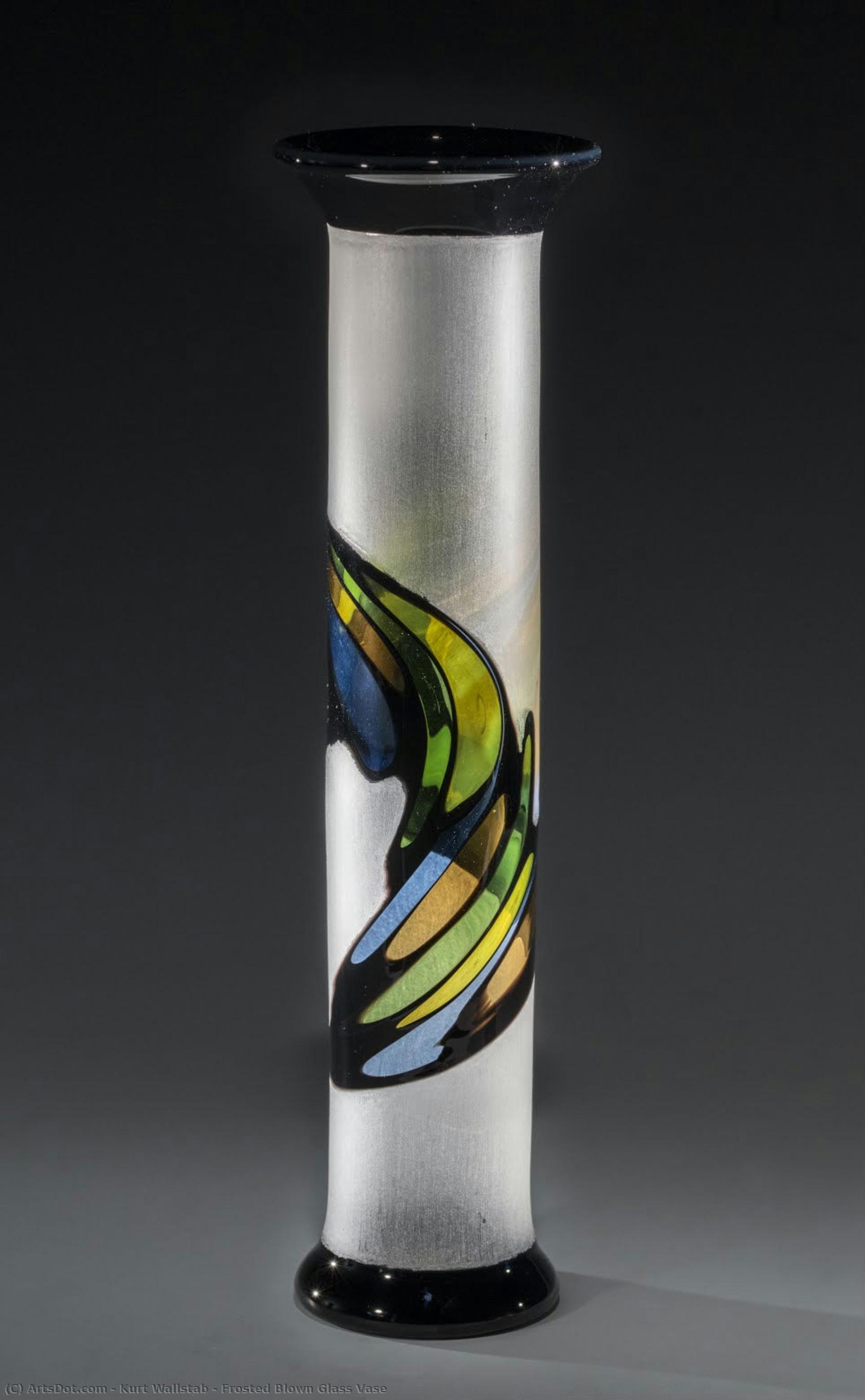
Frosted Blown Glass Vase
 23.0 x 6.0 cm
 Bergstrom-Mahler Museum of Glass
 Weiterlesen
Giclée / Kunstdruck
Giclée- oder Leinwanddruck in Museumsqualität mit schneller Produktion und flexiblen Veredelungsoptionen. ( Handgemalte Reproduktion bestellen Zum digitalen Bild wechseln)




































Wählen Sie aus unseren vordefinierten Formaten, die den ursprünglichen Proportionen des Kunstwerks entsprechen.

Sie können Ihre eigenen Maße eingeben, um ein bestimmtes Format oder einen speziellen Platz einzupassen. Wenn das von Ihnen gewählte Format nicht den Proportionen des Originalbildes entspricht, werden wir das Kunstwerk entweder beschneiden oder das Bild mit einem gespiegelten oder einfarbigen Rand erweitern. Ein digitaler Entwurf wird Ihnen zur Genehmigung zugesandt, bevor die Produktion beginnt.
Bitte beachten Sie, dass die Vorschau auf dem Bildschirm nicht den tatsächlichen Zuschnitt oder die Erweiterung widerspiegelt. Nur der Entwurf zeigt die endgültige Komposition präzise an.
Obwohl Sondermaße verfügbar sind, empfehlen wir die Auswahl eines Maßes aus der vordefinierten Liste, um die ursprünglichen Proportionen zu bewahren.
Weltweiter Versand () innerhalb von 2 Wochen statt der üblichen 4/5 Wochen. (10 September)

Kostenloser weltweiter Expressversand

Hochwertige Leinenleinwand

Umfassender Versicherungsschutz beim Versand

Zollgebühren-Rückerstattungsgarantie

Garantie für exakte Farbtreue

100-Tage-Rückgaberecht (nur bei Mängeln)

100% Geld-zurück-Garantie

Mengenrabatt verfügbar
 Die Glasoption ist nur für Größen unter 110 cm verfügbar.

Frosted Blown Glass Vase
Giclée / Kunstdruck
Format der Reproduktion
-


Gesamtpreis
$ 62
Ähnliche Kunstwerke








Über den Künstler
Kurt Wallstab: The Frost of Reflection
Born in Neuhaus am Rennweg, Germany, in 1920, Kurt Wallstab’s life and artistic journey were inextricably linked to the evolving landscape of German glass art. His early exposure to the craft, likely within his family's workshop – details remain somewhat elusive, a characteristic that often shadowed his career – laid the foundation for a distinctive style characterized by an almost ethereal quality achieved through meticulous frosted techniques. Wallstab’s work isn’t simply about creating beautiful objects; it’s about capturing and manipulating light, transforming glass into a medium of subtle reflection and atmospheric depth.
Wallstab's artistic development unfolded primarily in the mid-20th century, a period marked by both post-war reconstruction and a burgeoning interest in modern design. Influenced by the Bauhaus movement’s emphasis on functionality and experimentation with materials, Wallstab initially explored various glass techniques before settling on his signature frosted approach. This choice wasn't arbitrary; it reflected a desire to move beyond purely decorative forms, seeking instead to create pieces that evoked mood and atmosphere. The deliberate obscuring of surfaces created an intriguing interplay between light and shadow, inviting the viewer to contemplate the unseen.
The Language of Frost
Wallstab’s mastery lay in his precise application of frost. Unlike simple surface treatments, he employed a complex layering process – often involving multiple applications of heat and subsequent cooling – to build up intricate patterns of crystalline structures within the glass. This wasn't merely about creating a cloudy effect; it was about controlling the diffusion of light, generating subtle shifts in color and tone. His vases, particularly those with elongated necks and bulbous bodies, became renowned for their ability to capture and refract light in mesmerizing ways. The frosted surfaces seemed to hold within them miniature landscapes of shimmering color.
His technique was deeply rooted in observation and experimentation. Wallstab wasn’t a theorist; he learned through hands-on practice, constantly refining his methods based on the unique properties of each piece of glass. He often worked with relatively thick-walled vessels, allowing for greater control over the cooling process and ensuring that the frost developed evenly across the surface. This dedication to craft resulted in pieces that possessed an incredible depth and complexity, far exceeding the expectations of many contemporary glass artists.
Notable Works and Recognition
While Wallstab’s work remained largely within Germany for much of his career, it gradually gained international recognition throughout the 1980s. His pieces were featured in prestigious exhibitions such as “Internationale Studio-Glaskunst” in Cologne (1985) and “Neues Glas in Europa: 50 Künstler – 50 Konzepte” in Düsseldorf (1985), showcasing his innovative approach to glass art. The Sprengel Museum Hannover, a leading institution dedicated to modern art, mounted a significant retrospective of his work in 2002, cementing his place as one of Germany’s most important glass artists.
Among his most celebrated works are the numerous frosted blown glass vases and sculptures that exemplify his signature style. These pieces – often characterized by their elegant forms and subtle color variations – continue to be highly sought after by collectors worldwide. The Corning Museum of Glass, for example, holds several examples in its collection, testament to the enduring appeal of Wallstab’s artistic vision.
Legacy and Influence
Kurt Wallstab passed away in 2002, leaving behind a body of work that continues to inspire artists today. His emphasis on texture, light, and atmosphere has had a profound influence on subsequent generations of glassmakers. While his technique was undeniably unique, it’s also fair to say that he elevated the possibilities of frosted glass, demonstrating its potential as a medium for creating evocative and emotionally resonant art. Wallstab's legacy lies not just in the beauty of his individual pieces but in his pioneering exploration of light and reflection within the realm of glass.
His work remains a powerful reminder that even seemingly simple materials – like frosted glass – can be transformed into vehicles for profound artistic expression. The subtle shimmer, the play of shadows, and the sense of quiet contemplation offered by Wallstab’s creations continue to captivate viewers decades after his death.
kurt wallstab
1920 - 2002 , Germany
Kurzinfos
- Artistic Movement Or Style: Frosted glass art
- Artists Or Movements Influenced By This Artist: ['Contemporary glass artists']
- Artists Who Influenced This Artist:
- Luce Irigaray
- Dale Chihuly
- Date Of Birth: 1920-03-30
- Date Of Death: 2002
- Full Name: Kurt Wallstab
- Nationality: German
- Notable Artworks:
- Frosted blown glass vase
- Various frosted sculptures
- Place Of Birth: Neuhaus am Rennweg, Germany