

 Vorschau anzeigen
 Versenden
 Teilen
 Details anzeigen

 Herunterladen
 Ähnliche Objekte
 Röntgenaufnahme
 Diashow
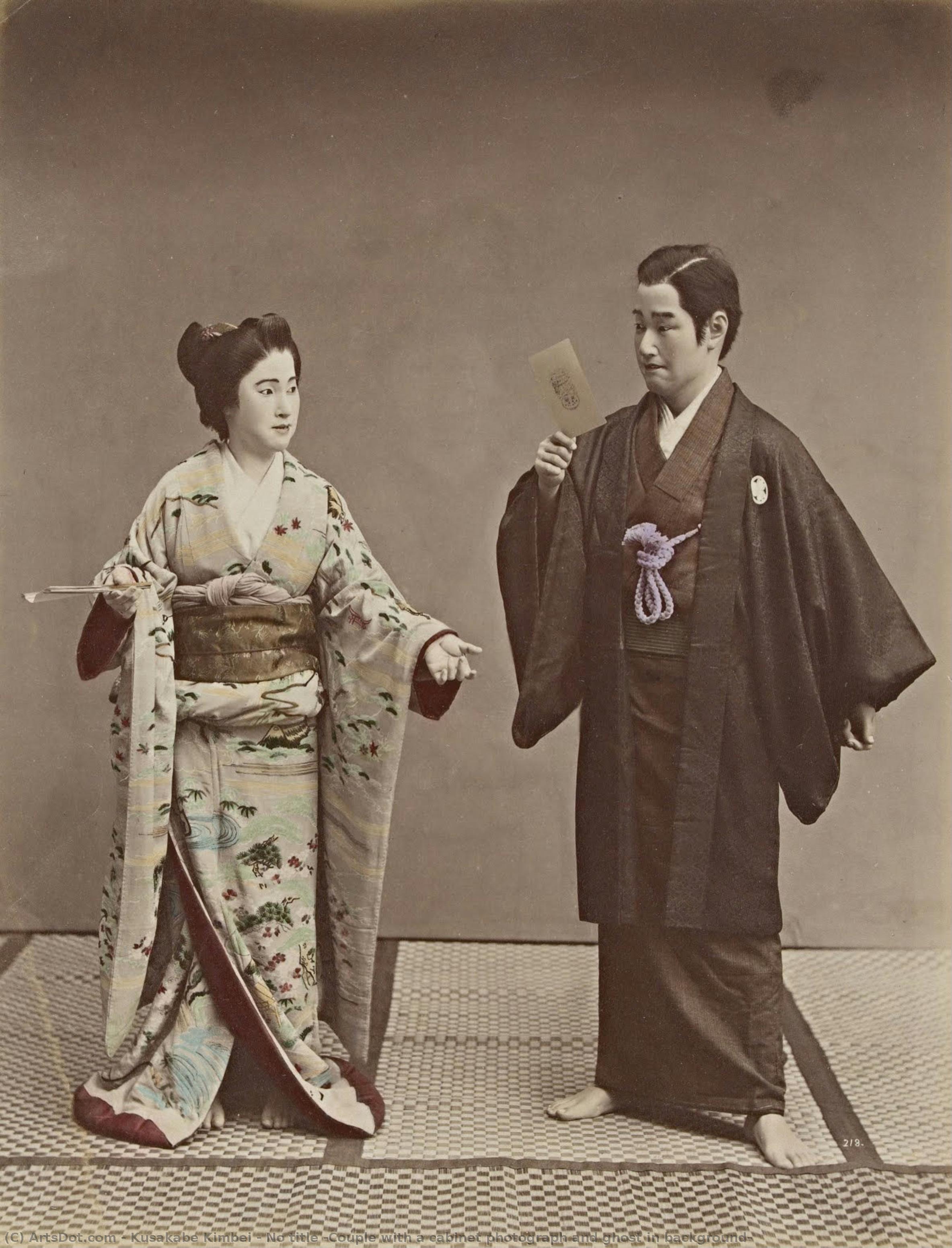
No title (Couple with a cabinet photograph and ghost in background)
 Acrylic On Canvas
- WallArt
- Ukiyo-e Inspired
 1880
1880 26.0 x 20.0 cm
 National Gallery of Victoria
 Weiterlesen
Handgefertigte Ölreproduktion
Handgemaltes Ölgemälde auf Leinwand in Ihrer Wunschgröße und mit Rahmen, auf Bestellung von unseren Künstlern angefertigt. ( Druck bestellen Bild kaufen)




P118B $10

P118H $10

P118W $10

P438Z $10

P508JH $12

P508YH $12

P805H $10

P805Z $10

P919BZ $10

P919G $10

P919XJ $10

P959ZH $10

P968JZ $12

W106C $8

W218G $10

W218JH $8

W218Y $10

W307PJ $10

W316G $10

W316PJ $8

W316Y $10

W398PJ $8

W4111J $10

W500HY $15

W500JH $15

W692G $12

W849H $8

W940BG $15

W953PJ $8




Wählen Sie aus unseren vordefinierten Formaten, die den ursprünglichen Proportionen des Kunstwerks entsprechen.

Sie können Ihre eigenen Maße eingeben, um einen bestimmten Rahmen oder Platz auszufüllen. Wenn die gewählte Größe nicht den Proportionen des Originalbildes entspricht, werden wir das Kunstwerk entweder beschneiden oder das Gemälde durch zusätzliche, handgemalte Elemente erweitern. Ein digitales Mockup wird Ihnen zur Genehmigung zugesandt, bevor die Produktion beginnt.
Bitte beachten Sie, dass die Bildschirmvorschau nicht die tatsächliche Beschneidung oder Erweiterung widerspiegelt. Nur das Mockup zeigt die endgültige Komposition exakt an.
Obwohl Sondermaße verfügbar sind, empfehlen wir, eine Größe aus der vordefinierten Liste zu wählen, um die ursprünglichen Proportionen beizubehalten.
Nach der Bestellung wird das ArtsDot.com-Team dem Kunden Anweisungen per E-Mail zusenden und eine Mockup-Vorschau bereitstellen.
Weltweiter Versand () in nur 3 bis 4 Wochen statt der üblichen 5 Wochen. (31 August). Keine Kompromisse bei der Qualität.

Kostenloser weltweiter Expressversand

Hochwertige Leinenleinwand

Umfassender Versicherungsschutz beim Versand

Zollgebühren-Rückerstattungsgarantie

Garantie für exakte Farbtreue

60 Tage Rückgaberecht (nur bei Mängeln)

100% Geld-zurück-Garantie

Mengenrabatt verfügbar
 Die Glasoption ist nur für Größen unter 110 cm verfügbar.

No title (Couple with a cabinet photograph and ghost in background)
Art der Reproduktion
Format der Reproduktion
-


Gesamtpreis
$ 288
Kusakabe Kimbei’s “No Title” – A Ghostly Echo of Edo Japan
The photograph captures two Japanese individuals posed formally against a backdrop of a richly patterned rug and a subtle hint of architectural detail—likely a cabinet photograph. Taken by Kusakabe Kimbei in 1880, this image transcends mere documentation; it embodies the spirit of Shinrei shashin – “ghost photographs”—a genre that emerged during Japan’s late Edo period and reflects a fascinating intersection between artistic convention and burgeoning Western influence. Kimbei's masterful technique—albumen printing—produces a tonal richness that lends itself to capturing the nuances of light and texture, creating an atmosphere both serene and imbued with unspoken emotion.- Subject Matter: The portrait depicts a man and woman dressed in traditional kimono attire, symbolizing social status and adherence to established customs. Their gestures convey formality and poise, typical of depictions intended for discerning audiences during the era.
- Style & Technique: Kimbei’s approach aligns closely with the Bijinga tradition—Japanese art depicting beautiful women—drawing inspiration from the aesthetic principles prevalent in ukiyo-e prints. Albumen printing, a photographic process popularized by Europeans like Felice Beato and Baron Raimund von Stillfried, ensures exceptional detail and tonal gradation, preserving subtle nuances of color and texture.
- Historical Context: Japan’s opening to Western trade in 1854 dramatically altered its cultural landscape. Photographers like Kimbei capitalized on this newfound openness, documenting scenes of daily life—particularly those showcasing Japanese traditions—for the burgeoning tourist market. Notably, these images rarely portrayed the pervasive modernization sweeping across society at the time.
- Symbolism: The inclusion of a ghost – or “shinrei” – is significant. Shinrei shashin wasn’t merely about capturing an image; it was about attempting to capture something beyond the visible realm—a spiritual essence, a lingering presence. This stylistic choice speaks to anxieties surrounding Western encroachment and a desire to preserve Japanese identity amidst rapid change.
- Emotional Impact: The photograph evokes a sense of quiet dignity and contemplation. Its muted sepia tones contribute to an atmosphere of nostalgia for a bygone era, inviting viewers to consider the complexities of cultural exchange and the enduring power of visual storytelling.
Kimbei’s Influence & Artistic Legacy
Kusakabe Kimbei's collaboration with Felice Beato and Baron Raimund von Stillfried established him as a pivotal figure in Japanese photography, demonstrating his ability to adapt European techniques while retaining distinctly Japanese artistic sensibilities. His studio’s output remains invaluable for historians studying the visual culture of late Edo Japan and its subsequent transformation into modern Japan. The photograph's enduring appeal lies not only in its technical excellence but also in its capacity to transport us back to a moment frozen in time—a testament to Kimbei’s artistry and the captivating allure of Shinrei shashin.Dimensions & Reproduction Considerations
This original albumen print measures 26 x 20 cm (approximately 10 x 8 inches). High-quality reproductions offer a remarkable opportunity to appreciate the photograph's subtle tonal variations and textural richness, preserving its evocative atmosphere for contemporary audiences. Careful archival printing ensures longevity and maintains the integrity of Kimbei’s artistic vision.Ähnliche Kunstwerke
Über den Künstler
Frühes Leben und Karriere
Kusakabe Kimbei, ein renommierter japanischer Fotograf, wurde im Jahr 1841 geboren. Er nahm den Vornamen Kimbei für seinen Kundenstamm an, der hauptsächlich aus nicht-japanischsprachigen ausländischen Bewohnern und Besuchern bestand, für die dieser Name leichter auszusprechen war als sein Familienname. Kimbeis fotografische Reise begann durch seine Zusammenarbeit mit Felice Beato, einem britischen Fotografen italienischer Abstammung, und Baron Raimund von Stillfried, einem österreichischen Fotografen. Im Jahr 1881 gründete Kimbei seine eigene Werkstatt in Yokohama, Japan, die 1889 in das Honmachi-Viertel umzog.Fotografischer Stil und bedeutende Werke
Kimbeis Fotografiestil war durch seinen traditionellen Bijinga-Ansatz geprägt, der oft japanische Frauen darstellte. Er engagierte Geishas, um für seine Fotografien zu posieren, was zur damaligen Zeit bei Touristen sehr beliebt war. Viele seiner Alben sind in einer Akkordeon-Form montiert. Einige bedeutende Werke von Kimbei finden sich in der Sammlung der National Gallery of Victoria (Melbourne, Australien), darunter eine Fotografie mit dem Titel kein Titel (Paar mit einem Kabinettfoto und Geist im Hintergrund). Dieses Stück ist ein Zeugnis für Kimbeis einzigartige Verbindung von traditioneller japanischer Ästhetik und frühen fotografischen Techniken.Vermächtnis und Einfluss
Kimbei erwarb die Negative von Felice Beato, Baron Raimund von Stillfried und Uchida Kuichi. Er erhielt zudem einige der Negative von Ueno Hikoma aus Nagasaki. Kimbeis Rückzug als Fotograf im Jahr 1914 markierte das Ende einer Ära in der japanischen Fotografie.- Betrachten Sie die Werke von Kusakabe Kimbei auf ArtsDot
- Erfahren Sie mehr über Felice Beato auf Wikipedia
- Entdecken Sie die Fujikawa Galleries (Japan), ein verborgener Schatz für Kunstliebhaber, der Werke aus verschiedenen Epochen und Stilen präsentiert: Fujikawa Galleries (Japan) – Ein verborgener Schatz für Kunstliebhaber
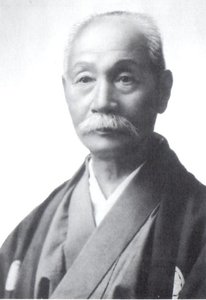
Kusakabe Kimbei
1841 - 1934 , Japan
Kurzinfos
- Artistic Movement Or Style: Bijinga Fotografie; Akkordbuch
- Artists Who Influenced This Artist:
- Felice Beato
- Baron Raimund von Stillfried
- Date Of Birth: November 24, 1841
- Date Of Death: April 19, 1934
- Full Name: Kusakabe Kimbei
- Nationality: Japanisch
- Notable Artworks:
- Kein Titel (Paar mit einem Kabinenträger und Geist im Hintergrund)
- Yumoto See bei Nikko
- Place Of Birth: Kofu, Yamanashi Prefecture
Ähnliche Artikel

Katsushika Hokusai: Die 25 Meisterwerke des Ukiyo-e – Kunst für Ihr Zuhause | ArtsDot
Entdecken Sie die 25 Meisterwerke von Katsushika Hokusai! Tauchen Sie ein in die Welt des Ukiyo-e, berühmte Holzschnitte wie 'Die große Welle' & Fuji-Ansichten. Hochwertige Kunstdrucke für Ihr Zuhause – jetzt auf ArtsDot.com!
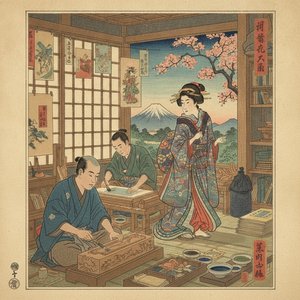
Floating World: The Captivating Art and Legacy of Japanese Ukiyo-e
Explore the profound beauty of Japanese Ukiyo-e. Discover the history, masters like Hokusai, and the enduring legacy of the 'Floating World' through an expert art-historical lens.
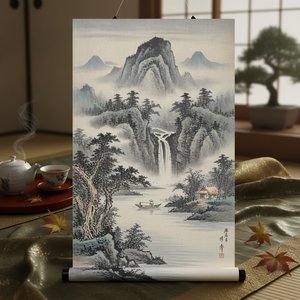
Serenity on Canvas: A Guide to the Timeless Beauty of Japanese Landscape Painting
Discover the serene beauty of Japanese landscape painting. From Hokusai's iconic woodblock prints to meditative sumi-e ink washes, explore a visual journey through the 'floating world' and learn how to bring this timeless Zen aesthetic into your modern home decor.
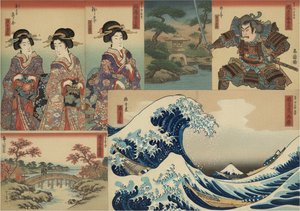
Ukiyo-e: Exploring Japan's Floating World & Enduring Artistic Legacy
Explore the captivating world of Ukiyo-e – Japan's iconic woodblock prints! Discover masters like Hokusai & Hiroshige, learn about Edo period culture, and find expert art collecting guidance at ArtsDot.
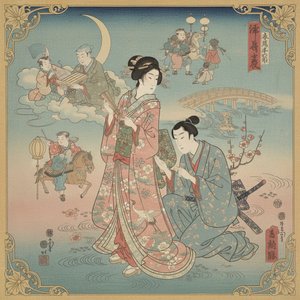
Suzuki Harunobu und die Vollendung des Ukiyo-e: Revolution der Farbgebung im Edo-Zeitalter
Entdecken Sie die Revolution der Farbgebung im Ukiyo-e mit Suzuki Harunobu! Erfahren Sie mehr über seine innovativen Drucktechniken, lyrischen Werke und seinen Einfluss auf den Japonismus. Expertenwissen & hochwertige Reproduktionen.

