

 Vorschau anzeigen
 Versenden
 Teilen
 Details anzeigen

 Herunterladen
 Ähnliche Objekte
 Röntgenaufnahme
 Diashow
 Stats
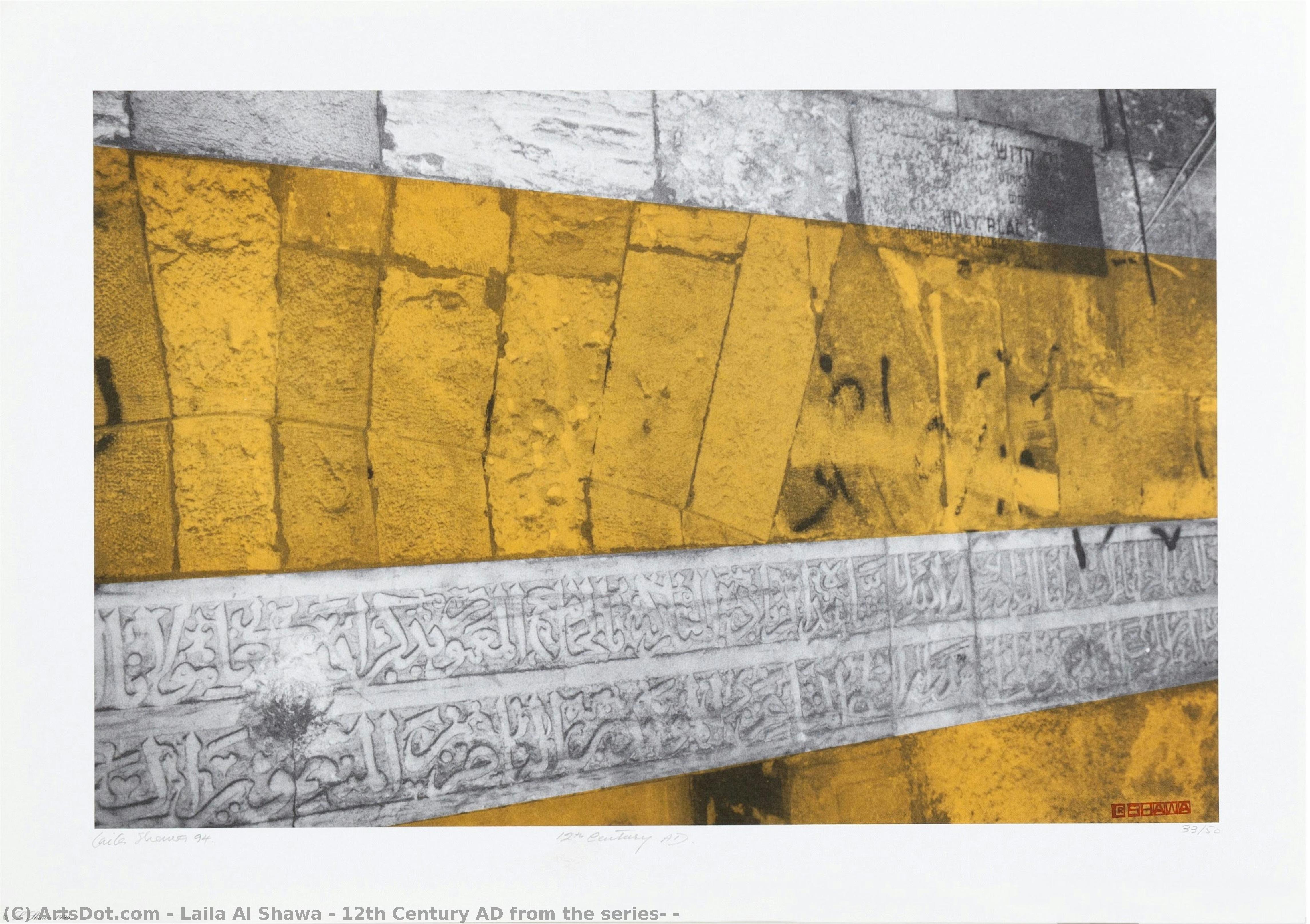
Stats12th Century AD from the series,
 Silkscreen
- Contemporary Art
 1994
1994- Contemporary
 48.0 x 70.0 cm
 Zeitgenössische Kunstplattform
 Weiterlesen
Handgefertigte Ölreproduktion
Handgemaltes Ölgemälde auf Leinwand in Ihrer Wunschgröße und mit Rahmen, auf Bestellung von unseren Künstlern angefertigt. ( Switch to Print Switch to Digital Image)




P118B $10

P118H $10

P118W $10

P438Z $10

P508JH $12

P508YH $12

P805H $10

P805Z $10

P919BZ $10

P919G $10

P919XJ $10

P959ZH $10

P968JZ $12

W106C $8

W218G $10

W218JH $8

W218Y $10

W307PJ $10

W316G $10

W316PJ $8

W316Y $10

W398PJ $8

W4111J $10

W500HY $15

W500JH $15

W692G $12

W849H $8

W940BG $15

W953PJ $8




Wählen Sie aus unseren vordefinierten Formaten, die den ursprünglichen Proportionen des Kunstwerks entsprechen.

Sie können Ihre eigenen Maße eingeben, um einen bestimmten Rahmen oder Platz auszufüllen. Wenn die gewählte Größe nicht den Proportionen des Originalbildes entspricht, werden wir das Kunstwerk entweder beschneiden oder das Gemälde durch zusätzliche, handgemalte Elemente erweitern. Ein digitales Mockup wird Ihnen zur Genehmigung zugesandt, bevor die Produktion beginnt.
Bitte beachten Sie, dass die Bildschirmvorschau nicht die tatsächliche Beschneidung oder Erweiterung widerspiegelt. Nur das Mockup zeigt die endgültige Komposition exakt an.
Obwohl Sondermaße verfügbar sind, empfehlen wir, eine Größe aus der vordefinierten Liste zu wählen, um die ursprünglichen Proportionen beizubehalten.
Nach der Bestellung wird das ArtsDot.com-Team dem Kunden Anweisungen per E-Mail zusenden und eine Mockup-Vorschau bereitstellen.
Weltweiter Versand () in nur 3 bis 4 Wochen statt der üblichen 5 Wochen. (8 September). Keine Kompromisse bei der Qualität.

Kostenloser weltweiter Expressversand

Hochwertige Leinenleinwand

Umfassender Versicherungsschutz beim Versand

Zollgebühren-Rückerstattungsgarantie

Garantie für exakte Farbtreue

100-Tage-Rückgaberecht (nur bei Mängeln)

100% Geld-zurück-Garantie

Mengenrabatt verfügbar
 Die Glasoption ist nur für Größen unter 110 cm verfügbar.

12th Century AD from the series,
Art der Reproduktion
Format der Reproduktion
-


Gesamtpreis
$ 263
A Whisper from the Past: The Textural Legacy of Laila Al Shawa
In the evocative piece 12th Century AD, the late Palestinian master Laila Al Shawa invites us into a profound dialogue between the permanence of stone and the fleeting nature of human expression. This work, part of a larger series, functions as a visual meditation on time itself. At first glance, the viewer is confronted by a rugged, weathered surface—a wall that feels as though it has endured centuries of sun, wind, and conflict. The artist utilizes a striking monochromatic foundation to establish a sense of antiquity, where the interplay of light and shadow breathes life into the cracks and crevices of the stone or brickwork. This textured landscape serves not merely as a backdrop but as a silent witness to the passage of eras.
The true soul of the composition lies in the delicate, rhythmic dance of Arabic script etched across this ancient surface. While the photograph captures the piece in a stark black and white, the underlying essence of Al Shawa’s technique suggests a vibrant tension between the monochromatic masonry and the intentionality of the writing. The calligraphy acts as a layer of human consciousness superimposed upon the inanimate earth. There is a haunting beauty in how the script clings to the uneven topography of the wall, suggesting that even when civilizations fade, their voices, their prayers, and their histories remain inscribed in the very fabric of their environment.
Technique and the Art of Visual Narrative
Laila Al Shawa was renowned for her ability to merge contemporary political urgency with traditional artistic mediums. In 12th Century AD, we see a masterful application of texture that borders on the sculptural. Her approach often involved complex layering, where the grit of the medium mirrors the grit of the subject matter. The precision of the script against the coarse, detailed patterns of the wall demonstrates a sophisticated control over contrast. This juxtaposition creates a sensory experience for the viewer; one can almost feel the roughness of the stone beneath their fingertips while tracing the fluid, elegant curves of the ancient characters.
For the discerning collector or interior designer, this piece offers a unique opportunity to introduce a sense of historical weight and cultural depth into a contemporary space. The artwork does not merely decorate a room; it anchors it. Its presence evokes a contemplative atmosphere, making it an ideal centerpiece for galleries, libraries, or sophisticated residential studies where themes of heritage and resilience are celebrated. As a high-quality reproduction, the intricate details of the masonry and the delicate nuances of the calligraphy are preserved, allowing the emotional gravity of Al Shawa’s vision to resonate within any modern architectural setting.
Symbolism and Emotional Resonance
Beyond its aesthetic allure, 12th Century AD carries a heavy symbolic burden. The choice of an ancient wall as a canvas speaks to the concept of memory—how we build upon the ruins of the past and how our identities are inextricably linked to the landscapes we inhabit. The Arabic script serves as a bridge between the contemporary struggle for identity and a glorious, storied history. It is a testament to endurance; despite the weathering of time and the scars of history, the written word remains legible, a persistent heartbeat within the stone.
To gaze upon this work is to experience a profound sense of nostalgia and reverence. It stirs an emotional response that is both melancholic and empowering. There is a quiet strength in the way the artwork presents its subject, reminding us that beauty often resides in the weathered, the broken, and the ancient. For those seeking art that transcends mere decoration to offer a window into the human spirit, Al Shawa’s work provides an unparalleled journey through the layers of time and culture.
Ähnliche Kunstwerke
Über den Künstler
Frühes Leben und künstlerische Anfänge
Laila Al Shawa, eine herausragende palästinensische Bildende Künstlerin, wurde 1940 in Gaza-Stadt geboren. Ihr Vater, Rashad Al-Shawa, ein Aktivist und ehemaliger Bürgermeister von Gaza-Stadt, prägte ihr bereits in jungen Jahren ein tiefes politisches Bewusstsein. Dieses Fundament sollte später ihren künstlerischen Stil maßgeblicam beeinflussen, der oft die politische Lage ihres Landes und die Ungerechtigkeiten widerspiegelte, die sie miterlebte.Künstlerischer Stil und Techniken
Das Werk von Al Shawa, das Malerei, Skulptur und Installationen umfasst, nutzte häufig Fotografien als Grundlage für den Siebdruck. Dieser einzigartige Ansatz ermöglichte es ihr, die Komplexität ihrer Erfahrungen und das Schicksal ihres Volkes eindringlich zu vermitteln. Ihr Einsatz kräftiger Farben und evokativer Bildsprache schuf ein visuelles Narrativ, das weltweit beim Publikum Resonanz fand.- Untitled (1970), eine Sammlung von Fotografien, zeigt Al Shawas frühe Experimente mit dem Siebdruck.
- A Journey Through the Intifada (1985), eine Gemäldeserie, fängt die Essenz des Kampfes ihres Volkes um Freiheit und Gerechtigkeit ein.
Internationale Anerkennung und Ausstellungen
Al Shawas Werk wurde international ausgestellt und findet sich in zahlreichen öffentlichen und privaten Sammlungen, darunter das British Museum. Ihre Beiträge zur arabisch-revolutionären zeitgenössischen Kunstszene haben ihre Position als eine der produktivsten Künstlerinnen ihrer Zeit gefestigt. Bemerkenswerte Ausstellungen:- "Eine Reise durch die Kunstgeschichte mit der umfangreichen Sammlung von ArtsDot"
- Laila Al Shawas Kunstwerke auf ArtsDot.com
Vermächtnis und Wirkung
Durch ihre Kunst hat Laila Al Shawa der Welt eine unauslöschliche Spur hinterlassen. Ihr Tod im Jahr 2022 hat die Bedeutung ihres Werkes nicht gemindert, das weiterhin neue Generationen von Künstlern und Aktivisten gleichermaßen inspiriert. Erforschen Sie mehr von Laila Al Shawas Kunstwerken und deren Bedeutung:- Die Museum Private Collection Nîmes, Frankreich
- Entdecken Sie die Geschichten hinter ihrer Kunst auf ArtsDot.com
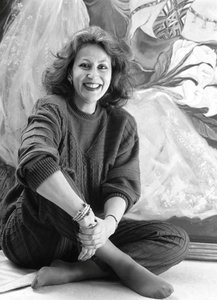
Laila Al Shawa
1940 - 2022 , Palästina
Kurzinfos
- Artistic Movement Or Style: Expressionismus, Kubismus, Surrealismus
- Artists Or Movements Influenced By This Artist: ['Bauhaus']
- Artists Who Influenced This Artist: ['Wassily Kandinsky']
- Date Of Birth: 1879-12-18
- Date Of Death: 1940-06-29
- Full Name: Paul Klee
- Nationality: Schweizer, Deutscher
- Notable Artworks:
- Schiffe in der Dunkelheit
- Herbst
- Klee Notizbücher
- Place Of Birth: Bern, Schweiz
Ähnliche Artikel
Transforming Spaces: A Comprehensive Exploration of Wall Decor Through Art History & Contemporary Practice
Explore the art of transforming spaces with our comprehensive guide to wall decor. From historical movements to contemporary trends, discover how to curate impactful interiors and commission bespoke artwork for a truly personalized aesthetic.
Die Rückkehr des Freskos: Wandgemälde als Luxusstatement für exklusive Innenräume
Entdecken Sie die Welt der Wandgemälde! Exklusive Designs für Hotels & Wohnräume. Expertenberatung, hochwertige Materialien & individuelle Kunstprojekte – Ihr Partner für einzigartige Raumgestaltung.
Die Top 10 Gemälde im Steinzeitton: Meisterwerke für Ihr Zuhause |
Entdecken Sie die Top 10 Gemälde, die von erdigen Steintönen geprägt sind! Von Klassikern bis zur Moderne – erfahren Sie die Geschichten berühmter Künstler und lassen Sie sich für Ihr Interieur inspirieren. Hochwertige Reproduktionen auf
The Magic of Collage: How to Layer Texture and Story into Your Home Decor
Elevate your interiors with the magic of collage. Discover expert tips on layering texture, 3D elements, and personal narratives through mixed media art to create a soulful, sophisticated home decor experience.
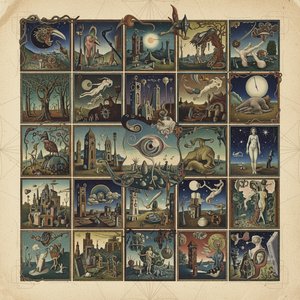
Max Ernsts Meisterwerke: Die Top 25 Kunstwerke für Ihr Zuhause | ArtsDot
Entdecken Sie die 25 bedeutendsten Kunstwerke von Max Ernst! Tauchen Sie ein in die Welt des Surrealismus, Dada und abstrakter Malerei. Hochwertige Kunstreproduktionen & Inspiration für Ihr Zuhause bei ArtsDot.com.