

 Vorschau anzeigen
 Versenden
 Teilen
 Details anzeigen

 Herunterladen
 Ähnliche Objekte
 Röntgenaufnahme
 Diashow
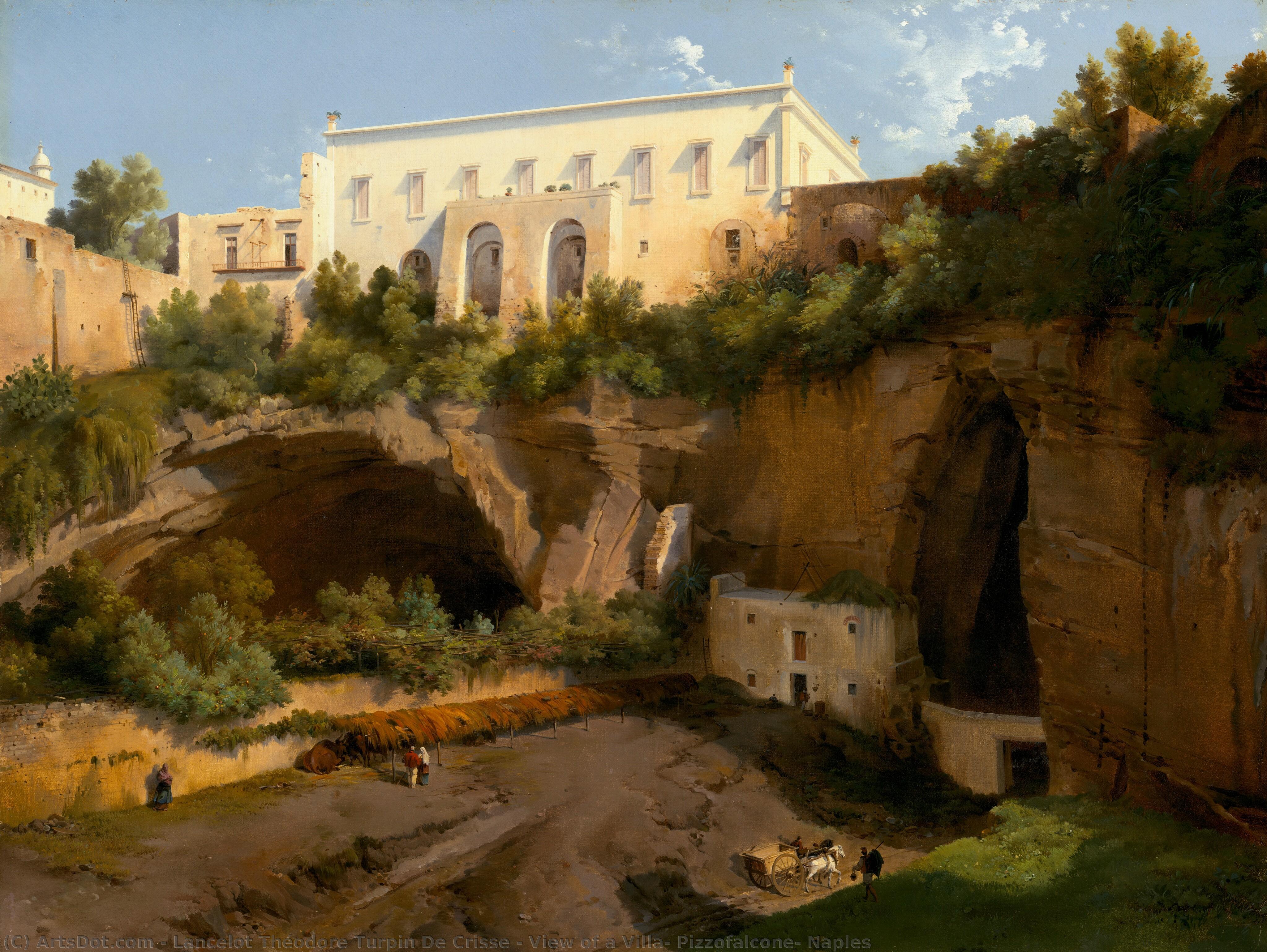
View of a Villa, Pizzofalcone, Naples
 1819
1819 65.0 x 77.0 cm
 Weiterlesen
Handgefertigte Ölreproduktion
Handgemaltes Ölgemälde auf Leinwand in Ihrer Wunschgröße und mit Rahmen, auf Bestellung von unseren Künstlern angefertigt. ( Druck bestellen Bild kaufen)




































Wählen Sie aus unseren vordefinierten Formaten, die den ursprünglichen Proportionen des Kunstwerks entsprechen.

Sie können Ihre eigenen Maße eingeben, um einen bestimmten Rahmen oder Platz auszufüllen. Wenn die gewählte Größe nicht den Proportionen des Originalbildes entspricht, werden wir das Kunstwerk entweder beschneiden oder das Gemälde durch zusätzliche, handgemalte Elemente erweitern. Ein digitales Mockup wird Ihnen zur Genehmigung zugesandt, bevor die Produktion beginnt.
Bitte beachten Sie, dass die Bildschirmvorschau nicht die tatsächliche Beschneidung oder Erweiterung widerspiegelt. Nur das Mockup zeigt die endgültige Komposition exakt an.
Obwohl Sondermaße verfügbar sind, empfehlen wir, eine Größe aus der vordefinierten Liste zu wählen, um die ursprünglichen Proportionen beizubehalten.
Nach der Bestellung wird das ArtsDot.com-Team dem Kunden Anweisungen per E-Mail zusenden und eine Mockup-Vorschau bereitstellen.
Weltweiter Versand () in nur 3 bis 4 Wochen statt der üblichen 5 Wochen. (25 August). Keine Kompromisse bei der Qualität.

Kostenloser weltweiter Expressversand

Hochwertige Leinenleinwand

Umfassender Versicherungsschutz beim Versand

Zollgebühren-Rückerstattungsgarantie

Garantie für exakte Farbtreue

60 Tage Rückgaberecht (nur bei Mängeln)

100% Geld-zurück-Garantie

Mengenrabatt verfügbar
 Die Glasoption ist nur für Größen unter 110 cm verfügbar.

View of a Villa, Pizzofalcone, Naples
Art der Reproduktion
Format der Reproduktion
-


Gesamtpreis
$ 263
Ähnliche Kunstwerke









Über den Künstler
Lancelot-Théodore Turpin de Crissé: Painter of Italian Idols
Lancelot-Théodore Turpin de Crissé (9 July 1782 – 15 May 1859) stands as a singular figure in French Romantic landscape painting, distinguished not merely by his artistic skill but also by his aristocratic patronage and unwavering devotion to the Bourbon monarchy. Born into a family burdened by financial ruin following the French Revolution, Crissé’s early life was marked by upheaval and exile, yet he persevered through rigorous academic training in Switzerland and Italy—a testament to familial resilience and intellectual ambition—thanks largely to the generosity of Marie-Gabriel-Florent-Auguste de Choiseul-Gouffier. This patronage would prove pivotal in shaping his artistic trajectory and securing him a prominent position within Parisian society. His canvases are instantly recognizable for their serene depictions of Italian villas and landscapes bathed in golden light, capturing the idealized beauty of classical antiquity and embodying the Romantic fascination with ruins and sublime grandeur. Unlike many of his contemporaries who sought to portray dramatic vistas or turbulent emotions, Crissé meticulously crafted scenes that prioritized compositional harmony and tonal subtlety—a deliberate stylistic choice reflecting a profound admiration for artists like Claude Lorrain and Nicolas Poussin. These painters served as enduring models for Crissé’s technique, informing his use of muted colors, atmospheric perspective, and precise brushwork to convey an impression of timeless elegance. Crissé's artistic development coincided with the burgeoning Romantic movement in France, though he resisted its more overtly expressive tendencies. Instead, he championed a restrained aesthetic rooted in classical ideals—a stance that solidified his reputation as a conservative artist deeply committed to upholding the traditions of French art history. His meticulous observation of nature and masterful rendering of light were not merely stylistic flourishes; they represented a conscious effort to distill the essence of beauty into carefully constructed images. This dedication to craft is evident throughout his oeuvre, where every detail contributes to an overarching sense of tranquility and contemplation. Among Crissé’s most celebrated works are “The Arch of Constantine Seen from the Colosseum” (1818) and “View of a Villa, Pizzofalcone, Naples,” both masterpieces that exemplify his signature style—characterized by luminous color palettes and meticulously rendered architectural elements. These paintings demonstrate Crissé's ability to capture not only visual splendor but also an intangible feeling of grandeur and permanence. Furthermore, he actively supported younger artists like Blondel, Granet, and Ingres, recognizing their talent and fostering a collaborative spirit within the artistic community—a gesture indicative of his humanist sensibilities and commitment to preserving French artistic heritage. His legacy extends beyond individual artworks; Crissé’s role as Inspector-General for Royal Museums cemented his influence on French cultural institutions and ensured that his vision of art history would continue to shape scholarly discourse for decades to come. He died in 1859, leaving behind a substantial collection of antiquities—a testament to his lifelong passion for preserving the glories of antiquity—which he generously donated to the Musée des Beaux-Arts, enriching Parisian culture and solidifying his place as one of France’s most distinguished artists and collectors.
lancelot théodore turpin de crisse
1782 - 1859
Kurzinfos
- Artistic Movement Or Style: Romantic Landscape Painting
- Artists Or Movements Influenced By This Artist: ['Ingres']
- Artists Who Influenced This Artist: ['Henri Roald Turpin de Crissé']
- Date Of Birth: July 9, 1782
- Date Of Death: May 15, 1859
- Full Name: Lancelot-Théodore Turpin de Crissé
- Nationality: French
- Notable Artworks: ['Vue du château de l']
- Place Of Birth: Paris, France

