 Vorschau anzeigen
 Versenden
 Teilen
 Details anzeigen

 Herunterladen
 Ähnliche Objekte
 Röntgenaufnahme
 Diashow
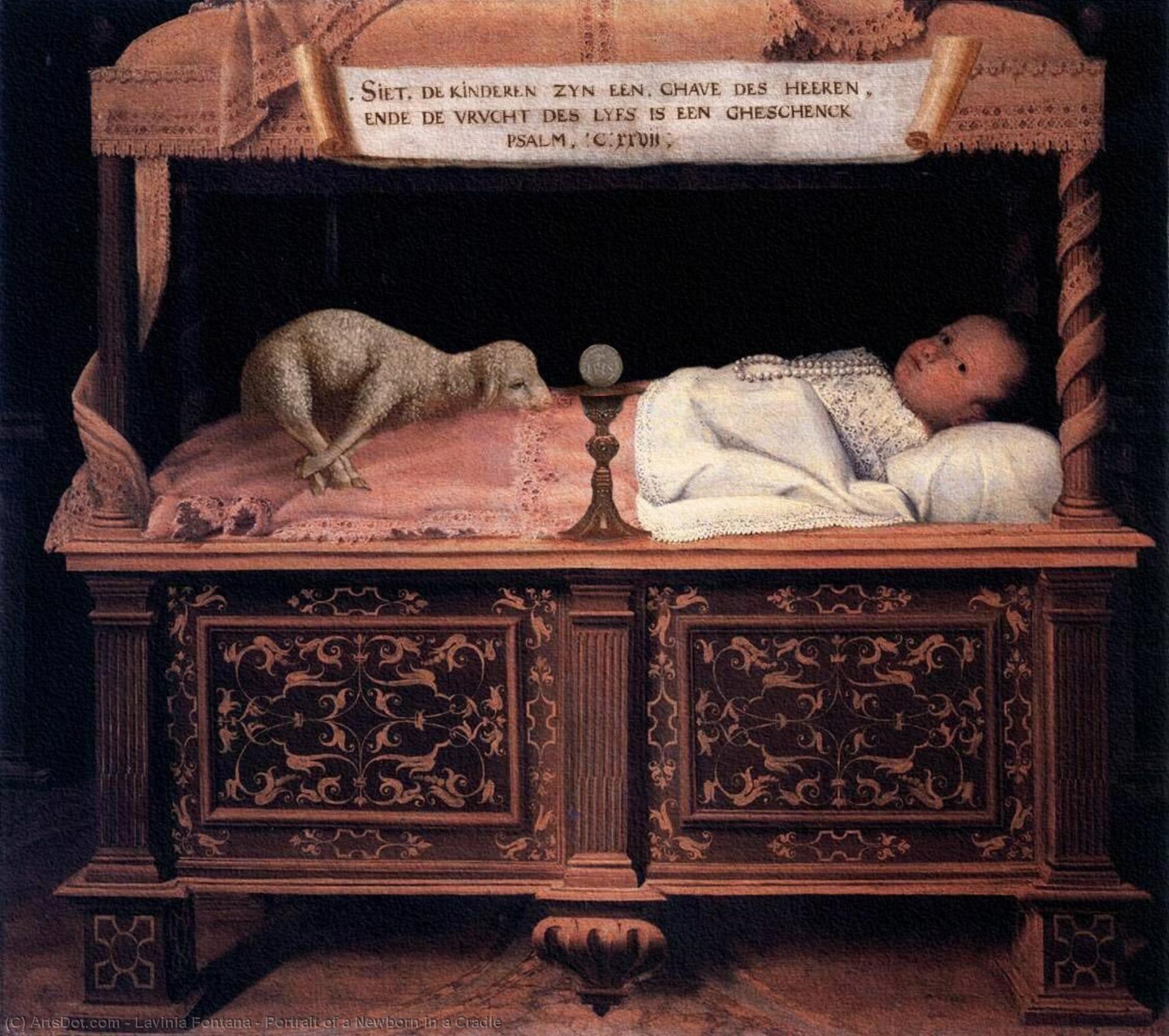
Portrait of a Newborn in a Cradle
 Oil On Panel
- Northern Renaissance
 1583
1583 113.0 x 126.0 cm
 Pinacoteca Nazionale
 Weiterlesen
Handgefertigte Ölreproduktion
Handgemaltes Ölgemälde auf Leinwand in Ihrer Wunschgröße und mit Rahmen, auf Bestellung von unseren Künstlern angefertigt. ( Druck bestellen Bild kaufen)




P118B $10

P118H $10

P118W $10

P438Z $10

P508JH $12

P508YH $12

P805H $10

P805Z $10

P919BZ $10

P919G $10

P919XJ $10

P959ZH $10

P968JZ $12

W106C $8

W218G $10

W218JH $8

W218Y $10

W307PJ $10

W316G $10

W316PJ $8

W316Y $10

W398PJ $8

W4111J $10

W500HY $15

W500JH $15

W692G $12

W849H $8

W940BG $15

W953PJ $8




Wählen Sie aus unseren vordefinierten Formaten, die den ursprünglichen Proportionen des Kunstwerks entsprechen.

Sie können Ihre eigenen Maße eingeben, um einen bestimmten Rahmen oder Platz auszufüllen. Wenn die gewählte Größe nicht den Proportionen des Originalbildes entspricht, werden wir das Kunstwerk entweder beschneiden oder das Gemälde durch zusätzliche, handgemalte Elemente erweitern. Ein digitales Mockup wird Ihnen zur Genehmigung zugesandt, bevor die Produktion beginnt.
Bitte beachten Sie, dass die Bildschirmvorschau nicht die tatsächliche Beschneidung oder Erweiterung widerspiegelt. Nur das Mockup zeigt die endgültige Komposition exakt an.
Obwohl Sondermaße verfügbar sind, empfehlen wir, eine Größe aus der vordefinierten Liste zu wählen, um die ursprünglichen Proportionen beizubehalten.
Nach der Bestellung wird das ArtsDot.com-Team dem Kunden Anweisungen per E-Mail zusenden und eine Mockup-Vorschau bereitstellen.
Weltweiter Versand () in nur 3 bis 4 Wochen statt der üblichen 5 Wochen. (30 August). Keine Kompromisse bei der Qualität.

Kostenloser weltweiter Expressversand

Hochwertige Leinenleinwand

Umfassender Versicherungsschutz beim Versand

Zollgebühren-Rückerstattungsgarantie

Garantie für exakte Farbtreue

60 Tage Rückgaberecht (nur bei Mängeln)

100% Geld-zurück-Garantie

Mengenrabatt verfügbar
 Die Glasoption ist nur für Größen unter 110 cm verfügbar.

Portrait of a Newborn in a Cradle
Art der Reproduktion
Format der Reproduktion
-


Gesamtpreis
$ 263
Lavinia Fontana’s “Portrait of a Newborn in a Cradle”: A Northern Renaissance Elegy
Lavinia Fontana's "Portrait of a Newborn in a Cradle," painted in 1583, is not merely a depiction of infancy; it’s a profoundly moving meditation on mortality, faith, and the poignant beauty of fleeting existence. Emerging from Bologna during a period when women were largely excluded from the established artistic circles of Italy, Fontana's work stands as a testament to her exceptional talent and unwavering determination. This painting, housed within the confines of a richly decorated coffin, immediately commands attention with its somber palette—deep blues, browns, and muted greys—evoking a sense of quiet mourning. The scene unfolds within a meticulously rendered interior: a cradle, draped in luxurious fabrics, cradles a tiny infant, his face serene and vulnerable. A faithful dog lies at the foot of the coffin, offering a silent vigil – a symbol of loyalty and companionship even in death, a poignant detail that elevates the work beyond simple portraiture.
The painting firmly anchors itself within the traditions of Northern Renaissance art, particularly evident in its meticulous attention to detail and its focus on emotional expression. Fontana’s technique is characterized by layered glazes of oil paint, creating a remarkable sense of luminosity and depth. The textures are incredibly varied – from the smooth skin of the baby to the rough-hewn wood of the coffin's frame and the delicate folds of the drapery—each rendered with painstaking precision. The perspective, while somewhat flattened in line with Renaissance conventions, skillfully directs the viewer’s gaze towards the central figure, emphasizing the vulnerability of the newborn and the solemnity of the scene. The scroll above the coffin, bearing Dutch text, adds a layer of religious significance, hinting at biblical themes of mortality and redemption.
A Symbolism Laden with Meaning
Beyond its technical mastery, “Portrait of a Newborn in a Cradle” is rich in symbolic weight. The coffin itself represents not just death but also the cycle of life—a reminder that all things eventually return to dust. The dog’s presence speaks volumes about loyalty and faithfulness, suggesting that even in the face of loss, companionship endures. The infant embodies innocence and vulnerability, a poignant symbol of humanity's fleeting existence. The inclusion of the scroll with its Dutch text further reinforces the painting’s religious context, likely referencing passages from scripture concerning the brevity of life and the promise of eternal salvation. The careful arrangement of objects—the pearl necklace adorning the baby, the rich fabrics surrounding the cradle—all contribute to a complex tapestry of meaning, inviting contemplation on themes of mortality, faith, and the human condition.
Lavinia Fontana: A Pioneer in Her Time
Understanding “Portrait of a Newborn in a Cradle” requires acknowledging the extraordinary circumstances of Lavinia Fontana’s life and career. Born in Bologna in 1552, she defied societal expectations by establishing herself as a professional artist—a rare feat for a woman during the Renaissance. She was trained initially by her father, Prospero Fontana, a respected painter himself, and later benefited from instruction under Denis Calvaert, a prominent figure in the Bolognese art scene. Fontana’s success wasn't simply due to talent; it was forged through sheer determination and a willingness to challenge the established norms of the art world. Her decision to marry and continue her artistic practice—a highly unusual arrangement for the time—demonstrates her commitment to both family and career. The fact that she earned a substantial income from her commissions, often depicting wealthy patrons and their families, further underscores her remarkable achievement.
A Timeless Masterpiece: Reproduction Possibilities
“Portrait of a Newborn in a Cradle” remains a powerfully evocative work of art, captivating viewers with its somber beauty and profound symbolism. ArtsDot offers meticulously crafted hand-painted reproductions that faithfully capture the essence of Fontana’s original masterpiece. These reproductions are created using the same techniques and materials as the original painting—oil paints applied to wood panel—ensuring a stunningly authentic representation. Whether adorning a private residence or gracing a corporate space, a reproduction of this poignant work will serve as a timeless reminder of life's fragility, faith’s solace, and the enduring power of art to move and inspire.
Ähnliche Kunstwerke
Über den Künstler
Frühes Leben und Ausbildung
- Geboren: 24. August 1552, Bologna, Italien
- Gestorben: 1614
- Lavinia Fontana wurde in einer Künstlerfamilie geboren. Ihr Vater, Prospero Fontana, war ein bekannter Maler der Bologneser Schule.
- Sie erhielt ihre Ausbildung von ihrem Vater und setzte das Familienunternehmen fort, was zu dieser Zeit üblich war.
- Ihr früheste bekannte Arbeit, "Affenkind", wurde 1575 gemalt, als sie 23 Jahre alt war.
Künstlerischer Stil und bemerkenswerte Werke
- Anfänglich ähnelte Lavinia Fontanas künstlerischer Stil der ihres Vaters. Sie übernahm allmählich den Carracciesken Stil mit starker, fast venezianischer Farbgebung.
- Sie war bekannt für das Malen von Angehörigen der oberen Gesellschaftsschichten Bolognas, insbesondere adeliger Frauen. Ihre Beziehungen zu weiblichen Klientinnen waren oft ungewöhnlich herzlich.
- Bemerkenswerte Werke:
- Doppelporträt einer Hochzeit (auch bekannt als Selbstbildnis von Lavinia Fontana): Ein Meisterwerk, das Eleganz und Raffinesse der Kunst des 16. Jahrhunderts zeigt, befindet sich im Museo de Zaragoza.
- Venus und Amor (1592): Ein Barockporträt mit reichen Details und symbolischer Schönheit.
- Neugeborenes Baby in einer Wiege (1583): Ein manieristisches Porträt, das Reichtum und Zärtlichkeit zeigt.
- Judith mit dem Kopf Holofernes’ (1600): Ein dramatisches Renaissance-Meisterwerk.
- Porträt eines Neugeborenen in einer Wiege (1583): Ein ergreifendes nordeuropäisches Renaissance-Ölgemälde.
Entwicklung und Einflüsse
- Einflüsse: Denis Calvaert, ein niederländischer Künstler, der eine einflussreiche Malerschule in Bologna leitete, beeinflusste ebenfalls ihre Ausbildung.
- Der künstlerische Stil ihres Vaters prägte anfänglich ihre Arbeit, aber sie entwickelte sich hin zum Carracciesken Stil weiter.
- Die Förderung durch Papst Gregor XIII. und seine Familie hatte einen bedeutenden Einfluss auf ihre Karriere und führte zu Aufträgen für Porträts von prominenten Persönlichkeiten.
Wichtige Errungenschaften und historische Bedeutung
- Erste professionelle weibliche Künstlerin: Lavinia Fontana gilt als die erste Frau, die außerhalb eines Hofes oder Klosters in derselben Sphäre wie ihre männlichen Kollegen arbeitete.
- Pionierin des Porträts: Sie wurde zu einer der wichtigsten Porträtmalerinnen Bolognas im späten 16. Jahrhundert.
- Erste Frau, die Aktzeichnungen malte: Fontana war eine der ersten Frauen, die weibliche Akte malte, obwohl dies unter Kunsthistorikern umstritten ist.
- Anerkennung und Ehrungen: Sie wurde in die Accademia di San Luca in Rom gewählt und erhielt zahlreiche Auszeichnungen, darunter eine Bronzemedaille im Jahr 1611.
Vermächtnis
- Lavinia Fontanas Vermächtnis inspiriert weiterhin Künstler und Kunstliebhaber gleichermaßen.
- Ihre Werke sind in verschiedenen Museen und Sammlungen auf der ganzen Welt zu finden, darunter im Museo de Zaragoza und der Accademia di San Luca in Rom.
- Sie vereinte eine erfolgreiche künstlerische Karriere mit der Erziehung von elf Kindern und bewies so bemerkenswerte Widerstandsfähigkeit und Hingabe.
- Fontanas Fähigkeit, Aufträge und Unterstützung von prominenten Förderern zu sichern, ebnete den Weg für zukünftige Generationen weiblicher Künstlerinnen.
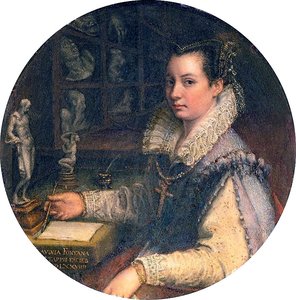
Lavinia Fontana
1552 - 1614 , Italien
Kurzinfos
- Bemerkenswerte Werke:
- Doppelporträt der Hochzeit
- Venus und Amor
- Neugeborenes im Wiege
- Judith mit Holofernes Kopf
- Porträt eines Neugeborenen
- Einflussreiche Künstler:
- Prospero Fontana
- Denis Calvaert
- Geburtsdatum: 24. August 1552
- Geburtsort: Bologna, Italien
- Künstlerische Richtung: Manierismus
- Nationalität: Italienerin
- Sterbedatum: 1614
- Vollständiger Name: Lavinia Fontana
Ähnliche Artikel

The Enduring Legacy of Oil on Canvas: Technique, History & Aesthetic Impact
Explore the rich history & techniques of oil painting – from Renaissance masters to Impressionism. Discover pigments, layering methods, and why this timeless medium endures. Expert insights for artists & art enthusiasts.

Öl auf Leinwand: Eine historische und technische Erkundung eines zeitlosen künstlerischen Mediums
Entdecken Sie die faszinierende Welt der Ölmalerei! Von historischen Techniken bis zur modernen Anwendung – wir bieten Expertenwissen, Restaurierungstipps und hochwertige Reproduktionen. Jetzt informieren!

The Enduring Power of Painting: A Historical & Contemporary Exploration of Form and Emotion
Explore the rich history & enduring techniques of oil painting with ArtsDot. Discover masterpieces, learn about art collecting, and find authentic handmade reproductions crafted by skilled artists.

Das bleibende Erbe der Ölmalerei: Technik, Geschichte und zeitgenössische Praxis
Entdecken Sie die faszinierende Geschichte der Ölmalerei – von den frühen Techniken bis zur modernen Kunst. Expertenwissen, detaillierte Analysen und Inspiration für Sammler & Kunstliebhaber.
Öl auf Holz: 10 Meisterwerke, die Kunstgeschichte veränderten | ArtsDot.com
Entdecken Sie die 10 legendärsten Gemälde auf Holz! Von Van Gogh bis Monet – erfahren Sie die Geschichten hinter den Meisterwerken des Impressionismus, Expressionismus & mehr. Hochwertige Reproduktionen für Ihr Zuhause finden Sie auf ArtsDot.com.