 Vorschau anzeigen
 Versenden
 Teilen
 Details anzeigen

 Herunterladen
 Ähnliche Objekte
 Röntgenaufnahme
 Diashow
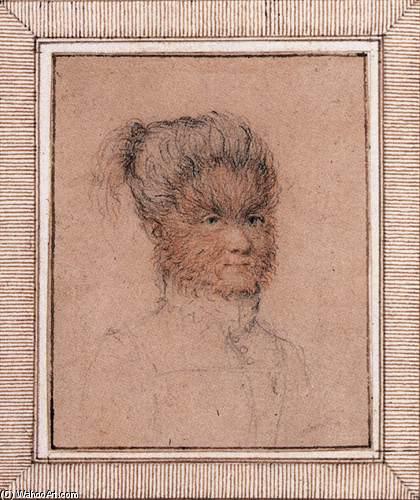
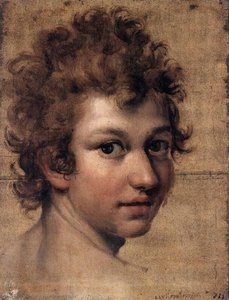
Portrait of Antonietta Gonzalez (8)
 Acrylic On Canvas
- WallArt
- Mannerist
 1594
1594 94.0 x 76.0 cm
 Pierpont Morgan Bibliothek
 Weiterlesen
Giclée / Kunstdruck
Giclée- oder Leinwanddruck in Museumsqualität mit schneller Produktion und flexiblen Veredelungsoptionen. ( Handgemalte Reproduktion bestellen Bild kaufen)




P118B $10

P118H $10

P118W $10

P438Z $10

P508JH $12

P508YH $12

P805H $10

P805Z $10

P919BZ $10

P919G $10

P919XJ $10

P959ZH $10

P968JZ $12

W106C $8

W218G $10

W218JH $8

W218Y $10

W307PJ $10

W316G $10

W316PJ $8

W316Y $10

W398PJ $8

W4111J $10

W500HY $15

W500JH $15

W692G $12

W849H $8

W940BG $15

W953PJ $8




Wählen Sie aus unseren vordefinierten Formaten, die den ursprünglichen Proportionen des Kunstwerks entsprechen.

Sie können Ihre eigenen Maße eingeben, um ein bestimmtes Format oder einen speziellen Platz einzupassen. Wenn das von Ihnen gewählte Format nicht den Proportionen des Originalbildes entspricht, werden wir das Kunstwerk entweder beschneiden oder das Bild mit einem gespiegelten oder einfarbigen Rand erweitern. Ein digitaler Entwurf wird Ihnen zur Genehmigung zugesandt, bevor die Produktion beginnt.
Bitte beachten Sie, dass die Vorschau auf dem Bildschirm nicht den tatsächlichen Zuschnitt oder die Erweiterung widerspiegelt. Nur der Entwurf zeigt die endgültige Komposition präzise an.
Obwohl Sondermaße verfügbar sind, empfehlen wir die Auswahl eines Maßes aus der vordefinierten Liste, um die ursprünglichen Proportionen zu bewahren.
Weltweiter Versand () innerhalb von 2 Wochen statt der üblichen 4/5 Wochen. (29 August)

Kostenloser weltweiter Expressversand

Hochwertige Leinenleinwand

Umfassender Versicherungsschutz beim Versand

Zollgebühren-Rückerstattungsgarantie

Garantie für exakte Farbtreue

60 Tage Rückgaberecht (nur bei Mängeln)

100% Geld-zurück-Garantie

Mengenrabatt verfügbar
 Die Glasoption ist nur für Größen unter 110 cm verfügbar.

Portrait of Antonietta Gonzalez (8)
Giclée / Kunstdruck
Format der Reproduktion
-


Gesamtpreis
$ 62
Lavinia Fontana’s Bold Vision: Unveiling ‘Portrait of Antonietta Gonzalez (8)’
Lavinia Fontana's 1594 portrait of Antonietta Gonzales stands as an extraordinary testament to artistic innovation during the Italian Renaissance—a period often lauded for its male luminaries. Yet, Fontana defied convention, establishing herself not merely as a skilled artist but as a trailblazer who challenged societal expectations and fundamentally reshaped perceptions of women’s role in art history. Her story is one rooted in familial encouragement, unwavering dedication to craft, and an unparalleled ability to secure recognition within a field historically dominated by men. Her father, Prospero Fontana, a respected painter himself, recognized Lavinia's innate talent and fostered her artistic development—a crucial advantage given the scarcity of formal art education for women at the time. Early works like “Monkey Child” (1575), though sadly lost to time, foreshadowed Fontana’s distinctive style, demonstrating an early aptitude for capturing nuanced emotion and visual complexity.A Study in Mannerist Realism: Style and Technique
‘Portrait of Antonietta Gonzalez (8)’ exemplifies the stylistic hallmarks of Mannerism—a movement that prioritized stylized elegance and dramatic expression over naturalistic representation. Fontana eschewed the idealized beauty favored by earlier Renaissance artists, opting instead for a disconcerting portrayal of a young girl whose face is dominated by an unsettling abundance of hair. The artist’s meticulous approach to rendering texture is evident in the extensive hatching and cross-hatching employed throughout the drawing—a technique demanding considerable patience and precision. Lines are predominantly dark grey-brown, creating strong outlines that delineate the subject's form with remarkable accuracy. Careful shading contributes to a palpable sense of depth, subtly hinting at the contours of clothing and facial features without resorting to overtly theatrical perspective. This deliberate restraint underscores Fontana’s mastery of tonal manipulation—a cornerstone of Mannerist aesthetics. Graphite pencil on paper serves as the medium, highlighting Fontana’s commitment to understated elegance and technical virtuosity.Symbolism Beyond Beauty: Exploring Layers of Meaning
The portrait transcends mere likeness; it operates on a symbolic level that speaks to broader societal concerns surrounding notions of beauty and femininity. The exaggerated facial hair—a deliberate departure from conventional standards—can be interpreted as a commentary on vanity, obsession, or perhaps even an indictment of patriarchal ideals that prioritized masculine attributes over feminine grace. Fontana’s decision to focus solely on the head and shoulders creates a claustrophobic intimacy, forcing viewers to confront the subject's gaze directly. This compositional choice amplifies the unsettling quality of the image—it deliberately avoids presenting Antonietta as conventionally attractive, prompting contemplation about perceptions of beauty and identity within a restrictive social framework. The frame itself reinforces the formal presentation of the portrait, emphasizing its status as an object of artistic contemplation.Historical Context: Challenging Artistic Boundaries
Fontana’s success in securing recognition as a female artist during the Renaissance represents a significant achievement—a defiance of societal norms that relegated women to domestic roles and denied them access to intellectual pursuits. Her ability to gain patronage from influential families like the Gonzaga underscores the evolving attitudes toward artistic creativity within aristocratic circles. Despite facing considerable obstacles, Fontana persevered, producing an impressive oeuvre encompassing portraits, mythological scenes, and religious compositions—demonstrating her versatility as a painter and cementing her legacy as one of Italy’s most celebrated artists. Her work continues to inspire admiration for its technical brilliance and profound psychological insight.Emotional Resonance: An Uneasy Beauty
Ultimately, ‘Portrait of Antonietta Gonzalez (8)’ evokes an emotional response rooted in discomfort—a deliberate provocation designed to unsettle viewers and compel them to reconsider their assumptions about beauty and representation. Fontana’s masterful use of tonal shading creates a palpable sense of unease, mirroring the unsettling gaze of the subject herself. The portrait serves as a powerful reminder that art can challenge conventions and provoke introspection, prompting us to confront uncomfortable truths about societal ideals and artistic ambition. It stands as an enduring symbol of Fontana's courageous assertion of female agency within a male-dominated world—a testament to her unwavering dedication to craft and her profound understanding of the human condition.Ähnliche Kunstwerke
Über den Künstler
Frühes Leben und Ausbildung
- Geboren: 24. August 1552, Bologna, Italien
- Gestorben: 1614
- Lavinia Fontana wurde in einer Künstlerfamilie geboren. Ihr Vater, Prospero Fontana, war ein bekannter Maler der Bologneser Schule.
- Sie erhielt ihre Ausbildung von ihrem Vater und setzte das Familienunternehmen fort, was zu dieser Zeit üblich war.
- Ihr früheste bekannte Arbeit, "Affenkind", wurde 1575 gemalt, als sie 23 Jahre alt war.
Künstlerischer Stil und bemerkenswerte Werke
- Anfänglich ähnelte Lavinia Fontanas künstlerischer Stil der ihres Vaters. Sie übernahm allmählich den Carracciesken Stil mit starker, fast venezianischer Farbgebung.
- Sie war bekannt für das Malen von Angehörigen der oberen Gesellschaftsschichten Bolognas, insbesondere adeliger Frauen. Ihre Beziehungen zu weiblichen Klientinnen waren oft ungewöhnlich herzlich.
- Bemerkenswerte Werke:
- Doppelporträt einer Hochzeit (auch bekannt als Selbstbildnis von Lavinia Fontana): Ein Meisterwerk, das Eleganz und Raffinesse der Kunst des 16. Jahrhunderts zeigt, befindet sich im Museo de Zaragoza.
- Venus und Amor (1592): Ein Barockporträt mit reichen Details und symbolischer Schönheit.
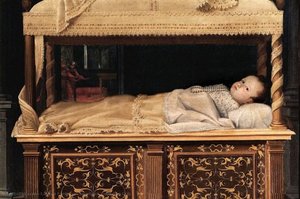
- Neugeborenes Baby in einer Wiege (1583): Ein manieristisches Porträt, das Reichtum und Zärtlichkeit zeigt.
- Judith mit dem Kopf Holofernes’ (1600): Ein dramatisches Renaissance-Meisterwerk.
- Porträt eines Neugeborenen in einer Wiege (1583): Ein ergreifendes nordeuropäisches Renaissance-Ölgemälde.
Entwicklung und Einflüsse
- Einflüsse: Denis Calvaert, ein niederländischer Künstler, der eine einflussreiche Malerschule in Bologna leitete, beeinflusste ebenfalls ihre Ausbildung.
- Der künstlerische Stil ihres Vaters prägte anfänglich ihre Arbeit, aber sie entwickelte sich hin zum Carracciesken Stil weiter.
- Die Förderung durch Papst Gregor XIII. und seine Familie hatte einen bedeutenden Einfluss auf ihre Karriere und führte zu Aufträgen für Porträts von prominenten Persönlichkeiten.
Wichtige Errungenschaften und historische Bedeutung
- Erste professionelle weibliche Künstlerin: Lavinia Fontana gilt als die erste Frau, die außerhalb eines Hofes oder Klosters in derselben Sphäre wie ihre männlichen Kollegen arbeitete.
- Pionierin des Porträts: Sie wurde zu einer der wichtigsten Porträtmalerinnen Bolognas im späten 16. Jahrhundert.
- Erste Frau, die Aktzeichnungen malte: Fontana war eine der ersten Frauen, die weibliche Akte malte, obwohl dies unter Kunsthistorikern umstritten ist.
- Anerkennung und Ehrungen: Sie wurde in die Accademia di San Luca in Rom gewählt und erhielt zahlreiche Auszeichnungen, darunter eine Bronzemedaille im Jahr 1611.
Vermächtnis
- Lavinia Fontanas Vermächtnis inspiriert weiterhin Künstler und Kunstliebhaber gleichermaßen.
- Ihre Werke sind in verschiedenen Museen und Sammlungen auf der ganzen Welt zu finden, darunter im Museo de Zaragoza und der Accademia di San Luca in Rom.
- Sie vereinte eine erfolgreiche künstlerische Karriere mit der Erziehung von elf Kindern und bewies so bemerkenswerte Widerstandsfähigkeit und Hingabe.
- Fontanas Fähigkeit, Aufträge und Unterstützung von prominenten Förderern zu sichern, ebnete den Weg für zukünftige Generationen weiblicher Künstlerinnen.
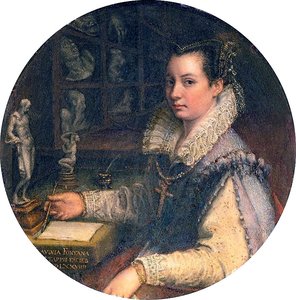
Lavinia Fontana
1552 - 1614 , Italien
Kurzinfos
- Bemerkenswerte Werke:
- Doppelporträt der Hochzeit
- Venus und Amor
- Neugeborenes im Wiege
- Judith mit Holofernes Kopf
- Porträt eines Neugeborenen
- Einflussreiche Künstler:
- Prospero Fontana
- Denis Calvaert
- Geburtsdatum: 24. August 1552
- Geburtsort: Bologna, Italien
- Künstlerische Richtung: Manierismus
- Nationalität: Italienerin
- Sterbedatum: 1614
- Vollständiger Name: Lavinia Fontana
Ähnliche Artikel
The Nuances of Graphite: Exploring Emotional Depth & Technical Mastery in Pencil Drawing
Explore the captivating world of graphite drawing! Discover its rich history, master essential techniques like chiaroscuro, and learn how artists evoke emotion through this timeless medium. Expert insights for art enthusiasts.

The Enduring Power of Line: Exploring Themes & Techniques in Drawing Across Art History
Explore the rich history of drawing! Discover key techniques like linear perspective & iconic artists from the Renaissance to modern times. Enhance your art appreciation with ArtsDot.
Frederick Bridgman: Anatomische Meisterschaft und die Evolution des Figurenzeichens
Entdecken Sie die revolutionäre Anatomie-Lehre von George B. Bridgman! Lernen Sie die Grundlagen der Figurenzeichnung und verbessern Sie Ihre künstlerischen Fähigkeiten mit unseren detaillierten Anleitungen und Übungen.
The Eloquent Line: Exploring the Artistic Significance of Sketches Across Movements and Media
Explore the profound artistic significance of sketches throughout history. From Renaissance masters to modern innovators like Van Gogh & Guston, discover how these foundational works reveal technique, emotion, and vision. Learn more at ArtsDot.
Albrecht Dürer: Die 25 Meisterwerke des Renaissance-Genies – Für Kunstliebhaber & Ihr Zuhause
Entdecken Sie die 25 Meisterwerke von Albrecht Dürer! Tauchen Sie ein in die Welt der Renaissance, Holzschnitte & Kupferstiche. Finden Sie hochwertige Kunstdrucke und Reproduktionen für Ihr Zuhause auf ArtsDot.com.