 Vorschau anzeigen
 Versenden
 Teilen
 Details anzeigen

 Herunterladen
 Ähnliche Objekte
 Röntgenaufnahme
 Diashow
 Stats
StatsMuskoka


 Weiterlesen
Giclée / Kunstdruck
Giclée- oder Leinwanddruck in Museumsqualität mit schneller Produktion und flexiblen Veredelungsoptionen. ( Handgemalte Reproduktion bestellen Switch to Digital Image)




P118B $10

P118H $10

P118W $10

P438Z $10

P508JH $12

P508YH $12

P805H $10

P805Z $10

P919BZ $10

P919G $10

P919XJ $10

P959ZH $10

P968JZ $12

W106C $8

W218G $10

W218JH $8

W218Y $10

W307PJ $10

W316G $10

W316PJ $8

W316Y $10

W398PJ $8

W4111J $10

W500HY $15

W500JH $15

W692G $12

W849H $8

W940BG $15

W953PJ $8




Wählen Sie aus unseren vordefinierten Formaten, die den ursprünglichen Proportionen des Kunstwerks entsprechen.

Sie können Ihre eigenen Maße eingeben, um ein bestimmtes Format oder einen speziellen Platz einzupassen. Wenn das von Ihnen gewählte Format nicht den Proportionen des Originalbildes entspricht, werden wir das Kunstwerk entweder beschneiden oder das Bild mit einem gespiegelten oder einfarbigen Rand erweitern. Ein digitaler Entwurf wird Ihnen zur Genehmigung zugesandt, bevor die Produktion beginnt.
Bitte beachten Sie, dass die Vorschau auf dem Bildschirm nicht den tatsächlichen Zuschnitt oder die Erweiterung widerspiegelt. Nur der Entwurf zeigt die endgültige Komposition präzise an.
Obwohl Sondermaße verfügbar sind, empfehlen wir die Auswahl eines Maßes aus der vordefinierten Liste, um die ursprünglichen Proportionen zu bewahren.
Weltweiter Versand () innerhalb von 2 Wochen statt der üblichen 4/5 Wochen. (8 September)

Kostenloser weltweiter Expressversand

Hochwertige Leinenleinwand

Umfassender Versicherungsschutz beim Versand

Zollgebühren-Rückerstattungsgarantie

Garantie für exakte Farbtreue

100-Tage-Rückgaberecht (nur bei Mängeln)

100% Geld-zurück-Garantie

Mengenrabatt verfügbar
 Die Glasoption ist nur für Größen unter 110 cm verfügbar.

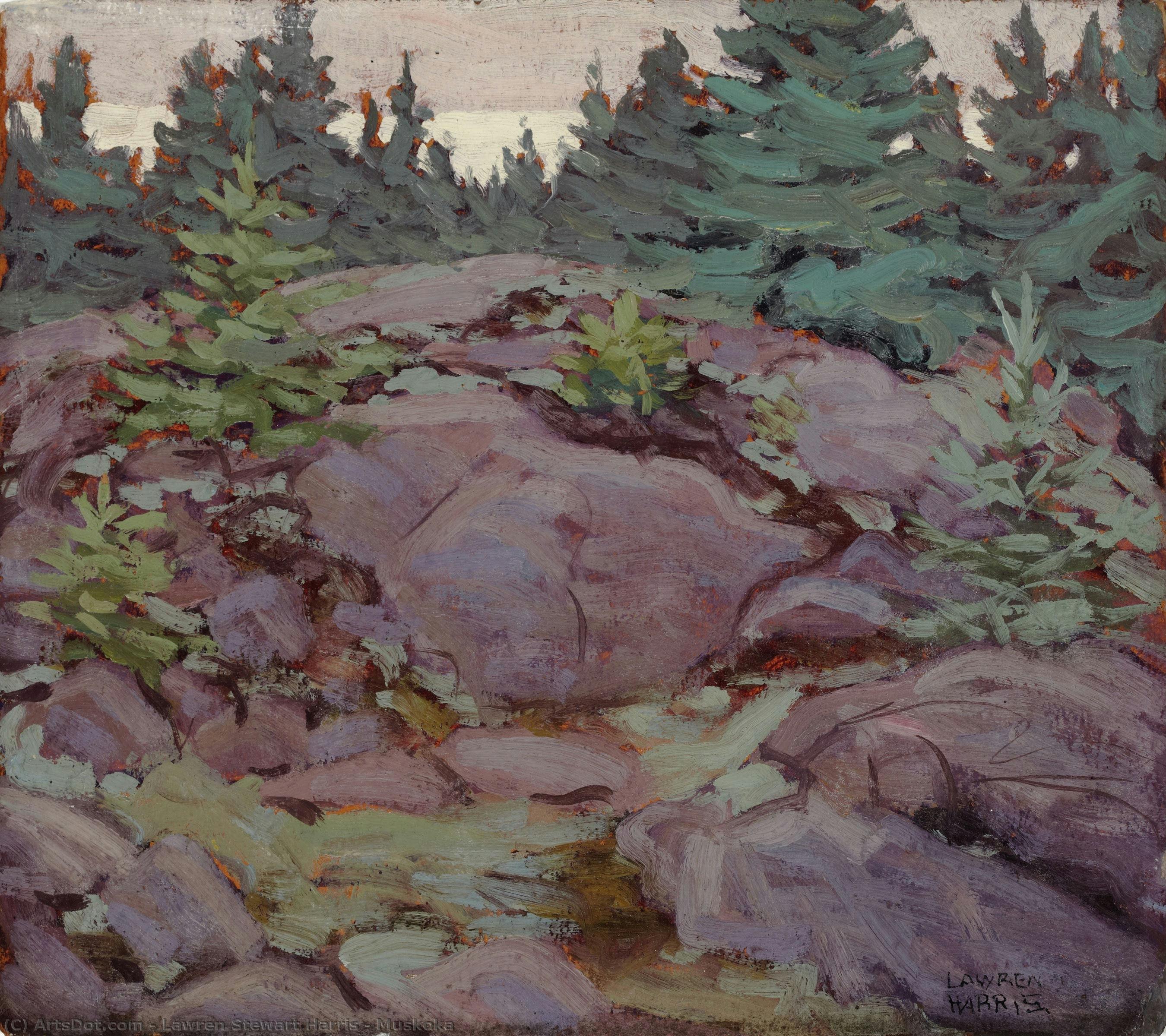
Muskoka
Giclée / Kunstdruck
Format der Reproduktion
-


Gesamtpreis
$ 62
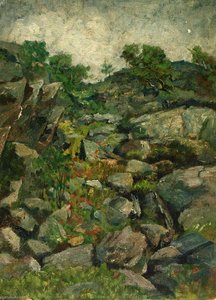
A Vision of the Canadian Wilderness
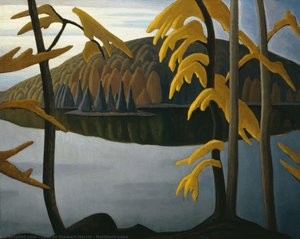
In the heart of the Canadian landscape, where the rugged terrain of Muskoka meets the sky, Lawren Stewart Harris captures a moment of profound stillness and natural grandeur. This 1920 masterpiece serves as more than just a depiction of a rocky hillside; it is an invitation into a world where the earth feels both ancient and alive. The painting presents a sweeping view of a massive, textured rock formation, draped in a dense tapestry of pine trees that cling to the stone with quiet resilience. Through his masterful use of light and shadow, Harris creates a sense of immense depth, drawing the viewer’s eye upward through the layered foliage toward the unseen heights of the wilderness. The composition is balanced by the subtle inclusion of small figures nestled within the landscape, providing a poignant scale that emphasizes the vastness of the natural world while suggesting a harmonious, almost spiritual connection between humanity and the wild.
The technique employed in this work reflects Harris’s pivotal role in shaping a uniquely Canadian aesthetic. Moving away from the delicate, impressionistic traditions of Europe, Harris utilized a more structured and robust approach to define the character of the North. Each brushstroke contributes to the tactile quality of the scene, from the rough, weathered surfaces of the granite outcrops to the soft, dark needles of the coniferous trees. His ability to manipulate light creates a luminous atmosphere that seems to radiate from within the canvas itself, capturing that specific, crisp clarity found in the Ontario highlands. For the discerning collector or interior designer, this piece offers a sophisticated interplay of organic textures and tonal depth, making it a commanding focal point that brings the serene, untamed spirit of the Canadian Shield into any refined space.
Historical Significance and Spiritual Resonance
To understand Muskoka is to understand the birth of a national identity. As a founding member of the legendary Group of Seven, Lawren Stewart Harris sought to move beyond mere topographical recording to find the "soul" of the landscape. During this era, Canadian artists were striving to break free from colonial influences to create an art form that resonated with the rugged, unyielding spirit of their homeland. This painting, dating from 1920, sits at a crucial juncture in his career where his style began to transition toward the more stylized, almost spiritual minimalism for which he is globally renowned. The landscape is not merely a subject; it is a vessel for contemplation.
The symbolism embedded within the work speaks to themes of endurance and solitude. The steadfastness of the rocks and the upward reach of the pines serve as metaphors for strength and growth amidst adversity. There is a quiet, meditative quality to the scene that evokes a sense of peace, making it an ideal acquisition for those looking to introduce a sense of tranquility and timelessness into their environment. Whether displayed in a contemporary gallery setting or a classic study, this reproduction of Harris’s vision serves as a window into a pristine era of Canadian history, offering an enduring emotional impact that continues to inspire awe and reverence in all who behold it.
Ähnliche Kunstwerke

Über den Künstler
Frühes Leben und Karriere
Lawren Stewart Harris, ein renommierter kanadischer Maler, wurde am 23. Oktober 1885 in Brantford, Ontario geboren. Er ist vor allem bekannt als Gründungsmitglied der Group of Seven, einer Bewegung, die im frühen 20. Jahrhundert einen unverwechselbaren kanadischen Malstil begründete.Künstlerischer Stil und Beiträge
In den 1920er Jahren wurden Harris' Werke abstrakter und vereinfachter, insbesondere seine kargen Landschaften aus dem kanadischen Norden und der Arktis. Er hörte auf, seine Werke zu signieren und zu datieren, um es den Betrachtern zu ermöglichen, sie nach eigenem Ermessen zu beurteilen. 1969 wurde er zum Companion of the Order of Canada ernannt.Wichtige Werke und Ausstellungen
- Above Lake Superior (1922), ein bemerkenswertes Werk, das Harris' minimalistischen Stil zeigt, ist Teil der McMichael Canadian Art Collection.
- Algoma Country, ein weiteres bedeutendes Stück, demonstriert Harris' Fähigkeit, die Essenz der kanadischen Wildnis einzufangen.
- Die National Gallery of Canada und die Art Gallery of Ontario haben Ausstellungen mit Harris’ Werken veranstaltet, was seine Position in der kanadischen Kunstgeschichte festigte.
Entwicklung und Einflüsse
Harris studierte Kunst in Berlin und entwickelte zunächst einen impressionistischen Stil. Später wandte er sich der Landschaftsmalerei zu und wurde bekannt für seine stilisierten und abstrahierten Darstellungen kanadischer Landschaften, insbesondere der Arktis und der Rocky Mountains. Sein Glaube an die Theosophie ist eng mit seiner Entwicklung zum ungegenständlichen Künstler verbunden. Mit abstrakten Gemälden versuchte er, eine verbindliche und heilende Vorstellung des Universums darzustellen und das Erhabene sichtbar zu machen.Vermächtnis und Bedeutung
Harris' Beiträge zur kanadischen Kunst sind unbestreitbar. Als Schlüsselfigur der Group of Seven trug er dazu bei, Kanadas erste international anerkannte moderne Kunstgruppe zu etablieren. Sein spiritueller und minimalistischer Ansatz in der Landschaftsmalerei hat Generationen von Künstlern inspiriert.- Betrachten Sie Lawren Stewart Harris' Werke auf ArtsDot
- Erfahren Sie mehr über Lawren Harris auf Wikipedia
- Entdecken Sie die McMichael Canadian Art Collection, die viele bemerkenswerte Werke von Harris zeigt, auf ArtsDot
Schlussfolgerung
Lawren Stewart Harris' Vermächtnis in der kanadischen Kunst ist unbestreitbar. Sein minimalistischer Stil und sein spiritueller Ansatz in der Landschaftsmalerei haben ihn zu einem Pionier der kanadischen Kunst gemacht. Als Gründungsmitglied der Group of Seven hat er Generationen von Künstlern inspiriert und wird bis heute gefeiert.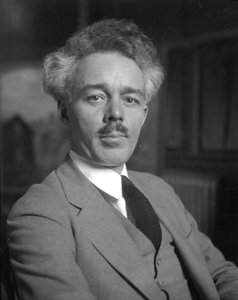
Lawren Stewart Harris
1885 - 1970 , Kanada
Kurzinfos
- Beeinflusste Künstler:
- Adolf Schlabitz
- Franz Skarbina
- Bemerkenswerte Werke:
- Above Lake Superior
- Algoma Country
- Geburtsdatum: 23. Oktober 1885
- Geburtsort: Brantford, Kanada
- Künstlerische Richtung: Moderne kanadische Kunst
- Nationalität: Kanadisch
- Todatum: 29. Januar 1970
- Vollständiger Name: Lawren Stewart Harris
- Von Künstlern Beeinflusst: ['Generationen von Künstlern']
Ähnliche Artikel
Arboreal Echoes: A Historical & Artistic Exploration of Trees in Painting
Explore the rich history of trees in painting! Discover symbolism, Romantic masterpieces by Caspar David Friedrich & beyond. A curated journey for art enthusiasts.
Arboreal Echoes: A Historical & Artistic Exploration of Trees in Painting
Explore the rich history of trees in painting! Discover symbolism, Romantic masterpieces by Caspar David Friedrich & beyond. A curated journey for art enthusiasts.

Romantische Landschaften: Die 10 Meisterwerke, die eine Epoche prägten | ArtsDot
Entdecken Sie die 10 Meisterwerke der Romantischen Landschaftsmalerei! Von Caspar David Friedrich bis Turner – erleben Sie die Kunst, Emotion & Natur. Hochwertige Reproduktionen auf ArtsDot.com

John Constable: Die 25 Meisterwerke des englischen Landschaftsgenies – ArtsDot
Entdecken Sie die 25 Meisterwerke von John Constable! Erleben Sie englische Landschaftsmalerei vom Hay Wain bis zur Stour Valley. Hochwertige Reproduktionen & Kunst für Ihr Zuhause auf ArtsDot.com.

Evocations of Place: A Historical Journey Through Landscape Art
Explore the rich history of landscape art with ArtsDot. Discover renowned artists, movements like Impressionism & Romanticism, and expert guidance for collecting timeless pieces. Find your perfect serene escape today!