

 Vorschau anzeigen
 Versenden
 Teilen
 Details anzeigen

 Herunterladen
 Ähnliche Objekte
 Röntgenaufnahme
 Diashow
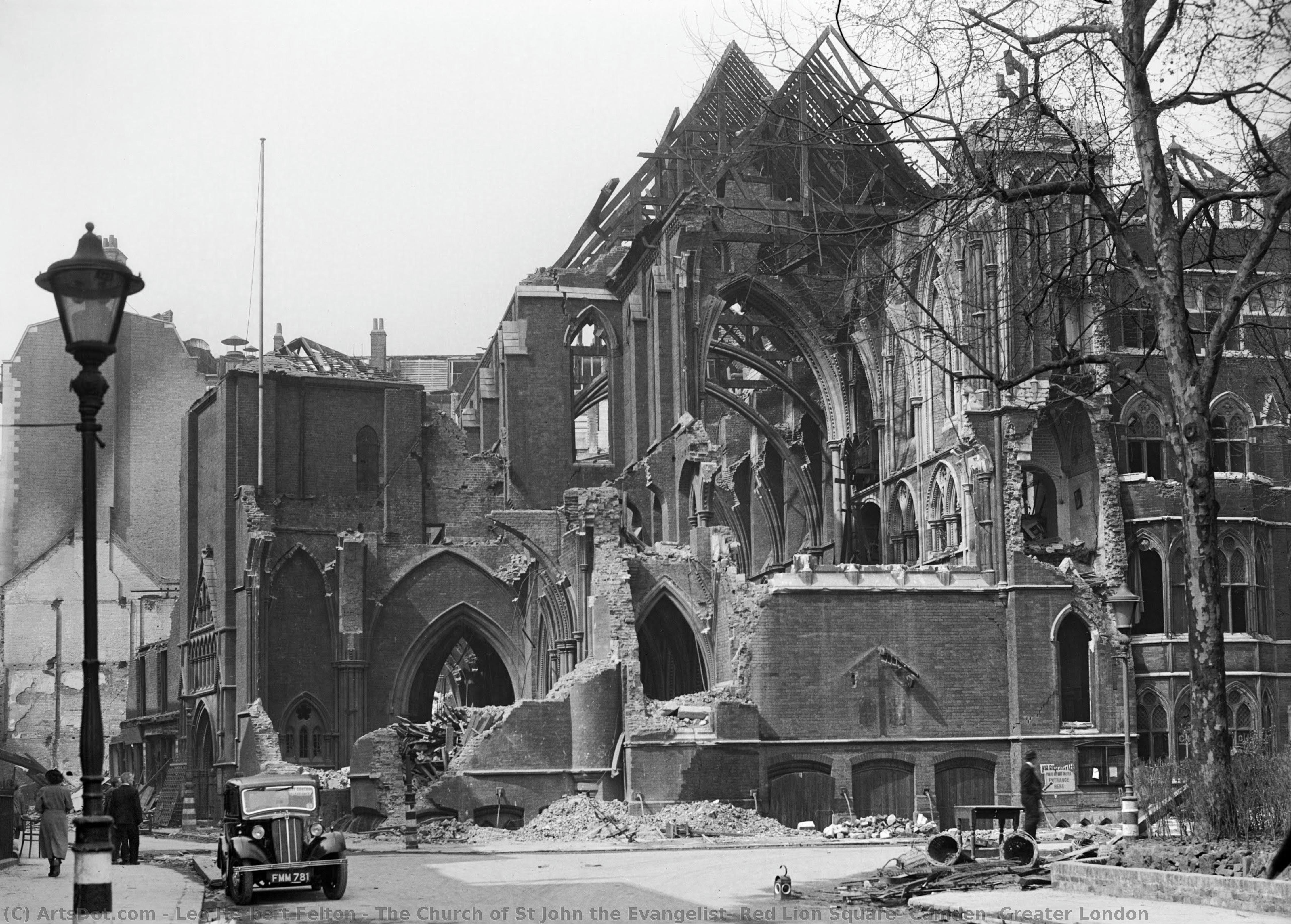
The Church of St John the Evangelist, Red Lion Square, Camden, Greater London


 Weiterlesen
Giclée / Kunstdruck
Giclée- oder Leinwanddruck in Museumsqualität mit schneller Produktion und flexiblen Veredelungsoptionen. ( Handgemalte Reproduktion bestellen Bild kaufen)




































Wählen Sie aus unseren vordefinierten Formaten, die den ursprünglichen Proportionen des Kunstwerks entsprechen.

Sie können Ihre eigenen Maße eingeben, um ein bestimmtes Format oder einen speziellen Platz einzupassen. Wenn das von Ihnen gewählte Format nicht den Proportionen des Originalbildes entspricht, werden wir das Kunstwerk entweder beschneiden oder das Bild mit einem gespiegelten oder einfarbigen Rand erweitern. Ein digitaler Entwurf wird Ihnen zur Genehmigung zugesandt, bevor die Produktion beginnt.
Bitte beachten Sie, dass die Vorschau auf dem Bildschirm nicht den tatsächlichen Zuschnitt oder die Erweiterung widerspiegelt. Nur der Entwurf zeigt die endgültige Komposition präzise an.
Obwohl Sondermaße verfügbar sind, empfehlen wir die Auswahl eines Maßes aus der vordefinierten Liste, um die ursprünglichen Proportionen zu bewahren.
Weltweiter Versand () innerhalb von 2 Wochen statt der üblichen 4/5 Wochen. (4 September)

Kostenloser weltweiter Expressversand

Hochwertige Leinenleinwand

Umfassender Versicherungsschutz beim Versand

Zollgebühren-Rückerstattungsgarantie

Garantie für exakte Farbtreue

60 Tage Rückgaberecht (nur bei Mängeln)

100% Geld-zurück-Garantie

Mengenrabatt verfügbar
 Die Glasoption ist nur für Größen unter 110 cm verfügbar.

The Church of St John the Evangelist, Red Lion Square, Camden, Greater London
Giclée / Kunstdruck
Format der Reproduktion
-


Gesamtpreis
$ 62
Ähnliche Kunstwerke





Über den Künstler
A Quiet Observer of English Landscape and Architecture
Leo Herbert Felton (1888 – 1968) remains a relatively obscure figure in the annals of British photography, yet his meticulous documentation of England’s architectural heritage constitutes a significant contribution to visual history. Born in Cookham Dean, Windsor and Maidenhead, Felton possessed an innate fascination with capturing the essence of places—a passion that would define his lifelong career as a professional photographer. Felton's formative years were steeped in artistic appreciation; he studied at Regent Street Polytechnic, honing skills crucial for translating visual impressions into compelling images. This academic grounding instilled within him a disciplined approach to composition and tonal control – techniques evident throughout his extensive oeuvre. Notably, Felton’s work frequently focused on grand estates and ecclesiastical buildings, reflecting the Victorian era's preoccupation with grandeur and faith. He skillfully employed natural light, manipulating it to illuminate textures and contours, creating images that convey both beauty and solemnity. His professional life commenced in 1908 when he joined the Architectural Photographic Society, marking the beginning of his association with architectural firms and organizations. This collaboration allowed him to gain access to remarkable sites and subjects—particularly Painshill Park, Surrey. Felton’s iconic photograph from 1937 captures a breathtaking reflection of the temple within the park's ornamental lake, demonstrating an exceptional understanding of perspective and light. It stands as a testament to his ability to distill complex landscapes into evocative visual narratives – a masterful achievement that cemented his reputation for capturing sublime beauty. Beyond Painshill Park, Felton undertook commissions photographing churches across England, including St John the Evangelist in Red Lion Square, Camden. These images offer invaluable insights into Victorian ecclesiastical architecture and provide a glimpse into the spiritual atmosphere of these historic spaces. His dedication to preserving architectural details—from stained glass windows to vaulted ceilings—underscores his commitment to documenting Britain’s cultural heritage. Felton's meticulous attention to detail ensured that future generations could appreciate the grandeur and artistry of bygone eras. Felton’s legacy extends beyond individual photographs; he played an instrumental role in establishing the National Buildings Record (NBR), furthering the preservation and study of historic buildings through photographic records. This contribution solidified his position as a champion of architectural conservation and ensured that his images would continue to inspire future generations of historians and photographers alike. Leo Herbert Felton’s quiet observation—combined with masterful technique—continues to resonate today, securing his place as an important voice in the history of British photography.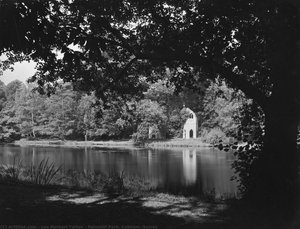
Leo Herbert Felton
1888 - 1968 , Vereinigtes Königreich
Kurzinfos
- Artistic Movement Or Style: Architekturfotografie
- Date Of Birth: 1888
- Date Of Death: 1968
- Full Name: Leo Herbert Felton
- Nationality: Britisch
- Notable Artworks: ['Painshill Park']
- Place Of Birth: Cookham Dean, Vereinigtes Königreich

