

 Vorschau anzeigen
 Versenden
 Teilen
 Details anzeigen

 Herunterladen
 Ähnliche Objekte
 Röntgenaufnahme
 Diashow
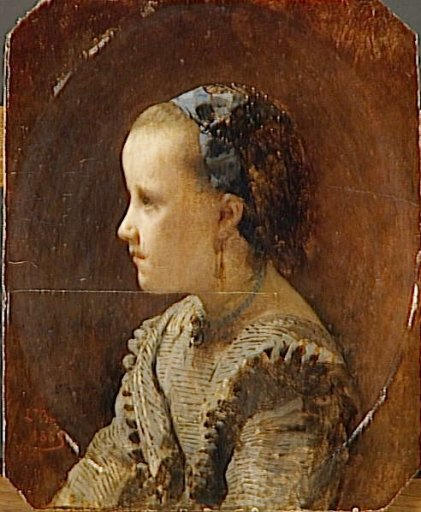
Portrait de fillette


 Weiterlesen
Giclée / Kunstdruck
Giclée- oder Leinwanddruck in Museumsqualität mit schneller Produktion und flexiblen Veredelungsoptionen. ( Handgemalte Reproduktion bestellen Bild kaufen)




P118B $10

P118H $10

P118W $10

P438Z $10

P508JH $12

P508YH $12

P805H $10

P805Z $10

P919BZ $10

P919G $10

P919XJ $10

P959ZH $10

P968JZ $12

W106C $8

W218G $10

W218JH $8

W218Y $10

W307PJ $10

W316G $10

W316PJ $8

W316Y $10

W398PJ $8

W4111J $10

W500HY $15

W500JH $15

W692G $12

W849H $8

W940BG $15

W953PJ $8




Wählen Sie aus unseren vordefinierten Formaten, die den ursprünglichen Proportionen des Kunstwerks entsprechen.

Sie können Ihre eigenen Maße eingeben, um ein bestimmtes Format oder einen speziellen Platz einzupassen. Wenn das von Ihnen gewählte Format nicht den Proportionen des Originalbildes entspricht, werden wir das Kunstwerk entweder beschneiden oder das Bild mit einem gespiegelten oder einfarbigen Rand erweitern. Ein digitaler Entwurf wird Ihnen zur Genehmigung zugesandt, bevor die Produktion beginnt.
Bitte beachten Sie, dass die Vorschau auf dem Bildschirm nicht den tatsächlichen Zuschnitt oder die Erweiterung widerspiegelt. Nur der Entwurf zeigt die endgültige Komposition präzise an.
Obwohl Sondermaße verfügbar sind, empfehlen wir die Auswahl eines Maßes aus der vordefinierten Liste, um die ursprünglichen Proportionen zu bewahren.
Weltweiter Versand () innerhalb von 2 Wochen statt der üblichen 4/5 Wochen. (23 August)

Kostenloser weltweiter Expressversand

Hochwertige Leinenleinwand

Umfassender Versicherungsschutz beim Versand

Zollgebühren-Rückerstattungsgarantie

Garantie für exakte Farbtreue

60 Tage Rückgaberecht (nur bei Mängeln)

100% Geld-zurück-Garantie

Mengenrabatt verfügbar
 Die Glasoption ist nur für Größen unter 110 cm verfügbar.

Portrait de fillette
Giclée / Kunstdruck
Format der Reproduktion
-


Gesamtpreis
$ 62
Sammlerstück-Beschreibung
A Portrait Steeped in Tradition: Exploring Bonnat’s ‘Portrait de Fillette’
The artwork “Portrait de Fillette,” executed by Léon Joseph Florentin Bonnat, stands as a testament to the enduring influence of academic realism within 19th-century French art. More than just a depiction of a young girl, it embodies a stylistic ethos rooted in meticulous observation and idealized representation—a characteristic that continues to resonate with discerning audiences today. Examining its composition, color palette, technique, and biographical context unveils layers of artistic intention and emotional depth.Composition and Observation
Bonnat’s masterful approach begins with the framing of his subject. The portrait presents a young girl in profile, positioned centrally within the canvas—a deliberate choice that harkens back to the conventions of academic painting where idealized figures were rendered with exacting precision. Her gaze directs off-canvas, fostering a sense of contemplative stillness and inviting viewers into her inner world. This careful positioning underscores Bonnat’s commitment to capturing not merely appearance but also psychological nuance – a hallmark of his artistic philosophy.Color Palette and Mood
The subdued color palette—dominated by earthy browns, ochres, and muted reds—contributes significantly to the portrait's melancholic atmosphere. Subtle blues appear delicately woven into the headband and around the neck area, subtly enhancing the overall tonal harmony. These colors aren’t merely decorative; they reflect a broader artistic sensibility prevalent during Bonnat’s time – one that favored understated hues capable of conveying profound emotion. The palette speaks to a desire for capturing beauty in its quietest form.Technique and Material Considerations
Bonnat employed oil paints on canvas, utilizing a technique characterized by blended brushstrokes designed to achieve smooth transitions and create an illusion of palpable texture. Visible brushstrokes are skillfully integrated into the surface, hinting at the laborious process involved in crafting this artwork. The artist’s meticulous attention to detail—evident in the rendering of facial features and clothing—demonstrates Bonnat's dedication to faithfully reproducing reality through artistic skill. This technique aligns perfectly with the academic tradition, prioritizing accuracy and realism above stylistic embellishment.Historical Context and Artistic Legacy
Created during Bonnat’s formative years (1858-1861), “Portrait de Fillette” reflects the prevailing aesthetic values of its era—a period marked by a fervent belief in classical ideals and artistic excellence. Bonnat's rejection from the Prix de Rome competition fueled his determination to hone his craft independently, ultimately establishing himself as one celebrated portraitist known for capturing the dignity and grace of his subjects. His work exemplifies the enduring power of academic realism to convey timeless beauty and psychological insight.Symbolic Resonance and Emotional Impact
Beyond its formal qualities, “Portrait de Fillette” possesses a subtle symbolic resonance. The girl’s solemn gaze invites contemplation on themes of innocence, vulnerability, and inner reflection—elements that resonate deeply with viewers across generations. Bonnat's masterful execution elevates the portrait beyond mere likeness, transforming it into an evocative meditation on human emotion and experience. It serves as a poignant reminder of the beauty found in quiet observation and the enduring legacy of artistic tradition.Ähnliche Kunstwerke
Über den Künstler
Léon Joseph Florentin Bonnat: Leben und Vermächtnis
Frühes Leben und künstlerische Anfänge
Léon Joseph Florentin Bonnat wurde 1833 in Bayonne, Frankreich, geboren und starb 1922. Sein frühes Leben nahm eine interessante Wendung, als seine Familie 1846 nach Madrid zog, wo sein Vater ein Buchhandlung eröffnete. Diese Umzug war für die künstlerische Entwicklung des jungen Bonnat von entscheidender Bedeutung. Während er in der Geschäftshilfe tätig war, kopierte er sorgfältig Radierungen von Werken alter Meister und förderte so eine tiefe Leidenschaft für das Zeichnen und legte den Grundstein für seine zukünftige Karriere. Er erhielt eine formale Ausbildung bei Madrazo in Madrid, bevor er nach Paris zurückkehrte.Ausbildung und Einflüsse
In Paris suchte Bonnat weitere Verfeinerung seiner Fähigkeiten und studierte unter namhaften Historienmalern Paul Delaroche und Léon Cogniet. Trotz mehrerer Versuche wurde er nicht sofort an die prestigeträchtige École des Beaux-Arts durch den Prix de Rome Wettbewerb zugelassen. Jedoch ermöglichte ein Stipendium aus Bayonne ihm, drei Jahre in Rom (1858–60) zu verbringen, eine Erfahrung, die seine künstlerische Vision nachhaltig prägte. Während dieser Zeit knüpfte er Freundschaften mit anderen Künstlern wie Edgar Degas, Gustave Moreau und dem Bildhauer Henri Chapu. Bonnats Stil war stark von den spanischen Meistern – insbesondere Velázquez und Jusepe de Ribera – sowie Künstlern wie Titian und Van Dyck beeinflusst, deren Werke er akribisch im Prado Museum studierte.Künstlerische Entwicklung und Stil
Bonnat etablierte sich schnell als führender Porträtist in Paris und erhielt weiterhin regelmäßig Aufträge. Seine Porträts spiegeln den Einfluss seiner bewunderten spanischen Vorgänger wider, die durch Realismus, dramatische Beleuchtung und psychologische Tiefe gekennzeichnet sind. Er erkundete auch religiöse Themen und Genreszenen, die italienische Bauern darstellten, und wagte sich gelegentlich in orientalistische Szenen. Bonnats Werk ist von einer scharfen Naturalismus und einem Mangel an übermäßiger Oberflächenbearbeitung geprägt, Eigenschaften, die von Kritikern wie Théophile Gautier gelobt wurden, der ihn im Kontrast zu dem polierteren Stil von Bouguereau stellte.Wichtige Leistungen und Anerkennung
Bonnat erlangte während seiner Karriere bedeutende Anerkennung. Er erhielt 1869 das Médaille d'honneur in Paris und wurde zum Großoffizier der Légion d'honneur ernannt. Im Jahr 1882 wurde er Professor an der École des Beaux-Arts, wo er zahlreiche aufstrebende Künstler betreute, darunter John Singer Sargent, Toulouse-Lautrec und Gustave Caillebotte. Schließlich übernahm er 1905 den Titel des Direktors der École nach Paul Dubois. Bonnats Lehrmethode betonte Einfachheit, Gesamtwirkung und strenge Zeichenfähigkeiten. Zu seinen wichtigsten Werken gehören religiöse Gemälde wie *Christ on the Cross*, *Job* und *St Vincent taking the place of two galley slaves*.Historische Bedeutung und Vermächtnis
Bonnat bekleidete zu seiner Zeit eine einzigartige Position in der Kunstwelt, die Lücke zwischen der akademischen Malerei und dem aufkommenden Impressionismus schloss. Er war Mitglied des Instituts und hatte administrative Macht über die Akademie und die École des Beaux-Arts. Trotz dieser Zugehörigkeit zu traditionellen Institutionen unterstützte er unabhängige Künstler wie Edgar Degas, Auguste Rodin und verteidigte sogar die Einreichungen von Gustave Courbet beim Salon. Als Testamentsakt seiner Dankbarkeit für frühe Unterstützung gründete Bonnat das Musée Bonnat in seiner Heimatstadt Bayonne, in dem eine außergewöhnliche Sammlung alter Meisterzeichnungen zusammen mit seinen eigenen Werken ausgestellt wird. Sein Vermächtnis hält an durch seine Gemälde, seine einflussreiche Lehrtätigkeit und das Museum, das er gegründet hat, um künstlerisches Erbe für zukünftige Generationen zu bewahren.Bekannte Werke
- Jacob Wrestling with the Angel
- Job
- Christ on the Cross
- Portrait of Prince Viacheslav Tenishev
- Pasteur and his granddaughter Camille Vallery-Radot
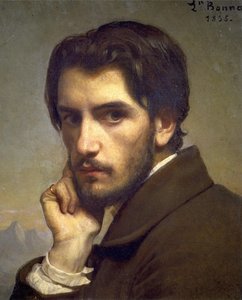
Léon Joseph Florentin Bonnat
1833 - 1922 , Frankreich
Kurzinfos
- Artistic Movement Or Style: Realismus, Akademische Kunst
- Artists Or Movements Influenced By This Artist:
- Degas
- Cogniet
- Artists Who Influenced This Artist:
- Velázquez
- Ribera
- Titian
- Van Dyck
- Date Of Birth: 20. Juni 1833
- Date Of Death: 8. Sept. 1922
- Full Name: Léon Joseph Florentin Bonnat
- Nationality: Französisch
- Notable Artworks: ['Jakob kämpft mit Engel']
- Place Of Birth: Bayonne, Frankreich
Ähnliche Artikel
Akademischer Realismus: Die 10 Meisterwerke, die eine Epoche prägten | ArtsDot
Entdecken Sie die 10 prägendsten Meisterwerke des Akademischen Realismus! Erfahren Sie die Geschichten hinter berühmten Gemälden, Künstlern & Techniken. Hochwertige Reproduktionen für Ihr Zuhause – jetzt auf ArtsDot.com!
Die Top 10 berühmter Gemälde in Pilztönen – Kunst für Ihr Zuhause |
Entdecken Sie die Top 10 berühmter Gemälde in faszinierenden Pilztönen! Von Van Gogh bis Monet – erleben Sie Kunstgeschichte und lassen Sie sich von warmen Farben inspirieren. Hochwertige Kunstdrucke auf

Academic Realism: Technique, History & Enduring Influence on Art
Explore the captivating world of Academic Realism! Discover key artists, techniques & its lasting impact on art history. Expert insights & high-quality reproductions at ArtsDot.
Die Top 10 Gemälde in Sandtönen: Meisterwerke für Ihr Zuhause |
Entdecken Sie die Top 10 Gemälde in faszinierenden Sandtönen! Von Van Gogh bis Monet – erleben Sie Meisterwerke des Impressionismus & mehr. Finden Sie hochwertige Reproduktionen für Ihr Zuhause auf
Die Top 10 berühmter Gemälde in Erdtönen – Kunst für Ihr Zuhause |
Entdecken Sie die Top 10 berühmter Gemälde in warmen Erdtönen! Von Van Gogh bis Monet – erleben Sie Meisterwerke der Kunstgeschichte. Finden Sie hochwertige Reproduktionen & Inspiration für Ihr Zuhause auf

