

 Vorschau anzeigen
 Versenden
 Teilen
 Details anzeigen

 Herunterladen
 Ähnliche Objekte
 Röntgenaufnahme
 Diashow
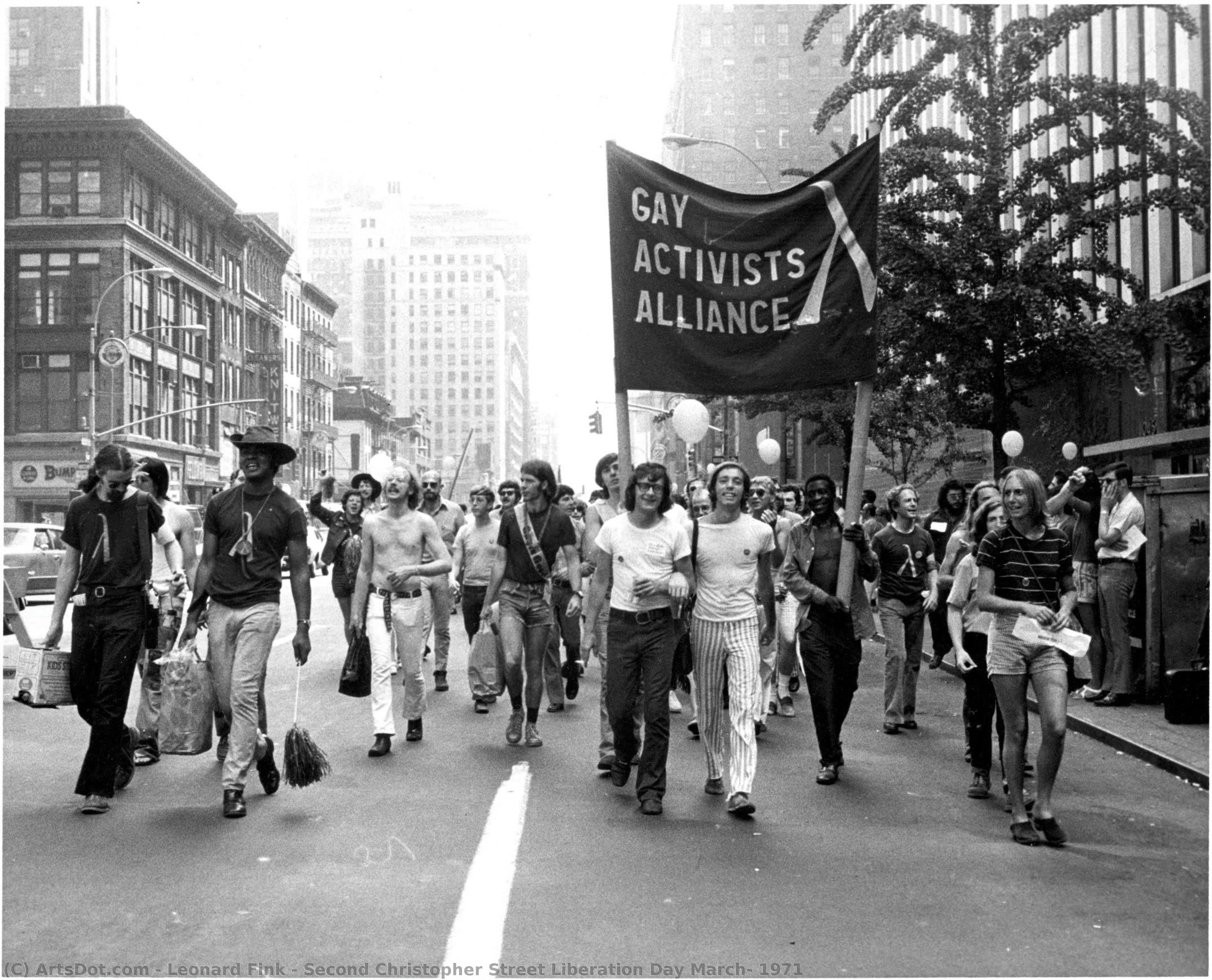
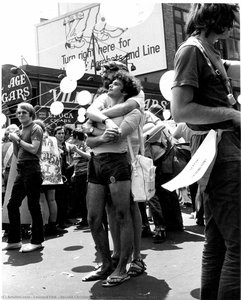
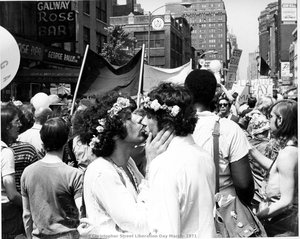
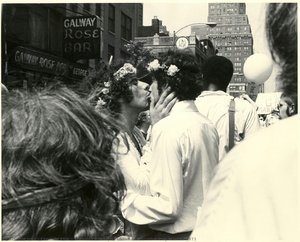
Second Christopher Street Liberation Day March, 1971


 Weiterlesen
Erwerben Sie ein hochauflösendes, optimiertes digitales Bild, das der Online-Vorschau weit überlegen ist.
Jede Datei wird von unseren hauseigenen Spezialisten mit modernsten Werkzeugen und fachmännischer manueller Retusche sorgfältig vorbereitet. Wir stellen sicher, dass jedes Bild eine außergewöhnliche Klarheit, präzise Farbgenauigkeit und feinste Details aufweist.
Die endgültige Datei wird innerhalb von 72 Stunden per E-Mail zugestellt und ist für den sofortigen Einsatz in professionellen, redaktionellen und Druckumgebungen optimiert. Es handelt sich um dieselbe Qualität, der führende Designstudios, Verlage und Galerien vertrauen.
Digitales Bild
Laden Sie eine hochauflösende Datei für die persönliche Präsentation, den Druck und kreative Projekte herunter. ( Druck bestellen Handgemalte Reproduktion bestellen)
In jeder Bestellung digitaler Bilder enthalten
Professionelle digitale Bereitstellung, garantiert
Wenn Sie sich für ArtsDot.com entscheiden, erhalten Sie nicht nur ein Bild – Sie erhalten ein professionell aufbereitetes digitales Kunstwerk, das mit höchster Präzision erstellt und durch eine Zufriedenheitsgarantie abgesichert wird. Hier ist alles, was automatisch mit Ihrer Bestellung geliefert wird:

Schnelle E-Mail-Zustellung
Ihre hochauflösende digitale Bilddatei wird Ihnen innerhalb von 72 Stunden nach der Bestellung per E-Mail zugestellt – bereit zur sofortigen Verwendung.

KI-optimierte digitale Datei
Ihre Kunstwerke werden professionell mithilfe fortschrittlicher KI-Tools und manueller Bearbeitung optimiert, um maximale Detailtreue, Klarheit und Farbgenauigkeit zu gewährleisten.

Lebenslanger kostenloser Neudruckservice
Datei versehentlich gelöscht oder verloren? Keine Sorge – wir senden sie Ihnen jederzeit kostenlos erneut zu.

Keine Einfuhrgebühren – jemals
Genießen Sie Ihr Kunstwerk sofort ohne Zollgebühren, Einfuhrabgaben oder Versandkosten – digitale Downloads sind immer steuerfrei.

Garantierte Farbtreue
Wir garantieren, dass Ihr digitales Bild mithilfe professioneller Werkzeuge und Farbmanagement die Originalfarben so präzise wie möglich wiedergibt.

100-Tage-Zufriedenheitsgarantie
Wenn Sie mit Ihrem digitalen Bild nicht zufrieden sind, werden wir es überarbeiten oder 100% innerhalb von 100 Tagen erstatten – ohne Wenn und Aber.

100% Geld-zurück-Garantie
Nicht zufrieden? Erhalten Sie innerhalb von 100 Tagen nach Erhalt Ihrer digitalen Datei eine vollständige Rückerstattung – ohne Wenn und Aber.

Rabatte bei Großbestellungen
3 Bilder kaufen, 10% sparen – 5 Bilder kaufen, 15% sparen – Ab 10 Bildern 20% sparen. Ideal für kreative Projekte, Galerien und Agenturen.
Ähnliche Kunstwerke
Biografie des Künstlers
Leonard Fink: A Silent Witness to Queer Liberation
Leonard Fink (1930-1992) remains a profoundly enigmatic figure in the history of American photography, a silent witness to a vibrant and often turbulent era of LGBTQ+ liberation. For decades, his extensive archive – encompassing over 5,000 prints and 25,000 negatives documenting life in New York City from 1967 to 1992 – lay largely unseen, known only to a small circle of friends. Only recently has Fink’s work begun to emerge into the public consciousness, revealing a remarkably intimate and powerful chronicle of gay culture during a period of profound social change. His photographs aren't merely documentation; they are imbued with a palpable sense of joy, vulnerability, and defiant self-expression – a testament to a community forging its own identity amidst societal constraints.
Born in New York City, Fink’s early life was shaped by his Orthodox Jewish upbringing, a stark contrast to the bohemian world he would eventually inhabit. He pursued legal studies at Louisiana State University and New York Law School, working as an attorney for the New York City Transit Authority – a seemingly conventional path that belied his burgeoning artistic passion. It was in the early 1960s, amidst the burgeoning counterculture movement, that Fink began to seriously explore photography, initially using a simple 35mm camera and a makeshift darkroom in his small apartment on West 92nd Street. His initial subjects were friends and family, capturing snapshots of everyday life, but soon he turned his lens toward the vibrant gay scene of Greenwich Village, drawn by its energy and sense of community. This marked a deliberate shift away from the expectations placed upon him as a young man, a quiet rebellion expressed through the act of seeing and recording.
The Piers: A Space of Cruising and Self-Discovery
Fink’s most iconic work centers around the abandoned West Side piers along the Hudson River. These derelict spaces became a crucial meeting point for gay men in New York City, offering a refuge from societal judgment and a space for spontaneous encounters – what was then known as “cruising.” Fink meticulously documented this world, capturing candid moments of connection, flirtation, and intimacy. His photographs aren’t overtly sexual; rather, they convey a sense of shared experience, vulnerability, and the quiet joy of simply being seen and accepted. The piers became a stage for self-discovery, where men could explore their identities and desires without fear of reprisal. Fink's images offer an unparalleled glimpse into this hidden subculture, revealing its complexities and celebrating its resilience.
His approach was remarkably intuitive. He often photographed his subjects in their own environments, sometimes with their knowledge, sometimes not. He wasn’t interested in creating polished portraits; instead, he sought to capture the raw essence of these moments – the fleeting expressions, the casual gestures, the unspoken connections. The grainy quality of many of his prints—a result of using inexpensive film and developing techniques—adds to their authenticity and immediacy, evoking a sense of time passing and history unfolding.
Pride Marches and Community Portraits
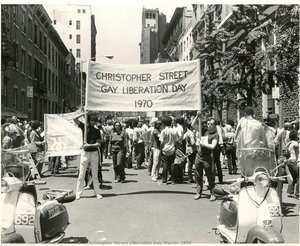
Beyond the piers, Fink’s archive includes extensive documentation of New York City's annual Pride marches, beginning with the first in 1970. These photographs capture the energy and enthusiasm of the early LGBTQ+ rights movement, depicting crowds of people marching for visibility and equality. He also documented the West Village’s gay bar culture, capturing the atmosphere of these spaces—places of refuge, celebration, and community. Fink's work extends beyond specific events; he created a series of portraits of individuals who became central figures in the LGBTQ+ community – including Marsha P. Johnson and Sylvia Rivera, two pioneering activists whose contributions to the movement are now widely recognized.
Legacy and Rediscovery
Despite his dedication to photography, Fink remained largely unknown during his lifetime, choosing a solitary existence and never seeking publication or exhibition. His archive lay dormant for decades until it was bequeathed to the Lesbian, Gay, Bisexual & Transgender Community Center in New York City. It wasn’t until 2014 that a selection of his photographs were exhibited at the Schwules Museum in Berlin, followed by a major retrospective at the Leslie-Lohman Museum of Art in New York City. These exhibitions brought Fink's work to a wider audience and sparked renewed interest in his unique perspective. Today, his archive is held by the Center Archive, and ongoing efforts are being made to digitize and preserve his legacy – ensuring that this remarkable witness to queer liberation will continue to inspire and inform future generations.
Leonard Fink’s photographs aren't just images; they are fragments of a lost world—a testament to the struggles and triumphs of a community fighting for its right to exist. They offer a poignant reminder of the importance of documenting marginalized voices and celebrating the diversity of human experience.
leonard fink
1930 - 1992 , United States of America
Kurzinfos
- Artistic Movement Or Style: LGBTQ+ photography
- Date Of Birth: 1930
- Date Of Death: 1992
- Full Name: Leonard Fink
- Nationality: American
- Notable Artworks:
- First Christopher Street...
- Second Christopher Street...
- West Side Piers Images
- Place Of Birth: New York City, USA