Vorschau anzeigen
 Versenden
 Teilen
 Details anzeigen

 Herunterladen
 Ähnliche Objekte
 Röntgenaufnahme
 Diashow
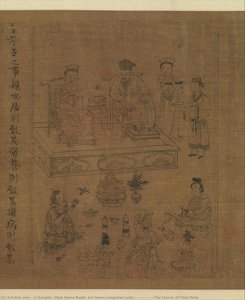
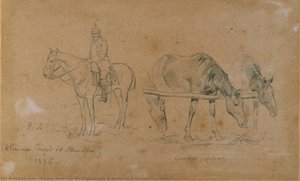
Five Horses

 Weiterlesen
Handgefertigte Ölreproduktion
Handgemaltes Ölgemälde auf Leinwand in Ihrer Wunschgröße und mit Rahmen, auf Bestellung von unseren Künstlern angefertigt. ( Druck bestellen Bild kaufen)




































Wählen Sie aus unseren vordefinierten Formaten, die den ursprünglichen Proportionen des Kunstwerks entsprechen.

Sie können Ihre eigenen Maße eingeben, um einen bestimmten Rahmen oder Platz auszufüllen. Wenn die gewählte Größe nicht den Proportionen des Originalbildes entspricht, werden wir das Kunstwerk entweder beschneiden oder das Gemälde durch zusätzliche, handgemalte Elemente erweitern. Ein digitales Mockup wird Ihnen zur Genehmigung zugesandt, bevor die Produktion beginnt.
Bitte beachten Sie, dass die Bildschirmvorschau nicht die tatsächliche Beschneidung oder Erweiterung widerspiegelt. Nur das Mockup zeigt die endgültige Komposition exakt an.
Obwohl Sondermaße verfügbar sind, empfehlen wir, eine Größe aus der vordefinierten Liste zu wählen, um die ursprünglichen Proportionen beizubehalten.
Nach der Bestellung wird das ArtsDot.com-Team dem Kunden Anweisungen per E-Mail zusenden und eine Mockup-Vorschau bereitstellen.
Weltweiter Versand () in nur 3 bis 4 Wochen statt der üblichen 5 Wochen. (25 August). Keine Kompromisse bei der Qualität.

Kostenloser weltweiter Expressversand

Hochwertige Leinenleinwand

Umfassender Versicherungsschutz beim Versand

Zollgebühren-Rückerstattungsgarantie

Garantie für exakte Farbtreue

60 Tage Rückgaberecht (nur bei Mängeln)

100% Geld-zurück-Garantie

Mengenrabatt verfügbar
 Die Glasoption ist nur für Größen unter 110 cm verfügbar.

Five Horses
Art der Reproduktion
Format der Reproduktion
-


Gesamtpreis
$ 263
Beschreibung des Kunstwerks
Ähnliche Kunstwerke






Über den Künstler
The Refined Brush of Li Gonglin: A Legacy of Song Dynasty Scholarship
Li Gonglin, formally known as Longmian Jushi (meaning “Old Man with the Dragon Face”), and bearing the style name Boshi, stands as a towering figure in the landscape of Chinese painting during the Northern Song dynasty. Born sometime around 1009 – the exact date remains elusive – his life coincided with a period of immense cultural flourishing, yet also one marked by political turmoil that profoundly shaped his artistic vision. Unlike many artists who enjoyed patronage from the imperial court or wealthy collectors, Li Gonglin’s path was one of scholarly independence and deliberate stylistic choices rooted in a deep reverence for earlier masters. He died in 1085, leaving behind a body of work characterized by meticulous detail, restrained elegance, and an unwavering commitment to representing nature with both accuracy and philosophical depth.Early Life and Scholarly Pursuits
Li Gonglin hailed from a family of modest means but possessed a keen intellect and an insatiable thirst for knowledge. He dedicated his life to the study of calligraphy, painting, poetry, and history, passing the imperial examinations at a relatively late age – a testament to his focused dedication rather than early brilliance. This delay, however, proved formative. It allowed him ample time to cultivate his artistic skills and develop a unique aesthetic sensibility. He was deeply influenced by the intellectual climate of the Song dynasty, which emphasized Neo-Confucianism and a return to classical values. His scholarly background wasn’t merely an accompaniment to his art; it *was* his art. He believed that painting should serve as a vehicle for expressing moral principles and reflecting upon the natural world with profound understanding. He never held high office, preferring instead to live a life of quiet contemplation and artistic creation, traveling extensively throughout China and observing nature firsthand.A Style Forged in Tradition: Embracing the Ancients
Li Gonglin’s painting style is often described as a deliberate revival of earlier traditions, particularly those of the Five Dynasties period (907-960). He consciously rejected the prevailing trends of his time – the opulent and decorative styles favored by many court painters. Instead, he turned to the works of artists like Zhan Ziqian, known for his precise depictions of horses, and Fan Kuan, celebrated for his monumental landscapes. He meticulously copied their paintings, not as an act of imitation but as a form of rigorous training and scholarly investigation. This dedication led him to develop a distinctive technique characterized by fine, controlled brushwork, subtle ink washes, and a remarkable attention to detail. His subjects were primarily landscapes, bamboo, plum blossoms, and horses – all imbued with symbolic meaning deeply rooted in Chinese culture. Horses, for example, represented strength, loyalty, and the spirit of freedom, while bamboo symbolized resilience, integrity, and scholarly virtue.Major Achievements and Artistic Characteristics
Li Gonglin’s most celebrated works demonstrate his mastery of ink painting techniques and his ability to convey both physical reality and philosophical depth. His landscapes are not simply representations of scenic views; they are carefully constructed compositions that evoke a sense of tranquility, harmony, and the interconnectedness of all things. He employed a technique known as “dabi” (large brush) combined with “xiaomo” (light ink), creating paintings with layered textures and subtle tonal variations. His bamboo paintings are equally remarkable for their delicate lines, expressive forms, and evocative atmosphere.- The Pine Tree in the Clouds: This painting exemplifies his ability to capture the essence of nature through minimalist brushwork.
- Horses Grazing in a Pasture: A testament to his meticulous observation and understanding of equine anatomy.
- Landscape after Fan Kuan: Demonstrates his reverence for earlier masters while showcasing his own unique style.
Historical Significance and Enduring Legacy
Li Gonglin’s influence on subsequent generations of Chinese painters is immeasurable. He established a new standard for scholarly painting, emphasizing the importance of intellectual rigor, technical mastery, and moral integrity. His deliberate rejection of prevailing trends paved the way for a revival of classical styles and inspired countless artists to pursue their own unique visions. He is considered one of the “Four Masters of the Song Dynasty,” alongside Guo Xi, Wang Meng, and Fan Kuan – a testament to his enduring legacy and profound impact on Chinese art history. His paintings continue to be admired today for their beauty, elegance, and philosophical depth, serving as a powerful reminder of the importance of tradition, scholarship, and artistic excellence. He didn’t just paint what he saw; he painted what he *understood*, imbuing his works with a timeless quality that resonates with viewers centuries later.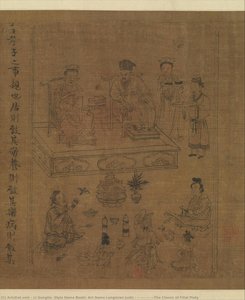
Kurzinfos
- Art Name: Longmian Jushi
- Artistic Movement Or Style: Song Dynasty painting
- Date Of Birth: (Unknown)
- Date Of Death: Living
- Full Name: Li Gonglin
- Notable Artworks:
- Pine and Crane in Snow
- Lofty Bamboo
- Nine Dragons Scroll
- Style Name: Boshi