 Vorschau anzeigen
 Versenden
 Teilen
 Details anzeigen

 Herunterladen
 Ähnliche Objekte
 Röntgenaufnahme
 Diashow
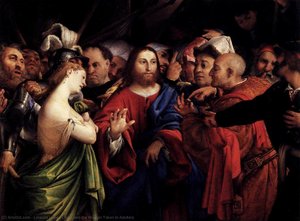
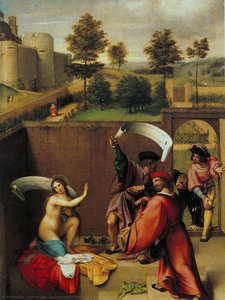
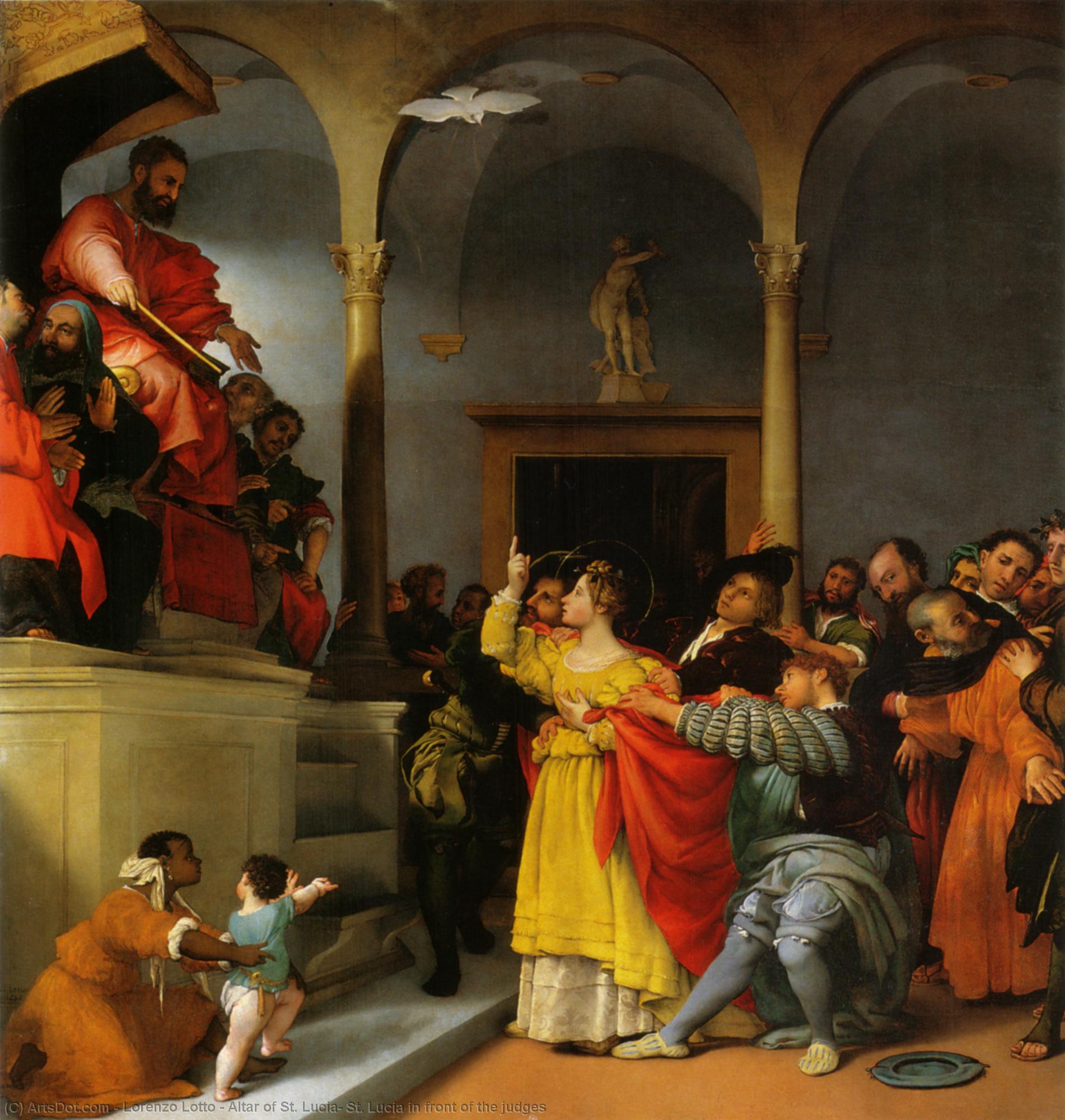
Altar of St. Lucia: St. Lucia in front of the judges
 Oil
Oil- WallArt
- Renaissance
 1532
1532- Renaissance
 237.0 x 243.0 cm
 Weiterlesen
Handgefertigte Ölreproduktion
Handgemaltes Ölgemälde auf Leinwand in Ihrer Wunschgröße und mit Rahmen, auf Bestellung von unseren Künstlern angefertigt. ( Druck bestellen Bild kaufen)




P118B $10

P118H $10

P118W $10

P438Z $10

P508JH $12

P508YH $12

P805H $10

P805Z $10

P919BZ $10

P919G $10

P919XJ $10

P959ZH $10

P968JZ $12

W106C $8

W218G $10

W218JH $8

W218Y $10

W307PJ $10

W316G $10

W316PJ $8

W316Y $10

W398PJ $8

W4111J $10

W500HY $15

W500JH $15

W692G $12

W849H $8

W940BG $15

W953PJ $8




Wählen Sie aus unseren vordefinierten Formaten, die den ursprünglichen Proportionen des Kunstwerks entsprechen.

Sie können Ihre eigenen Maße eingeben, um einen bestimmten Rahmen oder Platz auszufüllen. Wenn die gewählte Größe nicht den Proportionen des Originalbildes entspricht, werden wir das Kunstwerk entweder beschneiden oder das Gemälde durch zusätzliche, handgemalte Elemente erweitern. Ein digitales Mockup wird Ihnen zur Genehmigung zugesandt, bevor die Produktion beginnt.
Bitte beachten Sie, dass die Bildschirmvorschau nicht die tatsächliche Beschneidung oder Erweiterung widerspiegelt. Nur das Mockup zeigt die endgültige Komposition exakt an.
Obwohl Sondermaße verfügbar sind, empfehlen wir, eine Größe aus der vordefinierten Liste zu wählen, um die ursprünglichen Proportionen beizubehalten.
Nach der Bestellung wird das ArtsDot.com-Team dem Kunden Anweisungen per E-Mail zusenden und eine Mockup-Vorschau bereitstellen.
Weltweiter Versand () in nur 3 bis 4 Wochen statt der üblichen 5 Wochen. (5 September). Keine Kompromisse bei der Qualität.

Kostenloser weltweiter Expressversand

Hochwertige Leinenleinwand

Umfassender Versicherungsschutz beim Versand

Zollgebühren-Rückerstattungsgarantie

Garantie für exakte Farbtreue

60 Tage Rückgaberecht (nur bei Mängeln)

100% Geld-zurück-Garantie

Mengenrabatt verfügbar
 Die Glasoption ist nur für Größen unter 110 cm verfügbar.

Altar of St. Lucia: St. Lucia in front of the judges
Art der Reproduktion
Format der Reproduktion
-


Gesamtpreis
$ 263
A Divine Encounter: The Drama of St. Lucia
In the profound depths of the Italian Renaissance, few works capture the tension between earthly judgment and divine grace as poignantly as Lorenzo Lotto’s Altar of St. Lucia: St. Lucia in front of the judges. This monumental masterpiece, dating from 1532, serves as a breathtaking window into a moment of spiritual crisis and unwavering faith. The scene unfolds with a cinematic intensity, placing the viewer directly before the trial of the saint. As St. Lucia stands amidst a sea of figures, her hands are raised toward the heavens in a gesture that is simultaneously an act of surrender and a powerful plea for divine intervention. The composition is masterfully orchestrated to draw the eye upward, following her movement from the terrestrial realm of the stern, imposing judges toward the unseen light of the Creator.
The painting is not merely a depiction of a historical or hagiographic event; it is a psychological study of confrontation. Surrounding the saint is a complex assembly of men, some clad in the heavy, authoritative attire of knights and officials, others appearing as participants in a solemn religious rite. This juxtaposition of secular power and sacred devotion creates a palpable sense of drama. The architectural elements—the sturdy columns and the shadowed doorway—provide more than just structural depth; they act as a metaphorical threshold between the world of man-made law and the infinite realm of the spirit. Through Lotto’s expert use of space, the viewer feels the weight of the courtroom's scrutiny and the liberating breath of the saint's prayer.
The Mastery of the Venetian Wanderer
Lorenzo Lotto was never a painter of mere convention. While his contemporaries in Venice often focused on the lush, idealized beauty of the Bellini school, Lotto infused his work with an emotive, almost restless energy that prefigured the Mannerist movement. In this particular work, his technique shines through a sophisticated use of light and shadow, which lends a sculptural quality to the figures. The textures of the fabrics—the heavy metals of the armor and the soft folds of religious vestments—are rendered with such precision that they invite a tactile connection. His ability to balance High Renaissance grace with a raw, human vulnerability is what makes this piece so enduringly captivating for the modern eye.
Beyond the human drama, Lotto weaves subtle layers of symbolism into the very fabric of the composition. The presence of two birds, positioned delicately within the upper reaches and the center-right of the canvas, serves as a quiet, spiritual counterpoint to the heavy tension below. These creatures may be interpreted as symbols of freedom or the flight of the soul, offering a sense of lightness and transcendence amidst the gravity of the trial. For the discerning collector or interior designer, such details provide endless layers of conversation and meaning, making this reproduction not just a decorative element, but a profound intellectual centerpiece.
An Inspiration for the Modern Interior
For those looking to curate a space that exudes sophistication, history, and emotional depth, a high-quality reproduction of this work offers unparalleled prestige. The sheer scale of the original—measuring an impressive 237 x 243 cm—allows for a commanding presence in grand halls, libraries, or formal dining rooms. The rich, warm palette and the dramatic interplay of light make it an ideal focal point for interiors that lean toward classical, traditional, or even contemporary eclectic styles. It is a piece that demands attention, inviting guests to linger and contemplate the narrative unfolding within its frame.
Owning a reproduction of Lotto’s genius is an opportunity to bring the spirit of the Italian Renaissance into the contemporary home. It serves as a reminder of the enduring power of faith, the complexity of justice, and the beauty found in the struggle for transcendence. Whether used to anchor a room or to add a layer of historical texture to a curated gallery wall, this artwork remains a timeless testament to the ability of art to bridge the gap between the mortal and the divine.
Ähnliche Kunstwerke
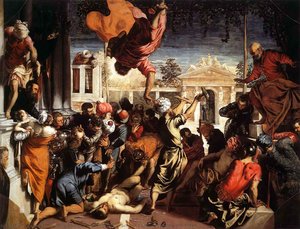
![Legende Des Heiligen Franziskus - [23] - Der Heilsame Franziskus Wird Von Der Heiligen Klara Beweint — Giotto Di Bondone, Gotik](/media/artworks/images-thumb/17/1c/171c284c41dc3ef8bca83e51c1e1e531.jpg)
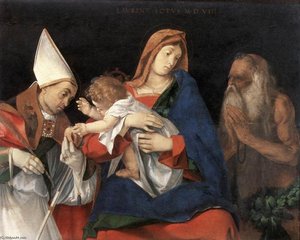

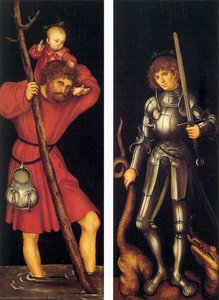
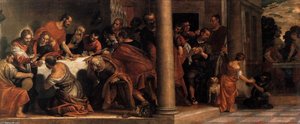
Über den Künstler
Frühes Leben und Ausbildung
Lorenzo Lotto, ein bedeutender italienischer Maler, Zeichner und Illustrator, wurde um 1480 in Venedig geboren. Sein frühes Leben und seine Ausbildung sind nicht gut dokumentiert, aber es wird angenommen, dass er von Giovanni Bellini beeinflusst war, einer führenden Figur der venezianischen Schule.Künstlerischer Stil und Einflüsse
Lottos Werk zeichnet sich durch eine einzigartige Mischung aus Hochrenaissance und Mannerismus aus. Seine Gemälde zeigen oft Altäre, religiöse Themen und Porträts, die seine technische Fertigkeit und emotionale Tiefe demonstrieren. Der Einfluss von Giorgio Vasaris Freund, Palma der Ältere, ist in Lottos frühen Werken erkennbar.Bemerkenswerte Werke und Standorte
- Jungfrau mit Kind und St. Hieronymus (1506) (National Gallery of Scotland, Edinburgh)
- Allegorie der Tugend und Laster (1505) (National Gallery of Art, Washington)
- St. Hieronymus in der Wüste (1500 oder 1506) (Louvre, Paris)
Karriere und Vermächtnis
Lottos Karriere erstreckte sich über mehrere Standorte, darunter Treviso, Rom und Bergamo. Er war ein respektierter Maler in Norditalien, aber seine Arbeit wurde in Venedig weitgehend übersehen. Lottos einzigartiger Stil, der giorgioneske Klassizismus mit Correggios dramatischen Setpieces vermischt, wurde in den letzten Jahren wiederentdeckt.Wichtige Kunstbewegungen und Einflüsse
Schlussfolgerung
Lorenzo Lottos bemerkenswerte Karriere, die durch seinen einzigartigen künstlerischen Stil und einflussreiche Werke gekennzeichnet ist, hat ihre bleibende Spur in der Welt der italienischen Renaissancekunst hinterlassen. Sein Vermächtnis inspiriert weiterhin Künstler und Kunstliebhaber gleichermaßen, wobei viele seiner Werke auf ArtsDot.com zu sehen sind.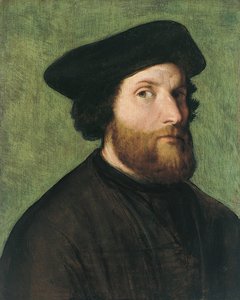
Lorenzo Lotto
1480 - 1556 , Italien
Kurzinfos
- Bemerkenswerte Kunstwerke:
- Jungfrau mit Kind und St. Hieronymus
- Allegorie von Tugend und Laster
- St. Hieronymus in der Wüste
- Geburtsdatum: 1480
- Geburtsort: Venedig, Italien
- Künstler, Die Diesen Künstler Beeinflussten:
- Giovanni Bellini
- Palma der Ältere
- Künstlerische Bewegung Oder Stil:
- Hochrenaissance
- Manierismus
- Nationalität: Italienisch
- Todatum: 1556
- Vollständiger Name: Lorenzo Lotto
- Von Diesem Künstler Beeinflusste Künstler Oder Bewegungen:
- Giorgionesque-Klassizismus
- Correggios dramatische Setzstücke
Ähnliche Artikel

Lorenzo Lotto: Das Rätselhafte Porträt – Psychologie und Symbolik eines venezianischen Meisters
Entdecken Sie die faszinierende Welt von Lorenzo Lotto! Analysieren Sie mit uns die psychologische Tiefe und verborgene Symbolik seiner venezianischen Porträts. Kunstgeschichte für Kenner.

Jacopo Tintoretto: Die 25 Meisterwerke des venezianischen Dramatikers | ArtsDot
Entdecken Sie die 25 Meisterwerke von Jacopo Tintoretto! Tauchen Sie ein in die dramatische Welt der venezianischen Renaissance. Hochwertige Kunst-Reproduktionen & Inspiration für Ihr Zuhause – jetzt auf ArtsDot.com.

El Greco: Die 25 Meisterwerke – Kunst für Ihr Zuhause | ArtsDot
Entdecken Sie die 25 bedeutendsten Meisterwerke von El Greco! Erleben Sie die spirituelle Tiefe und den dramatischen Stil des griechischen Malers. Hochwertige Kunstdrucke & Inspiration für Ihr Zuhause auf ArtsDot.com.
Vittore Carpaccio: Venezianische Renaissance und die Poetik des Details
Entdecken Sie die faszinierende Welt Vittore Carpaccios! Analysieren Sie mit uns seine einzigartige venezianische Renaissance-Malerei, den St.-Georgs-Zyklus und seinen Einfluss auf die Kunstgeschichte. Expertenwissen & Detailreichtum.
Jacopo Palma il Giovane: A Venetian Master's Poetic Evolution
Explore the captivating world of Jacopo Palma il Giovane, a pivotal Venetian Renaissance master. Discover his unique style, influenced by Titian & Tintoretto, and learn about key works perfect for discerning collectors.