 Vorschau anzeigen
 Versenden
 Teilen
 Details anzeigen

 Herunterladen
 Ähnliche Objekte
 Röntgenaufnahme
 Diashow
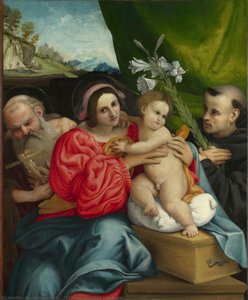
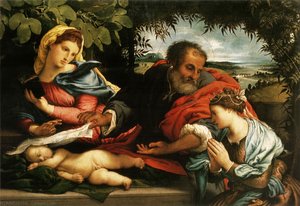
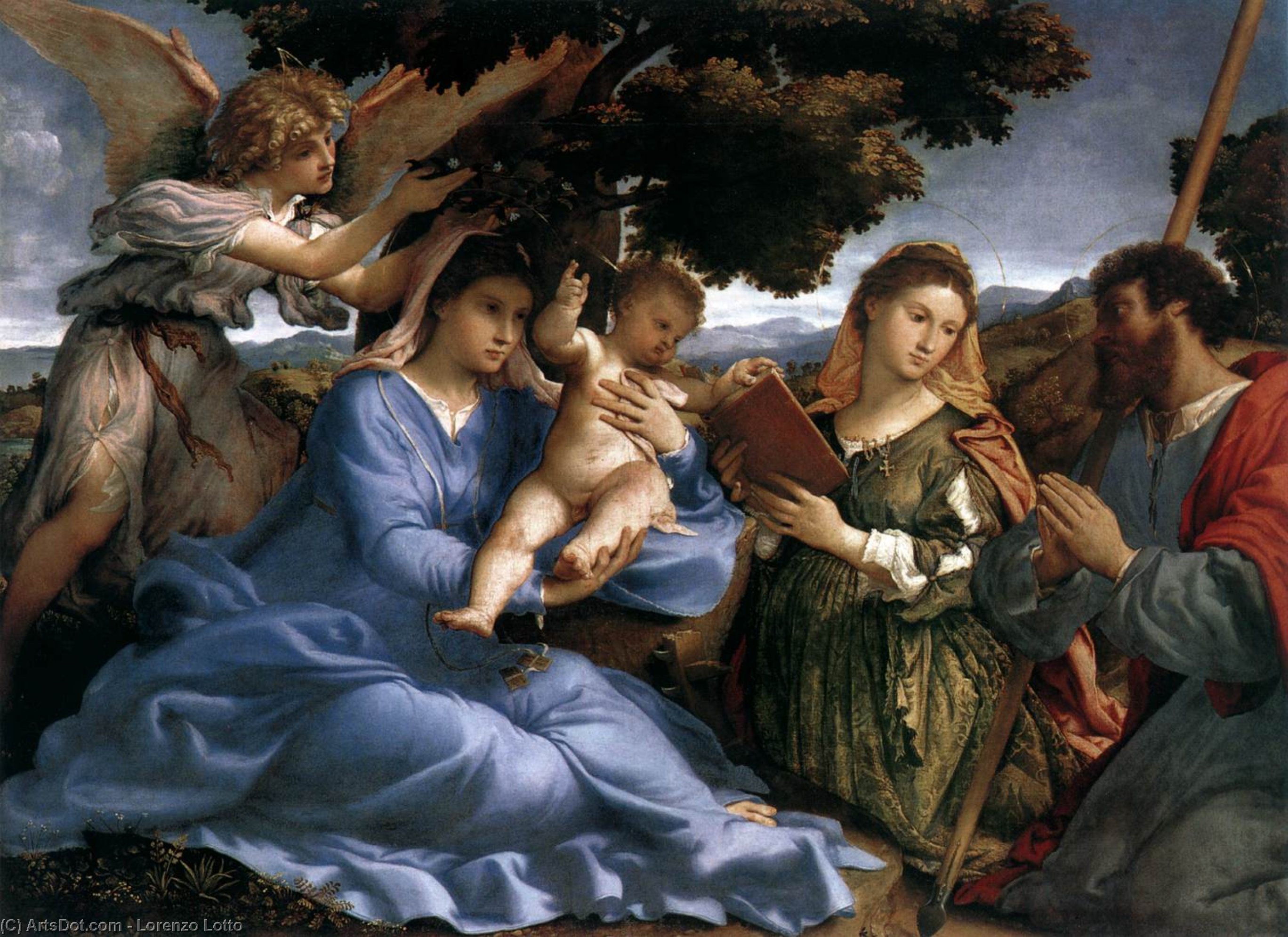
Madonna and Child with Saints and an Angel
 Acrylic On Canvas
- WallArt
- Early Mannerism
 1527
1527 114.0 x 152.0 cm
 Kunsthistorisches Museum
 Weiterlesen
Giclée / Kunstdruck
Giclée- oder Leinwanddruck in Museumsqualität mit schneller Produktion und flexiblen Veredelungsoptionen. ( Handgemalte Reproduktion bestellen Bild kaufen)




P118B $10

P118H $10

P118W $10

P438Z $10

P508JH $12

P508YH $12

P805H $10

P805Z $10

P919BZ $10

P919G $10

P919XJ $10

P959ZH $10

P968JZ $12

W106C $8

W218G $10

W218JH $8

W218Y $10

W307PJ $10

W316G $10

W316PJ $8

W316Y $10

W398PJ $8

W4111J $10

W500HY $15

W500JH $15

W692G $12

W849H $8

W940BG $15

W953PJ $8




Wählen Sie aus unseren vordefinierten Formaten, die den ursprünglichen Proportionen des Kunstwerks entsprechen.

Sie können Ihre eigenen Maße eingeben, um ein bestimmtes Format oder einen speziellen Platz einzupassen. Wenn das von Ihnen gewählte Format nicht den Proportionen des Originalbildes entspricht, werden wir das Kunstwerk entweder beschneiden oder das Bild mit einem gespiegelten oder einfarbigen Rand erweitern. Ein digitaler Entwurf wird Ihnen zur Genehmigung zugesandt, bevor die Produktion beginnt.
Bitte beachten Sie, dass die Vorschau auf dem Bildschirm nicht den tatsächlichen Zuschnitt oder die Erweiterung widerspiegelt. Nur der Entwurf zeigt die endgültige Komposition präzise an.
Obwohl Sondermaße verfügbar sind, empfehlen wir die Auswahl eines Maßes aus der vordefinierten Liste, um die ursprünglichen Proportionen zu bewahren.
Weltweiter Versand () innerhalb von 2 Wochen statt der üblichen 4/5 Wochen. (1 September)

Kostenloser weltweiter Expressversand

Hochwertige Leinenleinwand

Umfassender Versicherungsschutz beim Versand

Zollgebühren-Rückerstattungsgarantie

Garantie für exakte Farbtreue

60 Tage Rückgaberecht (nur bei Mängeln)

100% Geld-zurück-Garantie

Mengenrabatt verfügbar
 Die Glasoption ist nur für Größen unter 110 cm verfügbar.

Madonna and Child with Saints and an Angel
Giclée / Kunstdruck
Format der Reproduktion
-


Gesamtpreis
$ 62
Lorenzo Lotto’s “Madonna and Child with Saints”: A Venetian Masterpiece of Devotion
Lorenzo Lotto's "Madonna and Child with Saints," painted circa 1527, is more than just a devotional image; it’s a profound meditation on faith, family, and the human condition. This captivating work, now residing in the Kunsthistorisches Museum in Vienna, offers a rare glimpse into the artistic sensibilities of a Venetian master who defied convention and forged his own distinctive path within the Renaissance landscape. Lotto, a wandering artist known for his intensely personal style, wasn’t content to simply replicate established models; he sought to capture not just likenesses but also the very essence of his subjects – a characteristic that sets his work apart from many of his contemporaries.
The painting immediately draws the eye to the central figures: Mary cradling the Christ Child. Her expression is remarkably serene, yet imbued with a quiet intensity—a blend of maternal tenderness and spiritual awareness. The composition isn’t rigidly hierarchical, as was common in earlier Renaissance works; instead, Lotto creates an intimate tableau where the figures seem almost to converse amongst themselves. The saints surrounding them – Catherine of Alexandria, Thomas the Apostle, and others – are depicted with a remarkable degree of realism, their faces bearing individual expressions that suggest both piety and humanity. Notice how Lotto subtly shifts the scale of the figures, creating a sense of depth and drawing the viewer into the scene.
A Synthesis of Venetian and Northern Influences
Lotto’s artistic journey is itself a fascinating story, marked by constant movement and exposure to diverse influences. Born in Venice around 1480, he initially absorbed the lessons of Giovanni Bellini, the leading figure of the Venetian school. However, Lotto quickly developed his own unique style, incorporating elements from Northern European painting – particularly the work of Palma Vecchio and Albrecht Dürer—into his compositions. This synthesis is evident in the painting’s use of light, color, and perspective. The atmospheric haze that softens the background echoes the techniques employed by Dürer, while the rich, jewel-toned palette reflects Lotto's Venetian training.
The architectural setting, a simple yet elegant room, further contributes to the painting’s overall effect. It’s not merely a backdrop; it serves as a visual anchor for the scene and subtly directs the viewer’s gaze. The use of perspective is masterful, creating a sense of depth and spatial awareness that was revolutionary for its time. Lotto's attention to detail extends beyond the figures themselves—notice the intricate folds of the drapery, the delicate rendering of the saints’ garments, and the subtle variations in texture.
Symbolism and Emotional Resonance
Beyond its technical brilliance, “Madonna and Child with Saints” is rich in symbolism. The inclusion of specific saints – Catherine of Alexandria, known for her wisdom and martyrdom, and Thomas, representing faith and unwavering devotion—elevates the painting’s spiritual significance. The book held by one of the figures represents knowledge and divine revelation, while the presence of a small animal (often interpreted as a dog) symbolizes loyalty and faithfulness.
Lotto's ability to convey emotion is particularly striking. The faces of the figures are not idealized; they reflect a range of human experiences – joy, sorrow, contemplation, and devotion. The painting’s overall mood is one of quiet serenity and profound spiritual connection. It invites viewers to contemplate the mysteries of faith, family, and the enduring power of love. It's a testament to Lotto's skill in capturing not just appearances but also the inner lives of his subjects.
A Legacy of Innovation
Lorenzo Lotto’s “Madonna and Child with Saints” stands as a pivotal work in Venetian art history, marking a transition from the rigid formality of earlier Renaissance painting to a more expressive and emotionally resonant style. His willingness to experiment with new techniques and his profound understanding of human psychology cemented his place as one of the most innovative and influential artists of the 16th century. Reproductions of this masterpiece offer a chance to experience the beauty and depth of Lotto’s vision, bringing a touch of Venetian spirituality into any space.
Ähnliche Kunstwerke
Über den Künstler
Frühes Leben und Ausbildung
Lorenzo Lotto, ein bedeutender italienischer Maler, Zeichner und Illustrator, wurde um 1480 in Venedig geboren. Sein frühes Leben und seine Ausbildung sind nicht gut dokumentiert, aber es wird angenommen, dass er von Giovanni Bellini beeinflusst war, einer führenden Figur der venezianischen Schule.Künstlerischer Stil und Einflüsse
Lottos Werk zeichnet sich durch eine einzigartige Mischung aus Hochrenaissance und Mannerismus aus. Seine Gemälde zeigen oft Altäre, religiöse Themen und Porträts, die seine technische Fertigkeit und emotionale Tiefe demonstrieren. Der Einfluss von Giorgio Vasaris Freund, Palma der Ältere, ist in Lottos frühen Werken erkennbar.Bemerkenswerte Werke und Standorte
- Jungfrau mit Kind und St. Hieronymus (1506) (National Gallery of Scotland, Edinburgh)
- Allegorie der Tugend und Laster (1505) (National Gallery of Art, Washington)
- St. Hieronymus in der Wüste (1500 oder 1506) (Louvre, Paris)
Karriere und Vermächtnis
Lottos Karriere erstreckte sich über mehrere Standorte, darunter Treviso, Rom und Bergamo. Er war ein respektierter Maler in Norditalien, aber seine Arbeit wurde in Venedig weitgehend übersehen. Lottos einzigartiger Stil, der giorgioneske Klassizismus mit Correggios dramatischen Setpieces vermischt, wurde in den letzten Jahren wiederentdeckt.Wichtige Kunstbewegungen und Einflüsse
Schlussfolgerung
Lorenzo Lottos bemerkenswerte Karriere, die durch seinen einzigartigen künstlerischen Stil und einflussreiche Werke gekennzeichnet ist, hat ihre bleibende Spur in der Welt der italienischen Renaissancekunst hinterlassen. Sein Vermächtnis inspiriert weiterhin Künstler und Kunstliebhaber gleichermaßen, wobei viele seiner Werke auf ArtsDot.com zu sehen sind.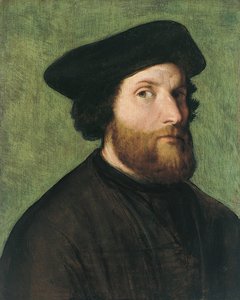
Lorenzo Lotto
1480 - 1556 , Italien
Kurzinfos
- Bemerkenswerte Kunstwerke:
- Jungfrau mit Kind und St. Hieronymus
- Allegorie von Tugend und Laster
- St. Hieronymus in der Wüste
- Geburtsdatum: 1480
- Geburtsort: Venedig, Italien
- Künstler, Die Diesen Künstler Beeinflussten:
- Giovanni Bellini
- Palma der Ältere
- Künstlerische Bewegung Oder Stil:
- Hochrenaissance
- Manierismus
- Nationalität: Italienisch
- Todatum: 1556
- Vollständiger Name: Lorenzo Lotto
- Von Diesem Künstler Beeinflusste Künstler Oder Bewegungen:
- Giorgionesque-Klassizismus
- Correggios dramatische Setzstücke
Ähnliche Artikel
Lorenzo Lotto: Das Rätselhafte Porträt – Psychologie und Symbolik eines venezianischen Meisters
Entdecken Sie die faszinierende Welt von Lorenzo Lotto! Analysieren Sie mit uns die psychologische Tiefe und verborgene Symbolik seiner venezianischen Porträts. Kunstgeschichte für Kenner.

Jacopo Tintoretto: Die 25 Meisterwerke des venezianischen Dramatikers | ArtsDot
Entdecken Sie die 25 Meisterwerke von Jacopo Tintoretto! Tauchen Sie ein in die dramatische Welt der venezianischen Renaissance. Hochwertige Kunst-Reproduktionen & Inspiration für Ihr Zuhause – jetzt auf ArtsDot.com.
Raphael: Die 25 Meisterwerke des Renaissance-Genies – Kunst für Ihr Zuhause
Entdecken Sie die 25 schönsten Meisterwerke von Raphael! Tauchen Sie ein in die Welt der Renaissance-Kunst, erfahren Sie faszinierende Geschichten und lassen Sie sich von den Farben und Kompositionen inspirieren. Hochwertige Reproduktionen auf ArtsDot.com.
The Golden Light of Innovation: Exploring the Venetian Renaissance Art Movement (1430–1580)
Explore the Golden Age of Venetian art (1430–1580). Discover Giorgione, Titian & Tintoretto's techniques, the 'colorito' revolution, and lasting influence. Expert insights for collectors & enthusiasts.
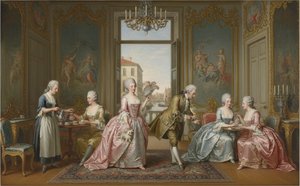
Pietro Longhi's Venetian Scenes: A Study of Rococo Society & Domestic Life
Explore the captivating world of Pietro Longhi's Venetian scenes! Discover insightful analysis of his Rococo masterpieces & social commentary on 18th-century life. Learn about this 'Venetian Hogarth' and his lasting artistic legacy.