 Vorschau anzeigen
 Versenden
 Teilen
 Details anzeigen

 Herunterladen
 Ähnliche Objekte
 Röntgenaufnahme
 Diashow
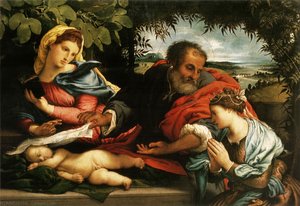
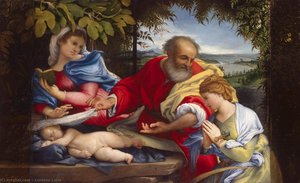
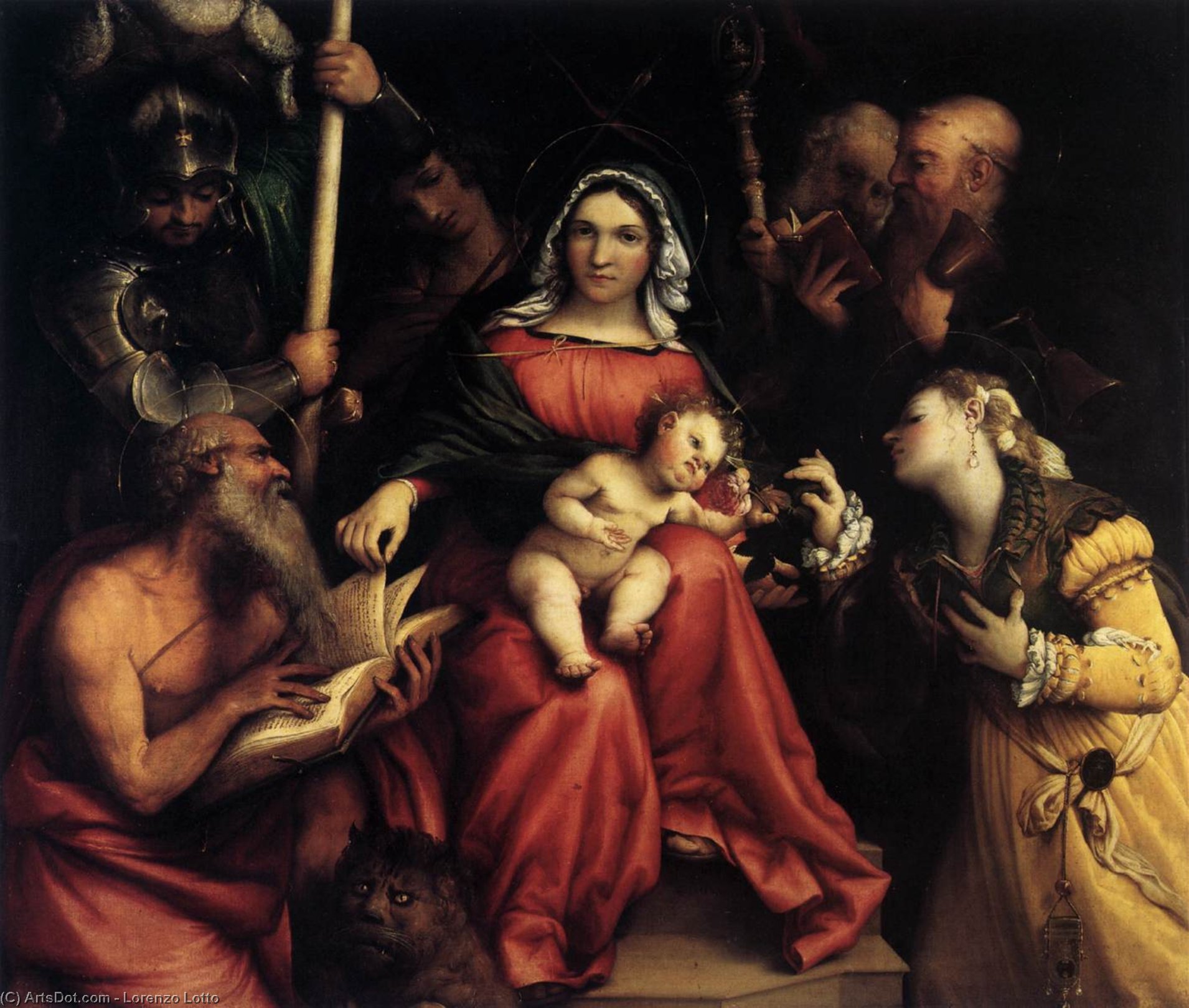
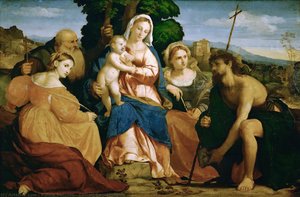
Mystic Marriage of St Catherine
 Oil On Panel
- WallArt
- Renaissance
 1524
1524- Renaissance
 98.0 x 115.0 cm
 Galleria Nazionale d’Arte Antica
 Weiterlesen
Giclée / Kunstdruck
Giclée- oder Leinwanddruck in Museumsqualität mit schneller Produktion und flexiblen Veredelungsoptionen. ( Handgemalte Reproduktion bestellen Bild kaufen)




P118B $10

P118H $10

P118W $10

P438Z $10

P508JH $12

P508YH $12

P805H $10

P805Z $10

P919BZ $10

P919G $10

P919XJ $10

P959ZH $10

P968JZ $12

W106C $8

W218G $10

W218JH $8

W218Y $10

W307PJ $10

W316G $10

W316PJ $8

W316Y $10

W398PJ $8

W4111J $10

W500HY $15

W500JH $15

W692G $12

W849H $8

W940BG $15

W953PJ $8




Wählen Sie aus unseren vordefinierten Formaten, die den ursprünglichen Proportionen des Kunstwerks entsprechen.

Sie können Ihre eigenen Maße eingeben, um ein bestimmtes Format oder einen speziellen Platz einzupassen. Wenn das von Ihnen gewählte Format nicht den Proportionen des Originalbildes entspricht, werden wir das Kunstwerk entweder beschneiden oder das Bild mit einem gespiegelten oder einfarbigen Rand erweitern. Ein digitaler Entwurf wird Ihnen zur Genehmigung zugesandt, bevor die Produktion beginnt.
Bitte beachten Sie, dass die Vorschau auf dem Bildschirm nicht den tatsächlichen Zuschnitt oder die Erweiterung widerspiegelt. Nur der Entwurf zeigt die endgültige Komposition präzise an.
Obwohl Sondermaße verfügbar sind, empfehlen wir die Auswahl eines Maßes aus der vordefinierten Liste, um die ursprünglichen Proportionen zu bewahren.
Weltweiter Versand () innerhalb von 2 Wochen statt der üblichen 4/5 Wochen. (30 August)

Kostenloser weltweiter Expressversand

Hochwertige Leinenleinwand

Umfassender Versicherungsschutz beim Versand

Zollgebühren-Rückerstattungsgarantie

Garantie für exakte Farbtreue

60 Tage Rückgaberecht (nur bei Mängeln)

100% Geld-zurück-Garantie

Mengenrabatt verfügbar
 Die Glasoption ist nur für Größen unter 110 cm verfügbar.

Mystic Marriage of St Catherine
Giclée / Kunstdruck
Format der Reproduktion
-


Gesamtpreis
$ 62
A Vision of Divine Union: The Soul of Lorenzo Lotto
In the quiet, luminous depths of Lorenzo Lotto’s Mystic Marriage of Saint Catherine, one finds more than a mere religious tableau; one encounters a profound meditation on the intersection of the human and the divine. Painted in 1524, this masterpiece serves as a breathtaking window into the Venetian Renaissance, a period where the boundaries between earthly reality and spiritual ecstasy were often blurred by the stroke of a master's brush. The painting captures a pivotal moment of theological significance—the spiritual union between Saint Catherine of Alexandria and Christ—rendered with a sensitivity that transcends the rigid iconography of its era. As the viewer gazes upon the serene faces of the saints, there is an immediate sense of being drawn into a sacred, hushed atmosphere, making it an ideal centerpiece for any collection seeking to evoke contemplation and grace.
Lotto’s technical mastery is on full display through his sophisticated use of chiaroscuro, where the dramatic interplay of light and shadow sculpts the figures with remarkable anatomical precision. The artist employs a meticulous layering of oil glazes, a technique that grants the canvas an inner radiance, particularly visible in the luminous skin tones and the rich, heavy folds of the drapery. Unlike the more standardized, heroic compositions of his contemporary Titian, Lotto’s style possesses a unique psychological depth. His figures do not merely exist within a space; they inhabit it with a palpable emotional weight. The textures—from the soft, velvet-like appearance of the fabrics to the subtle, weathered details of the architectural setting—create a sensory richness that makes the scene feel both timeless and tangibly present.
Symbolism and the Renaissance Spirit
Every element within this composition is imbued with layers of meaning designed to guide the faithful through a journey of devotion. The central act of Saint Catherine receiving the ring from Christ serves as a powerful symbol of divine grace transforming the human soul, a cornerstone of Christian theology that resonates with anyone moved by themes of love and transcendence. Surrounding her, the presence of saints such as Barbara and others adds a celestial hierarchy to the work, creating a sense of communal sanctity. The architectural backdrop, while suggesting a grand temple interior, acts as a stage for this intimate drama, using linear perspective to draw the eye toward the central figures, ensuring that the spiritual climax of the painting remains the focal point.
For the discerning collector or interior designer, this artwork offers a sophisticated blend of historical gravity and aesthetic elegance. The color palette, dominated by warm golds, deep reds, and earthy browns, provides a sense of warmth and stability, making it a versatile choice for grand halls or curated study spaces. To possess a reproduction of such a work is to invite the quiet intensity of the Venetian Renaissance into one's environment, fostering an atmosphere of reverence and intellectual stimulation. It is not merely a decoration, but an invitation to pause, to reflect, and to lose oneself in the enduring beauty of Lotto’s visionary world.
Ähnliche Kunstwerke
Über den Künstler
Frühes Leben und Ausbildung
Lorenzo Lotto, ein bedeutender italienischer Maler, Zeichner und Illustrator, wurde um 1480 in Venedig geboren. Sein frühes Leben und seine Ausbildung sind nicht gut dokumentiert, aber es wird angenommen, dass er von Giovanni Bellini beeinflusst war, einer führenden Figur der venezianischen Schule.Künstlerischer Stil und Einflüsse
Lottos Werk zeichnet sich durch eine einzigartige Mischung aus Hochrenaissance und Mannerismus aus. Seine Gemälde zeigen oft Altäre, religiöse Themen und Porträts, die seine technische Fertigkeit und emotionale Tiefe demonstrieren. Der Einfluss von Giorgio Vasaris Freund, Palma der Ältere, ist in Lottos frühen Werken erkennbar.Bemerkenswerte Werke und Standorte
- Jungfrau mit Kind und St. Hieronymus (1506) (National Gallery of Scotland, Edinburgh)
- Allegorie der Tugend und Laster (1505) (National Gallery of Art, Washington)
- St. Hieronymus in der Wüste (1500 oder 1506) (Louvre, Paris)
Karriere und Vermächtnis
Lottos Karriere erstreckte sich über mehrere Standorte, darunter Treviso, Rom und Bergamo. Er war ein respektierter Maler in Norditalien, aber seine Arbeit wurde in Venedig weitgehend übersehen. Lottos einzigartiger Stil, der giorgioneske Klassizismus mit Correggios dramatischen Setpieces vermischt, wurde in den letzten Jahren wiederentdeckt.Wichtige Kunstbewegungen und Einflüsse
Schlussfolgerung
Lorenzo Lottos bemerkenswerte Karriere, die durch seinen einzigartigen künstlerischen Stil und einflussreiche Werke gekennzeichnet ist, hat ihre bleibende Spur in der Welt der italienischen Renaissancekunst hinterlassen. Sein Vermächtnis inspiriert weiterhin Künstler und Kunstliebhaber gleichermaßen, wobei viele seiner Werke auf ArtsDot.com zu sehen sind.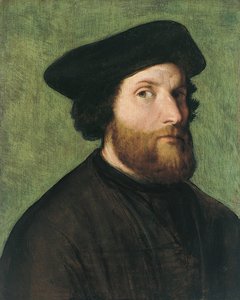
Lorenzo Lotto
1480 - 1556 , Italien
Kurzinfos
- Bemerkenswerte Kunstwerke:
- Jungfrau mit Kind und St. Hieronymus
- Allegorie von Tugend und Laster
- St. Hieronymus in der Wüste
- Geburtsdatum: 1480
- Geburtsort: Venedig, Italien
- Künstler, Die Diesen Künstler Beeinflussten:
- Giovanni Bellini
- Palma der Ältere
- Künstlerische Bewegung Oder Stil:
- Hochrenaissance
- Manierismus
- Nationalität: Italienisch
- Todatum: 1556
- Vollständiger Name: Lorenzo Lotto
- Von Diesem Künstler Beeinflusste Künstler Oder Bewegungen:
- Giorgionesque-Klassizismus
- Correggios dramatische Setzstücke
Ähnliche Artikel
Lorenzo Lotto: Das Rätselhafte Porträt – Psychologie und Symbolik eines venezianischen Meisters
Entdecken Sie die faszinierende Welt von Lorenzo Lotto! Analysieren Sie mit uns die psychologische Tiefe und verborgene Symbolik seiner venezianischen Porträts. Kunstgeschichte für Kenner.
El Greco: Die 25 Meisterwerke – Kunst für Ihr Zuhause | ArtsDot
Entdecken Sie die 25 bedeutendsten Meisterwerke von El Greco! Erleben Sie die spirituelle Tiefe und den dramatischen Stil des griechischen Malers. Hochwertige Kunstdrucke & Inspiration für Ihr Zuhause auf ArtsDot.com.
Mystische Kunstwerke: Die Top 10 für Ihr Zuhause |
Entdecken Sie die Top 10 mystischer Kunstwerke von Caspar David Friedrich bis Salvador Dalí! Erfahren Sie die Geschichten hinter berühmten Gemälden & finden Sie Ihre perfekte Wanddeko bei – Museumqualität für Ihr Zuhause.

The Allure of Mystical Art: Exploring Emotional Resonance & Symbolic Depth
Explore the captivating world of mystical art with ArtsDot. Discover the emotional resonance & hidden symbolism in masterpieces by De Chirico, Chagall & more. Expert insights for discerning collectors.

Nikolai Roerich: Mystik, Berge und die Suche nach zeitloser Weisheit in der Kunst
Entdecken Sie das faszinierende Werk von Nikolai Roerich! Erfahren Sie mehr über seine Himalaya-Gemälde, die Philosophie des Agni Yoga und sein Engagement für kulturellen Schutz. Ein tiefer Einblick in Leben und Kunst eines spirituellen Meisters.