 Vorschau anzeigen
 Versenden
 Teilen
 Details anzeigen

 Herunterladen
 Ähnliche Objekte
 Röntgenaufnahme
 Diashow
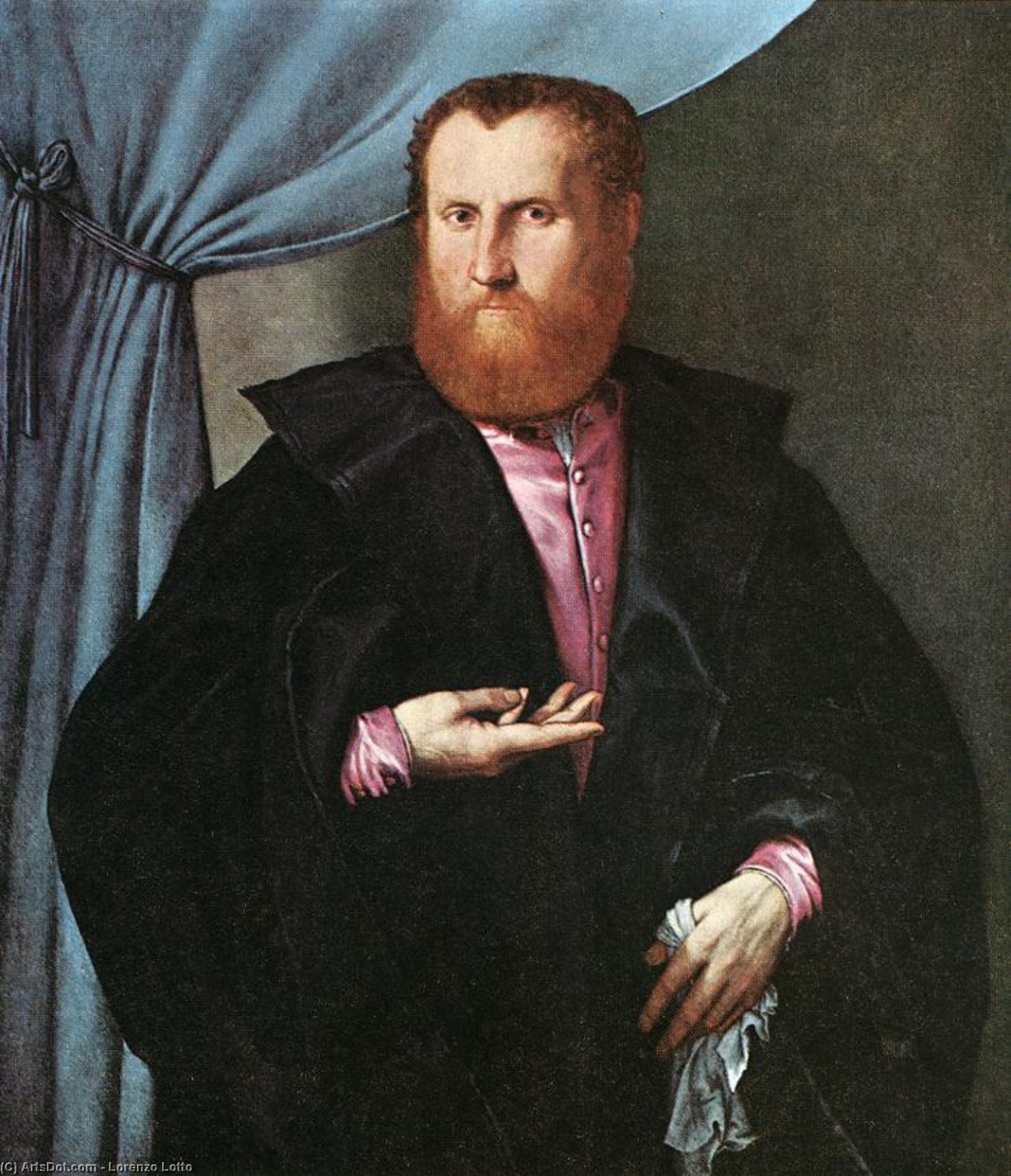
Portrait of a Man in Black Silk Cloak
 Acrylic
- WallArt
- High Renaissance
 1535
1535 94.0 x 82.0 cm
 Museum of Art
 Weiterlesen
Giclée / Kunstdruck
Giclée- oder Leinwanddruck in Museumsqualität mit schneller Produktion und flexiblen Veredelungsoptionen. ( Handgemalte Reproduktion bestellen Bild kaufen)




P118B $10

P118H $10

P118W $10

P438Z $10

P508JH $12

P508YH $12

P805H $10

P805Z $10

P919BZ $10

P919G $10

P919XJ $10

P959ZH $10

P968JZ $12

W106C $8

W218G $10

W218JH $8

W218Y $10

W307PJ $10

W316G $10

W316PJ $8

W316Y $10

W398PJ $8

W4111J $10

W500HY $15

W500JH $15

W692G $12

W849H $8

W940BG $15

W953PJ $8




Wählen Sie aus unseren vordefinierten Formaten, die den ursprünglichen Proportionen des Kunstwerks entsprechen.

Sie können Ihre eigenen Maße eingeben, um ein bestimmtes Format oder einen speziellen Platz einzupassen. Wenn das von Ihnen gewählte Format nicht den Proportionen des Originalbildes entspricht, werden wir das Kunstwerk entweder beschneiden oder das Bild mit einem gespiegelten oder einfarbigen Rand erweitern. Ein digitaler Entwurf wird Ihnen zur Genehmigung zugesandt, bevor die Produktion beginnt.
Bitte beachten Sie, dass die Vorschau auf dem Bildschirm nicht den tatsächlichen Zuschnitt oder die Erweiterung widerspiegelt. Nur der Entwurf zeigt die endgültige Komposition präzise an.
Obwohl Sondermaße verfügbar sind, empfehlen wir die Auswahl eines Maßes aus der vordefinierten Liste, um die ursprünglichen Proportionen zu bewahren.
Weltweiter Versand () innerhalb von 2 Wochen statt der üblichen 4/5 Wochen. (1 September)

Kostenloser weltweiter Expressversand

Hochwertige Leinenleinwand

Umfassender Versicherungsschutz beim Versand

Zollgebühren-Rückerstattungsgarantie

Garantie für exakte Farbtreue

60 Tage Rückgaberecht (nur bei Mängeln)

100% Geld-zurück-Garantie

Mengenrabatt verfügbar
 Die Glasoption ist nur für Größen unter 110 cm verfügbar.

Portrait of a Man in Black Silk Cloak
Giclée / Kunstdruck
Format der Reproduktion
-


Gesamtpreis
$ 62
Portrait of a Man in Black Silk Cloak – A Renaissance Masterpiece
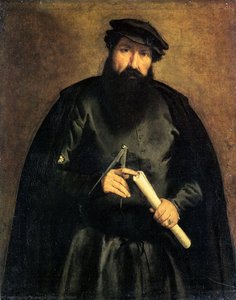
Lorenzo Lotto’s “Portrait of a Man in Black Silk Cloak,” painted circa 1535, stands as an exceptional testament to the artistic fervor of the High Renaissance and embodies the humanist ideals that defined the era. More than just a depiction of an individual, it's a profound exploration of human psychology—a skill Lotto perfected through meticulous observation and masterful execution—that continues to captivate viewers centuries later. Located in the New Orleans Museum of Art, this oil painting on canvas offers a glimpse into the artistic sensibilities of Venice during a period marked by intellectual curiosity and burgeoning patronage.- Subject Matter: The portrait portrays a gentleman dressed in black silk cloak, adorned with a pink lining. His gaze is direct, conveying an air of contemplation and subtly engaging the viewer’s attention—a hallmark of Lotto's psychological realism.
- Style & Technique: Lotto’s style distinguishes itself from its contemporaries through a blend of High Renaissance grace and nascent Mannerist sensibiliti. He employs loose brushstrokes to achieve remarkable dynamism, capturing not merely physical likeness but also an inner state of mind. The artist skillfully utilizes chiaroscuro—the dramatic interplay of light and shadow—to sculpt the figure’s form and imbue it with depth and emotion.
- Historical Context: Painted during a time when Venetian art flourished under papal patronage, Lotto's work reflects the humanist preoccupation with portraying human character accurately. The gentleman depicted embodies dignity and composure, aligning with the Renaissance belief in the importance of virtue and intellect.
- Symbolism: The black cloak itself carries symbolic weight—representing solemnity, piety, and perhaps even mourning—while the pink lining introduces a touch of warmth and vibrancy against the dark backdrop. Lotto’s use of color is deliberate, contributing to the overall mood and enhancing the portrait's expressive power.
- Emotional Impact: “Portrait of a Man in Black Silk Cloak” transcends mere visual representation; it invites contemplation on themes of identity, introspection, and human experience. Lotto’s ability to convey emotion through subtle gestures and facial expressions elevates the painting beyond a simple likeness into a timeless meditation on the human condition.
Exploring Lotto's Artistic Legacy
Lorenzo Lotto (1480-1556) emerged as a singular voice within the Venetian Renaissance, diverging from many of his peers who adhered to established artistic conventions. Unlike artists focused on idealized beauty or grand narratives, Lotto pursued an itinerant life—traveling between Treviso, Rome, Bergamo, and Ancona—allowing him to absorb diverse influences while nurturing an independent spirit. Although early training remains somewhat elusive, Lotto’s formative years undoubtedly included exposure to Giovanni Bellini's teachings, a pivotal figure in the Venetian school. Yet Lotto swiftly surpassed mere imitation, forging a distinctive style characterized by profound psychological insight and masterful technique.Rediscovering Lotto’s Vision – Recent Research & Insights
Recent scholarship has illuminated previously overlooked aspects of Lotto’s artistic practice, emphasizing his meticulous attention to detail and his innovative use of color palettes. Researchers have analyzed pigments and canvas preparation methods, uncovering evidence that suggests Lotto employed techniques far ahead of his time—a testament to his genius and a reminder of the enduring fascination surrounding this Venetian master. Furthermore, studies into Lotto's biographical details—including his monastic vocation in Loreto—have shed light on the profound impact of spirituality on his artistic worldview.Where to Find More Information
For deeper exploration of Lorenzo Lotto’s life and work, consider visiting these resources:Ähnliche Kunstwerke


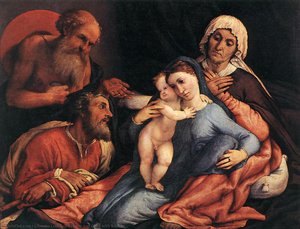
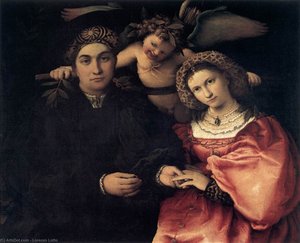
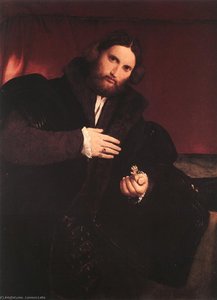
Über den Künstler
Frühes Leben und Ausbildung
Lorenzo Lotto, ein bedeutender italienischer Maler, Zeichner und Illustrator, wurde um 1480 in Venedig geboren. Sein frühes Leben und seine Ausbildung sind nicht gut dokumentiert, aber es wird angenommen, dass er von Giovanni Bellini beeinflusst war, einer führenden Figur der venezianischen Schule.Künstlerischer Stil und Einflüsse
Lottos Werk zeichnet sich durch eine einzigartige Mischung aus Hochrenaissance und Mannerismus aus. Seine Gemälde zeigen oft Altäre, religiöse Themen und Porträts, die seine technische Fertigkeit und emotionale Tiefe demonstrieren. Der Einfluss von Giorgio Vasaris Freund, Palma der Ältere, ist in Lottos frühen Werken erkennbar.Bemerkenswerte Werke und Standorte
- Jungfrau mit Kind und St. Hieronymus (1506) (National Gallery of Scotland, Edinburgh)
- Allegorie der Tugend und Laster (1505) (National Gallery of Art, Washington)
- St. Hieronymus in der Wüste (1500 oder 1506) (Louvre, Paris)
Karriere und Vermächtnis
Lottos Karriere erstreckte sich über mehrere Standorte, darunter Treviso, Rom und Bergamo. Er war ein respektierter Maler in Norditalien, aber seine Arbeit wurde in Venedig weitgehend übersehen. Lottos einzigartiger Stil, der giorgioneske Klassizismus mit Correggios dramatischen Setpieces vermischt, wurde in den letzten Jahren wiederentdeckt.Wichtige Kunstbewegungen und Einflüsse
Schlussfolgerung
Lorenzo Lottos bemerkenswerte Karriere, die durch seinen einzigartigen künstlerischen Stil und einflussreiche Werke gekennzeichnet ist, hat ihre bleibende Spur in der Welt der italienischen Renaissancekunst hinterlassen. Sein Vermächtnis inspiriert weiterhin Künstler und Kunstliebhaber gleichermaßen, wobei viele seiner Werke auf ArtsDot.com zu sehen sind.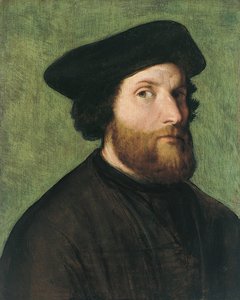
Lorenzo Lotto
1480 - 1556 , Italien
Kurzinfos
- Bemerkenswerte Kunstwerke:
- Jungfrau mit Kind und St. Hieronymus
- Allegorie von Tugend und Laster
- St. Hieronymus in der Wüste
- Geburtsdatum: 1480
- Geburtsort: Venedig, Italien
- Künstler, Die Diesen Künstler Beeinflussten:
- Giovanni Bellini
- Palma der Ältere
- Künstlerische Bewegung Oder Stil:
- Hochrenaissance
- Manierismus
- Nationalität: Italienisch
- Todatum: 1556
- Vollständiger Name: Lorenzo Lotto
- Von Diesem Künstler Beeinflusste Künstler Oder Bewegungen:
- Giorgionesque-Klassizismus
- Correggios dramatische Setzstücke
Ähnliche Artikel
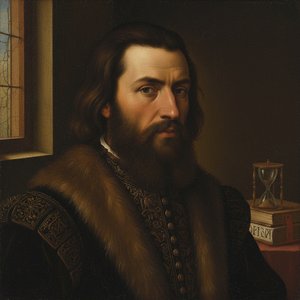
Lorenzo Lotto: Das Rätselhafte Porträt – Psychologie und Symbolik eines venezianischen Meisters
Entdecken Sie die faszinierende Welt von Lorenzo Lotto! Analysieren Sie mit uns die psychologische Tiefe und verborgene Symbolik seiner venezianischen Porträts. Kunstgeschichte für Kenner.

The Enduring Legacy of Oil on Canvas: Technique, History & Aesthetic Impact
Explore the rich history & techniques of oil painting – from Renaissance masters to Impressionism. Discover pigments, layering methods, and why this timeless medium endures. Expert insights for artists & art enthusiasts.
The Golden Light of Innovation: Exploring the Venetian Renaissance Art Movement (1430–1580)
Explore the Golden Age of Venetian art (1430–1580). Discover Giorgione, Titian & Tintoretto's techniques, the 'colorito' revolution, and lasting influence. Expert insights for collectors & enthusiasts.

Öl auf Leinwand: Eine historische und technische Erkundung eines zeitlosen künstlerischen Mediums
Entdecken Sie die faszinierende Welt der Ölmalerei! Von historischen Techniken bis zur modernen Anwendung – wir bieten Expertenwissen, Restaurierungstipps und hochwertige Reproduktionen. Jetzt informieren!

The Enduring Power of Painting: A Historical & Contemporary Exploration of Form and Emotion
Explore the rich history & enduring techniques of oil painting with ArtsDot. Discover masterpieces, learn about art collecting, and find authentic handmade reproductions crafted by skilled artists.