 Vorschau anzeigen
 Versenden
 Teilen
 Details anzeigen

 Herunterladen
 Ähnliche Objekte
 Röntgenaufnahme
 Diashow
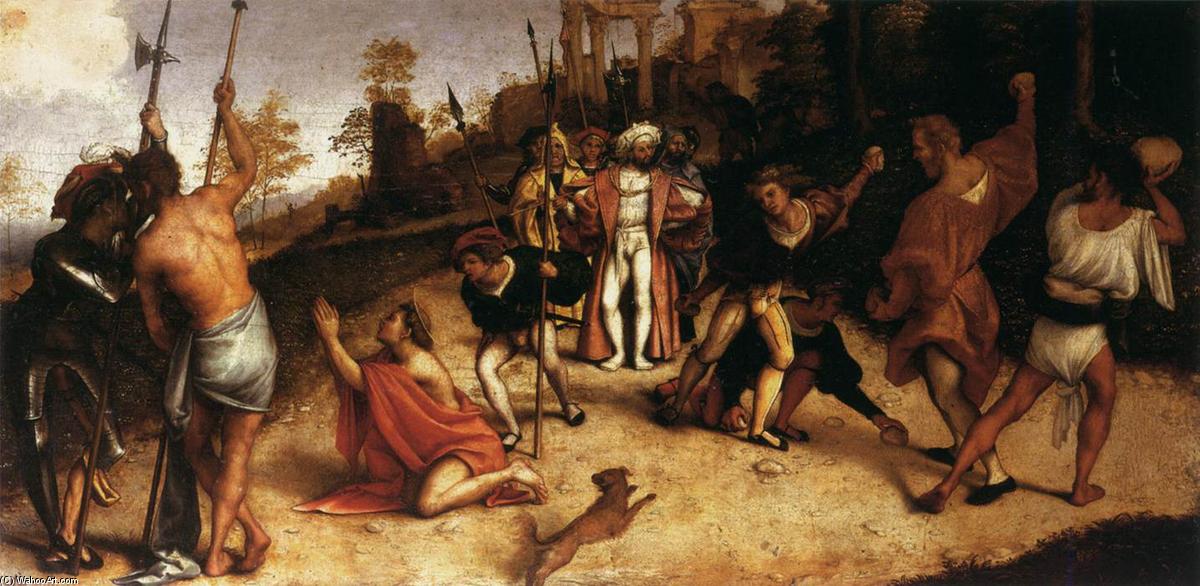
The Martyrdom of St Stephen
 Oil
Oil- WallArt
- High Renaissance
 1513
1513- Renaissance
 51.0 x 97.0 cm
 Accademia Carrara
 Weiterlesen
Giclée / Kunstdruck
Giclée- oder Leinwanddruck in Museumsqualität mit schneller Produktion und flexiblen Veredelungsoptionen. ( Handgemalte Reproduktion bestellen Bild kaufen)




































Wählen Sie aus unseren vordefinierten Formaten, die den ursprünglichen Proportionen des Kunstwerks entsprechen.

Sie können Ihre eigenen Maße eingeben, um ein bestimmtes Format oder einen speziellen Platz einzupassen. Wenn das von Ihnen gewählte Format nicht den Proportionen des Originalbildes entspricht, werden wir das Kunstwerk entweder beschneiden oder das Bild mit einem gespiegelten oder einfarbigen Rand erweitern. Ein digitaler Entwurf wird Ihnen zur Genehmigung zugesandt, bevor die Produktion beginnt.
Bitte beachten Sie, dass die Vorschau auf dem Bildschirm nicht den tatsächlichen Zuschnitt oder die Erweiterung widerspiegelt. Nur der Entwurf zeigt die endgültige Komposition präzise an.
Obwohl Sondermaße verfügbar sind, empfehlen wir die Auswahl eines Maßes aus der vordefinierten Liste, um die ursprünglichen Proportionen zu bewahren.
Weltweiter Versand () innerhalb von 2 Wochen statt der üblichen 4/5 Wochen. (3 September)

Kostenloser weltweiter Expressversand

Hochwertige Leinenleinwand

Umfassender Versicherungsschutz beim Versand

Zollgebühren-Rückerstattungsgarantie

Garantie für exakte Farbtreue

60 Tage Rückgaberecht (nur bei Mängeln)

100% Geld-zurück-Garantie

Mengenrabatt verfügbar
 Die Glasoption ist nur für Größen unter 110 cm verfügbar.

The Martyrdom of St Stephen
Giclée / Kunstdruck
Format der Reproduktion
-


Gesamtpreis
$ 62
A Vision of Devotion and Violence
In the profound and turbulent masterpiece The Martyrdom of St. Stephen, painted in 1513, Lorenzo Lotto invites the viewer into a moment of harrowing spiritual transition. The canvas captures the precise, agonizing instant of the first Christian martyr's death, as he is subjected to the brutal ritual of stoning. Unlike many contemporary works that focus solely on the divine light of heaven, Lotto grounds this sacred event in a visceral, earthly reality. The scene unfolds before a classical structure, perhaps a temple or an early church, where the architectural columns serve as silent witnesses to the unfolding tragedy. Within this composition, thirteen figures are intricately woven into a tapestry of conflict; some stand with weapons drawn, while others kneel in various states of fervor or grief, creating a complex human drama that transcends mere religious illustration.
The atmosphere is thick with an almost palpable tension, achieved through Lotto’s masterful command of the High Renaissance style blended with early Mannerist sensibilities. The artist does not shy away from the chaotic energy of the crowd; instead, he uses it to heighten the emotional stakes. Amidst the swirling movement of the attackers, subtle details emerge to ground the narrative in a lived-in world—the presence of two dogs and a solitary bird in the background offer a poignant contrast between the innocent natural world and the violent human struggle. This juxtaposition serves to deepen the viewer's connection to the scene, making the martyrdom feel not like a distant myth, but a heavy, breathing event occurring within the very fabric of existence.
The Mastery of the Venetian Wanderer
To understand the technical brilliance of this work, one must consider the unique journey of its creator, Lorenzo Lotto. A true wanderer of the Italian Renaissance, Lotto moved far beyond the established shadows of Venice, bringing a distinctive, emotive psychological depth to his subjects that set him apart from masters like Bellini or Titian. In The Martyrdom of St. Stephen, his technique is evident in the way light and shadow dance across the agitated figures, highlighting the glint of swords and the texture of shields. His ability to balance the grand scale of a religious epic with intimate, almost nervous energy is what makes this piece so captivating for the modern eye.
For collectors and interior designers, this painting offers more than just historical significance; it provides a profound focal point for any sophisticated space. The work’s rich palette and dramatic composition make it an ideal centerpiece for those looking to introduce a sense of history, gravity, and intellectual depth into a room. Whether displayed in a private gallery or as a statement piece in a curated living space, a high-quality reproduction of this Lotto masterpiece brings with it the enduring spirit of the Renaissance—a reminder of the eternal struggle between faith and persecution, and the breathtaking beauty found within the most turbulent moments of human history.
Ähnliche Kunstwerke
Über den Künstler
Frühes Leben und Ausbildung
Lorenzo Lotto, ein bedeutender italienischer Maler, Zeichner und Illustrator, wurde um 1480 in Venedig geboren. Sein frühes Leben und seine Ausbildung sind nicht gut dokumentiert, aber es wird angenommen, dass er von Giovanni Bellini beeinflusst war, einer führenden Figur der venezianischen Schule.Künstlerischer Stil und Einflüsse
Lottos Werk zeichnet sich durch eine einzigartige Mischung aus Hochrenaissance und Mannerismus aus. Seine Gemälde zeigen oft Altäre, religiöse Themen und Porträts, die seine technische Fertigkeit und emotionale Tiefe demonstrieren. Der Einfluss von Giorgio Vasaris Freund, Palma der Ältere, ist in Lottos frühen Werken erkennbar.Bemerkenswerte Werke und Standorte
- Jungfrau mit Kind und St. Hieronymus (1506) (National Gallery of Scotland, Edinburgh)
- Allegorie der Tugend und Laster (1505) (National Gallery of Art, Washington)
- St. Hieronymus in der Wüste (1500 oder 1506) (Louvre, Paris)
Karriere und Vermächtnis
Lottos Karriere erstreckte sich über mehrere Standorte, darunter Treviso, Rom und Bergamo. Er war ein respektierter Maler in Norditalien, aber seine Arbeit wurde in Venedig weitgehend übersehen. Lottos einzigartiger Stil, der giorgioneske Klassizismus mit Correggios dramatischen Setpieces vermischt, wurde in den letzten Jahren wiederentdeckt.Wichtige Kunstbewegungen und Einflüsse
Schlussfolgerung
Lorenzo Lottos bemerkenswerte Karriere, die durch seinen einzigartigen künstlerischen Stil und einflussreiche Werke gekennzeichnet ist, hat ihre bleibende Spur in der Welt der italienischen Renaissancekunst hinterlassen. Sein Vermächtnis inspiriert weiterhin Künstler und Kunstliebhaber gleichermaßen, wobei viele seiner Werke auf ArtsDot.com zu sehen sind.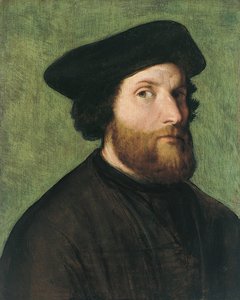
Lorenzo Lotto
1480 - 1556 , Italien
Kurzinfos
- Bemerkenswerte Kunstwerke:
- Jungfrau mit Kind und St. Hieronymus
- Allegorie von Tugend und Laster
- St. Hieronymus in der Wüste
- Geburtsdatum: 1480
- Geburtsort: Venedig, Italien
- Künstler, Die Diesen Künstler Beeinflussten:
- Giovanni Bellini
- Palma der Ältere
- Künstlerische Bewegung Oder Stil:
- Hochrenaissance
- Manierismus
- Nationalität: Italienisch
- Todatum: 1556
- Vollständiger Name: Lorenzo Lotto
- Von Diesem Künstler Beeinflusste Künstler Oder Bewegungen:
- Giorgionesque-Klassizismus
- Correggios dramatische Setzstücke
Ähnliche Artikel
Lorenzo Lotto: Das Rätselhafte Porträt – Psychologie und Symbolik eines venezianischen Meisters
Entdecken Sie die faszinierende Welt von Lorenzo Lotto! Analysieren Sie mit uns die psychologische Tiefe und verborgene Symbolik seiner venezianischen Porträts. Kunstgeschichte für Kenner.

Jacopo Tintoretto: Die 25 Meisterwerke des venezianischen Dramatikers | ArtsDot
Entdecken Sie die 25 Meisterwerke von Jacopo Tintoretto! Tauchen Sie ein in die dramatische Welt der venezianischen Renaissance. Hochwertige Kunst-Reproduktionen & Inspiration für Ihr Zuhause – jetzt auf ArtsDot.com.
Vittore Carpaccio: Venezianische Renaissance und die Poetik des Details
Entdecken Sie die faszinierende Welt Vittore Carpaccios! Analysieren Sie mit uns seine einzigartige venezianische Renaissance-Malerei, den St.-Georgs-Zyklus und seinen Einfluss auf die Kunstgeschichte. Expertenwissen & Detailreichtum.

El Greco: Die 25 Meisterwerke – Kunst für Ihr Zuhause | ArtsDot
Entdecken Sie die 25 bedeutendsten Meisterwerke von El Greco! Erleben Sie die spirituelle Tiefe und den dramatischen Stil des griechischen Malers. Hochwertige Kunstdrucke & Inspiration für Ihr Zuhause auf ArtsDot.com.
The Golden Light of Innovation: Exploring the Venetian Renaissance Art Movement (1430–1580)
Explore the Golden Age of Venetian art (1430–1580). Discover Giorgione, Titian & Tintoretto's techniques, the 'colorito' revolution, and lasting influence. Expert insights for collectors & enthusiasts.