 Vorschau anzeigen
 Versenden
 Teilen
 Details anzeigen

 Herunterladen
 Ähnliche Objekte
 Röntgenaufnahme
 Diashow
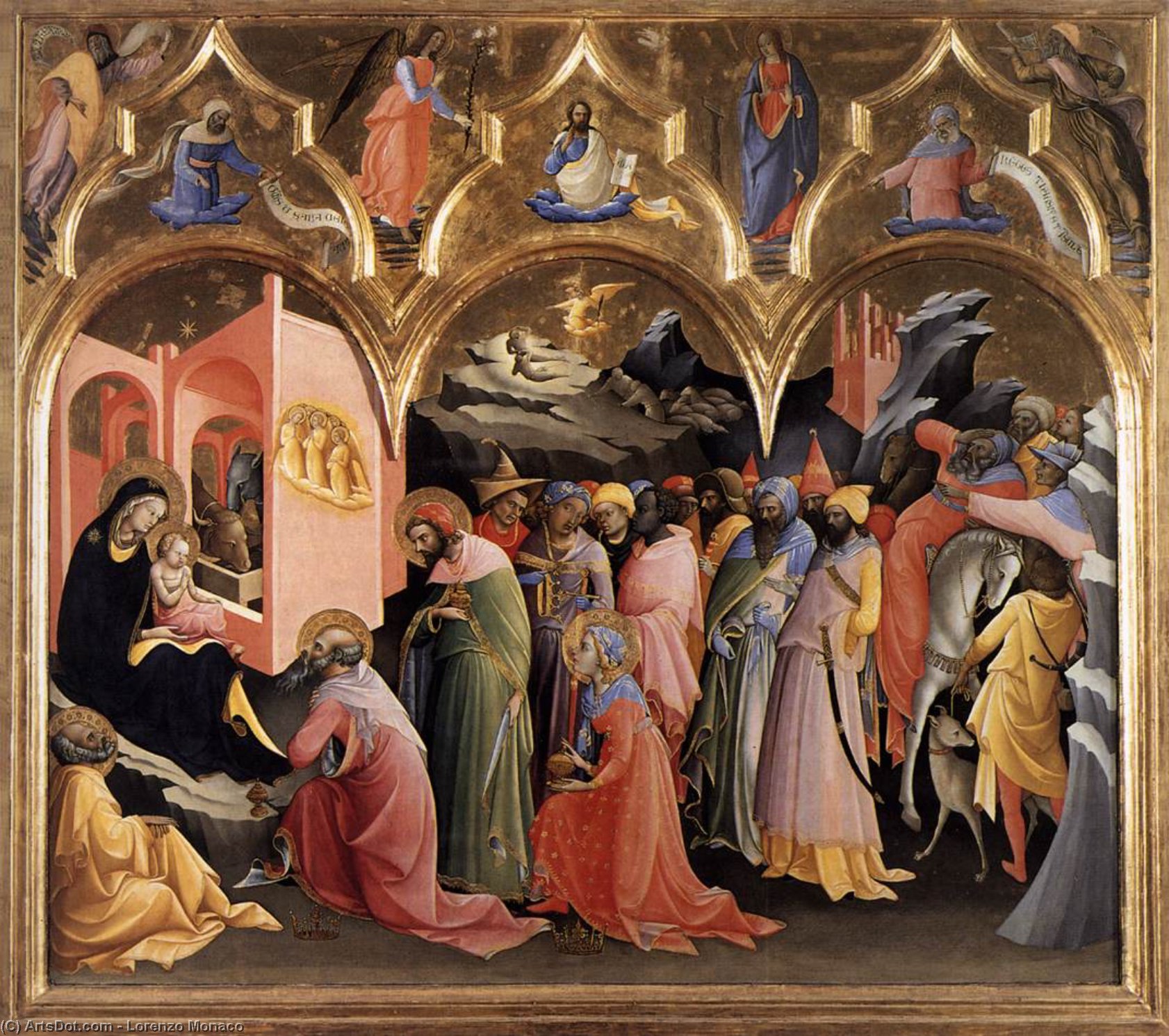
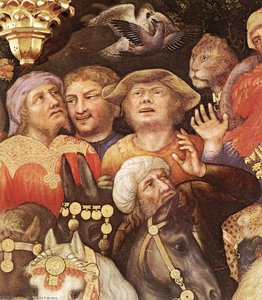
Adoration of the Magi
 Late Gothic
 1422
1422 115.0 x 177.0 cm
 Galleria degli Uffizi
 Weiterlesen
Handgefertigte Ölreproduktion
Handgemaltes Ölgemälde auf Leinwand in Ihrer Wunschgröße und mit Rahmen, auf Bestellung von unseren Künstlern angefertigt. ( Druck bestellen Bild kaufen)




P118B $10

P118H $10

P118W $10

P438Z $10

P508JH $12

P508YH $12

P805H $10

P805Z $10

P919BZ $10

P919G $10

P919XJ $10

P959ZH $10

P968JZ $12

W106C $8

W218G $10

W218JH $8

W218Y $10

W307PJ $10

W316G $10

W316PJ $8

W316Y $10

W398PJ $8

W4111J $10

W500HY $15

W500JH $15

W692G $12

W849H $8

W940BG $15

W953PJ $8




Wählen Sie aus unseren vordefinierten Formaten, die den ursprünglichen Proportionen des Kunstwerks entsprechen.

Sie können Ihre eigenen Maße eingeben, um einen bestimmten Rahmen oder Platz auszufüllen. Wenn die gewählte Größe nicht den Proportionen des Originalbildes entspricht, werden wir das Kunstwerk entweder beschneiden oder das Gemälde durch zusätzliche, handgemalte Elemente erweitern. Ein digitales Mockup wird Ihnen zur Genehmigung zugesandt, bevor die Produktion beginnt.
Bitte beachten Sie, dass die Bildschirmvorschau nicht die tatsächliche Beschneidung oder Erweiterung widerspiegelt. Nur das Mockup zeigt die endgültige Komposition exakt an.
Obwohl Sondermaße verfügbar sind, empfehlen wir, eine Größe aus der vordefinierten Liste zu wählen, um die ursprünglichen Proportionen beizubehalten.
Nach der Bestellung wird das ArtsDot.com-Team dem Kunden Anweisungen per E-Mail zusenden und eine Mockup-Vorschau bereitstellen.
Weltweiter Versand () in nur 3 bis 4 Wochen statt der üblichen 5 Wochen. (23 August). Keine Kompromisse bei der Qualität.

Kostenloser weltweiter Expressversand

Hochwertige Leinenleinwand

Umfassender Versicherungsschutz beim Versand

Zollgebühren-Rückerstattungsgarantie

Garantie für exakte Farbtreue

60 Tage Rückgaberecht (nur bei Mängeln)

100% Geld-zurück-Garantie

Mengenrabatt verfügbar
 Die Glasoption ist nur für Größen unter 110 cm verfügbar.

Adoration of the Magi
Art der Reproduktion
Format der Reproduktion
-


Gesamtpreis
$ 538
Beschreibung des Kunstwerks
A Glimpse of Divinity: Lorenzo Monaco’s ‘Adoration of the Magi’
Lorenzo Monaco's “Adoration of the Magi,” painted in 1422, isn’t merely a depiction of a biblical scene; it’s a profound meditation on faith, humility, and the arrival of divine grace. This panel painting, now residing within the Uffizi Gallery in Florence, offers a captivating window into the late Gothic period – a time when artistic expression was deeply intertwined with spiritual contemplation. Monaco, a Florentine monk who embraced a life of monastic devotion, imbued this work with an introspective quality rarely seen in contemporary art, reflecting his own contemplative existence.
The scene unfolds within a meticulously rendered architectural setting, reminiscent of the austere beauty of early Gothic churches. The composition is remarkably complex, teeming with figures arranged within a carefully constructed space – a building with arched windows and a courtyard. At its heart lies the kneeling Magi, resplendent in rich fabrics and adorned with symbols of their wisdom: gold for knowledge, frankincense for divinity, and myrrh for immortality. Above them, angelic figures engage in a flurry of activity, adding to the dynamic energy of the scene. The background features a stylized landscape—mountains shrouded in clouds—a testament to Monaco’s masterful use of perspective, albeit within the limitations of the period.
The Monk's Vision: Style and Technique
Monaco’s style is distinctly Gothic, yet subtly anticipates the burgeoning Renaissance. He skillfully balances realism with symbolic representation, creating a work that is both visually arresting and deeply meaningful. The figures are elongated and graceful, characteristic of the Gothic tradition, but their expressions convey a sense of reverence and humility rarely found in earlier depictions of religious subjects. Linear precision dominates—defining architectural elements and outlining figures with sharp contours—while shapes are largely defined by rectangular forms – buildings, robes, and faces – combined with rounded shapes for drapery and bodies. Texture is achieved through meticulous detailing, layering paint to create a rich tapestry of color and form.
The painting’s technique reveals Monaco's mastery of tempera on wood panel. The use of glazing—applying thin layers of translucent paint over dried underlayers—creates luminous effects and imbues the colors with an almost ethereal quality. Notice, particularly, the way light seems to emanate from a central source, illuminating the foreground figures while casting dramatic shadows that add depth and volume. This careful manipulation of light and shadow is crucial to the painting’s emotional impact.
Symbolism and Narrative Depth
Beyond its visual beauty, “Adoration of the Magi” is rich in symbolic meaning. The gifts presented by the Magi—gold, frankincense, and myrrh—represent not only their wealth and status but also fundamental aspects of faith: wisdom, divinity, and immortality. The diverse attire and ethnicities of the Magi themselves speak to the universality of Christ’s message – a message that transcends cultural boundaries. The presence of angels further emphasizes the divine nature of the event, while the architectural setting evokes a sense of sacred space.
Interestingly, Monaco subtly incorporates elements of the pagan world into the composition. The ruins in the background—a possible reference to ancient Roman structures—symbolize the triumph of Christianity over paganism. This juxtaposition highlights the painting’s central theme: the arrival of a new era of faith and hope.
A Legacy of Spiritual Art
Lorenzo Monaco's “Adoration of the Magi” stands as a testament to his artistic vision and spiritual depth. It is a work that transcends its historical context, continuing to resonate with viewers today through its beauty, symbolism, and emotional power. Reproductions capture only a fraction of the original’s luminous quality and intricate detail, but offer a valuable opportunity to experience this masterpiece of late Gothic art. Its enduring appeal lies in its ability to evoke a sense of wonder, reverence, and contemplation—a reminder of the profound mysteries at the heart of human faith.
Ähnliche Kunstwerke
Über den Künstler
Frühes Leben und Ausbildung
- Geboren: Siena, Italien (ca. 1370)
- Gestorben: ca. 1425
- Über Lorenzo Monacos frühes Leben ist wenig bekannt, außer dass er in Florenz eine Lehre absolvierte.
- Er wurde von den Werken Giottos und seinen Anhängern Spinello Aretino und Agnolo Gaddi beeinflusst. Diese Erfahrungen prägten seine künstlerische Entwicklung.
Künstlerisches Schaffen und Stil
- Im Jahr 1390 trat Lorenzo dem Camaldenserkloster Santa Maria degli Angeli bei und wurde als "Laurentius der Mönch" bekannt.
- Seine frühen Werke (1390er Jahre) zeigen einen starken Einfluss des Internationalen Gotischen Stils, zusammen mit Einflüssen von Lorenzo Ghiberti und Gherardo Starnina.
- Monacos Stil ist gekennzeichnet durch:
- Spannte Linearität
- Anfänglich eine kalte Farbpalette
- Später die Übernahme von Elementen des Internationalen Gotischen Stils
- Lange Figuren mit geschwungenen Gewändern
- Scharfe Kanten und leuchtende Farben (Gold und Lapislazuli)
- Angedeutete Gesten und ein minimiertes Raumgefühl
- Er stellte konsequent Bilder mit starkem spirituellen Wert dar, oft losgelöst vom Realismus.
Hauptwerke
- Pietà: Im Galleria dell'Accademia in Florenz ausgestellt – Zeigt nervöse Linien und emotionale Spannung.
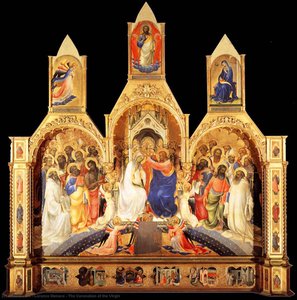
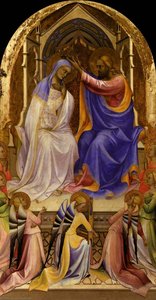
- Krönung der Jungfrau: Jetzt im Uffizien – Enthält eine große Anzahl von Heiligen mit geschwungenen Formen und leuchtenden Farben.
- Monteoliveto-Altarbild: In der Galleria dell'Accademia – Zeigt eine Spiritualität, die an Fra Angelico erinnert.
- Anbetung der Könige (1420–1422): Die Vereinfachungen wirken surreal aufgrund des Fehlens geometrischer Perspektive, behalten aber eine hohe bildliche Qualität bei.
- Geschichten der Jungfrau in der Bartolini Salimbeni Kapelle: Eines seiner wenigen Fresken.
Einflüsse und Vermächtnis
- Monacos Werk wurde von Giotto, Spinello Aretino, Agnolo Gaddi, Lorenzo Ghiberti und Gherardo Starnina beeinflusst.
- Er blieb weitgehend unbeeinflusst von den Innovationen Masacios und Filippos Brunelleschis und behielt seinen unverwechselbaren Stil bei.
- Giorgio Vasari nahm eine Biographie Monacos in seine "Leben" auf und erwähnte seinen Tod an einer nicht identifizierten Infektion.
- Trotz begrenzter biographischer Informationen sind Lorenzo Monacos Beiträge zur spätgotischen-frühen Renaissancekunst bedeutend. Seine einzigartige Mischung aus Stilen und sein spiritueller Fokus hinterließen einen bleibenden Eindruck auf nachfolgende Künstler.
Historische Bedeutung
- Gilt als der letzte wichtige Vertreter des Giotto-Stils vor der Renaissance-Revolution.
- Überbrückte die Kluft zwischen den spätgotischen Traditionen und den aufkommenden künstlerischen Prinzipien der Renaissance.
- Sein Schwerpunkt auf Spiritualität und stilisierte Formen stellen eine besondere Ästhetik innerhalb der florentinischen Malerei dar.
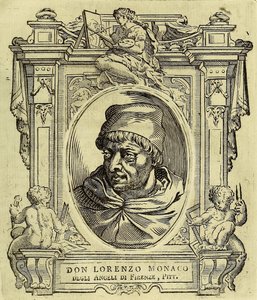
Lorenzo Monaco
1370 - 1425 , Italien
Kurzinfos
- Beeinflusste Künstler:
- Giotto
- Spinello Aretino
- Bemerkenswerte Werke:
- Pietà
- Verkündigung Mariä
- Anbetung der Könige
- Geburtsdatum: ca. 1370
- Geburtsort: Siena, Italien
- Künstlerischer Stil: Spätgotik-Frührenaissance
- Nationalität: Italiener
- Sterbedatum: ca. 1425
- Vollständiger Name: Lorenzo Monaco
- Von Künstlern Beeinflusst:
- Masaccio
- Brunelleschi
Ähnliche Artikel
The Radiant Dusk of Medieval Vision: Exploring Late Gothic Art's Synthesis of Faith, Form & Emotionality (c. 1300-1500)
Explore the exquisite beauty & spiritual depth of Late Gothic art (c. 1300-1500). Discover key artists, symbolism, and its lasting influence on the Renaissance. Expert insights at ArtsDot.
Beyond Borders: The Spiritual & Stylistic Innovations of International Gothic Art
Explore the exquisite beauty & spiritual depth of International Gothic art. Discover key artists like Simone Martini & Pol de Limbourg, its origins, symbolism, and lasting influence on European painting. Expert insights at ArtsDot.
The Shadow of Faith: Exploring Gothic Art's Spiritual Intensity & Architectural Innovation
Explore the spiritual intensity & architectural innovation of Gothic art! Discover the symbolism behind cathedrals, stained glass & master artists like Giotto and Monet. A deep dive into medieval history & artistic expression.
Illuminating the Fourteenth Century: Art, Innovation & Enduring Legacies (1300-1400)
Explore the transformative art of the 14th century! Discover Gothic masterpieces, International Style innovations, and the precursors to the Renaissance. Expert insights & historical context at ArtsDot.
Benozzo Gozzoli: Renaissance-Innovation und säkularer Humanismus in Florenz
Entdecken Sie Benozzo Gozzolis revolutionäre Renaissance-Malerei! Analysieren Sie seine Fresken in Florenz, seinen säkularen Humanismus und seinen Einfluss auf die Kunstgeschichte. Expertenwissen von ArtsDot.