

 Vorschau anzeigen
 Versenden
 Teilen
 Details anzeigen

 Herunterladen
 Ähnliche Objekte
 Röntgenaufnahme
 Diashow
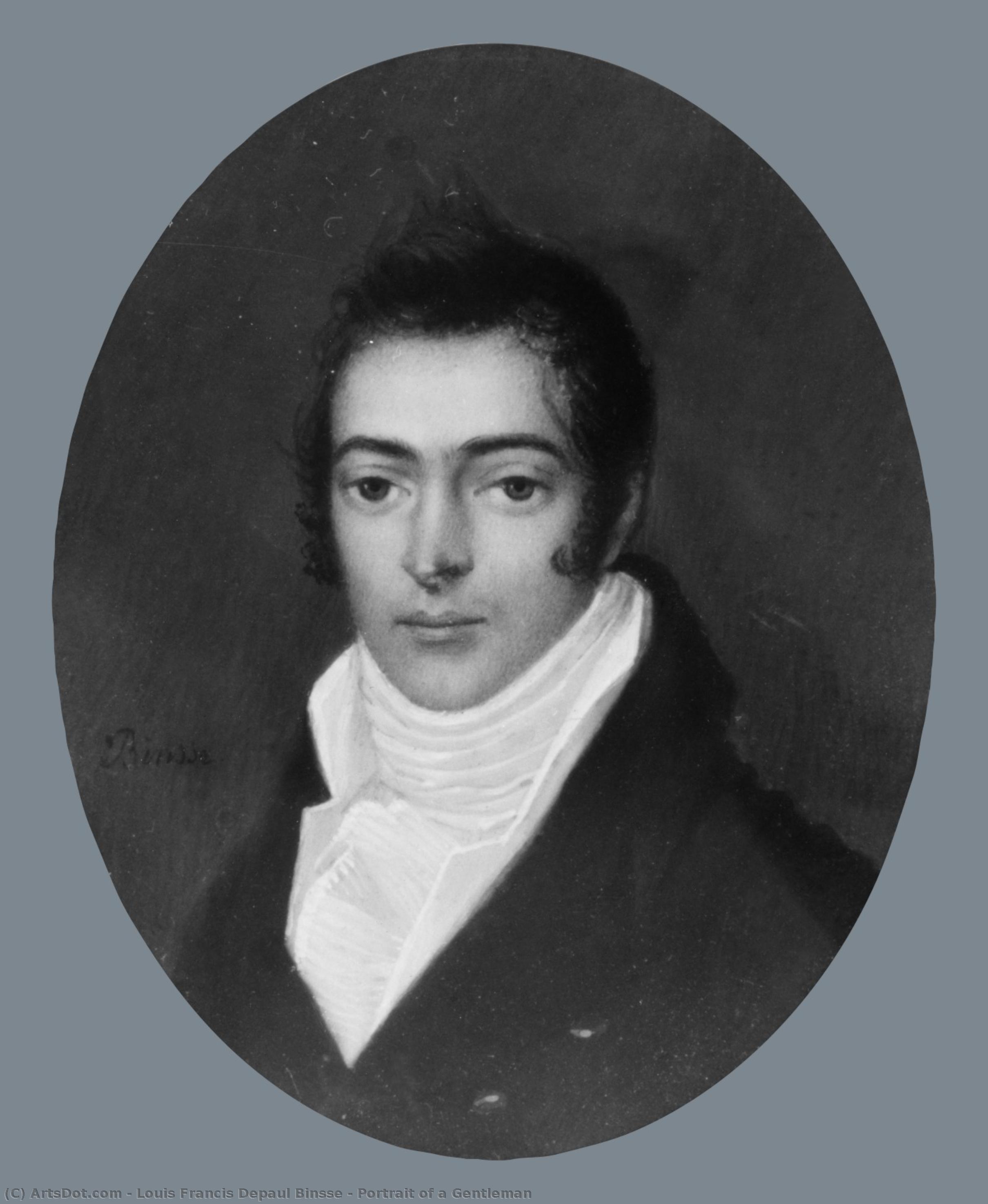
Portrait of a Gentleman
 1810
1810 7.0 x 6.0 cm
 Weiterlesen
Erwerben Sie ein hochauflösendes, optimiertes digitales Bild, das der Online-Vorschau weit überlegen ist.
Jede Datei wird von unseren hauseigenen Spezialisten mit modernsten Werkzeugen und fachmännischer manueller Retusche sorgfältig vorbereitet. Wir stellen sicher, dass jedes Bild eine außergewöhnliche Klarheit, präzise Farbgenauigkeit und feinste Details aufweist.
Die endgültige Datei wird innerhalb von 72 Stunden per E-Mail zugestellt und ist für den sofortigen Einsatz in professionellen, redaktionellen und Druckumgebungen optimiert. Es handelt sich um dieselbe Qualität, der führende Designstudios, Verlage und Galerien vertrauen.
Digitales Bild
Laden Sie eine hochauflösende Datei für die persönliche Präsentation, den Druck und kreative Projekte herunter. ( Druck bestellen Handgemalte Reproduktion bestellen)
In jeder Bestellung digitaler Bilder enthalten
Professionelle digitale Bereitstellung, garantiert
Wenn Sie sich für ArtsDot.com entscheiden, erhalten Sie nicht nur ein Bild – Sie erhalten ein professionell aufbereitetes digitales Kunstwerk, das mit höchster Präzision erstellt und durch eine Zufriedenheitsgarantie abgesichert wird. Hier ist alles, was automatisch mit Ihrer Bestellung geliefert wird:

Schnelle E-Mail-Zustellung
Ihre hochauflösende digitale Bilddatei wird Ihnen innerhalb von 72 Stunden nach der Bestellung per E-Mail zugestellt – bereit zur sofortigen Verwendung.

KI-optimierte digitale Datei
Ihre Kunstwerke werden professionell mithilfe fortschrittlicher KI-Tools und manueller Bearbeitung optimiert, um maximale Detailtreue, Klarheit und Farbgenauigkeit zu gewährleisten.

Lebenslanger kostenloser Neudruckservice
Datei versehentlich gelöscht oder verloren? Keine Sorge – wir senden sie Ihnen jederzeit kostenlos erneut zu.

Keine Einfuhrgebühren – jemals
Genießen Sie Ihr Kunstwerk sofort ohne Zollgebühren, Einfuhrabgaben oder Versandkosten – digitale Downloads sind immer steuerfrei.

Garantierte Farbtreue
Wir garantieren, dass Ihr digitales Bild mithilfe professioneller Werkzeuge und Farbmanagement die Originalfarben so präzise wie möglich wiedergibt.

60-Tage-Zufriedenheitsgarantie
Sollten Sie mit Ihrem digitalen Bild nicht zufrieden sein, werden wir es überarbeiten oder Ihnen innerhalb von 60 Tagen 100% erstatten – ohne Wenn und Aber.

100% Geld-zurück-Garantie
Nicht zufrieden? Erhalten Sie innerhalb von 60 Tagen nach Erhalt Ihrer digitalen Datei eine vollständige Rückerstattung – ohne Angabe von Gründen.

Rabatte bei Großbestellungen
3 Bilder kaufen, 10% sparen – 5 Bilder kaufen, 15% sparen – Ab 10 Bildern 20% sparen. Ideal für kreative Projekte, Galerien und Agenturen.
Ähnliche Kunstwerke








Biografie des Künstlers
A Delicate Hand: The Life and Art of Louis Francis Depaul Binsse
Louis Francis Depaul Binsse, a name perhaps less celebrated than some of his contemporaries, nevertheless occupies a fascinating niche in the world of early 19th-century French art. Born in Paris in 1774, Binsse dedicated himself to the intimate and refined arts of miniature and watercolor painting—a pursuit that reflected both the aristocratic tastes lingering from the Ancien Régime and the burgeoning Romantic sensibility beginning to take hold. While biographical details remain somewhat sparse, we know he flourished during a period of immense social and political upheaval, navigating the transition from the opulence of pre-revolutionary France through the Napoleonic era and beyond. His life, though not extensively documented, appears to have been one devoted to capturing the likenesses and fleeting moments of his time with remarkable skill and sensitivity.Early Career and Artistic Influences
Binsse’s artistic formation likely occurred within the established Parisian art circles, although specific teachers or formal training remain unconfirmed. The prevailing aesthetic climate of late 18th-century France heavily influenced his early work. The Rococo style, with its emphasis on delicate ornamentation and pastel hues, undoubtedly played a role in shaping his initial approach. However, Binsse’s paintings also reveal an awareness of the emerging Neoclassical movement, particularly in their clarity of line and attention to anatomical detail. He was not merely replicating existing styles; rather, he synthesized them into a uniquely personal expression. The influence of artists like Jean-Baptiste Greuze, known for his realistic portraiture, can be detected in Binsse’s commitment to capturing the individual character of his sitters. His early career coincided with a growing demand for smaller, more intimate portraits—a trend fueled by both economic realities and changing social preferences. Miniatures, in particular, became fashionable as keepsakes and tokens of affection, allowing individuals to carry cherished images of loved ones close at hand.A Portraitist of an Era
Binsse’s primary focus was portraiture, executed with a remarkable degree of finesse in both miniature and watercolor. His surviving works—such as the ‘Portrait of a Gentleman’ from 1810—demonstrate his mastery of technique and his ability to convey not only physical resemblance but also a sense of personality and inner life. He possessed an exceptional talent for rendering textures, capturing the sheen of silk, the warmth of skin tones, and the subtle play of light and shadow. His watercolors are particularly notable for their delicate washes and luminous quality. Beyond formal portraits, Binsse also created scenes depicting everyday life, offering glimpses into the customs and fashions of his era. Interestingly, documentation reveals a period where he served the French government in Haiti under Vicomte de Rochambeau before fleeing the island in 1806—an experience that likely broadened his perspective and may have subtly informed his artistic vision. This episode adds a layer of complexity to his biography, suggesting a life beyond the confines of the Parisian studio.Legacy and Historical Significance
Although Binsse did not achieve widespread fame during his lifetime, his work provides valuable insights into the art and society of early 19th-century France. His paintings offer a window into the lives of the individuals who commissioned them—members of the bourgeoisie, minor nobility, and perhaps even those connected to the political spheres of the time. His dedication to miniature painting helped preserve this art form during a period of transition, ensuring its continued relevance in an era increasingly dominated by larger-scale canvases. Binsse’s legacy lies not in groundbreaking innovation but in his exceptional skill and sensitivity as a portraitist. He was a master craftsman who captured the essence of his sitters with remarkable precision and grace. Today, his works are appreciated for their technical brilliance, historical significance, and enduring beauty—a testament to the power of delicate artistry in a turbulent age. His paintings serve as poignant reminders of a bygone era, offering glimpses into the lives, fashions, and sensibilities of those who lived through a period of profound change.
Louis Francis Depaul Binsse
1774 - 1844

