 Vorschau anzeigen
 Versenden
 Teilen
 Details anzeigen

 Herunterladen
 Ähnliche Objekte
 Röntgenaufnahme
 Diashow
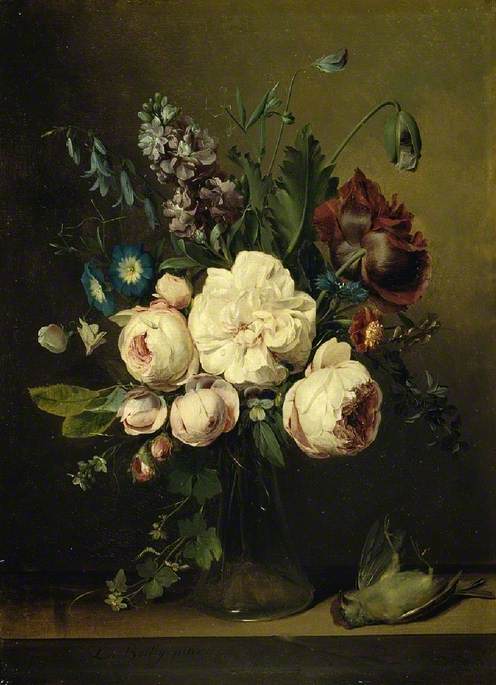
A Vase of Flowers
 Oil On Canvas
- WallArt
- Neoclassicism
 46.0 x 34.0 cm
 Fitzwilliam-Museum
 Weiterlesen
Giclée / Kunstdruck
Giclée- oder Leinwanddruck in Museumsqualität mit schneller Produktion und flexiblen Veredelungsoptionen. ( Handgemalte Reproduktion bestellen Bild kaufen)




P118B $10

P118H $10

P118W $10

P438Z $10

P508JH $12

P508YH $12

P805H $10

P805Z $10

P919BZ $10

P919G $10

P919XJ $10

P959ZH $10

P968JZ $12

W106C $8

W218G $10

W218JH $8

W218Y $10

W307PJ $10

W316G $10

W316PJ $8

W316Y $10

W398PJ $8

W4111J $10

W500HY $15

W500JH $15

W692G $12

W849H $8

W940BG $15

W953PJ $8




Wählen Sie aus unseren vordefinierten Formaten, die den ursprünglichen Proportionen des Kunstwerks entsprechen.

Sie können Ihre eigenen Maße eingeben, um ein bestimmtes Format oder einen speziellen Platz einzupassen. Wenn das von Ihnen gewählte Format nicht den Proportionen des Originalbildes entspricht, werden wir das Kunstwerk entweder beschneiden oder das Bild mit einem gespiegelten oder einfarbigen Rand erweitern. Ein digitaler Entwurf wird Ihnen zur Genehmigung zugesandt, bevor die Produktion beginnt.
Bitte beachten Sie, dass die Vorschau auf dem Bildschirm nicht den tatsächlichen Zuschnitt oder die Erweiterung widerspiegelt. Nur der Entwurf zeigt die endgültige Komposition präzise an.
Obwohl Sondermaße verfügbar sind, empfehlen wir die Auswahl eines Maßes aus der vordefinierten Liste, um die ursprünglichen Proportionen zu bewahren.
Weltweiter Versand () innerhalb von 2 Wochen statt der üblichen 4/5 Wochen. (27 August)

Kostenloser weltweiter Expressversand

Hochwertige Leinenleinwand

Umfassender Versicherungsschutz beim Versand

Zollgebühren-Rückerstattungsgarantie

Garantie für exakte Farbtreue

60 Tage Rückgaberecht (nur bei Mängeln)

100% Geld-zurück-Garantie

Mengenrabatt verfügbar
 Die Glasoption ist nur für Größen unter 110 cm verfügbar.

A Vase of Flowers
Giclée / Kunstdruck
Format der Reproduktion
-


Gesamtpreis
$ 62
Sammlerstück-Beschreibung
A Vase of Flowers by Louis Léopold Boilly: A Window into Parisian Life
Louis Léopold Boilly’s “A Vase of Flowers,” painted around 1800, isn't merely a still life; it’s a meticulously crafted snapshot of early 19th-century Parisian society. More than just a beautiful arrangement of blooms, the painting offers a glimpse into the refined tastes and social dynamics of the era, rendered with an astonishing level of detail and a subtle yet powerful sense of realism. Boilly, a master of trompe-l’œil and portraiture, expertly blends these techniques to create a scene that feels both utterly lifelike and subtly staged – inviting us into a private moment within a bustling world.
The painting depicts a vase overflowing with an exuberant assortment of flowers: roses in shades of pink and crimson, delicate lilies, vibrant tulips, and sprigs of greenery. These aren’t simply decorative elements; they represent wealth, status, and the appreciation for beauty that characterized Parisian life at the time. Flowers were expensive luxuries, often gifted as tokens of affection or used to adorn elegant interiors. The careful selection and arrangement speak volumes about the sitter's – and likely the owner’s – position within society.
The Art of Observation: Boilly’s Technique
Boilly’s skill lies not just in his subject matter but also in his masterful technique. He employed a meticulous approach, building up layers of paint with incredible precision to capture the textures and nuances of each flower petal, leaf, and stem. The use of light is particularly noteworthy – it's diffused and naturalistic, illuminating the flowers from an unseen source and creating a sense of depth and volume. Boilly’s background in trompe-l’œil is evident in his ability to create the illusion of three-dimensionality; the vase appears to almost spill over onto the table, while the shadows cast by the flowers add further realism.
The painting's palette is restrained yet vibrant. Boilly favors muted tones – browns, greens, and ochres – which allow the colors of the flowers to truly pop. He skillfully uses highlights and shadows to create a sense of form and volume, drawing the viewer’s eye to the most intricate details. The brushstrokes are generally smooth and blended, contributing to the painting's overall polished appearance.
A Reflection of Parisian Society
“A Vase of Flowers” is more than just a beautiful image; it’s a social document. The setting – a simple wooden table in what appears to be a modestly furnished room – suggests a comfortable, middle-class home. The presence of the vase and its opulent contents speaks to the aspirations and values of this segment of Parisian society. It's a scene of domestic tranquility, hinting at a life of leisure and refinement.
Furthermore, Boilly’s decision to include a bird perched on the table adds another layer of meaning. Birds were often associated with good fortune and prosperity in 18th-century France. Their presence here reinforces the painting's overall message of abundance and well-being. The inclusion of the bird also subtly references the popular genre of “animal paintings” that were fashionable at the time, demonstrating Boilly’s awareness of current artistic trends.
Capturing a Moment in Time
“A Vase of Flowers” is a testament to Boilly's ability to capture not just the appearance but also the essence of his subject. It’s a painting that invites us to pause, observe, and reflect on the beauty and complexity of everyday life in 19th-century Paris. Reproductions of this work offer a wonderful opportunity to bring this slice of history into your home, serving as both an aesthetic delight and a window into a bygone era. The delicate details and evocative atmosphere make it a timeless addition to any collection or interior space.
Ähnliche Kunstwerke
Über den Künstler
Louis Léopold Boilly: Ein Leben in Porträt und Pariser Gesellschaft
- Geboren: 5. Juli 1761, La Bassée, Frankreich
- Gestorben: 4. Januar 1845, Paris, Frankreich
Frühes Leben und künstlerische Entwicklung
- Boillys künstlerischer Weg begann früh; er schuf bereits im Alter von zwölf Jahren Werke. Größtenteils autodidaktisch ausgebildet, umfasste seine anfängliche Ausbildung die Malerei des Trompe-l'œil unter Dominique Doncre.
- Sein Talent wurde 1774 von den Augustinianern in Douai anerkannt, was zu einer Einladung des Bischofs von Arras führte. In dieser Zeit schuf er über dreihundert kleine Porträtmalereien.
- Frühe Werke zeigten oft amoröse und moralisierende Themen und demonstrierten eine wachsende Fähigkeit, Likenessse und Details einzufangen.
Künstlerischer Stil und Hauptwerke
- Stil: Boillys Stil ist gekennzeichnet durch akribische Detailgenauigkeit, sorgfältige Farbgebung und einen Fokus auf die Darstellung des französischen Bürgertums im Alltag. Er verschmolz Porträtmalerei geschickt mit Genreszenen.
- Entwicklung: Nach 1794 wurden seine Kompositionen bevölkerter, was die lebhafte soziale Szene in Paris widerspiegelte. Seine Porträts erlangten weitreichende Anerkennung, wobei im Laufe seiner Karriere über 5.000 gemalt wurden.
- Hauptwerke:
- Das Geschenk des Verehrers – Ein frühes Werk, das amoröse Themen und akribische Details zeigt.
- Der Triumph des Marat – Ein patriotisches Stück, das geschaffen wurde, um eine Verurteilung während der Terrorherrschaft zu vermeiden.
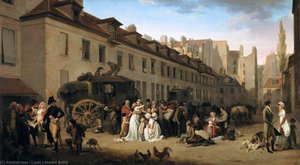
- Die Ankunft eines Postwagens im Innenhof der Messageries – Eine lebendige Darstellung des Pariser Lebens und des Transports.
- Optische Täuschungen: Boilly war von Optik fasziniert, wie seine Werke wie *Un Trompe-l'œil* zeigen, die den Begriff einführten, um seine Technik zu beschreiben, realistische Bilder zu schaffen, die dreidimensionale Objekte imitieren.
Anerkennung und Vermächtnis
- Salonerfolg: Boilly erhielt 1804 eine Medaille vom Pariser Salon, was seinen Ruf als talentierter Künstler festigte.
- Ehrungen: Er wurde 1833 zum Chevalier der Légion d'Honneur ernannt und würdigte damit seine Beiträge zur französischen Kunst.
- Familiärer Einfluss: Sein Sohn Alphonse Boilly wurde professioneller Grafiker und absolvierte eine Lehre in New York bei Asher Brown Durand.
- Historische Bedeutung: Boillys Werk bietet unschätzbare Einblicke in die sozialen Gepflogenheiten, die Mode und den Alltag des französischen Bürgertums während einer Zeit bedeutender politischer Umwälzungen. Er wird als einer der bekanntesten Porträtmaler und Genresänger Frankreichs in Erinnerung behalten.
Museumsbestände
- Musée des Beaux Arts, Lille: Beherbergt Triumph of Marat unter anderem.
- Louvre Museum: Zeigt Auswahlen aus Boillys umfangreichem Œuvre.
- National Gallery of Art (Washington D.C.): Besitzt mehrere Gemälde, darunter *Selbstbildnis*, *Les Amateurs de Tableaux* und *Das Publikum im Salon des Louvre beim Betrachten des Gemäldes „Sacre“*.
- Getty Museum: Beherbergt eine Sammlung von Boillys Werken.
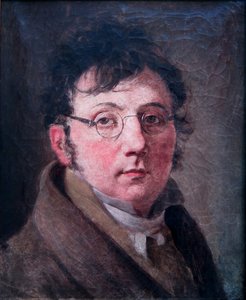
Louis Léopold Boilly
1761 - 1845 , Frankreich
Kurzinfos
- Bemerkenswerte Werke:
- Der Verehrer schenkt
- Triumph von Marat
- Ankunft eines Postwagens
- Einflussreiche Künstler:
- Gabriel Metsu
- Willem van Mieris
- Gerard ter Borch
- Geburtsdatum: 5. Juli 1761
- Geburtsort: La Bassée, Frankreich
- Künstlerischer Stil: Genre- und Porträtmalerei
- Nationalität: Französisch
- Sterbedatum: 4. Januar 1845
- Vollständiger Name: Louis Léopold Boilly
Ähnliche Artikel
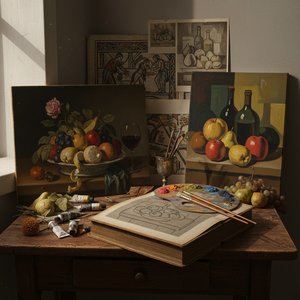
Silent Narratives: Exploring the Enduring Appeal of Still Life Painting Across Centuries
Explore the rich history of still life painting with ArtsDot. Discover Dutch Masters, decode vanitas symbolism & learn about collecting timeless art. Expert insights and museum-quality reproductions.
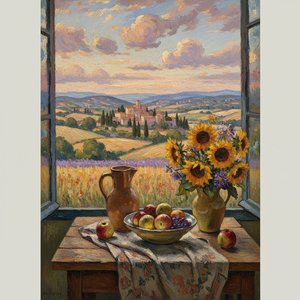
Bernard Cathelin: A Poetic Realist's Exploration of Still Life and the French Landscape
Explore the captivating world of Bernard Cathelin, a master of French Poetic Realism. Discover his stunning still lifes & landscapes, and learn about his legacy with ArtsDot.
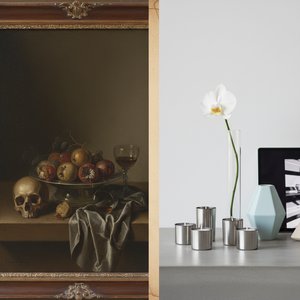
The Enduring Appeal of Still Life: A Historical & Contemporary Exploration
Explore the rich history & symbolism of still life painting with ArtsDot. Discover masterpieces from the Dutch Golden Age, learn about vanitas art, and find expert guidance for collecting timeless artworks.
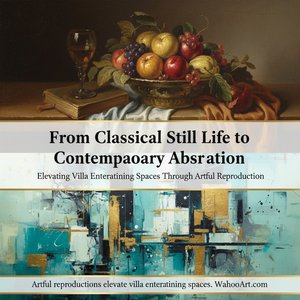
Vom klassischen Stillleben zur zeitgenössischen Abstraktion: Die Veredelung von Villa-Ambientes durch kunstvolle Reproduktionen
Entdecken Sie die faszinierende Welt der Stilllebenmalerei! Von historischen Meisterwerken bis zur zeitgenössischen Abstraktion – wir bieten hochwertige Reproduktionen für luxuriöse Villa-Ambientes. Expertenberatung & Kunstsammlerqualität.
Abraham Hendricksz van Beyeren: Pioneering Dutch Still Life & the Banquet Tradition
Explore the captivating world of Dutch Golden Age still life with Abraham van Beyeren. Discover his innovative techniques, symbolic banquet scenes & lasting influence on art history. Learn about collecting these masterpieces.