 Vorschau anzeigen
 Versenden
 Teilen
 Details anzeigen

 Herunterladen
 Ähnliche Objekte
 Röntgenaufnahme
 Diashow
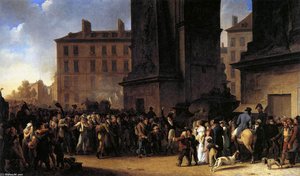
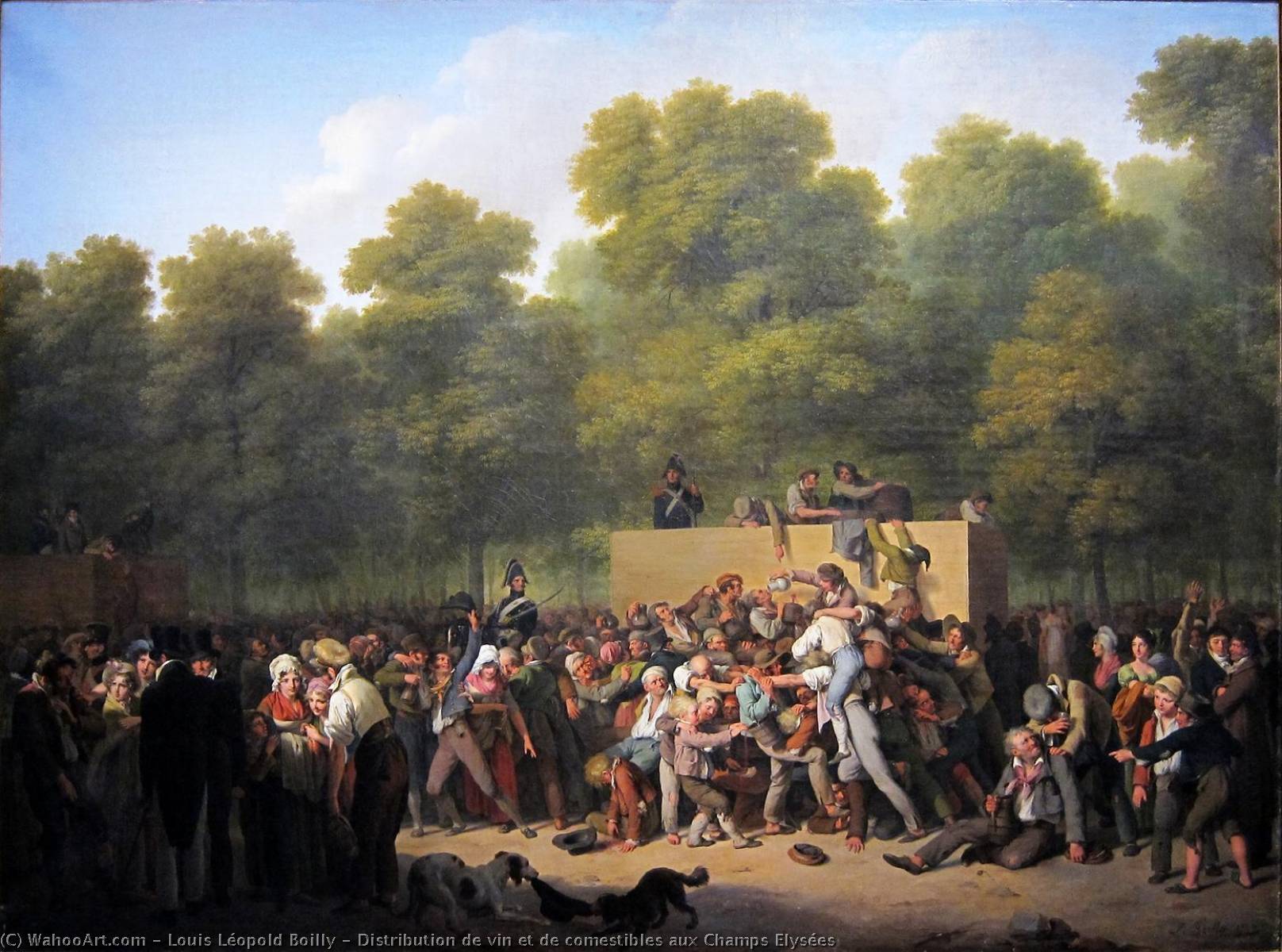
Distribution de vin et de comestibles aux Champs Elysées


 Weiterlesen
Handgefertigte Ölreproduktion
Handgemaltes Ölgemälde auf Leinwand in Ihrer Wunschgröße und mit Rahmen, auf Bestellung von unseren Künstlern angefertigt. ( Druck bestellen Bild kaufen)




P118B $10

P118H $10

P118W $10

P438Z $10

P508JH $12

P508YH $12

P805H $10

P805Z $10

P919BZ $10

P919G $10

P919XJ $10

P959ZH $10

P968JZ $12

W106C $8

W218G $10

W218JH $8

W218Y $10

W307PJ $10

W316G $10

W316PJ $8

W316Y $10

W398PJ $8

W4111J $10

W500HY $15

W500JH $15

W692G $12

W849H $8

W940BG $15

W953PJ $8




Wählen Sie aus unseren vordefinierten Formaten, die den ursprünglichen Proportionen des Kunstwerks entsprechen.

Sie können Ihre eigenen Maße eingeben, um einen bestimmten Rahmen oder Platz auszufüllen. Wenn die gewählte Größe nicht den Proportionen des Originalbildes entspricht, werden wir das Kunstwerk entweder beschneiden oder das Gemälde durch zusätzliche, handgemalte Elemente erweitern. Ein digitales Mockup wird Ihnen zur Genehmigung zugesandt, bevor die Produktion beginnt.
Bitte beachten Sie, dass die Bildschirmvorschau nicht die tatsächliche Beschneidung oder Erweiterung widerspiegelt. Nur das Mockup zeigt die endgültige Komposition exakt an.
Obwohl Sondermaße verfügbar sind, empfehlen wir, eine Größe aus der vordefinierten Liste zu wählen, um die ursprünglichen Proportionen beizubehalten.
Nach der Bestellung wird das ArtsDot.com-Team dem Kunden Anweisungen per E-Mail zusenden und eine Mockup-Vorschau bereitstellen.
Weltweiter Versand () in nur 3 bis 4 Wochen statt der üblichen 5 Wochen. (1 September). Keine Kompromisse bei der Qualität.

Kostenloser weltweiter Expressversand

Hochwertige Leinenleinwand

Umfassender Versicherungsschutz beim Versand

Zollgebühren-Rückerstattungsgarantie

Garantie für exakte Farbtreue

60 Tage Rückgaberecht (nur bei Mängeln)

100% Geld-zurück-Garantie

Mengenrabatt verfügbar
 Die Glasoption ist nur für Größen unter 110 cm verfügbar.

Distribution de vin et de comestibles aux Champs Elysées
Art der Reproduktion
Format der Reproduktion
-


Gesamtpreis
$ 263
A Snapshot of Parisian Revelry: Boilly’s “Distribution de vin et de comestibles aux Champs Elysées”
Louis Léopold Boilly's "Distribution de vin et de comestibles aux Champs Elysées," painted in 1822, isn’t merely a depiction of a Parisian street scene; it’s a vibrant tableau vivant—a captured moment brimming with social commentary and the sheer exuberance of public spectacle. The painting transports us to the heart of early 19th-century Paris during the Fête du Roi, an annual celebration honoring Saint Louis, where the city's populace was treated to a lavish distribution of wine and food. More than just a historical record, Boilly’s work offers a compelling glimpse into the social dynamics and everyday life of a rapidly changing France.
Boilly masterfully employs the techniques characteristic of French Realism, a style that sought to portray subjects as they were without idealization or romantic embellishment. The scene unfolds with remarkable detail; observe the meticulously rendered trees lining the Champs-Élysées, their branches casting dappled shadows across the bustling street. The artist’s use of light and shadow is particularly effective, creating a sense of depth and volume within the crowded composition. He skillfully utilizes *contre-jour*, illuminating the central figure distributing goods while subtly darkening the background, drawing our eye to the focal point of the scene.
A Crowd in Motion: Composition and Social Commentary
The painting’s composition is a testament to Boilly's keen observation skills. The central figure, elevated on a platform or cart, acts as a conduit between the wealthy elite and the common people, distributing wine and food with an air of detached authority. Below him, a chaotic mass of individuals surges forward—a swirling mix of men, women, and children, all vying for their share. This isn’t a scene of orderly distribution; it's a frantic scramble, reflecting the social inequalities inherent in 19th-century Parisian society. The painting subtly critiques this disparity, highlighting the desperation and eagerness that fueled the crowd’s behavior.
Notice how Boilly captures the diverse range of social classes represented within the throng. While some individuals are dressed in relatively modest attire, others wear finer garments, suggesting a hierarchy based on wealth and status. The artist doesn't explicitly judge these distinctions but presents them as an integral part of the scene’s dynamic energy. The expressions on the faces of the onlookers—a mixture of anticipation, excitement, and even desperation—are remarkably lifelike, conveying a powerful sense of immediacy.
Symbolism and Historical Context
The Fête du Roi itself held significant symbolic weight. It was intended to be a demonstration of royal generosity and a means of appeasing the populace after years of political upheaval. However, Boilly’s painting reveals a more complex reality—a scene of uncontrolled enthusiasm and potential social unrest. The overflowing carts of food and wine represent not just abundance but also the potential for excess and inequality. The very act of distributing goods publicly underscored the power dynamics between the monarchy and its subjects.
Furthermore, the painting’s setting on the Champs-Élysées—Paris's grandest avenue—elevates the scene to a position of civic importance. The choice of location emphasizes the spectacle’s public nature and its connection to the heart of Parisian life. The inclusion of trees further reinforces this sense of grandeur, creating a visual contrast between the bustling street below and the stately backdrop.
A Timeless Portrait of Urban Life
"Distribution de vin et de comestibles aux Champs Elysées" remains a captivating work of art because it transcends its historical context. It’s not simply a record of a specific event but a universal portrayal of human behavior—the desire for sustenance, the pursuit of opportunity, and the inherent tensions within social structures. Boilly's masterful technique and insightful observation continue to resonate with viewers today, offering a poignant reminder of the complexities and contradictions of urban life.
Reproductions of this iconic painting capture its vibrant energy and historical significance, making it an ideal addition to any art collection or interior space. Its rich colors and dynamic composition will undoubtedly spark conversation and evoke a sense of nostalgia for a bygone era.
Ähnliche Kunstwerke
Über den Künstler
Louis Léopold Boilly: Ein Leben in Porträt und Pariser Gesellschaft
- Geboren: 5. Juli 1761, La Bassée, Frankreich
- Gestorben: 4. Januar 1845, Paris, Frankreich
Frühes Leben und künstlerische Entwicklung
- Boillys künstlerischer Weg begann früh; er schuf bereits im Alter von zwölf Jahren Werke. Größtenteils autodidaktisch ausgebildet, umfasste seine anfängliche Ausbildung die Malerei des Trompe-l'œil unter Dominique Doncre.
- Sein Talent wurde 1774 von den Augustinianern in Douai anerkannt, was zu einer Einladung des Bischofs von Arras führte. In dieser Zeit schuf er über dreihundert kleine Porträtmalereien.
- Frühe Werke zeigten oft amoröse und moralisierende Themen und demonstrierten eine wachsende Fähigkeit, Likenessse und Details einzufangen.
Künstlerischer Stil und Hauptwerke
- Stil: Boillys Stil ist gekennzeichnet durch akribische Detailgenauigkeit, sorgfältige Farbgebung und einen Fokus auf die Darstellung des französischen Bürgertums im Alltag. Er verschmolz Porträtmalerei geschickt mit Genreszenen.
- Entwicklung: Nach 1794 wurden seine Kompositionen bevölkerter, was die lebhafte soziale Szene in Paris widerspiegelte. Seine Porträts erlangten weitreichende Anerkennung, wobei im Laufe seiner Karriere über 5.000 gemalt wurden.
- Hauptwerke:
- Das Geschenk des Verehrers – Ein frühes Werk, das amoröse Themen und akribische Details zeigt.
- Der Triumph des Marat – Ein patriotisches Stück, das geschaffen wurde, um eine Verurteilung während der Terrorherrschaft zu vermeiden.
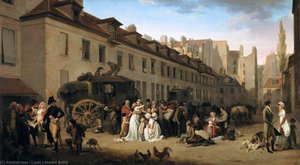
- Die Ankunft eines Postwagens im Innenhof der Messageries – Eine lebendige Darstellung des Pariser Lebens und des Transports.
- Optische Täuschungen: Boilly war von Optik fasziniert, wie seine Werke wie *Un Trompe-l'œil* zeigen, die den Begriff einführten, um seine Technik zu beschreiben, realistische Bilder zu schaffen, die dreidimensionale Objekte imitieren.
Anerkennung und Vermächtnis
- Salonerfolg: Boilly erhielt 1804 eine Medaille vom Pariser Salon, was seinen Ruf als talentierter Künstler festigte.
- Ehrungen: Er wurde 1833 zum Chevalier der Légion d'Honneur ernannt und würdigte damit seine Beiträge zur französischen Kunst.
- Familiärer Einfluss: Sein Sohn Alphonse Boilly wurde professioneller Grafiker und absolvierte eine Lehre in New York bei Asher Brown Durand.
- Historische Bedeutung: Boillys Werk bietet unschätzbare Einblicke in die sozialen Gepflogenheiten, die Mode und den Alltag des französischen Bürgertums während einer Zeit bedeutender politischer Umwälzungen. Er wird als einer der bekanntesten Porträtmaler und Genresänger Frankreichs in Erinnerung behalten.
Museumsbestände
- Musée des Beaux Arts, Lille: Beherbergt Triumph of Marat unter anderem.
- Louvre Museum: Zeigt Auswahlen aus Boillys umfangreichem Œuvre.
- National Gallery of Art (Washington D.C.): Besitzt mehrere Gemälde, darunter *Selbstbildnis*, *Les Amateurs de Tableaux* und *Das Publikum im Salon des Louvre beim Betrachten des Gemäldes „Sacre“*.
- Getty Museum: Beherbergt eine Sammlung von Boillys Werken.
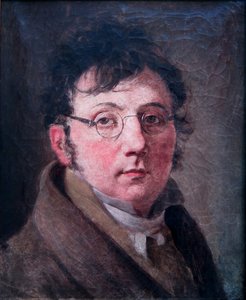
Louis Léopold Boilly
1761 - 1845 , Frankreich
Kurzinfos
- Bemerkenswerte Werke:
- Der Verehrer schenkt
- Triumph von Marat
- Ankunft eines Postwagens
- Einflussreiche Künstler:
- Gabriel Metsu
- Willem van Mieris
- Gerard ter Borch
- Geburtsdatum: 5. Juli 1761
- Geburtsort: La Bassée, Frankreich
- Künstlerischer Stil: Genre- und Porträtmalerei
- Nationalität: Französisch
- Sterbedatum: 4. Januar 1845
- Vollständiger Name: Louis Léopold Boilly
Ähnliche Artikel
Scenes of Daily Life: A Comprehensive Exploration of Genre Painting Through History
Explore the rich history of genre painting! Discover Dutch Masters & European artists who captured everyday life with stunning realism. Learn about symbolism, techniques & lasting influence.
Bernard Cathelin: A Poetic Realist's Exploration of Still Life and the French Landscape
Explore the captivating world of Bernard Cathelin, a master of French Poetic Realism. Discover his stunning still lifes & landscapes, and learn about his legacy with ArtsDot.
Charles Le Brun: Master of French Baroque Classicism & His Enduring Legacy
Explore the life & art of Charles Le Brun, master of French Baroque Classicism. Discover his royal commissions, influence on Versailles, and enduring legacy through detailed analysis & stunning artworks.
Jean-Baptiste Greuze: Moral, Gefühl und der Aufstieg der Genremalerei
Entdecken Sie das Werk von Jean-Baptiste Greuze – dem Meister der Genremalerei! Erfahren Sie mehr über seine moralischen Botschaften, den Einfluss der Aufklärung und sein bleibendes Vermächtnis in der Kunstgeschichte.
Simon Vouet: Vom italienischen Barock zum französischen Klassizismus – Eine künstlerische Reise
Entdecken Sie das Leben und Werk von Simon Vouet, dem Pionier des italienischen Barock in Frankreich! Erfahren Sie mehr über seinen künstlerischen Werdegang, seine wichtigsten Gemälde und seinen nachhaltigen Einfluss auf die französische Malerei. Jetzt lesen!