 Vorschau anzeigen
 Versenden
 Teilen
 Details anzeigen

 Herunterladen
 Ähnliche Objekte
 Röntgenaufnahme
 Diashow
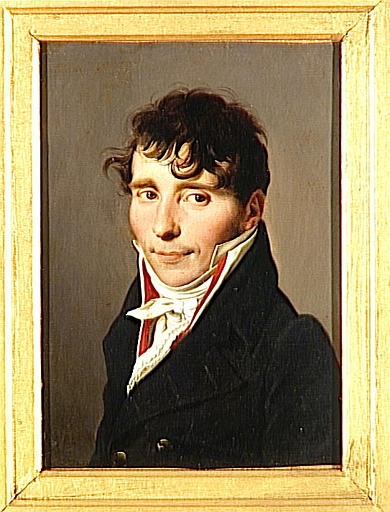
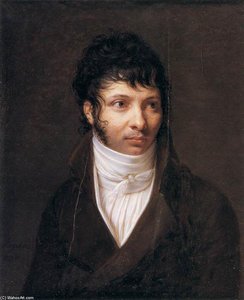
MONSIEUR ARNAULT DE GORSE


 Weiterlesen
Handgefertigte Ölreproduktion
Handgemaltes Ölgemälde auf Leinwand in Ihrer Wunschgröße und mit Rahmen, auf Bestellung von unseren Künstlern angefertigt. ( Druck bestellen Bild kaufen)




P118B $10

P118H $10

P118W $10

P438Z $10

P508JH $12

P508YH $12

P805H $10

P805Z $10

P919BZ $10

P919G $10

P919XJ $10

P959ZH $10

P968JZ $12

W106C $8

W218G $10

W218JH $8

W218Y $10

W307PJ $10

W316G $10

W316PJ $8

W316Y $10

W398PJ $8

W4111J $10

W500HY $15

W500JH $15

W692G $12

W849H $8

W940BG $15

W953PJ $8




Wählen Sie aus unseren vordefinierten Formaten, die den ursprünglichen Proportionen des Kunstwerks entsprechen.

Sie können Ihre eigenen Maße eingeben, um einen bestimmten Rahmen oder Platz auszufüllen. Wenn die gewählte Größe nicht den Proportionen des Originalbildes entspricht, werden wir das Kunstwerk entweder beschneiden oder das Gemälde durch zusätzliche, handgemalte Elemente erweitern. Ein digitales Mockup wird Ihnen zur Genehmigung zugesandt, bevor die Produktion beginnt.
Bitte beachten Sie, dass die Bildschirmvorschau nicht die tatsächliche Beschneidung oder Erweiterung widerspiegelt. Nur das Mockup zeigt die endgültige Komposition exakt an.
Obwohl Sondermaße verfügbar sind, empfehlen wir, eine Größe aus der vordefinierten Liste zu wählen, um die ursprünglichen Proportionen beizubehalten.
Nach der Bestellung wird das ArtsDot.com-Team dem Kunden Anweisungen per E-Mail zusenden und eine Mockup-Vorschau bereitstellen.
Weltweiter Versand () in nur 3 bis 4 Wochen statt der üblichen 5 Wochen. (27 August). Keine Kompromisse bei der Qualität.

Kostenloser weltweiter Expressversand

Hochwertige Leinenleinwand

Umfassender Versicherungsschutz beim Versand

Zollgebühren-Rückerstattungsgarantie

Garantie für exakte Farbtreue

60 Tage Rückgaberecht (nur bei Mängeln)

100% Geld-zurück-Garantie

Mengenrabatt verfügbar
 Die Glasoption ist nur für Größen unter 110 cm verfügbar.

MONSIEUR ARNAULT DE GORSE
Art der Reproduktion
Format der Reproduktion
-


Gesamtpreis
$ 263
Beschreibung des Kunstwerks
Monsieur Arnault de Gorse: A Window into Early 19th-Century French Society
Louis Léopold Boilly’s “Monsieur Arnault de Gorse” is more than just a portrait; it's a meticulously crafted snapshot of Parisian society in the early 1800s. Painted around 1800, this work offers a rare glimpse into the refined world of the French aristocracy and burgeoning middle class, capturing not only the subject’s likeness but also his status, demeanor, and the subtle cues of his time. Boilly, a master of both portraiture and genre scenes, expertly blends realism with an almost theatrical elegance, creating an image that is both intimate and profoundly observant.
The painting immediately draws the eye to Monsieur de Gorse himself – a man of considerable presence despite the relatively restrained composition. His posture exudes quiet confidence; he’s seated in a chair draped with rich fabric, his gaze direct and unwavering, suggesting an air of authority tempered by a hint of reserve. The details are exquisite: the carefully arranged cravat, the subtle sheen on his coat, the delicate embroidery of his collar – each element speaks to wealth and social standing. Boilly’s skill in rendering texture is particularly noteworthy; one can almost feel the weight of the fabric and the smoothness of his skin.
A Study in Neoclassical Detail and Romantic Light
Boilly's style firmly resides within the Neoclassical tradition, yet it possesses a distinctly Romantic sensibility. The composition adheres to classical principles – balanced symmetry, clear lines defining form, and a focus on capturing likeness with remarkable accuracy. However, the use of light is far from purely academic; it’s diffused and subtly directional, creating a soft glow that illuminates the subject's face and adds an element of warmth and intimacy. This interplay between order and emotion is characteristic of Boilly’s work and reflects the broader artistic currents of the era.
The muted color palette – dominated by dark browns, grays, and whites – further contributes to the painting’s atmosphere. The crisp white collar and red cravat provide a striking contrast against the man's pale skin, drawing attention to his status and adding a touch of visual drama. Boilly masterfully employs layering techniques, building up color gradually to create depth and richness, while carefully blending tones to achieve a seamless and remarkably realistic effect.
Symbolism and Social Commentary
Beyond the simple depiction of an individual, “Monsieur Arnault de Gorse” offers subtle commentary on the social dynamics of its time. The formality of the pose, the luxurious setting, and the subject’s confident demeanor all speak to the importance of appearances and social etiquette within aristocratic circles. The direct gaze suggests a certain self-awareness, perhaps even a touch of irony, hinting at the complexities beneath the surface of polite society.
Interestingly, research reveals that Monsieur Arnault de Gorse was the brother of Antoine Vincent Arnault, a prominent writer. This familial connection adds another layer of intrigue to the portrait, suggesting a shared lineage and perhaps a reflection of values within the family. The painting serves as a tangible link to a specific historical moment and a window into the lives of those who shaped it.
A Timeless Masterpiece – Perfect for Reproduction
Louis Léopold Boilly’s “Monsieur Arnault de Gorse” remains a captivating work of art, admired for its technical skill, nuanced observation, and subtle social commentary. Reproductions offer an accessible way to bring this exquisite portrait into your home or office, allowing you to appreciate the artistry and historical context of this remarkable piece. Whether displayed as a statement piece in a grand salon or as a charming addition to a smaller space, “Monsieur Arnault de Gorse” continues to resonate with viewers today, offering a glimpse into the elegance and complexities of early 19th-century France.
Ähnliche Kunstwerke
Über den Künstler
Louis Léopold Boilly: Ein Leben in Porträt und Pariser Gesellschaft
- Geboren: 5. Juli 1761, La Bassée, Frankreich
- Gestorben: 4. Januar 1845, Paris, Frankreich
Frühes Leben und künstlerische Entwicklung
- Boillys künstlerischer Weg begann früh; er schuf bereits im Alter von zwölf Jahren Werke. Größtenteils autodidaktisch ausgebildet, umfasste seine anfängliche Ausbildung die Malerei des Trompe-l'œil unter Dominique Doncre.
- Sein Talent wurde 1774 von den Augustinianern in Douai anerkannt, was zu einer Einladung des Bischofs von Arras führte. In dieser Zeit schuf er über dreihundert kleine Porträtmalereien.
- Frühe Werke zeigten oft amoröse und moralisierende Themen und demonstrierten eine wachsende Fähigkeit, Likenessse und Details einzufangen.
Künstlerischer Stil und Hauptwerke
- Stil: Boillys Stil ist gekennzeichnet durch akribische Detailgenauigkeit, sorgfältige Farbgebung und einen Fokus auf die Darstellung des französischen Bürgertums im Alltag. Er verschmolz Porträtmalerei geschickt mit Genreszenen.
- Entwicklung: Nach 1794 wurden seine Kompositionen bevölkerter, was die lebhafte soziale Szene in Paris widerspiegelte. Seine Porträts erlangten weitreichende Anerkennung, wobei im Laufe seiner Karriere über 5.000 gemalt wurden.
- Hauptwerke:
- Das Geschenk des Verehrers – Ein frühes Werk, das amoröse Themen und akribische Details zeigt.
- Der Triumph des Marat – Ein patriotisches Stück, das geschaffen wurde, um eine Verurteilung während der Terrorherrschaft zu vermeiden.
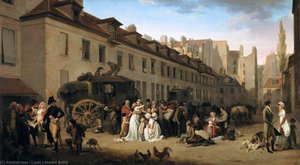
- Die Ankunft eines Postwagens im Innenhof der Messageries – Eine lebendige Darstellung des Pariser Lebens und des Transports.
- Optische Täuschungen: Boilly war von Optik fasziniert, wie seine Werke wie *Un Trompe-l'œil* zeigen, die den Begriff einführten, um seine Technik zu beschreiben, realistische Bilder zu schaffen, die dreidimensionale Objekte imitieren.
Anerkennung und Vermächtnis
- Salonerfolg: Boilly erhielt 1804 eine Medaille vom Pariser Salon, was seinen Ruf als talentierter Künstler festigte.
- Ehrungen: Er wurde 1833 zum Chevalier der Légion d'Honneur ernannt und würdigte damit seine Beiträge zur französischen Kunst.
- Familiärer Einfluss: Sein Sohn Alphonse Boilly wurde professioneller Grafiker und absolvierte eine Lehre in New York bei Asher Brown Durand.
- Historische Bedeutung: Boillys Werk bietet unschätzbare Einblicke in die sozialen Gepflogenheiten, die Mode und den Alltag des französischen Bürgertums während einer Zeit bedeutender politischer Umwälzungen. Er wird als einer der bekanntesten Porträtmaler und Genresänger Frankreichs in Erinnerung behalten.
Museumsbestände
- Musée des Beaux Arts, Lille: Beherbergt Triumph of Marat unter anderem.
- Louvre Museum: Zeigt Auswahlen aus Boillys umfangreichem Œuvre.
- National Gallery of Art (Washington D.C.): Besitzt mehrere Gemälde, darunter *Selbstbildnis*, *Les Amateurs de Tableaux* und *Das Publikum im Salon des Louvre beim Betrachten des Gemäldes „Sacre“*.
- Getty Museum: Beherbergt eine Sammlung von Boillys Werken.
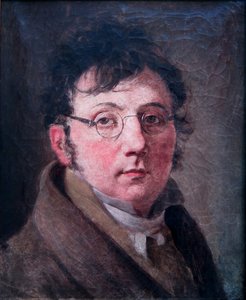
Louis Léopold Boilly
1761 - 1845 , Frankreich
Kurzinfos
- Bemerkenswerte Werke:
- Der Verehrer schenkt
- Triumph von Marat
- Ankunft eines Postwagens
- Einflussreiche Künstler:
- Gabriel Metsu
- Willem van Mieris
- Gerard ter Borch
- Geburtsdatum: 5. Juli 1761
- Geburtsort: La Bassée, Frankreich
- Künstlerischer Stil: Genre- und Porträtmalerei
- Nationalität: Französisch
- Sterbedatum: 4. Januar 1845
- Vollständiger Name: Louis Léopold Boilly
Ähnliche Artikel

Goya: Die 25 Meisterwerke des spanischen Genies – Kunst für Ihr Zuhause | ArtsDot
Entdecken Sie die 25 Meisterwerke von Francisco Goya! Tauchen Sie ein in die düstere Romantik spanischer Malerei, Porträts & Historienbilder. Hochwertige Kunstdrucke auf ArtsDot.com – für Kunstliebhaber und stilvolles Wohnen.

Über uns
Entdecken Sie unsere Geschichte! Wir bringen Weltklasse-Kunst in Ihr Leben durch fachkundige Auswahl, individuelle Kreationen und kostenlose Vorschauen. Seit dem Jahr 2000 von Privatpersonen und Unternehmen geschätzt.

The Enduring Legacy of Oil on Canvas: Technique, History & Aesthetic Impact
Explore the rich history & techniques of oil painting – from Renaissance masters to Impressionism. Discover pigments, layering methods, and why this timeless medium endures. Expert insights for artists & art enthusiasts.

Öl auf Leinwand: Eine historische und technische Erkundung eines zeitlosen künstlerischen Mediums
Entdecken Sie die faszinierende Welt der Ölmalerei! Von historischen Techniken bis zur modernen Anwendung – wir bieten Expertenwissen, Restaurierungstipps und hochwertige Reproduktionen. Jetzt informieren!
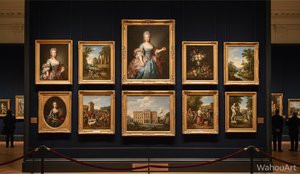
Die 10 Meisterwerke des 18. Jahrhunderts: Kunst für Ihr Zuhause | ArtsDot
Entdecken Sie die 10 prächtigsten Meisterwerke des 18. Jahrhunderts! Von Rokoko bis Klassizismus – erleben Sie die Kunst von Fragonard, David & Hogarth. Hochwertige Reproduktionen für Ihr Zuhause auf ArtsDot.com.