

 Vorschau anzeigen
 Versenden
 Teilen
 Details anzeigen

 Herunterladen
 Ähnliche Objekte
 Röntgenaufnahme
 Diashow
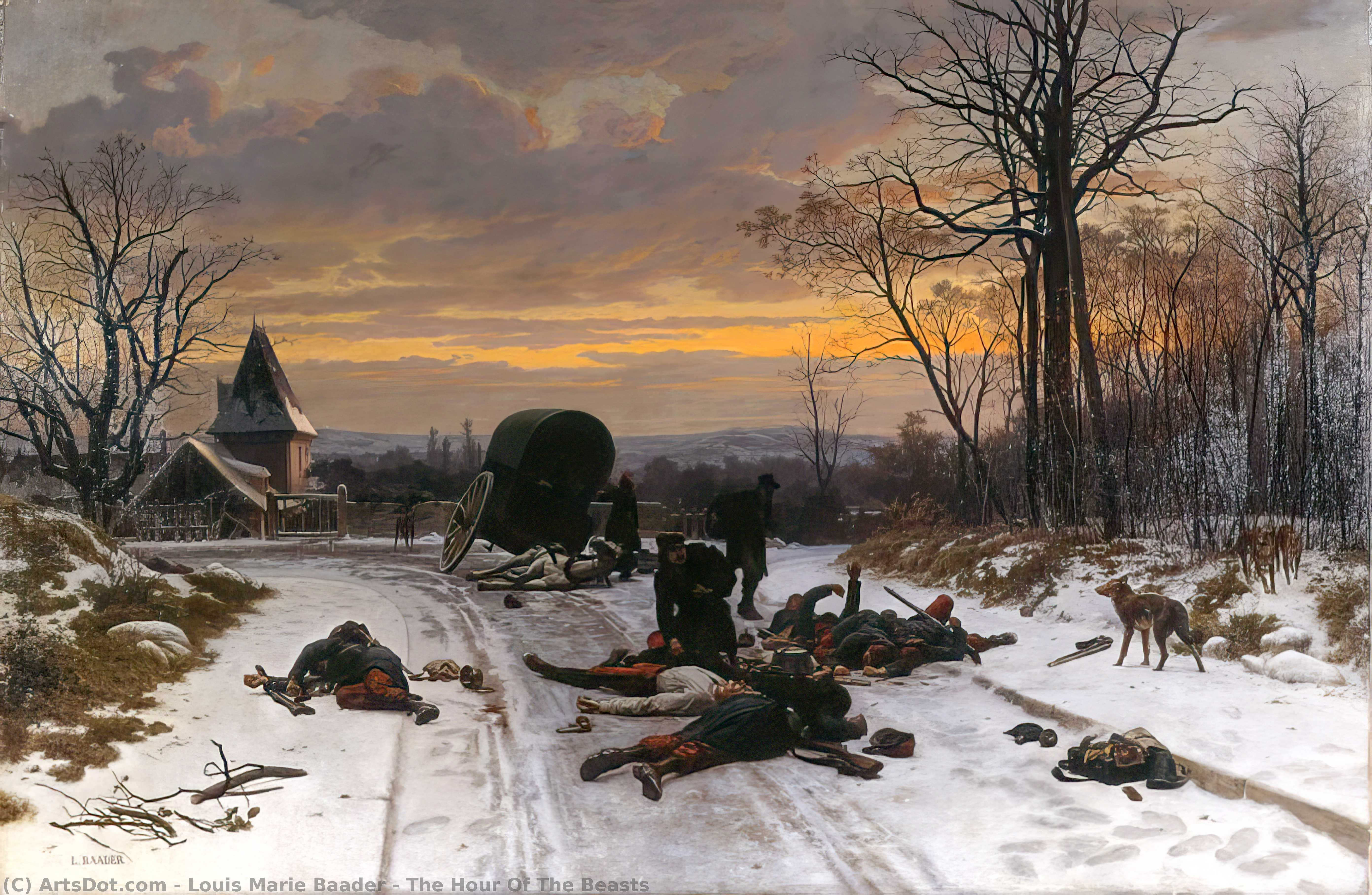
The Hour Of The Beasts
 Weiterlesen
Handgefertigte Ölreproduktion
Handgemaltes Ölgemälde auf Leinwand in Ihrer Wunschgröße und mit Rahmen, auf Bestellung von unseren Künstlern angefertigt. ( Druck bestellen Bild kaufen)




































Wählen Sie aus unseren vordefinierten Formaten, die den ursprünglichen Proportionen des Kunstwerks entsprechen.

Sie können Ihre eigenen Maße eingeben, um einen bestimmten Rahmen oder Platz auszufüllen. Wenn die gewählte Größe nicht den Proportionen des Originalbildes entspricht, werden wir das Kunstwerk entweder beschneiden oder das Gemälde durch zusätzliche, handgemalte Elemente erweitern. Ein digitales Mockup wird Ihnen zur Genehmigung zugesandt, bevor die Produktion beginnt.
Bitte beachten Sie, dass die Bildschirmvorschau nicht die tatsächliche Beschneidung oder Erweiterung widerspiegelt. Nur das Mockup zeigt die endgültige Komposition exakt an.
Obwohl Sondermaße verfügbar sind, empfehlen wir, eine Größe aus der vordefinierten Liste zu wählen, um die ursprünglichen Proportionen beizubehalten.
Nach der Bestellung wird das ArtsDot.com-Team dem Kunden Anweisungen per E-Mail zusenden und eine Mockup-Vorschau bereitstellen.
Weltweiter Versand () in nur 3 bis 4 Wochen statt der üblichen 5 Wochen. (23 August). Keine Kompromisse bei der Qualität.

Kostenloser weltweiter Expressversand

Hochwertige Leinenleinwand

Umfassender Versicherungsschutz beim Versand

Zollgebühren-Rückerstattungsgarantie

Garantie für exakte Farbtreue

60 Tage Rückgaberecht (nur bei Mängeln)

100% Geld-zurück-Garantie

Mengenrabatt verfügbar
 Die Glasoption ist nur für Größen unter 110 cm verfügbar.

The Hour Of The Beasts
Art der Reproduktion
Format der Reproduktion
-


Gesamtpreis
$ 363
Ähnliche Kunstwerke








Über den Künstler
The Soul of Brittany and the Grandeur of History: The Life of Louis-Marie Baader
In the tapestry of nineteenth-century French art, few threads are as intricately woven as those of Louis-Marie Baader. Born in 1828 in Lannion, Baader was a man of dual heritage, the son of a German musician and a Norman mother. This unique lineage gifted him a perspective that bridged the meticulous, disciplined precision often associated with Germanic tradition and the soulful, evocative spirit of the French provinces. His journey through the art world was not merely a pursuit of technique, and yet, his early years in Paris, shaped by the prestigious École des Beaux-Arts under the guidance of Adolphe Yvon, provided him with the academic rigor necessary to command the grandest of canvases.
Baader’s artistic evolution was a fascinating odyssey through different modes of storytelling. While his training prepared him for the monumental demands of history painting, his heart often wandered toward the intimate and the regional. He possessed a rare ability to transition from the epic scale of military narratives to the tender, quiet moments of Breton life. This versatility allowed him to capture both the thunder of Napoleonic warfare and the soft, domestic warmth of a rural afternoon, making him a chronicler of both the nation's triumphs and its most humble traditions.
A Mastery of Narrative and Light
The brilliance of Baader’s work lies in his capacity to imbue historical events with profound human emotion. He did not merely document battles; he sought to render the psychological weight of conflict. His dedication to research was unparalleled, as he meticulously studied the costumes, weaponry, and landscapes of past eras to ensure his military paintings possessed an undeniable authenticity. This commitment earned him significant recognition within the prestigious Paris Salon, where he exhibited regularly from 1857 until 1914.
His achievements were marked by prestigious accolades that opened doors to state patronage:
- Hero and Leander (1866): A work that garnered him a medal, showcasing his ability to blend classical mythology with romantic tension.
- Posthumous Glory (1874): An evocative piece that earned him a third-class medal and led to the acquisition of his works by the French state.
- Genre Painting: Beyond the battlefield, his depictions of Breton life, such as L'Heure du Gouter Bretonne, remain beloved for their ability to capture the charm and cultural essence of the region.
Through his brush, the textures of heavy fabrics, the glint of steel, and the soft light filtering through a rustic window all converge to create a sensory experience. Whether he was painting an elaborate Rococo interior or a rugged landscape, Baader’s technique remained anchored in a deep respect for detail and a profound understanding of composition.
Legacy and Eternal Resonance
As his career progressed, Baader’s focus shifted through various stages—from portraits and religious commissions to the sweeping historical scenes that defined his middle period, eventually returning to the intimate genre works that celebrated the enduring spirit of Brittany. This cyclical movement through different themes reflects an artist who was never content to remain static, but rather one who constantly sought new ways to connect with the human condition.
Louis-Marie Baader passed away in 1920 in Morlaix, leaving behind a legacy that serves as a vital link between the academic traditions of the past and the burgeoning regionalism of the late nineteenth century. His works remain more than mere historical records; they are windows into a vanished world, preserved through his masterful command of color and light. Today, collectors and art enthusiasts continue to find profound beauty in his ability to bridge the gap between the epic and the everyday, ensuring that the stories of both heroes and peasants live on through his enduring artistry.
louis marie baader
1828 - 1920
Kurzinfos
- Artistic Movement Or Style: Romanticism
- Artists Or Movements Influenced By This Artist: ['Romantic Painting']
- Artists Who Influenced This Artist: ['Adolphe Yvon']
- Date Of Birth: 1828
- Date Of Death: 1920
- Full Name: Louis Marie Baader
- Nationality: French
- Notable Artworks:
- Remorse
- Portrait Of Louis François Roger Renouard
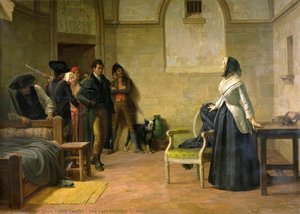
- LE DERNIER MATIN DE MARIE ANTOINETTE
- Place Of Birth: Germany

