 Vorschau anzeigen
 Versenden
 Teilen
 Details anzeigen

 Herunterladen
 Ähnliche Objekte
 Röntgenaufnahme
 Diashow
 Statistiken
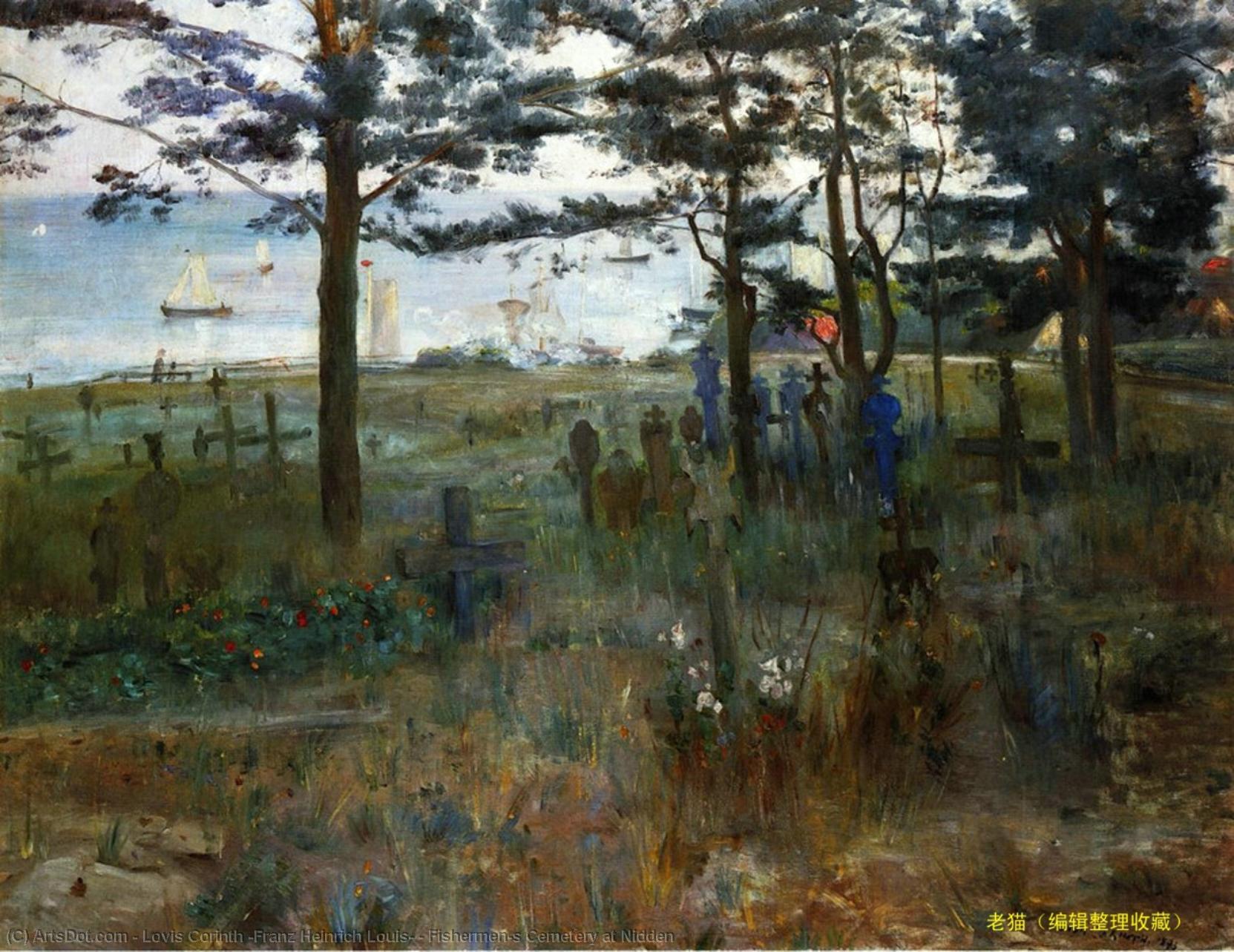
Fishermen's Cemetery at Nidden
 Oil On Canvas
- WallArt
- Impressionism
 1893
1893- 19th Century
 112.0 x 148.0 cm
 Bayerische Staatsbibliothek
 Weiterlesen
Handgefertigte Ölreproduktion
Handgemaltes Ölgemälde auf Leinwand in Ihrer Wunschgröße und mit Rahmen, auf Bestellung von unseren Künstlern angefertigt. ( Zu Druck wechseln Zum digitalen Bild wechseln)




P118B $10

P118H $10

P118W $10

P438Z $10

P508JH $12

P508YH $12

P805H $10

P805Z $10

P919BZ $10

P919G $10

P919XJ $10

P959ZH $10

P968JZ $12

W106C $8

W218G $10

W218JH $8

W218Y $10

W307PJ $10

W316G $10

W316PJ $8

W316Y $10

W398PJ $8

W4111J $10

W500HY $15

W500JH $15

W692G $12

W849H $8

W940BG $15

W953PJ $8




Wählen Sie aus unseren vordefinierten Formaten, die den ursprünglichen Proportionen des Kunstwerks entsprechen.

Sie können Ihre eigenen Maße eingeben, um einen bestimmten Rahmen oder Platz auszufüllen. Wenn die gewählte Größe nicht den Proportionen des Originalbildes entspricht, werden wir das Kunstwerk entweder beschneiden oder das Gemälde durch zusätzliche, handgemalte Elemente erweitern. Ein digitales Mockup wird Ihnen zur Genehmigung zugesandt, bevor die Produktion beginnt.
Bitte beachten Sie, dass die Bildschirmvorschau nicht die tatsächliche Beschneidung oder Erweiterung widerspiegelt. Nur das Mockup zeigt die endgültige Komposition exakt an.
Obwohl Sondermaße verfügbar sind, empfehlen wir, eine Größe aus der vordefinierten Liste zu wählen, um die ursprünglichen Proportionen beizubehalten.
Nach der Bestellung wird das ArtsDot.com-Team dem Kunden Anweisungen per E-Mail zusenden und eine Mockup-Vorschau bereitstellen.
Weltweiter Versand () in nur 3 bis 4 Wochen statt der üblichen 5 Wochen. (12 September). Keine Kompromisse bei der Qualität.

Kostenloser weltweiter Expressversand

Hochwertige Leinenleinwand

Umfassender Versicherungsschutz beim Versand

Zollgebühren-Rückerstattungsgarantie

Garantie für exakte Farbtreue

100-Tage-Rückgaberecht (nur bei Mängeln)

100% Geld-zurück-Garantie

Mengenrabatt verfügbar
 Die Glasoption ist nur für Größen unter 110 cm verfügbar.

Fishermen's Cemetery at Nidden
Art der Reproduktion
Format der Reproduktion
-


Gesamtpreis
$ 338
A Coastal Reverie: Lovis Corinth’s “Fishermen’s Cemetery at Nidden”
Lovis Corinth’s 1893 painting, "Fishermen’s Cemetery at Nidden," isn't merely a depiction of a coastal scene; it’s an immersion into a mood – a poignant blend of melancholy, contemplation, and the enduring connection between humanity and the vastness of nature. Situated along the Baltic coast of Prussia (now part of Poland), Nidden was a small fishing village steeped in maritime tradition, and Corinth masterfully captures its essence through a masterful orchestration of light, color, and atmospheric perspective.
The painting immediately draws the eye with its loose, impressionistic brushwork. Rather than striving for photographic realism, Corinth prioritizes conveying the feeling of the moment – the dampness of the air, the muted hues of the sky and sea, and the subtle textures of the weathered landscape. The composition is carefully divided into distinct zones: a foreground dominated by dense, almost impenetrable vegetation, a middle ground populated by figures observing the distant horizon, and a receding background where the sea melts into a hazy, atmospheric expanse. Corinth’s use of color is particularly noteworthy; he employs a restrained palette of blues, greens, browns, and grays, creating a sense of quietude and distance that invites the viewer to linger in the scene.
The Artist's Context: Corinth and the Dawn of Modernism
To fully appreciate “Fishermen’s Cemetery at Nidden,” it’s crucial to understand Lovis Corinth’s place within the evolving art world of the late 19th century. Born Franz Heinrich Louis in East Prussia, Corinth initially trained as a history painter but quickly rejected academic conventions in favor of a more personal and expressive style. He spent formative years in Paris, absorbing the influence of Impressionism while simultaneously developing his own unique voice. Corinth’s work bridged the gap between traditional realism and the burgeoning movements of Symbolism and Expressionism, foreshadowing the radical shifts that would characterize 20th-century art.
The painting was created during a period of significant personal change for Corinth. He had recently moved to Berlin and was grappling with the challenges of balancing his artistic ambitions with the demands of daily life. The subject matter itself – a weathered cemetery overlooking the sea – speaks to themes of mortality, memory, and the passage of time. The presence of the figures in the middle ground suggests a quiet observance, perhaps a reflection on the lives lived and lost within this coastal community.
Symbolism and Emotional Resonance
Beyond its purely visual qualities, “Fishermen’s Cemetery at Nidden” is rich in symbolic meaning. The cemetery itself represents the inevitable cycle of life and death, while the sea embodies both the promise of adventure and the threat of oblivion. The muted colors contribute to a sense of melancholy and introspection, inviting viewers to contemplate their own place within the larger scheme of existence. Corinth’s masterful use of light and shadow further enhances this emotional impact, creating a palpable atmosphere of quiet contemplation.
Notably, the painting's loose brushstrokes and emphasis on capturing fleeting moments align with the Impressionist movement, yet Corinth imbues the scene with a distinctly personal and emotive quality. The overall effect is one of profound beauty and understated sadness – a testament to Corinth’s ability to transform a simple landscape into a powerful meditation on the human condition.
A Timeless Masterpiece: Reproduction and Beyond
Reproductions of “Fishermen’s Cemetery at Nidden” offer a remarkable opportunity to bring this evocative artwork into your home or office. Hand-painted reproductions capture the nuances of Corinth's original technique, faithfully recreating his atmospheric brushwork and subtle color palette. Whether you choose an 112 x 148 cm canvas or a smaller print on archival paper, you’ll be investing in a piece of art that embodies both historical significance and enduring beauty.
Ähnliche Kunstwerke
Über den Künstler
Frühes Leben und Ausbildung
Lovis Corinth, geboren Franz Heinrich Louis am 21. Juli 1858 in Tapiau, Preußen, war ein deutscher Künstler und Schriftsteller, dessen reifes Werk als Maler und Grafiker eine Synthese aus Impressionismus und Expressionismus realisierte. Corinthians frühes Leben war geprägt von seinem Talent zum Zeichnen, das ihn dazu veranlasste, ab 1876 an der Akademie Königsbergs Malerei zu studieren.Künstlerische Entwicklung
Corinthians künstlerische Entwicklung wurde von mehreren Schlüsselfiguren und Bewegungen beeinflusst:- Lovis Corinth's frühe Arbeit war naturalistisch geprägt, was durch seinen Lehrer Otto Günther gefördert wurde.
- Er studierte unter Ludwig von Löfftz an der Akademie der Bildenden Künste München, die eine sorgfältige Beobachtung von Farben und Werten betonte.
- Corinth wurde auch von Courbet und der Barbizon-Schule sowie von den Werken Rubes während seiner Zeit in Antwerpen beeinflusst.
Wichtige Werke und Stil
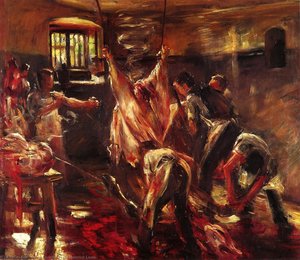
Zu Corinthians bemerkenswertesten Werken gehören:- In der Schlachthof-Szene (78 x 89 cm, Staatsgalerie Stuttgart, Deutschland), das seine Verwendung von Öl auf Leinwand zeigt.
- Selbstbildnis (47 x 53 cm, Kunsthalle Bremen, Deutschland), das sein Können im Zeichnen demonstriert.
- weibliche Halbnackte mit Hut (283 x 383 cm, Kunstpalast Düsseldorf, Deutschland), das seine Verwendung von Bleistift hervorhebt.
Späteres Leben und Vermächtnis
Corinthians späteres Leben war geprägt von seiner Präsidentschaft der Berliner Sezession von 1915 bis 1925. Er veröffentlichte auch zahlreiche Essays über Kunstgeschichte, darunter "Das Erlernen der Malerei" im Jahr 1908. Corinth starb am 17. Juli 1925 nach einem Schlaganfall im Jahr 1911, der ihn teilweise gelähmt hatte. Wichtige Links:- Besuchen Sie die Künstlerseite von Lovis Corinth auf ArtsDot
- Lesen Sie mehr über Lovis Corinth auf Wikipedia
- Sehen Sie "In der Schlachthof-Szene" von Lovis Corinth auf ArtsDot
Bedeutung und Einfluss
Corinth gilt als einer der wichtigsten Künstler des deutschen Modernismus. Seine Werke verbinden impressionistische Elemente mit expressionistischen Tendenzen, was ihm eine einzigartige Position in der Kunstgeschichte einbrachte. Er beeinflusste nachfolgende Generationen von Künstlern und trug maßgeblich zur Entwicklung der modernen Kunst in Deutschland bei. Sein Einfluss ist bis heute spürbar.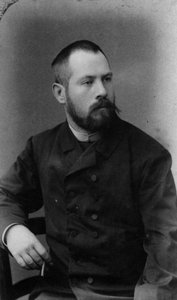
Lovis Corinth
1858 - 1925 , Niederlande
Kurzinfos
- Beeinflusste Künstler:
- Kirchner
- Beckmann
- Baselitz
- Bemerkenswerte Werke:
- In der Schlachthof-Szene
- Selbstbildnis
- Female Semi-Nude with Hat
- Einflüsse:
- Courbet
- Barbizon Schule
- Rubens
- Geburtsdatum: 21. Juli 1858
- Geburtsort: Tauwade, Niederlande
- Künstlerische Richtung: Impressionismus & Expressionismus
- Nationalität: Deutsch
- Sterbedatum: 17. Juli 1925
- Vollständiger Name: Lovis Corinth (Franz Heinrich Louis)
Ähnliche Artikel
Impressionistic Realism's Finest: 10 Masterpieces for Your Home | ArtsDot
Journey through Impressionistic Realism with 10 iconic masterpieces by Monet, Renoir & Van Gogh. Explore art history, techniques & find museum-quality reproductions for your home at ArtsDot.com. Discover all masterpieces online!

Impressionistische Landschaften: Die 10 Meisterwerke, die eine Kunstrichtung prägten | ArtsDot
Entdecken Sie die 10 Meisterwerke des Impressionismus! Von Monet bis Van Gogh – erleben Sie die Geschichten hinter berühmten Landschaftsbildern. Hochwertige Kunst Reproduktionen für Ihr Zuhause auf ArtsDot.com.
Lovis Corinth: Brückenbauer zwischen Impressionismus und Expressionismus – Eine künstlerische Entwicklung
Entdecken Sie Lovis Corinths faszinierende künstlerische Entwicklung! Von Realismus über Impressionismus bis Expressionismus – eine detaillierte Analyse seiner Werke, seines Einflusses und der Berliner Secession. Jetzt lesen!

Impressionistische Landschaften: Die 10 Meisterwerke, die eine Epoche prägten | ArtsDot
Entdecken Sie die 10 Meisterwerke des Impressionismus! Von Monet bis Renoir – erleben Sie die Geschichte, Technik und zeitlose Schönheit ikonischer Landschaftsbilder. Hochwertige Kunstdrucke auf ArtsDot.com. Jetzt entdecken!
Evoking the Horizon: A Historical & Artistic Exploration of Coastal Scenes in Painting
Explore the rich history of coastal scenes in painting! Discover Impressionist masterpieces, American realism & contemporary visions. Learn about renowned artists and find your perfect seascape at ArtsDot.