 Vorschau anzeigen
 Versenden
 Teilen
 Details anzeigen

 Herunterladen
 Ähnliche Objekte
 Röntgenaufnahme
 Diashow
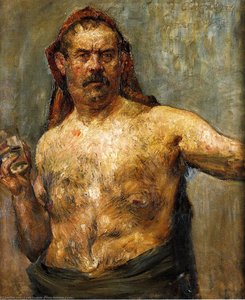
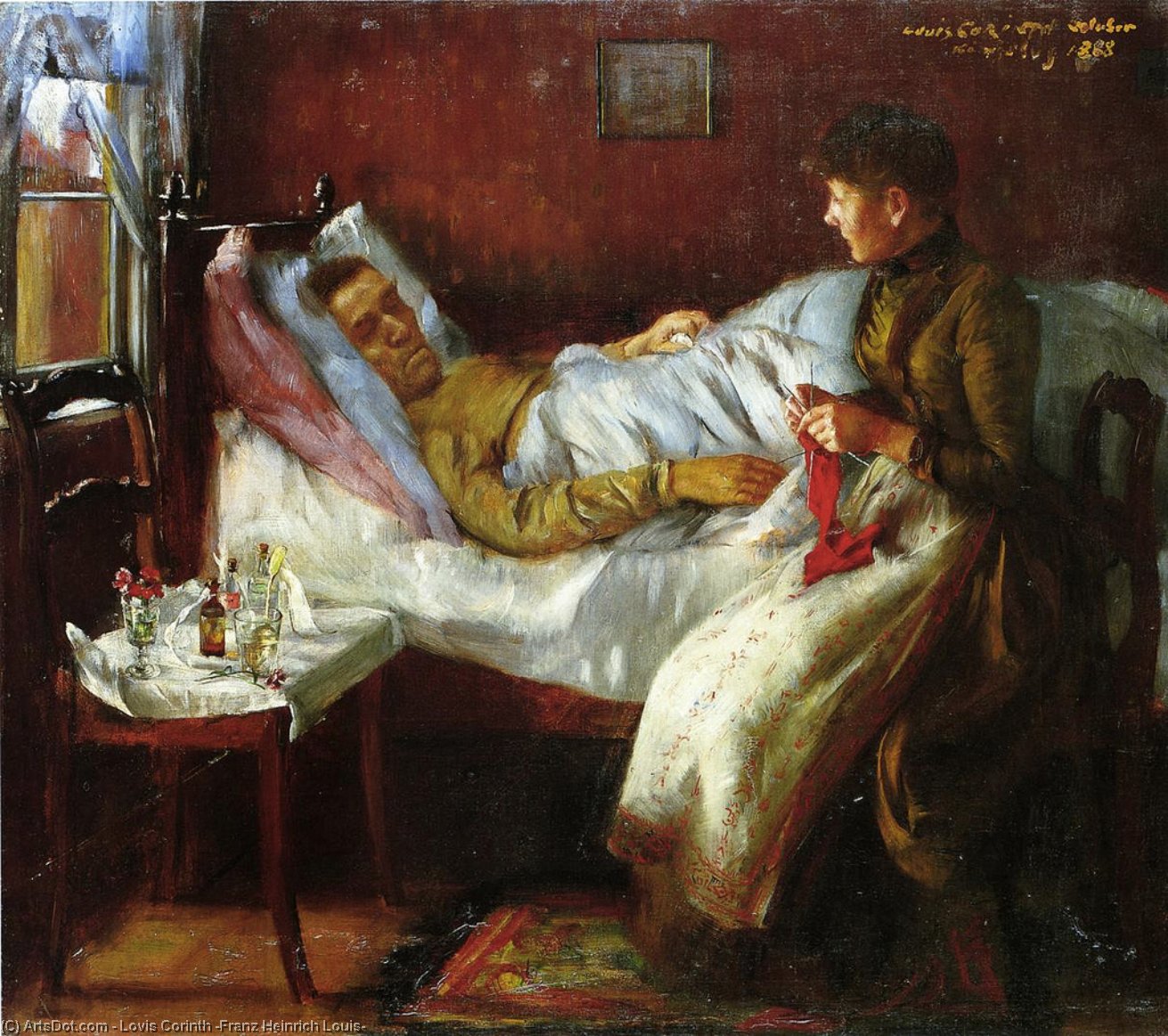
Franz Heinrich Corinth on His Sickbed
 Acrylic On Canvas
- WallArt
- Expressionism & Impressionism
 1888
1888- 19th Century
 61.0 x 70.0 cm
 Städelsches Kunstinstitut Und Städtische Galerie
 Weiterlesen
Giclée / Kunstdruck
Giclée- oder Leinwanddruck in Museumsqualität mit schneller Produktion und flexiblen Veredelungsoptionen. ( Handgemalte Reproduktion bestellen Bild kaufen)




P118B $10

P118H $10

P118W $10

P438Z $10

P508JH $12

P508YH $12

P805H $10

P805Z $10

P919BZ $10

P919G $10

P919XJ $10

P959ZH $10

P968JZ $12

W106C $8

W218G $10

W218JH $8

W218Y $10

W307PJ $10

W316G $10

W316PJ $8

W316Y $10

W398PJ $8

W4111J $10

W500HY $15

W500JH $15

W692G $12

W849H $8

W940BG $15

W953PJ $8




Wählen Sie aus unseren vordefinierten Formaten, die den ursprünglichen Proportionen des Kunstwerks entsprechen.

Sie können Ihre eigenen Maße eingeben, um ein bestimmtes Format oder einen speziellen Platz einzupassen. Wenn das von Ihnen gewählte Format nicht den Proportionen des Originalbildes entspricht, werden wir das Kunstwerk entweder beschneiden oder das Bild mit einem gespiegelten oder einfarbigen Rand erweitern. Ein digitaler Entwurf wird Ihnen zur Genehmigung zugesandt, bevor die Produktion beginnt.
Bitte beachten Sie, dass die Vorschau auf dem Bildschirm nicht den tatsächlichen Zuschnitt oder die Erweiterung widerspiegelt. Nur der Entwurf zeigt die endgültige Komposition präzise an.
Obwohl Sondermaße verfügbar sind, empfehlen wir die Auswahl eines Maßes aus der vordefinierten Liste, um die ursprünglichen Proportionen zu bewahren.
Weltweiter Versand () innerhalb von 2 Wochen statt der üblichen 4/5 Wochen. (22 August)

Kostenloser weltweiter Expressversand

Hochwertige Leinenleinwand

Umfassender Versicherungsschutz beim Versand

Zollgebühren-Rückerstattungsgarantie

Garantie für exakte Farbtreue

60 Tage Rückgaberecht (nur bei Mängeln)

100% Geld-zurück-Garantie

Mengenrabatt verfügbar
 Die Glasoption ist nur für Größen unter 110 cm verfügbar.

Franz Heinrich Corinth on His Sickbed
Giclée / Kunstdruck
Format der Reproduktion
-


Gesamtpreis
$ 62
Sammlerstück-Beschreibung
A Moment of Profound Sorrow: Lovis Corinth’s ‘Franz Heinrich Corinth on His Sickbed’
Lovis Corinth's 1888 painting, “Franz Heinrich Corinth on His Sickbed,” is far more than a simple portrait; it’s a deeply poignant exploration of familial love, vulnerability, and the quiet dignity of suffering. The canvas captures a fleeting moment – a man, likely nearing his end, attended by his devoted daughter – radiating an atmosphere of profound sadness and unwavering care. Corinth, a master of capturing raw emotion, eschews idealized beauty in favor of a brutally honest depiction of mortality, offering viewers a rare glimpse into the intimate realities of life and death within a close-knit family.
The scene unfolds within a modestly furnished room, dominated by the bed where Franz Heinrich Corinth lies. The artist’s meticulous attention to detail reveals not just the physical state of the ailing father – his face subtly tinged with yellow, indicative perhaps of jaundice or illness – but also the surrounding objects that speak volumes about his condition: scattered bottles suggesting attempts at treatment, a simple cup, and a partially knitted garment hinting at the daughter's tireless efforts. Corinth masterfully uses light and shadow to create a sense of intimacy and vulnerability; the muted tones contribute to the overall feeling of somber reflection.
Impressionistic Realism and the Artist’s Personal Vision
Corinth, a pivotal figure bridging Impressionism and Expressionism, employed a distinctive style that blended realism with intensely personal emotion. “Franz Heinrich Corinth on His Sickbed” exemplifies this approach perfectly. While rooted in observational detail – the textures of the bedclothes, the arrangement of objects – the painting transcends mere representation through Corinth’s expressive use of color and brushwork. Notice how he doesn't shy away from depicting the illness; instead, he embraces it, using a slightly unsettling palette to convey both the physical deterioration and the emotional weight of the situation.
The artist’s technique is characterized by loose, visible brushstrokes, particularly in the rendering of the father’s face and hands. This deliberate lack of polish contributes to the painting's immediacy and emotional impact. Corinth wasn’t interested in creating a polished likeness; he sought to capture the essence of the moment – the quiet sorrow, the unwavering devotion, and the acceptance of mortality.
Symbolism and the Language of Care
Beyond the immediate depiction of illness and care, “Franz Heinrich Corinth on His Sickbed” is rich in symbolic detail. The scattered bottles represent the various remedies attempted to alleviate the father’s suffering – a testament to both his vulnerability and the daughter's determination. The knitted garment, a symbol of comfort and protection, speaks volumes about her role as caregiver and protector. Even the small vase of red flowers—a vibrant splash of color against the muted palette—can be interpreted as a gesture of hope and remembrance.
The composition itself is carefully considered. The daughter’s seated posture, with her hands folded in empathy, draws the viewer's eye to her face – a mask of quiet sorrow and unwavering love. Corinth has deliberately placed her close to the ailing father, emphasizing their shared experience of grief and vulnerability. This intimate arrangement underscores the profound bond between them and elevates the painting beyond a simple portrait into a powerful meditation on family, loss, and the enduring strength of human connection.
A Timeless Portrait of Human Experience
“Franz Heinrich Corinth on His Sickbed” remains a profoundly moving work of art. It’s not merely a depiction of illness; it's an exploration of the complexities of love, grief, and acceptance. Lovis Corinth’s masterful use of light, color, and composition creates a deeply emotional experience for the viewer, inviting us to contemplate our own relationships with loved ones and the inevitability of mortality. ArtsDot offers exquisite hand-painted reproductions that faithfully capture the painting's beauty and emotional depth, allowing you to bring this timeless masterpiece into your home or office.
Ähnliche Kunstwerke
Über den Künstler
Frühes Leben und Ausbildung
Lovis Corinth, geboren Franz Heinrich Louis am 21. Juli 1858 in Tapiau, Preußen, war ein deutscher Künstler und Schriftsteller, dessen reifes Werk als Maler und Grafiker eine Synthese aus Impressionismus und Expressionismus realisierte. Corinthians frühes Leben war geprägt von seinem Talent zum Zeichnen, das ihn dazu veranlasste, ab 1876 an der Akademie Königsbergs Malerei zu studieren.Künstlerische Entwicklung
Corinthians künstlerische Entwicklung wurde von mehreren Schlüsselfiguren und Bewegungen beeinflusst:- Lovis Corinth's frühe Arbeit war naturalistisch geprägt, was durch seinen Lehrer Otto Günther gefördert wurde.
- Er studierte unter Ludwig von Löfftz an der Akademie der Bildenden Künste München, die eine sorgfältige Beobachtung von Farben und Werten betonte.
- Corinth wurde auch von Courbet und der Barbizon-Schule sowie von den Werken Rubes während seiner Zeit in Antwerpen beeinflusst.
Wichtige Werke und Stil
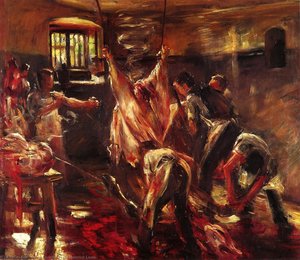
Zu Corinthians bemerkenswertesten Werken gehören:- In der Schlachthof-Szene (78 x 89 cm, Staatsgalerie Stuttgart, Deutschland), das seine Verwendung von Öl auf Leinwand zeigt.
- Selbstbildnis (47 x 53 cm, Kunsthalle Bremen, Deutschland), das sein Können im Zeichnen demonstriert.
- weibliche Halbnackte mit Hut (283 x 383 cm, Kunstpalast Düsseldorf, Deutschland), das seine Verwendung von Bleistift hervorhebt.
Späteres Leben und Vermächtnis
Corinthians späteres Leben war geprägt von seiner Präsidentschaft der Berliner Sezession von 1915 bis 1925. Er veröffentlichte auch zahlreiche Essays über Kunstgeschichte, darunter "Das Erlernen der Malerei" im Jahr 1908. Corinth starb am 17. Juli 1925 nach einem Schlaganfall im Jahr 1911, der ihn teilweise gelähmt hatte. Wichtige Links:- Besuchen Sie die Künstlerseite von Lovis Corinth auf ArtsDot
- Lesen Sie mehr über Lovis Corinth auf Wikipedia
- Sehen Sie "In der Schlachthof-Szene" von Lovis Corinth auf ArtsDot
Bedeutung und Einfluss
Corinth gilt als einer der wichtigsten Künstler des deutschen Modernismus. Seine Werke verbinden impressionistische Elemente mit expressionistischen Tendenzen, was ihm eine einzigartige Position in der Kunstgeschichte einbrachte. Er beeinflusste nachfolgende Generationen von Künstlern und trug maßgeblich zur Entwicklung der modernen Kunst in Deutschland bei. Sein Einfluss ist bis heute spürbar.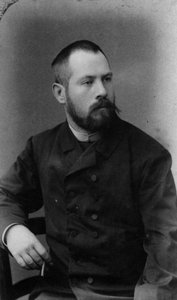
Lovis Corinth
1858 - 1925 , Niederlande
Kurzinfos
- Beeinflusste Künstler:
- Kirchner
- Beckmann
- Baselitz
- Bemerkenswerte Werke:
- In der Schlachthof-Szene
- Selbstbildnis
- Female Semi-Nude with Hat
- Einflüsse:
- Courbet
- Barbizon Schule
- Rubens
- Geburtsdatum: 21. Juli 1858
- Geburtsort: Tauwade, Niederlande
- Künstlerische Richtung: Impressionismus & Expressionismus
- Nationalität: Deutsch
- Sterbedatum: 17. Juli 1925
- Vollständiger Name: Lovis Corinth (Franz Heinrich Louis)
Ähnliche Artikel
Lovis Corinth: Brückenbauer zwischen Impressionismus und Expressionismus – Eine künstlerische Entwicklung
Entdecken Sie Lovis Corinths faszinierende künstlerische Entwicklung! Von Realismus über Impressionismus bis Expressionismus – eine detaillierte Analyse seiner Werke, seines Einflusses und der Berliner Secession. Jetzt lesen!
Franz von Stuck: Symbolismus, Dekadenz und die Suche nach idealer Schönheit
Entdecken Sie das faszinierende Werk von Franz von Stuck! Analysen zu Symbolismus, Dekadenz und ikonischen Gemälden wie 'Salome'. Expertenwissen & Hintergrundinformationen auf ArtsDot.
Hieronymus Bosch: Die 25 Meisterwerke des düsteren Genies – Kunst für Ihr Zuhause | ArtsDot
Entdecken Sie die 25 faszinierendsten Meisterwerke von Hieronymus Bosch! Tauchen Sie ein in die düstere Schönheit niederländischer Malerei, religiöse Symbolik und fantastische Welten. Hochwertige Kunstdrucke & Inspiration für Ihr Zuhause auf ArtsDot.com.
Franz Bischoff: Bridging Tonalism & Impressionism in California Landscape Painting
Explore the captivating art of Franz Bischoff, a pivotal figure bridging Tonalism & California Impressionism. Discover his stunning landscapes, floral works, and lasting legacy with ArtsDot.

Franz Xaver Winterhalter: Hofmaler, Akademiker und Inbegriff des Porträts im 19. Jahrhundert
Entdecken Sie das Werk von Franz Xaver Winterhalter, dem Hofmaler der europäischen Aristokratie! Erfahren Sie mehr über seine Aufträge, Techniken und den bleibenden Einfluss seiner Porträts. Wertvolle Einblicke für Kunstsammler.