 Vorschau anzeigen
 Versenden
 Teilen
 Details anzeigen

 Herunterladen
 Ähnliche Objekte
 Röntgenaufnahme
 Diashow
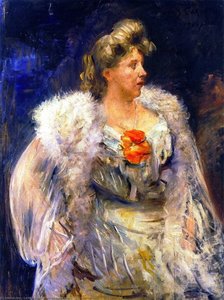
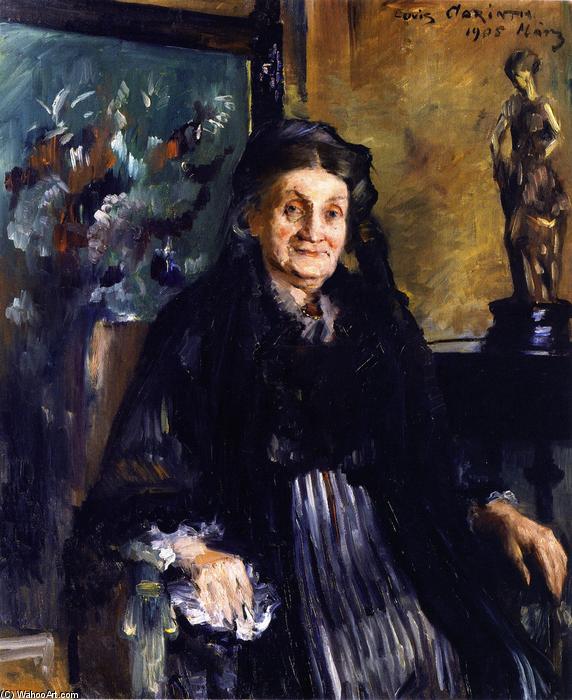
Frau Marie Moll
 Acrylic On Canvas
- WallArt
- Bridging Impressionism & Expressionism
 1905
1905- 19th Century
 Österreichische Galerie Belvedere
 Weiterlesen
Handgefertigte Ölreproduktion
Handgemaltes Ölgemälde auf Leinwand in Ihrer Wunschgröße und mit Rahmen, auf Bestellung von unseren Künstlern angefertigt. ( Druck bestellen Bild kaufen)




P118B $10

P118H $10

P118W $10

P438Z $10

P508JH $12

P508YH $12

P805H $10

P805Z $10

P919BZ $10

P919G $10

P919XJ $10

P959ZH $10

P968JZ $12

W106C $8

W218G $10

W218JH $8

W218Y $10

W307PJ $10

W316G $10

W316PJ $8

W316Y $10

W398PJ $8

W4111J $10

W500HY $15

W500JH $15

W692G $12

W849H $8

W940BG $15

W953PJ $8




Wählen Sie aus unseren vordefinierten Formaten, die den ursprünglichen Proportionen des Kunstwerks entsprechen.

Sie können Ihre eigenen Maße eingeben, um einen bestimmten Rahmen oder Platz auszufüllen. Wenn die gewählte Größe nicht den Proportionen des Originalbildes entspricht, werden wir das Kunstwerk entweder beschneiden oder das Gemälde durch zusätzliche, handgemalte Elemente erweitern. Ein digitales Mockup wird Ihnen zur Genehmigung zugesandt, bevor die Produktion beginnt.
Bitte beachten Sie, dass die Bildschirmvorschau nicht die tatsächliche Beschneidung oder Erweiterung widerspiegelt. Nur das Mockup zeigt die endgültige Komposition exakt an.
Obwohl Sondermaße verfügbar sind, empfehlen wir, eine Größe aus der vordefinierten Liste zu wählen, um die ursprünglichen Proportionen beizubehalten.
Nach der Bestellung wird das ArtsDot.com-Team dem Kunden Anweisungen per E-Mail zusenden und eine Mockup-Vorschau bereitstellen.
Weltweiter Versand () in nur 3 bis 4 Wochen statt der üblichen 5 Wochen. (20 August). Keine Kompromisse bei der Qualität.

Kostenloser weltweiter Expressversand

Hochwertige Leinenleinwand

Umfassender Versicherungsschutz beim Versand

Zollgebühren-Rückerstattungsgarantie

Garantie für exakte Farbtreue

60 Tage Rückgaberecht (nur bei Mängeln)

100% Geld-zurück-Garantie

Mengenrabatt verfügbar
 Die Glasoption ist nur für Größen unter 110 cm verfügbar.

Frau Marie Moll
Art der Reproduktion
Format der Reproduktion
-


Gesamtpreis
$ 263
Beschreibung des Kunstwerks
Frau Marie Moll: A Portrait of Quiet Strength
Lovis Corinth’s “Frau Marie Moll,” painted in 1905, isn't merely a portrait; it’s a carefully constructed tableau of domesticity and understated dignity. The work immediately draws the eye to its subject – a woman seated by a window, her gaze direct and contemplative. She is not posed dramatically or adorned with extravagant jewelry, yet she possesses an undeniable presence, radiating a quiet strength that speaks volumes about her life and character. Corinth, a master of capturing fleeting moments and emotional resonance, has rendered this ordinary scene into something profoundly moving.
The painting’s style firmly places it within the burgeoning Expressionist movement, though with a distinctly personal stamp. Corinth moved away from purely academic realism, embracing bolder colors, looser brushstrokes, and an emphasis on conveying inner feeling rather than simply replicating external appearances. Notice how he utilizes light – a warm, diffused glow emanating from the window behind her – to sculpt her face and create a sense of intimacy. The muted palette—primarily browns, grays, and subtle blues—contributes to the painting’s melancholic yet comforting atmosphere. It's a deliberate choice that avoids superficiality, inviting viewers to contemplate the complexities beneath the surface.
The Setting: A Window into Domestic Life
The setting itself is crucial to understanding the work’s meaning. The window isn’t just a backdrop; it’s an active participant in the scene. It frames her face, suggesting both confinement and connection – she's enclosed within her domestic sphere yet simultaneously linked to the world outside. A piano sits quietly in the background, hinting at a life filled with music and perhaps family gatherings. The vases scattered around the room—a simple bouquet of flowers—add a touch of beauty and warmth, reinforcing the theme of home and comfort. Corinth’s meticulous attention to detail – from the texture of the fabrics to the arrangement of objects – creates a believable and deeply evocative interior space.
The inclusion of two statues on either side of the scene adds an intriguing layer of symbolism. These aren't grand, imposing figures; they are small, almost unassuming sculptures, likely representing classical deities or mythological characters. Their presence suggests a connection to tradition, history, and perhaps even a sense of timelessness. Corinth’s placement of them subtly elevates the portrait beyond a simple likeness, transforming it into a meditation on the enduring values of family, faith, and artistic legacy.
Symbolism and Emotional Resonance
“Frau Marie Moll” is rich in symbolic meaning. The handkerchief clutched in her hands speaks to vulnerability and perhaps a recent emotional experience – a moment of sadness or reflection. Her direct gaze challenges the viewer, inviting us to share in her thoughts and feelings. Corinth masterfully captures a sense of quiet dignity and resilience—a woman who has weathered life’s storms with grace and composure. The painting isn't about grand gestures or dramatic displays; it’s about the subtle beauty of everyday moments and the profound strength found within ordinary lives.
Furthermore, considering Corinth’s own life – his struggles with illness, his complex relationships, and his evolving artistic style – adds another layer of depth to the work. “Frau Marie Moll” can be interpreted as a reflection of Corinth's own desire for stability and connection amidst personal turmoil. It’s a poignant reminder that even in moments of uncertainty, beauty and meaning can be found in the simplest of human experiences.
A Timeless Masterpiece
“Frau Marie Moll” remains a powerful testament to Lovis Corinth's artistic vision. Its enduring appeal lies not only in its technical brilliance but also in its ability to evoke profound emotions and invite contemplation. It’s a portrait that transcends the limitations of genre, offering a glimpse into the soul of a woman and a meditation on the complexities of human existence. Whether viewed as a historical document or a purely aesthetic experience, this painting continues to captivate and inspire viewers today.
Ähnliche Kunstwerke
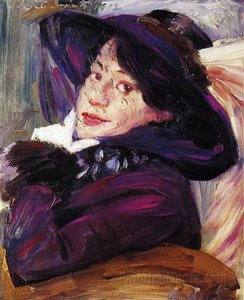
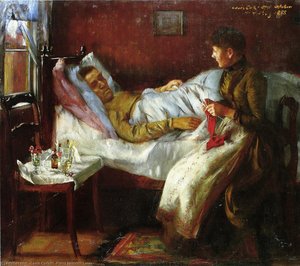
Über den Künstler
Frühes Leben und Ausbildung
Lovis Corinth, geboren Franz Heinrich Louis am 21. Juli 1858 in Tapiau, Preußen, war ein deutscher Künstler und Schriftsteller, dessen reifes Werk als Maler und Grafiker eine Synthese aus Impressionismus und Expressionismus realisierte. Corinthians frühes Leben war geprägt von seinem Talent zum Zeichnen, das ihn dazu veranlasste, ab 1876 an der Akademie Königsbergs Malerei zu studieren.Künstlerische Entwicklung
Corinthians künstlerische Entwicklung wurde von mehreren Schlüsselfiguren und Bewegungen beeinflusst:- Lovis Corinth's frühe Arbeit war naturalistisch geprägt, was durch seinen Lehrer Otto Günther gefördert wurde.
- Er studierte unter Ludwig von Löfftz an der Akademie der Bildenden Künste München, die eine sorgfältige Beobachtung von Farben und Werten betonte.
- Corinth wurde auch von Courbet und der Barbizon-Schule sowie von den Werken Rubes während seiner Zeit in Antwerpen beeinflusst.
Wichtige Werke und Stil
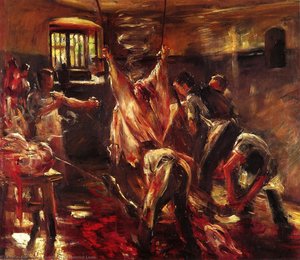
Zu Corinthians bemerkenswertesten Werken gehören:- In der Schlachthof-Szene (78 x 89 cm, Staatsgalerie Stuttgart, Deutschland), das seine Verwendung von Öl auf Leinwand zeigt.
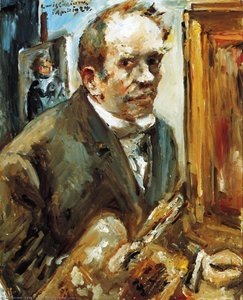
- Selbstbildnis (47 x 53 cm, Kunsthalle Bremen, Deutschland), das sein Können im Zeichnen demonstriert.
- weibliche Halbnackte mit Hut (283 x 383 cm, Kunstpalast Düsseldorf, Deutschland), das seine Verwendung von Bleistift hervorhebt.
Späteres Leben und Vermächtnis
Corinthians späteres Leben war geprägt von seiner Präsidentschaft der Berliner Sezession von 1915 bis 1925. Er veröffentlichte auch zahlreiche Essays über Kunstgeschichte, darunter "Das Erlernen der Malerei" im Jahr 1908. Corinth starb am 17. Juli 1925 nach einem Schlaganfall im Jahr 1911, der ihn teilweise gelähmt hatte. Wichtige Links:- Besuchen Sie die Künstlerseite von Lovis Corinth auf ArtsDot
- Lesen Sie mehr über Lovis Corinth auf Wikipedia
- Sehen Sie "In der Schlachthof-Szene" von Lovis Corinth auf ArtsDot
Bedeutung und Einfluss
Corinth gilt als einer der wichtigsten Künstler des deutschen Modernismus. Seine Werke verbinden impressionistische Elemente mit expressionistischen Tendenzen, was ihm eine einzigartige Position in der Kunstgeschichte einbrachte. Er beeinflusste nachfolgende Generationen von Künstlern und trug maßgeblich zur Entwicklung der modernen Kunst in Deutschland bei. Sein Einfluss ist bis heute spürbar.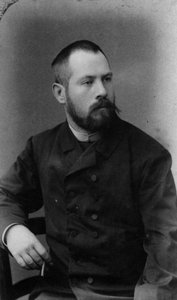
Lovis Corinth
1858 - 1925 , Niederlande
Kurzinfos
- Beeinflusste Künstler:
- Kirchner
- Beckmann
- Baselitz
- Bemerkenswerte Werke:
- In der Schlachthof-Szene
- Selbstbildnis
- Female Semi-Nude with Hat
- Einflüsse:
- Courbet
- Barbizon Schule
- Rubens
- Geburtsdatum: 21. Juli 1858
- Geburtsort: Tauwade, Niederlande
- Künstlerische Richtung: Impressionismus & Expressionismus
- Nationalität: Deutsch
- Sterbedatum: 17. Juli 1925
- Vollständiger Name: Lovis Corinth (Franz Heinrich Louis)
Ähnliche Artikel

The Enduring Legacy of Oil on Canvas: Technique, History & Aesthetic Impact
Explore the rich history & techniques of oil painting – from Renaissance masters to Impressionism. Discover pigments, layering methods, and why this timeless medium endures. Expert insights for artists & art enthusiasts.
Lovis Corinth: Brückenbauer zwischen Impressionismus und Expressionismus – Eine künstlerische Entwicklung
Entdecken Sie Lovis Corinths faszinierende künstlerische Entwicklung! Von Realismus über Impressionismus bis Expressionismus – eine detaillierte Analyse seiner Werke, seines Einflusses und der Berliner Secession. Jetzt lesen!

Öl auf Leinwand: Eine historische und technische Erkundung eines zeitlosen künstlerischen Mediums
Entdecken Sie die faszinierende Welt der Ölmalerei! Von historischen Techniken bis zur modernen Anwendung – wir bieten Expertenwissen, Restaurierungstipps und hochwertige Reproduktionen. Jetzt informieren!

The Enduring Power of Painting: A Historical & Contemporary Exploration of Form and Emotion
Explore the rich history & enduring techniques of oil painting with ArtsDot. Discover masterpieces, learn about art collecting, and find authentic handmade reproductions crafted by skilled artists.

Das bleibende Erbe der Ölmalerei: Technik, Geschichte und zeitgenössische Praxis
Entdecken Sie die faszinierende Geschichte der Ölmalerei – von den frühen Techniken bis zur modernen Kunst. Expertenwissen, detaillierte Analysen und Inspiration für Sammler & Kunstliebhaber.