 Vorschau anzeigen
 Versenden
 Teilen
 Details anzeigen

 Herunterladen
 Ähnliche Objekte
 Röntgenaufnahme
 Diashow
 Stats
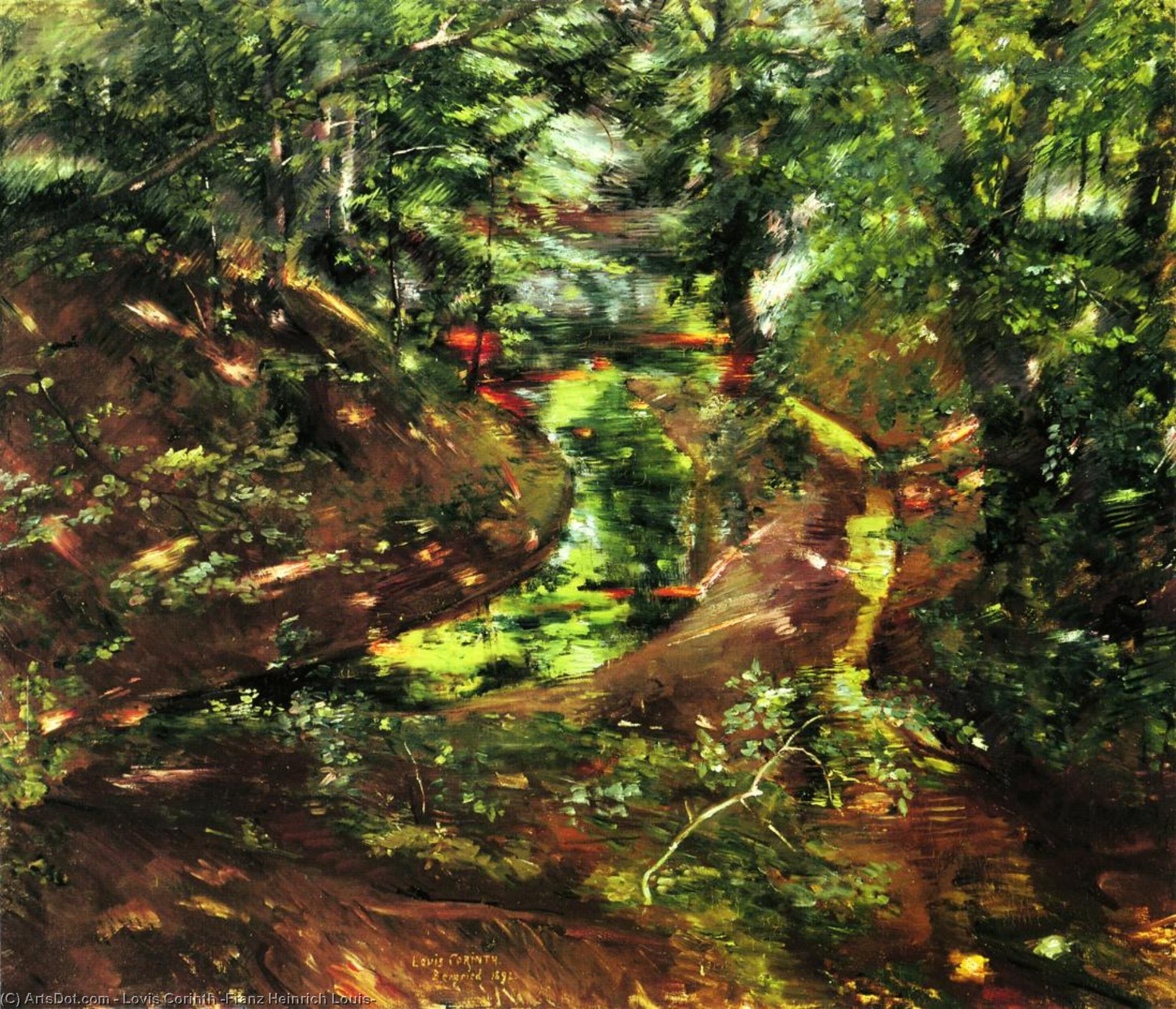
StatsIn the Woods near Bernried
 Oil
Oil- WallArt
- Impressionism
 1892
1892- 19th Century
 94.0 x 110.0 cm
 Weiterlesen
Giclée / Kunstdruck
Giclée- oder Leinwanddruck in Museumsqualität mit schneller Produktion und flexiblen Veredelungsoptionen. ( Handgemalte Reproduktion bestellen Switch to Digital Image)




P118B $10

P118H $10

P118W $10

P438Z $10

P508JH $12

P508YH $12

P805H $10

P805Z $10

P919BZ $10

P919G $10

P919XJ $10

P959ZH $10

P968JZ $12

W106C $8

W218G $10

W218JH $8

W218Y $10

W307PJ $10

W316G $10

W316PJ $8

W316Y $10

W398PJ $8

W4111J $10

W500HY $15

W500JH $15

W692G $12

W849H $8

W940BG $15

W953PJ $8




Wählen Sie aus unseren vordefinierten Formaten, die den ursprünglichen Proportionen des Kunstwerks entsprechen.

Sie können Ihre eigenen Maße eingeben, um ein bestimmtes Format oder einen speziellen Platz einzupassen. Wenn das von Ihnen gewählte Format nicht den Proportionen des Originalbildes entspricht, werden wir das Kunstwerk entweder beschneiden oder das Bild mit einem gespiegelten oder einfarbigen Rand erweitern. Ein digitaler Entwurf wird Ihnen zur Genehmigung zugesandt, bevor die Produktion beginnt.
Bitte beachten Sie, dass die Vorschau auf dem Bildschirm nicht den tatsächlichen Zuschnitt oder die Erweiterung widerspiegelt. Nur der Entwurf zeigt die endgültige Komposition präzise an.
Obwohl Sondermaße verfügbar sind, empfehlen wir die Auswahl eines Maßes aus der vordefinierten Liste, um die ursprünglichen Proportionen zu bewahren.
Weltweiter Versand () innerhalb von 2 Wochen statt der üblichen 4/5 Wochen. (7 September)

Kostenloser weltweiter Expressversand

Hochwertige Leinenleinwand

Umfassender Versicherungsschutz beim Versand

Zollgebühren-Rückerstattungsgarantie

Garantie für exakte Farbtreue

100-Tage-Rückgaberecht (nur bei Mängeln)

100% Geld-zurück-Garantie

Mengenrabatt verfügbar
 Die Glasoption ist nur für Größen unter 110 cm verfügbar.

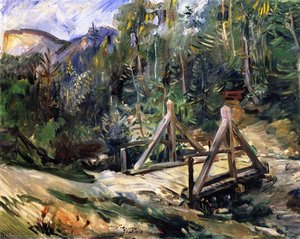
In the Woods near Bernried
Giclée / Kunstdruck
Format der Reproduktion
-


Gesamtpreis
$ 62
A Serene Escape into the Heart of Nature
In the quietude of In the Woods near Bernried, we are invited to step away from the frantic pace of modern existence and wander into a realm of profound tranquility. Painted in 1892 by the master Lovis Corinth, this evocative landscape captures a moment of suspended animation within a lush, verdant forest. A gentle pathway meanders through the composition, acting as a visual guide that draws the viewer’s eye deep into the heart of the woods. The scene is not merely a depiction of flora and fauna, but a living, breathing ecosystem where humanity and nature exist in perfect, rhythmic harmony. As sunlight filters through the dense canopy, it illuminates a soft tapestry of greens, browns, and golden hues, creating an atmosphere that feels both intimate and expansive.
The composition is masterfully balanced, populated by figures that lend a sense of narrative scale to the towering trees. Some travelers stroll leisurely along the path, while others linger in quiet contemplation near the forest's edge. The presence of a loyal dog, resting toward the right side of the frame, adds a touch of domestic warmth and companionship to the wild setting. This inclusion of life—both human and animal—transforms the woods from a lonely wilderness into a sanctuary of shared peace. For the collector or interior designer, this piece serves as a window into a more contemplative era, offering a focal point that breathes life and organic calm into any sophisticated living space.
The Mastery of Corinth’s Impressionistic Touch
Technically, In the Woods near Bernried showcases the burgeoning brilliance of Corinth’s evolving style. During this period of his career, Corinth was navigating the transition from academic precision toward a more fluid, expressive approach that would eventually define his legacy. The brushwork here is deliberate yet spirited, capturing the texture of bark, the softness of moss, and the dappled light dancing upon the forest floor. There is a palpable sense of movement in the way the paint is applied, suggesting the rustle of leaves and the gentle breeze moving through the branches.
The color palette is a sophisticated study in naturalism. By layering subtle variations of earth tones with vibrant highlights, Corinth achieves a depth that makes the forest feel three-dimensional. This technique does more than just replicate reality; it evokes an emotional response. The painting carries a weight of nostalgia and a longing for the pastoral, making it an ideal selection for those looking to introduce a sense of timelessness and organic elegance into their decor. To possess a reproduction of this work is to bring a piece of late 19th-century European soul into the contemporary home, providing a constant source of aesthetic inspiration and emotional repose.
Ähnliche Kunstwerke
Über den Künstler
Frühes Leben und Ausbildung
Lovis Corinth, geboren Franz Heinrich Louis am 21. Juli 1858 in Tapiau, Preußen, war ein deutscher Künstler und Schriftsteller, dessen reifes Werk als Maler und Grafiker eine Synthese aus Impressionismus und Expressionismus realisierte. Corinthians frühes Leben war geprägt von seinem Talent zum Zeichnen, das ihn dazu veranlasste, ab 1876 an der Akademie Königsbergs Malerei zu studieren.Künstlerische Entwicklung
Corinthians künstlerische Entwicklung wurde von mehreren Schlüsselfiguren und Bewegungen beeinflusst:- Lovis Corinth's frühe Arbeit war naturalistisch geprägt, was durch seinen Lehrer Otto Günther gefördert wurde.
- Er studierte unter Ludwig von Löfftz an der Akademie der Bildenden Künste München, die eine sorgfältige Beobachtung von Farben und Werten betonte.
- Corinth wurde auch von Courbet und der Barbizon-Schule sowie von den Werken Rubes während seiner Zeit in Antwerpen beeinflusst.
Wichtige Werke und Stil
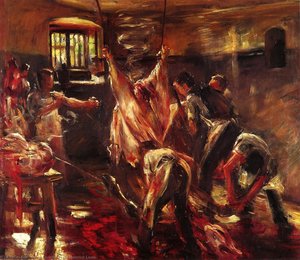
Zu Corinthians bemerkenswertesten Werken gehören:- In der Schlachthof-Szene (78 x 89 cm, Staatsgalerie Stuttgart, Deutschland), das seine Verwendung von Öl auf Leinwand zeigt.
- Selbstbildnis (47 x 53 cm, Kunsthalle Bremen, Deutschland), das sein Können im Zeichnen demonstriert.
- weibliche Halbnackte mit Hut (283 x 383 cm, Kunstpalast Düsseldorf, Deutschland), das seine Verwendung von Bleistift hervorhebt.
Späteres Leben und Vermächtnis
Corinthians späteres Leben war geprägt von seiner Präsidentschaft der Berliner Sezession von 1915 bis 1925. Er veröffentlichte auch zahlreiche Essays über Kunstgeschichte, darunter "Das Erlernen der Malerei" im Jahr 1908. Corinth starb am 17. Juli 1925 nach einem Schlaganfall im Jahr 1911, der ihn teilweise gelähmt hatte. Wichtige Links:- Besuchen Sie die Künstlerseite von Lovis Corinth auf ArtsDot
- Lesen Sie mehr über Lovis Corinth auf Wikipedia
- Sehen Sie "In der Schlachthof-Szene" von Lovis Corinth auf ArtsDot
Bedeutung und Einfluss
Corinth gilt als einer der wichtigsten Künstler des deutschen Modernismus. Seine Werke verbinden impressionistische Elemente mit expressionistischen Tendenzen, was ihm eine einzigartige Position in der Kunstgeschichte einbrachte. Er beeinflusste nachfolgende Generationen von Künstlern und trug maßgeblich zur Entwicklung der modernen Kunst in Deutschland bei. Sein Einfluss ist bis heute spürbar.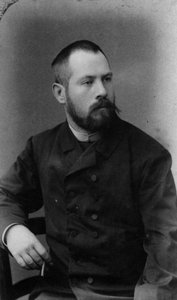
Lovis Corinth
1858 - 1925 , Niederlande
Kurzinfos
- Beeinflusste Künstler:
- Kirchner
- Beckmann
- Baselitz
- Bemerkenswerte Werke:
- In der Schlachthof-Szene
- Selbstbildnis
- Female Semi-Nude with Hat
- Einflüsse:
- Courbet
- Barbizon Schule
- Rubens
- Geburtsdatum: 21. Juli 1858
- Geburtsort: Tauwade, Niederlande
- Künstlerische Richtung: Impressionismus & Expressionismus
- Nationalität: Deutsch
- Sterbedatum: 17. Juli 1925
- Vollständiger Name: Lovis Corinth (Franz Heinrich Louis)
Ähnliche Artikel
Claude Monet: Die 25 Meisterwerke des Impressionismus für Ihr Zuhause | ArtsDot
Entdecken Sie die 25 Meisterwerke von Claude Monet! Tauchen Sie ein in die Welt des Impressionismus, erleben Sie Seerosen, Sonnenaufgänge & Kathedralen. Hochwertige Reproduktionen für Ihr Zuhause – exklusiv auf ArtsDot.com.
Ruhe und Harmonie: Die 10 ikonischsten Kunstwerke für Ihr Zuhause
Entdecken Sie die 10 ikonischsten Kunstwerke, die Ruhe und Harmonie verkörpern – von Monets Seerosen bis Van Goghs Sternennacht. Erfahren Sie mehr über Künstler & Techniken! Museum-Qualität bei ArtsDot.com
Nature’s Sanctuary: Curating Enchanting Forest Artworks to Transform Your Home into a Serene Woodland Retreat
Transform your home into a serene woodland retreat with enchanting forest artworks. Discover museum-quality oil reproductions and custom landscape commissions designed to bring the peaceful beauty of nature indoors.
Top 10 Kunstwerke für tiefe Ruhe: Meisterwerke & Inspirationen |
Entdecken Sie die Top 10 Kunstwerke für tiefe Ruhe & Entspannung! Von Monet bis Van Gogh – Meisterwerke der Impressionisten, japanische Druckkunst und mehr. Finden Sie Ihre perfekte Leinwand auf
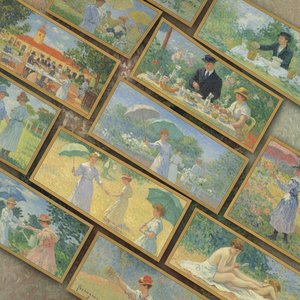
Pierre-Auguste Renoir: Die 25 Meisterwerke des Impressionismus für Ihr Zuhause | ArtsDot
Entdecken Sie die 25 schönsten Meisterwerke von Pierre-Auguste Renoir! Tauchen Sie ein in die Welt des Impressionismus, erleben Sie berühmte Gemälde wie 'Bal au moulin de la Galette' und finden Sie hochwertige Kunstdrucke für Ihr Zuhause. Jetzt auf ArtsDot.com!