 Vorschau anzeigen
 Versenden
 Teilen
 Details anzeigen

 Herunterladen
 Ähnliche Objekte
 Röntgenaufnahme
 Diashow
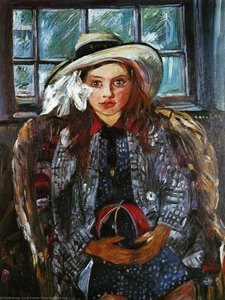
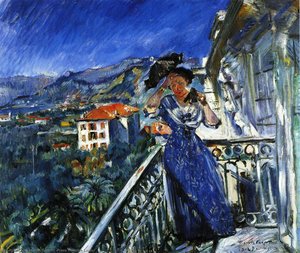
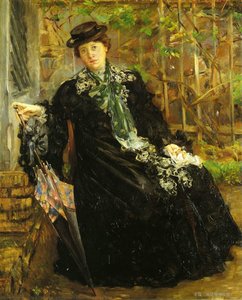
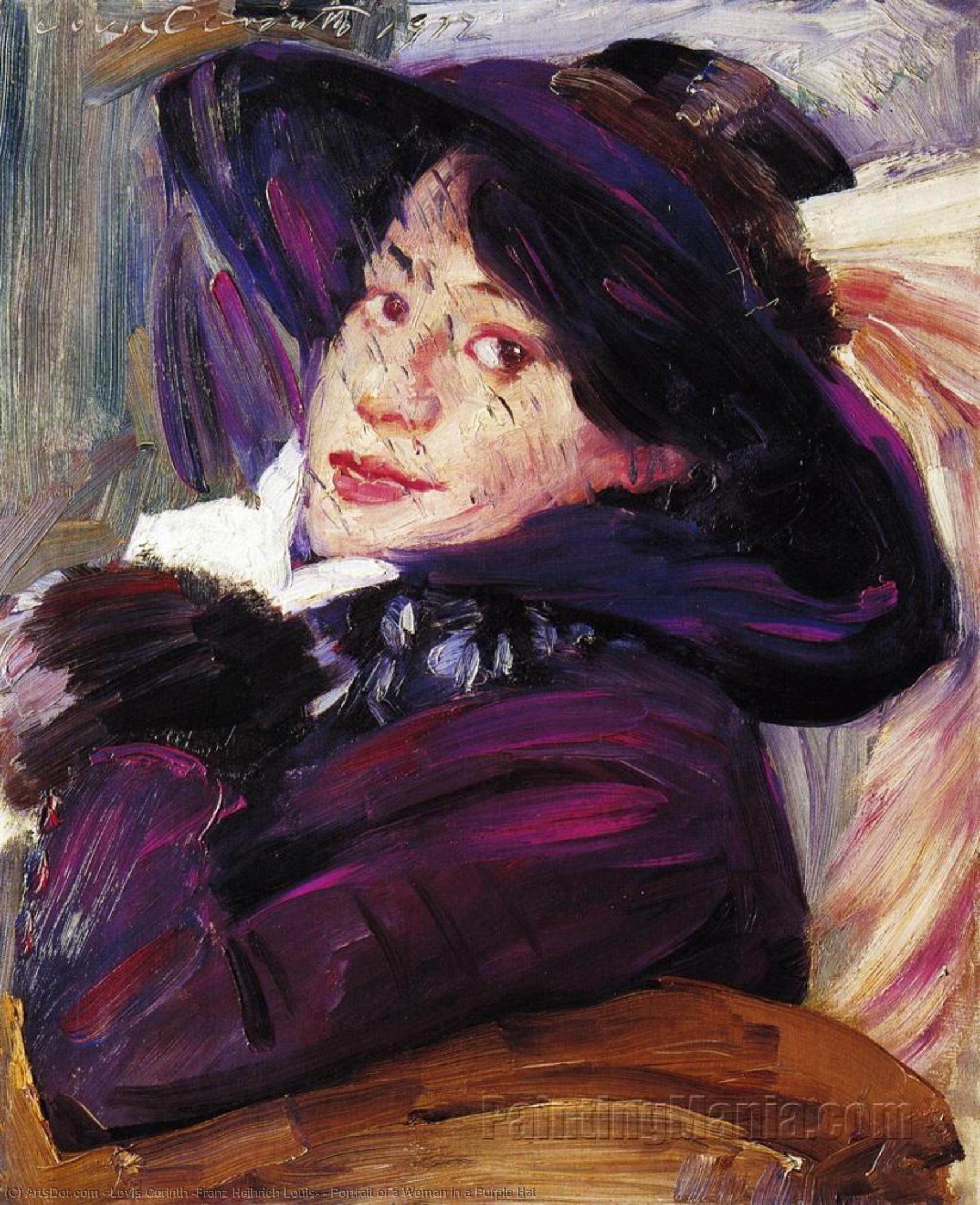
Portrait of a Woman in a Purple Hat
 Acrylic On Canvas
- WallArt
- Impressionism
 1912
1912- 19th Century
 64.0 x 50.0 cm
 Deutsches Nationalmuseum
 Weiterlesen
Giclée / Kunstdruck
Giclée- oder Leinwanddruck in Museumsqualität mit schneller Produktion und flexiblen Veredelungsoptionen. ( Handgemalte Reproduktion bestellen Bild kaufen)




P118B $10

P118H $10

P118W $10

P438Z $10

P508JH $12

P508YH $12

P805H $10

P805Z $10

P919BZ $10

P919G $10

P919XJ $10

P959ZH $10

P968JZ $12

W106C $8

W218G $10

W218JH $8

W218Y $10

W307PJ $10

W316G $10

W316PJ $8

W316Y $10

W398PJ $8

W4111J $10

W500HY $15

W500JH $15

W692G $12

W849H $8

W940BG $15

W953PJ $8




Wählen Sie aus unseren vordefinierten Formaten, die den ursprünglichen Proportionen des Kunstwerks entsprechen.

Sie können Ihre eigenen Maße eingeben, um ein bestimmtes Format oder einen speziellen Platz einzupassen. Wenn das von Ihnen gewählte Format nicht den Proportionen des Originalbildes entspricht, werden wir das Kunstwerk entweder beschneiden oder das Bild mit einem gespiegelten oder einfarbigen Rand erweitern. Ein digitaler Entwurf wird Ihnen zur Genehmigung zugesandt, bevor die Produktion beginnt.
Bitte beachten Sie, dass die Vorschau auf dem Bildschirm nicht den tatsächlichen Zuschnitt oder die Erweiterung widerspiegelt. Nur der Entwurf zeigt die endgültige Komposition präzise an.
Obwohl Sondermaße verfügbar sind, empfehlen wir die Auswahl eines Maßes aus der vordefinierten Liste, um die ursprünglichen Proportionen zu bewahren.
Weltweiter Versand () innerhalb von 2 Wochen statt der üblichen 4/5 Wochen. (29 August)

Kostenloser weltweiter Expressversand

Hochwertige Leinenleinwand

Umfassender Versicherungsschutz beim Versand

Zollgebühren-Rückerstattungsgarantie

Garantie für exakte Farbtreue

60 Tage Rückgaberecht (nur bei Mängeln)

100% Geld-zurück-Garantie

Mengenrabatt verfügbar
 Die Glasoption ist nur für Größen unter 110 cm verfügbar.

Portrait of a Woman in a Purple Hat
Giclée / Kunstdruck
Format der Reproduktion
-


Gesamtpreis
$ 62
A Moment of Quiet Grace: Lovis Corinth’s ‘Portrait of a Woman in a Purple Hat’
Lovis Corinth's 1912 painting, “Portrait of a Woman in a Purple Hat,” is more than just a likeness; it’s an intimate capture of a fleeting moment – a woman bathed in quiet joy and self-assuredness. Executed during a pivotal period in the artist’s career, this work exemplifies his evolving style, blending Impressionistic sensibilities with a burgeoning Expressionist drive to convey emotion and psychological depth. Measuring 64 x 50 cm, the painting invites viewers into its world, offering a glimpse of a private scene rendered with remarkable sensitivity.
The Artist’s Journey: Corinth and His Vision
- Born in Tauwade, Netherlands in 1858, Lovis Corinth initially resisted the rigid conventions of academic art.
- His early travels – to Munich, Antwerp, and ultimately Paris – were instrumental in shaping his artistic vision, exposing him to diverse influences including Degas and Renoir.
- Corinth’s work is characterized by a bold use of color, loose brushwork, and a focus on capturing the essence of human emotion rather than photographic realism.
Style and Technique: Impressionism with an Edge
The painting showcases Corinth's masterful technique, employing visible brushstrokes that create a sense of movement and immediacy. The application of paint is thick in areas – particularly around the woman’s face and hat – contributing to a three-dimensional effect. His use of color is vibrant yet nuanced; the deep purple of the hat immediately draws the eye, while the black coat provides a grounding contrast. Corinth's approach leans heavily into Impressionism, evident in his focus on capturing light and atmosphere, but with a distinctly personal and emotionally charged interpretation. The slightly asymmetrical composition adds to the painting’s dynamic quality.
Symbolism and Emotional Resonance
The woman herself is the focal point of this portrait, her direct gaze engaging the viewer and suggesting a quiet confidence. The purple hat, a bold statement in its time, could be interpreted as a symbol of individuality and perhaps even rebellion against societal norms – reflecting Corinth’s own rejection of artistic conventions. Her relaxed posture and subtle smile convey a sense of contentment and self-possession. The chair she occupies suggests a moment of respite, inviting the viewer to share in her tranquility. The painting's emotional impact is profoundly human; it speaks to themes of beauty, serenity, and the simple pleasures of life.
Historical Context: A Portrait of Transition
Created in 1912, “Portrait of a Woman in a Purple Hat” represents a crucial moment in Corinth’s artistic development. Following his time in Paris, he was increasingly drawn to the landscapes and people of the Netherlands, seeking inspiration in the raw beauty of the Dutch countryside. This painting reflects this shift, capturing a sense of domestic tranquility while simultaneously hinting at the artist's ongoing exploration of psychological depth and emotional intensity. It’s a testament to Corinth’s ability to synthesize diverse influences into a uniquely personal style – a style that continues to resonate with viewers today.
Ähnliche Kunstwerke
Über den Künstler
Frühes Leben und Ausbildung
Lovis Corinth, geboren Franz Heinrich Louis am 21. Juli 1858 in Tapiau, Preußen, war ein deutscher Künstler und Schriftsteller, dessen reifes Werk als Maler und Grafiker eine Synthese aus Impressionismus und Expressionismus realisierte. Corinthians frühes Leben war geprägt von seinem Talent zum Zeichnen, das ihn dazu veranlasste, ab 1876 an der Akademie Königsbergs Malerei zu studieren.Künstlerische Entwicklung
Corinthians künstlerische Entwicklung wurde von mehreren Schlüsselfiguren und Bewegungen beeinflusst:- Lovis Corinth's frühe Arbeit war naturalistisch geprägt, was durch seinen Lehrer Otto Günther gefördert wurde.
- Er studierte unter Ludwig von Löfftz an der Akademie der Bildenden Künste München, die eine sorgfältige Beobachtung von Farben und Werten betonte.
- Corinth wurde auch von Courbet und der Barbizon-Schule sowie von den Werken Rubes während seiner Zeit in Antwerpen beeinflusst.
Wichtige Werke und Stil
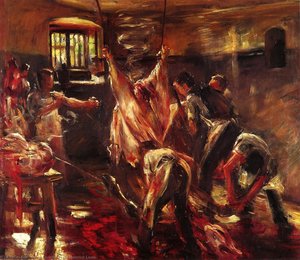
Zu Corinthians bemerkenswertesten Werken gehören:- In der Schlachthof-Szene (78 x 89 cm, Staatsgalerie Stuttgart, Deutschland), das seine Verwendung von Öl auf Leinwand zeigt.
- Selbstbildnis (47 x 53 cm, Kunsthalle Bremen, Deutschland), das sein Können im Zeichnen demonstriert.
- weibliche Halbnackte mit Hut (283 x 383 cm, Kunstpalast Düsseldorf, Deutschland), das seine Verwendung von Bleistift hervorhebt.
Späteres Leben und Vermächtnis
Corinthians späteres Leben war geprägt von seiner Präsidentschaft der Berliner Sezession von 1915 bis 1925. Er veröffentlichte auch zahlreiche Essays über Kunstgeschichte, darunter "Das Erlernen der Malerei" im Jahr 1908. Corinth starb am 17. Juli 1925 nach einem Schlaganfall im Jahr 1911, der ihn teilweise gelähmt hatte. Wichtige Links:- Besuchen Sie die Künstlerseite von Lovis Corinth auf ArtsDot
- Lesen Sie mehr über Lovis Corinth auf Wikipedia
- Sehen Sie "In der Schlachthof-Szene" von Lovis Corinth auf ArtsDot
Bedeutung und Einfluss
Corinth gilt als einer der wichtigsten Künstler des deutschen Modernismus. Seine Werke verbinden impressionistische Elemente mit expressionistischen Tendenzen, was ihm eine einzigartige Position in der Kunstgeschichte einbrachte. Er beeinflusste nachfolgende Generationen von Künstlern und trug maßgeblich zur Entwicklung der modernen Kunst in Deutschland bei. Sein Einfluss ist bis heute spürbar.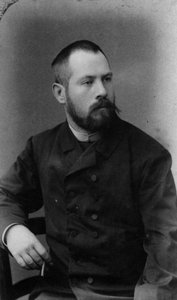
Lovis Corinth
1858 - 1925 , Niederlande
Kurzinfos
- Beeinflusste Künstler:
- Kirchner
- Beckmann
- Baselitz
- Bemerkenswerte Werke:
- In der Schlachthof-Szene
- Selbstbildnis
- Female Semi-Nude with Hat
- Einflüsse:
- Courbet
- Barbizon Schule
- Rubens
- Geburtsdatum: 21. Juli 1858
- Geburtsort: Tauwade, Niederlande
- Künstlerische Richtung: Impressionismus & Expressionismus
- Nationalität: Deutsch
- Sterbedatum: 17. Juli 1925
- Vollständiger Name: Lovis Corinth (Franz Heinrich Louis)
Ähnliche Artikel

Echoes of Time: Exploring the Enduring Appeal & Historical Context of Vintage Art Prints
Explore the captivating world of vintage art prints! Discover their history, collecting tips & enduring appeal. Expert insights on chromolithography and building a legacy collection with ArtsDot.

Giclée Prints: Archival Quality & Aesthetic Nuances for the Discerning Collector
Explore the world of giclée prints with ArtsDot. Learn about archival quality, aesthetic nuances & investment potential. Expert guidance for discerning art collectors seeking museum-quality reproductions and lasting value.
Transforming Spaces: A Comprehensive Exploration of Wall Decor Through Art History & Contemporary Practice
Explore the art of transforming spaces with our comprehensive guide to wall decor. From historical movements to contemporary trends, discover how to curate impactful interiors and commission bespoke artwork for a truly personalized aesthetic.
Die Rückkehr des Freskos: Wandgemälde als Luxusstatement für exklusive Innenräume
Entdecken Sie die Welt der Wandgemälde! Exklusive Designs für Hotels & Wohnräume. Expertenberatung, hochwertige Materialien & individuelle Kunstprojekte – Ihr Partner für einzigartige Raumgestaltung.

The Enduring Legacy of Fine Art Prints: Technique, History & Aesthetic Impact
Explore the rich history & techniques of fine art prints. Discover investment potential, assess authenticity, and learn how to preserve your collection with expert guidance. Trusted insights for discerning collectors.