Vorschau anzeigen
 Versenden
 Teilen
 Details anzeigen

 Herunterladen
 Ähnliche Objekte
 Röntgenaufnahme
 Diashow
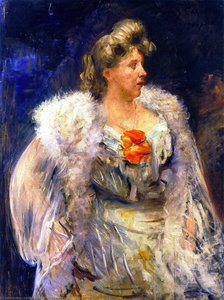
Portrait of Charlotte Berend in a White Dress
 Oil
Oil- WallArt
- Impressionism
 1902
1902- 19th Century
 105.0 x 54.0 cm
 Weiterlesen
Giclée / Kunstdruck
Giclée- oder Leinwanddruck in Museumsqualität mit schneller Produktion und flexiblen Veredelungsoptionen. ( Handgemalte Reproduktion bestellen Bild kaufen)




P118B $10

P118H $10

P118W $10

P438Z $10

P508JH $12

P508YH $12

P805H $10

P805Z $10

P919BZ $10

P919G $10

P919XJ $10

P959ZH $10

P968JZ $12

W106C $8

W218G $10

W218JH $8

W218Y $10

W307PJ $10

W316G $10

W316PJ $8

W316Y $10

W398PJ $8

W4111J $10

W500HY $15

W500JH $15

W692G $12

W849H $8

W940BG $15

W953PJ $8




Wählen Sie aus unseren vordefinierten Formaten, die den ursprünglichen Proportionen des Kunstwerks entsprechen.

Sie können Ihre eigenen Maße eingeben, um ein bestimmtes Format oder einen speziellen Platz einzupassen. Wenn das von Ihnen gewählte Format nicht den Proportionen des Originalbildes entspricht, werden wir das Kunstwerk entweder beschneiden oder das Bild mit einem gespiegelten oder einfarbigen Rand erweitern. Ein digitaler Entwurf wird Ihnen zur Genehmigung zugesandt, bevor die Produktion beginnt.
Bitte beachten Sie, dass die Vorschau auf dem Bildschirm nicht den tatsächlichen Zuschnitt oder die Erweiterung widerspiegelt. Nur der Entwurf zeigt die endgültige Komposition präzise an.
Obwohl Sondermaße verfügbar sind, empfehlen wir die Auswahl eines Maßes aus der vordefinierten Liste, um die ursprünglichen Proportionen zu bewahren.
Weltweiter Versand () innerhalb von 2 Wochen statt der üblichen 4/5 Wochen. (1 September)

Kostenloser weltweiter Expressversand

Hochwertige Leinenleinwand

Umfassender Versicherungsschutz beim Versand

Zollgebühren-Rückerstattungsgarantie

Garantie für exakte Farbtreue

60 Tage Rückgaberecht (nur bei Mängeln)

100% Geld-zurück-Garantie

Mengenrabatt verfügbar
 Die Glasoption ist nur für Größen unter 110 cm verfügbar.

Portrait of Charlotte Berend in a White Dress
Giclée / Kunstdruck
Format der Reproduktion
-


Gesamtpreis
$ 62
A Vision in White: The Luminous Presence of Charlotte Berend
In the delicate interplay of light and shadow captured within Portrait of Charlotte Berend in a White Dress, we encounter a moment frozen in time, a masterclass in the ability of Lovis Corinth to breathe life into canvas. Painted in 1902, this portrait serves as more than a mere likeness; it is an evocative study of grace and poise. The subject, Charlotte Berend, stands with a commanding yet gentle presence, her hands resting upon her hips in a gesture that suggests both confidence and a quiet, contemplative stillness. Draped in a pristine white dress that seems to catch the very essence of the surrounding atmosphere, she becomes a focal point of purity amidst a subtly complex background. The artist’s ability to render the texture of the fabric, the soft curve of her bun, and the delicate touch of a flower held in her hand invites the viewer into an intimate encounter with a bygone era.
The composition is masterfully balanced, utilizing a sense of depth that draws the eye through the frame. While Charlotte remains the undisputed protagonist, Corinth subtly populates the periphery with the ghostly, partial figures of others, creating a narrative layer that suggests a larger social tapestry unfolding just beyond the immediate focus. The inclusion of a solitary chair in the lower corner adds a touch of domestic realism, grounding the ethereal quality of the white dress in a tangible, lived-in space. This careful arrangement of elements creates a rhythmic flow, guiding the observer from the sharp clarity of the subject to the soft, atmospheric depths of the background, making the painting a captivating piece for any collection focused on portraiture and character study.
The Mastery of Lovis Corinth: Technique and Impressionistic Soul
To behold a work by Lovis Corinth is to witness the transition of European art from the rigid structures of academic tradition toward the emotive freedom of modernism. In this 1902 masterpiece, one can observe his signature technique—a brushwork that is both deliberate and fluid. Corinth possessed an unparalleled ability to use light not just as a tool for visibility, but as a medium for emotion. The way the light dances across the folds of Charlotte’s white dress demonstrates a profound understanding of tonal variation, where whites are never merely white, but are infused with creams, silvers, and soft greys that suggest the warmth of skin and the coolness of shadows.
His approach to this portrait reflects the burgeoning influence of Impressionism tempered by his German roots. There is a tactile quality to the paint, an almost sculptural weight to the figures that prevents the scene from dissolving into mere abstraction. For the discerning collector or interior designer, this painting offers a sophisticated textural element. The interplay between the crispness of the subject and the more painterly, blurred edges of the background provides a visual complexity that complements both classical and contemporary decor. It is a piece that demands attention through its subtle nuances rather than through loud, jarring colors, making it an ideal centerpiece for a room designed for reflection and elegance.
An Eternal Elegance for the Modern Collector
Beyond its technical brilliance, Portrait of Charlotte Berend in a White Dress carries an emotional resonance that transcends the turn of the century. It evokes a sense of nostalgia for a period of refined beauty, yet its stylistic execution feels remarkably fresh and vital. The painting captures a specific psychological state—a blend of strength and vulnerability that is universally relatable. For those seeking to curate a space filled with art that tells a story, this work offers an unparalleled opportunity to introduce a sense of history and soul into a modern environment.
Whether displayed in a sun-drenched gallery or as a focal point in a sophisticated living space, a high-quality reproduction of this Corinth masterpiece brings with it the prestige of art history. It serves as a conversation starter, an anchor for interior themes of minimalism and luxury, and a testament to the enduring power of the human portrait. To own such a piece is to hold a fragment of the early 20th century's artistic revolution, preserving the light, the movement, and the timeless elegance of Charlotte Berend for generations to come.
Ähnliche Kunstwerke




Über den Künstler
Frühes Leben und Ausbildung
Lovis Corinth, geboren Franz Heinrich Louis am 21. Juli 1858 in Tapiau, Preußen, war ein deutscher Künstler und Schriftsteller, dessen reifes Werk als Maler und Grafiker eine Synthese aus Impressionismus und Expressionismus realisierte. Corinthians frühes Leben war geprägt von seinem Talent zum Zeichnen, das ihn dazu veranlasste, ab 1876 an der Akademie Königsbergs Malerei zu studieren.Künstlerische Entwicklung
Corinthians künstlerische Entwicklung wurde von mehreren Schlüsselfiguren und Bewegungen beeinflusst:- Lovis Corinth's frühe Arbeit war naturalistisch geprägt, was durch seinen Lehrer Otto Günther gefördert wurde.
- Er studierte unter Ludwig von Löfftz an der Akademie der Bildenden Künste München, die eine sorgfältige Beobachtung von Farben und Werten betonte.
- Corinth wurde auch von Courbet und der Barbizon-Schule sowie von den Werken Rubes während seiner Zeit in Antwerpen beeinflusst.
Wichtige Werke und Stil
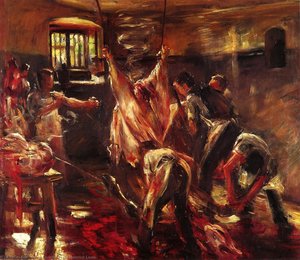
Zu Corinthians bemerkenswertesten Werken gehören:- In der Schlachthof-Szene (78 x 89 cm, Staatsgalerie Stuttgart, Deutschland), das seine Verwendung von Öl auf Leinwand zeigt.
- Selbstbildnis (47 x 53 cm, Kunsthalle Bremen, Deutschland), das sein Können im Zeichnen demonstriert.
- weibliche Halbnackte mit Hut (283 x 383 cm, Kunstpalast Düsseldorf, Deutschland), das seine Verwendung von Bleistift hervorhebt.
Späteres Leben und Vermächtnis
Corinthians späteres Leben war geprägt von seiner Präsidentschaft der Berliner Sezession von 1915 bis 1925. Er veröffentlichte auch zahlreiche Essays über Kunstgeschichte, darunter "Das Erlernen der Malerei" im Jahr 1908. Corinth starb am 17. Juli 1925 nach einem Schlaganfall im Jahr 1911, der ihn teilweise gelähmt hatte. Wichtige Links:- Besuchen Sie die Künstlerseite von Lovis Corinth auf ArtsDot
- Lesen Sie mehr über Lovis Corinth auf Wikipedia
- Sehen Sie "In der Schlachthof-Szene" von Lovis Corinth auf ArtsDot
Bedeutung und Einfluss
Corinth gilt als einer der wichtigsten Künstler des deutschen Modernismus. Seine Werke verbinden impressionistische Elemente mit expressionistischen Tendenzen, was ihm eine einzigartige Position in der Kunstgeschichte einbrachte. Er beeinflusste nachfolgende Generationen von Künstlern und trug maßgeblich zur Entwicklung der modernen Kunst in Deutschland bei. Sein Einfluss ist bis heute spürbar.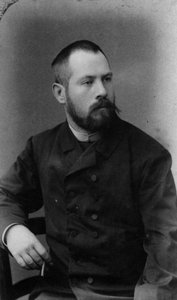
Lovis Corinth
1858 - 1925 , Niederlande
Kurzinfos
- Beeinflusste Künstler:
- Kirchner
- Beckmann
- Baselitz
- Bemerkenswerte Werke:
- In der Schlachthof-Szene
- Selbstbildnis
- Female Semi-Nude with Hat
- Einflüsse:
- Courbet
- Barbizon Schule
- Rubens
- Geburtsdatum: 21. Juli 1858
- Geburtsort: Tauwade, Niederlande
- Künstlerische Richtung: Impressionismus & Expressionismus
- Nationalität: Deutsch
- Sterbedatum: 17. Juli 1925
- Vollständiger Name: Lovis Corinth (Franz Heinrich Louis)
Ähnliche Artikel

Weiße Meisterwerke: Die Top 10 berühmtesten Gemälde und ihre zeitlose Eleganz
Entdecken Sie die Top 10 berühmter Gemälde, dominiert von Weiß! Von Malewitsch bis Rothko – erfahren Sie Geschichten hinter ikonischen Kunstwerke und lassen Sie sich für Ihre Wohnraumgestaltung inspirieren. Kunstreproduktionen in Museumsqualiät auf

Lovis Corinth: Brückenbauer zwischen Impressionismus und Expressionismus – Eine künstlerische Entwicklung
Entdecken Sie Lovis Corinths faszinierende künstlerische Entwicklung! Von Realismus über Impressionismus bis Expressionismus – eine detaillierte Analyse seiner Werke, seines Einflusses und der Berliner Secession. Jetzt lesen!

The Subtleties of White: Exploring Absence, Light & Symbolism in Art History
Explore the profound symbolism & history of white in art! From ancient purity to modern abstraction, discover how artists have used absence & light. Expert insights from ArtsDot.
Pierre-Auguste Renoir: Die 25 Meisterwerke des Impressionismus für Ihr Zuhause | ArtsDot
Entdecken Sie die 25 schönsten Meisterwerke von Pierre-Auguste Renoir! Tauchen Sie ein in die Welt des Impressionismus, erleben Sie berühmte Gemälde wie 'Bal au moulin de la Galette' und finden Sie hochwertige Kunstdrucke für Ihr Zuhause. Jetzt auf ArtsDot.com!

Impressionistische Landschaften: Die 10 Meisterwerke, die eine Kunstrichtung prägten | ArtsDot
Entdecken Sie die 10 Meisterwerke des Impressionismus! Von Monet bis Van Gogh – erleben Sie die Geschichten hinter berühmten Landschaftsbildern. Hochwertige Kunst Reproduktionen für Ihr Zuhause auf ArtsDot.com.